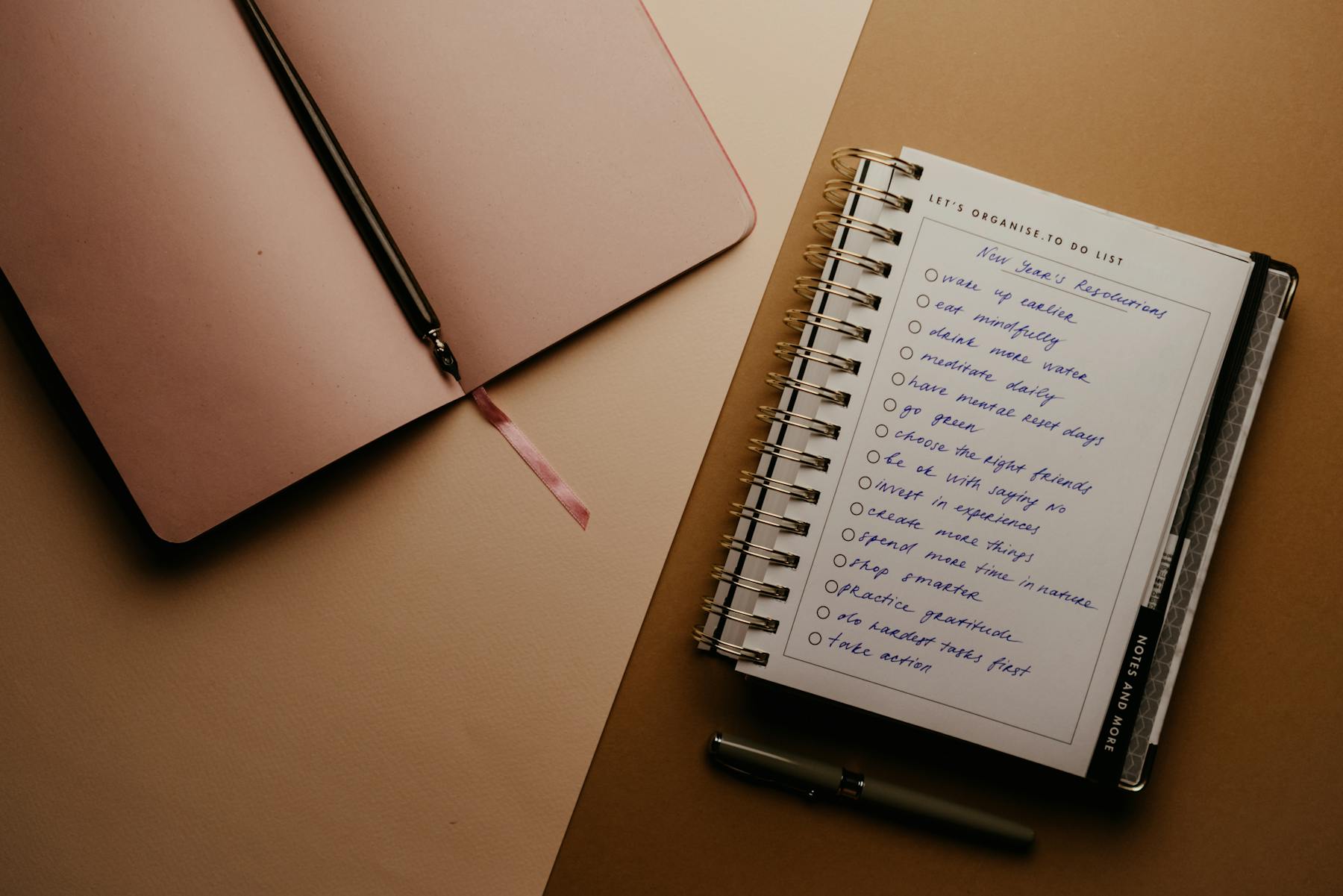
A small beginner garden can be cheap, but it is rarely free. The surprise is usually not seeds. It is soil, containers or bed materials, water access, compost, a few basic tools, and the small purchases that happen after you realize the first version is awkward to maintain.
The goal is not to price the prettiest garden. It is to build a first version that teaches you something without taking over the budget. A good beginner garden should be small enough to water, weed, and learn from on ordinary weeks.
Where the money actually goes
For a small first garden, the money usually goes into five places: the growing space, the growing medium, the plants or seeds, the watering setup, and the small tools that make maintenance possible. The trap is pricing only one of those categories. A raised bed looks like the main expense until you add bagged soil. Seeds look cheap until you buy too many varieties, labels, trays, amendments, and a watering solution you did not plan for.
A container garden can also be cheaper or more expensive depending on what you already own. Five-gallon buckets, reused nursery pots, and a few grow bags can keep the first version modest. Matching containers, specialty soil mixes, decorative trellises, and impulse herb starts can push a tiny garden into a surprisingly expensive experiment. The cost question is less about the format and more about whether each choice is serving the first season or decorating the imagined fifth season.
Most beginner garden budgets break down because people plan for the exciting expense and ignore the support system around it. The visible piece might be a raised bed, a set of grow bags, a seed order, or a small tool. But the supporting costs are what shape the real budget: soil, compost, water access, mulch, storage, replacements, and the friction-reducing basics that make daily garden work manageable.
That is why a strong budget is less about finding the cheapest version of every line item and more about deciding what deserves money first. The best spending is usually the spending that lowers waste, lowers repetition, or keeps a recurring task from becoming sloppy and discouraging. The worst spending is often the spending that looks like commitment but adds complexity before the household has earned it.
Think in three buckets instead of one giant number
A calmer way to budget is to split the money into three buckets: what must happen before the system starts, what will recur every month or every season, and what could improve the setup later but does not need to exist yet. That structure immediately lowers confusion because it stops you from comparing essentials and upgrades as if they are the same kind of spending.
What a realistic first pass looks like
A realistic first pass might be one small bed, a few containers, or a narrow in-ground strip that gets full sun and is easy to reach with water. It should not require a complete yard redesign. It should not depend on perfect weekends. If the garden is far from the house, hard to water, or too large to weed in short sessions, the budget problem becomes a maintenance problem. That is where cheap gardens get expensive: not because the materials were fancy, but because the setup was awkward enough to fail.
A good first budget leaves room for both the project and the ordinary week that has to hold the project. That means you should expect some friction, a few surprises, and at least one line item that grows after you price it honestly. The point of the first budget is not perfect prediction. The point is giving yourself a framework strong enough that you do not make every next decision emotionally.
What can usually wait
Most first gardens do not need permanent paths, matching labels, an elaborate irrigation system, a large indoor seed-starting station, or every trellis idea that looks useful online. Those things may be helpful later. The question is whether they solve a problem you have already experienced or a problem you are imagining because the garden still exists mostly in your head.
If the budget is tight, spend first on the parts that keep plants alive and chores repeatable: workable soil, water access, a simple way to carry or harvest, and one or two basic hand tools. Then use the season as evidence. If watering becomes the bottleneck, upgrade watering. If weeds become the bottleneck, solve mulch or bed edges. If harvesting is awkward, solve carrying and storage. Let the garden tell you where the next dollar belongs.
What can wait depends on the category, but the pattern is predictable. Decorative upgrades can wait. Redundant tools can wait. Gear that only matters if the system becomes larger can wait. Nice-to-have efficiency upgrades can wait until you know the work is sticking. Waiting is not deprivation. It is how you protect the budget from becoming a reaction to every new idea you see online.
That restraint is what makes slow progress possible. A real beginner budget is not supposed to prove commitment by how fast it spends. It is supposed to protect the life you are building while making steady room for the parts that genuinely matter.
Best Next Step
Put the numbers on paper before the next purchase.
The worksheet helps you decide what deserves money now, what can wait, and what should stay off the list completely.
Get the budget worksheetRecommended next reads
Read the next guide that supports this decision
These pieces help keep the first garden useful, affordable, and small enough to maintain.
Homesteading
Beginner Homesteading: Where to Start When You Feel Overwhelmed
If homesteading feels meaningful but overwhelming, start with a simpler order of operations instead of trying to do everything at once.
Gardening
How to Plan Your First Homestead Garden Without Doing Too Much
A successful first garden is smaller, clearer, and less romantic than many beginners expect. That is a good thing.
Budgeting
Homesteading on a Budget: What to Buy First and What Can Wait
If money is tight, the smartest homestead purchases are the ones that reduce friction quickly and keep you from rebuying the same lesson twice.
Frequently asked questions
What does a small beginner garden usually cost?
The honest answer depends on whether you already have soil, containers, tools, compost, and watering equipment. A small first garden can stay modest if you use what you have, start with fewer beds or containers, and treat upgrades as phase two.
Where do beginner garden budgets usually get out of hand?
Soil, raised-bed materials, irrigation, extra seed varieties, and duplicate tools can add up quickly. The risk is not one bad purchase. It is several reasonable purchases stacked before the garden routine is proven.
What garden purchases can usually wait?
Decorative bed upgrades, specialty tools, large seed orders, trellises for crops you are not sure you will grow, and convenience gear can usually wait until you know what you will maintain.
Recommendations
Useful tools and resources for this decision
These are included only where they reduce repeated friction, clarify a next step, or help you avoid buying the wrong thing first.
Useful first buy
Field notebook
A simple place to track costs, what changed, and what the next month needs from the budget.
Best for: Keeping spending decisions tied to reality instead of memory
Check current priceRecommended next reads
Read next if it helps the decision
Move into the next guide only if it clarifies the next practical step.
Homesteading
Beginner Homesteading: Where to Start When You Feel Overwhelmed
If homesteading feels meaningful but overwhelming, start with a simpler order of operations instead of trying to do everything at once.
Gardening
How to Plan Your First Homestead Garden Without Doing Too Much
A successful first garden is smaller, clearer, and less romantic than many beginners expect. That is a good thing.
Budgeting
Homesteading on a Budget: What to Buy First and What Can Wait
If money is tight, the smartest homestead purchases are the ones that reduce friction quickly and keep you from rebuying the same lesson twice.
Budget support
Get the budget worksheet before the next purchase.
Use the worksheet to sort purchases into buy now, borrow first, batch later, or skip for now while the first season is still taking shape.
Best for: Households trying to align purchases with this season's actual money, time, and attention.
- A spending-cap worksheet
- A buy, borrow, batch-later filter
- A quick review page for next-month decisions
Budget-first notes, honest tradeoffs, and the worksheet first.
After signup, the download will unlock right here so you can save or print it.
About the author
William Mock
Founder, writer, and beginner homesteader
William writes from the beginner side of rebuilding after a layoff: homestead plans, family systems, budgets, tools, and the decisions that make a home feel less fragile.
Read why this site existsRelated Guides
Keep building context
Gardening
How to Plan Your First Homestead Garden Without Doing Too Much
A successful first garden is smaller, clearer, and less romantic than many beginners expect. That is a good thing.
Budgeting
Homesteading on a Budget: What to Buy First and What Can Wait
If money is tight, the smartest homestead purchases are the ones that reduce friction quickly and keep you from rebuying the same lesson twice.
Tools
Tools I Actually Use on Our Homestead
A small list of genuinely useful tools beats a big fantasy shopping cart. These are the kinds of things that keep earning their place.