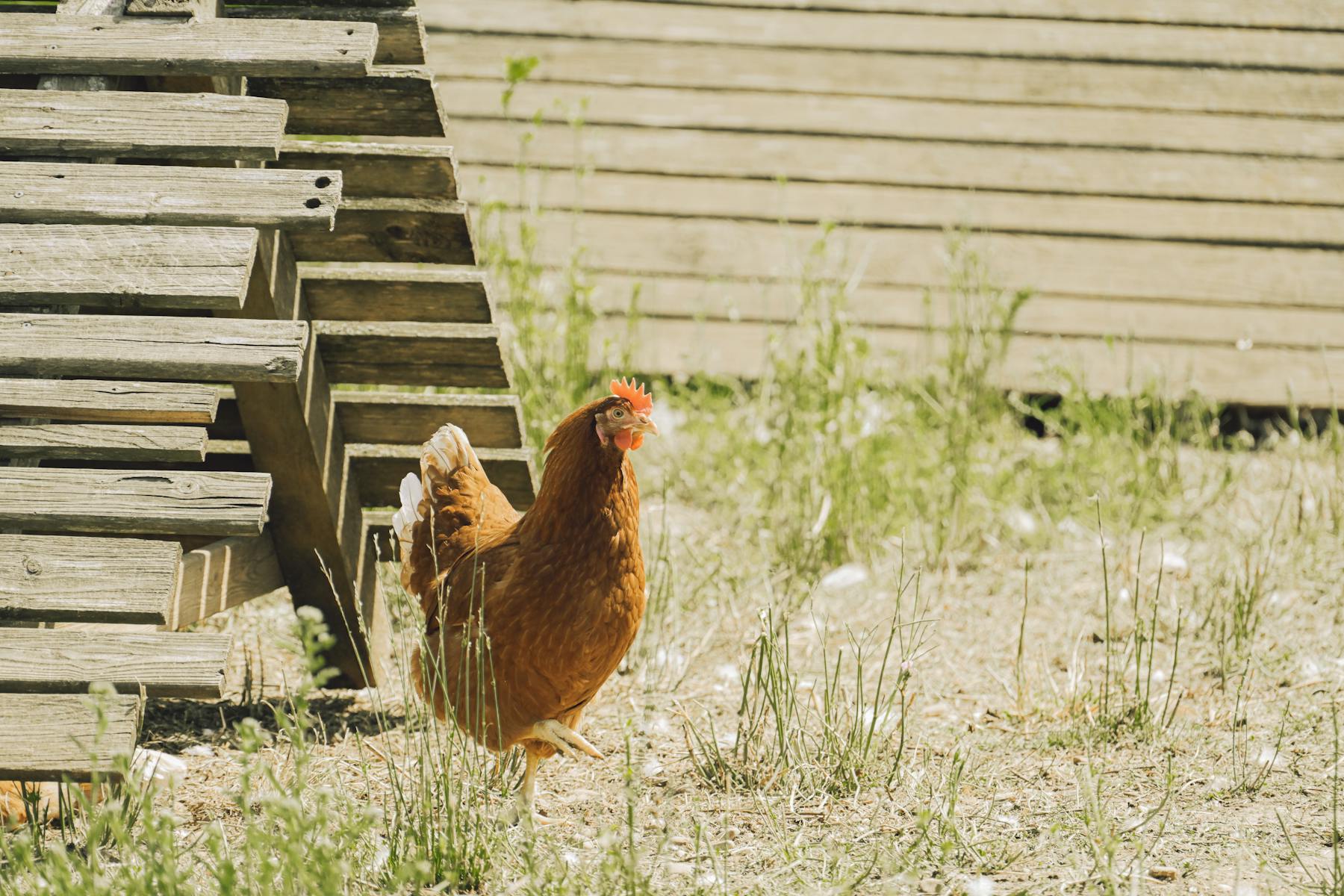
How Many Chickens Should a Beginner Start With? matters because beginners usually lose momentum in one of two ways: they either overcomplicate the decision or they rush into a version of the decision that does not fit real life. The calmer path is almost always more specific. Instead of asking what looks impressive, ask what solves the actual problem in front of you with the least future regret.
That is the frame for this guide. The goal is not to make how many chickens should a beginner start with sound exciting. It is to make it workable. If you can walk away from this article with a better filter, a clearer sequence, and more honest expectations, you are already further ahead than most beginners who only collect ideas and gear.
What matters before the birds arrive
Chicken advice often gets simplified in a way that hides the real work. The birds themselves are usually not the hardest part. The harder part is the setup around them: reliable water, feed storage, predator awareness, enough space, and a routine that still works on ordinary tired weekdays. If you solve those things early, the rest of the learning curve gets much easier.
That is why beginner chicken decisions should be made through the lens of chores, not fantasy. Ask how the water gets filled in bad weather, where the feed is stored, what happens when life gets busy, and how the flock fits the actual space you have. Those questions are less fun than breed photos, but they are the ones that make the system livable.
Where beginners usually get surprised
A calmer way to make the decision
The best chicken decisions are made in small honest steps. Decide what you want the flock to do for you first. Is it eggs, skill-building, family learning, a first food system, or a broader move toward resilience? Then size the setup to that purpose instead of assuming a bigger flock or more elaborate infrastructure automatically means better progress.
What I would prioritize first
Spend the early money on the things that reduce repeated friction: reliable water, a feeder that limits waste, feed storage that keeps the setup cleaner, and enough predator awareness that you are not trying to sleep through obvious vulnerabilities. These are not flashy purchases, but they protect both the birds and your willingness to stay consistent.
Once those basics are stable, the rest gets easier to judge. You can tell whether you need more space, a different feeder, better fencing, or nothing at all right now. That is the real value of a modest beginner setup: it teaches you what deserves the next dollar instead of forcing you to guess everything before you have any lived experience.
Best Next Step
Use the chicken checklist before you buy more flock gear.
The chicken checklist turns broad advice into an actual setup plan, recurring-cost view, and first-year rhythm.
See the chicken setup resourcesRecommended Next Reads
Read the next guide that supports this decision
These are the next pieces most likely to help the bigger picture make more sense without sending you in ten directions at once.
Chickens
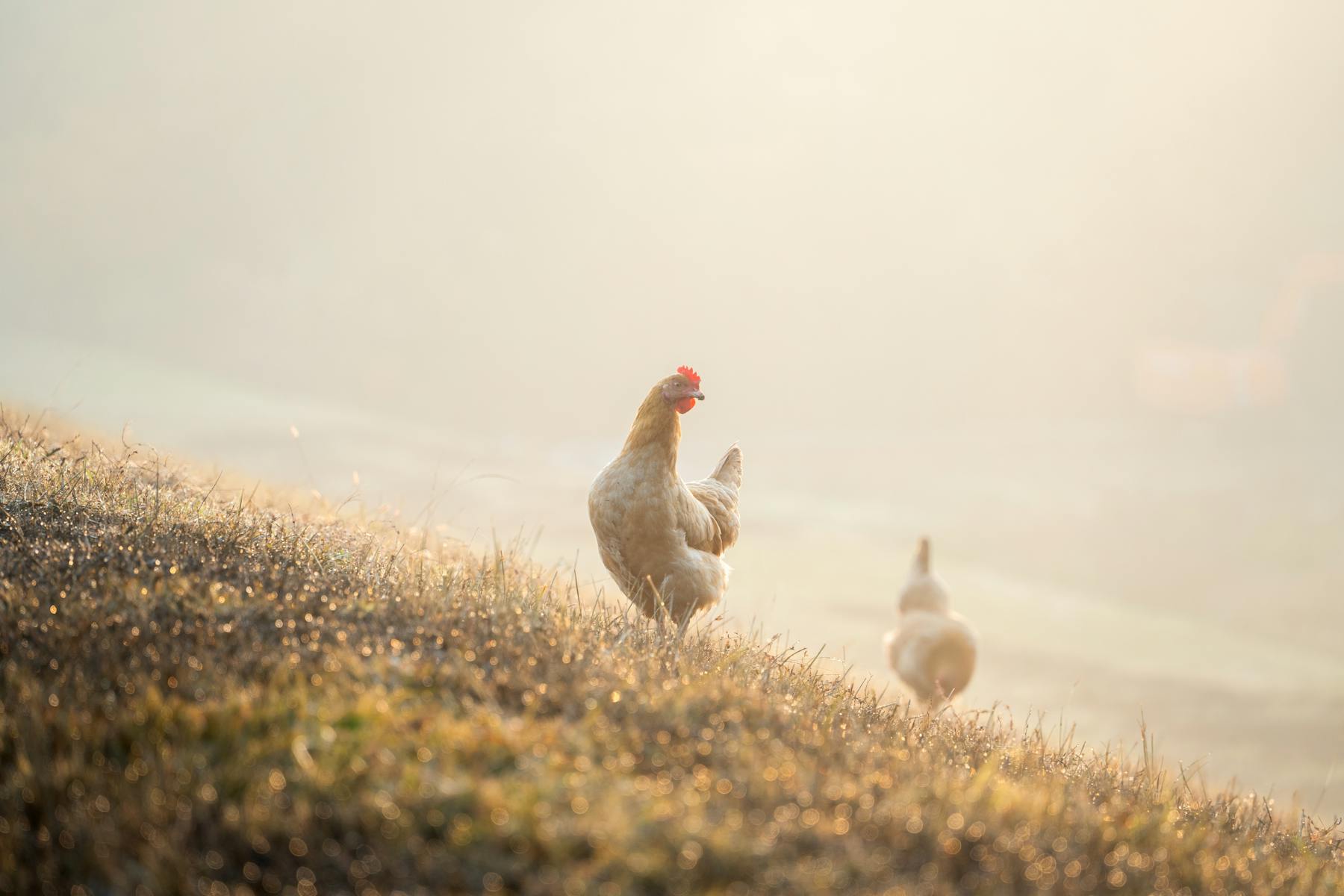
The Real Cost of Getting Started With Backyard Chickens
Backyard chickens can be a strong first step into homesteading, but the startup costs and recurring work deserve an honest look.
Chickens
Broilers vs Layers for Beginners
Choosing broilers or layers depends less on trend and more on your goals, budget, space, and appetite for daily routine.
Budgeting
Homesteading on a Budget: What to Buy First and What Can Wait
If money is tight, the smartest homestead purchases are the ones that reduce friction quickly and keep you from rebuying the same lesson twice.
Frequently asked questions
What is the short answer to how many chickens should a beginner start with?
The short answer is to make the decision smaller, tie it to your actual season of life, and start with the version you can support consistently rather than the version that looks most impressive.
What mistake do beginners make most often here?
Most beginners either overbuild the first version or wait for a perfect future setup instead of starting with one clear, manageable step that teaches them something useful right now.
What should probably wait?
What should usually wait is anything decorative, highly specialized, or dependent on a bigger routine than you have already proven. Reliability first. Complexity later.
Recommendations
Useful tools and resources for this topic
These recommendations are here to reduce friction, not pressure you into buying more than you need.
Beginner-friendly
Metal hanging poultry feeder
A simple feeder that reduces waste and makes the starter setup easier to keep clean.
Best for: Small backyard flocks where feed waste gets expensive quickly
View on AmazonWorth the money
Gravity poultry waterer
A larger waterer that is easier to trust on ordinary busy days than the smallest starter options.
Best for: Keeping the routine simpler when the week gets busy
View on AmazonBuy early
Lidded feed storage bin
A basic sealed container that keeps feed drier, cleaner, and less tempting to pests.
Best for: Protecting feed and reducing waste before you buy more accessories
View on AmazonRecommended Next Reads
Continue your journey
Move into the next guide that helps the bigger picture come together.
Chickens
The Real Cost of Getting Started With Backyard Chickens
Backyard chickens can be a strong first step into homesteading, but the startup costs and recurring work deserve an honest look.
Chickens
Broilers vs Layers for Beginners
Choosing broilers or layers depends less on trend and more on your goals, budget, space, and appetite for daily routine.
Budgeting
Homesteading on a Budget: What to Buy First and What Can Wait
If money is tight, the smartest homestead purchases are the ones that reduce friction quickly and keep you from rebuying the same lesson twice.
Chicken Setup Support
Get the chicken setup checklist before you buy more flock gear.
Use the first-year checklist to price the flock honestly, cover the starter essentials, and delay the upgrades that can wait.
Best for: Readers trying to price a first flock honestly and avoid a scattered chicken setup.
- A pre-chick setup checklist
- A recurring-cost planning section
- A simple weekly flock-care rhythm
Chicken setup notes, beginner flock lessons, and the checklist first. No noise.
After signup, the download will unlock right here so you can save or print it.
About the author
William Mock
Founder, writer, and beginner homesteader
William writes about learning homesteading in public, building family systems, and creating a steadier life after being laid off.
Read author pageRelated Guides
Keep building context
Chickens
The Real Cost of Getting Started With Backyard Chickens
Backyard chickens can be a strong first step into homesteading, but the startup costs and recurring work deserve an honest look.
Chickens
Broilers vs Layers for Beginners
Choosing broilers or layers depends less on trend and more on your goals, budget, space, and appetite for daily routine.
Chickens
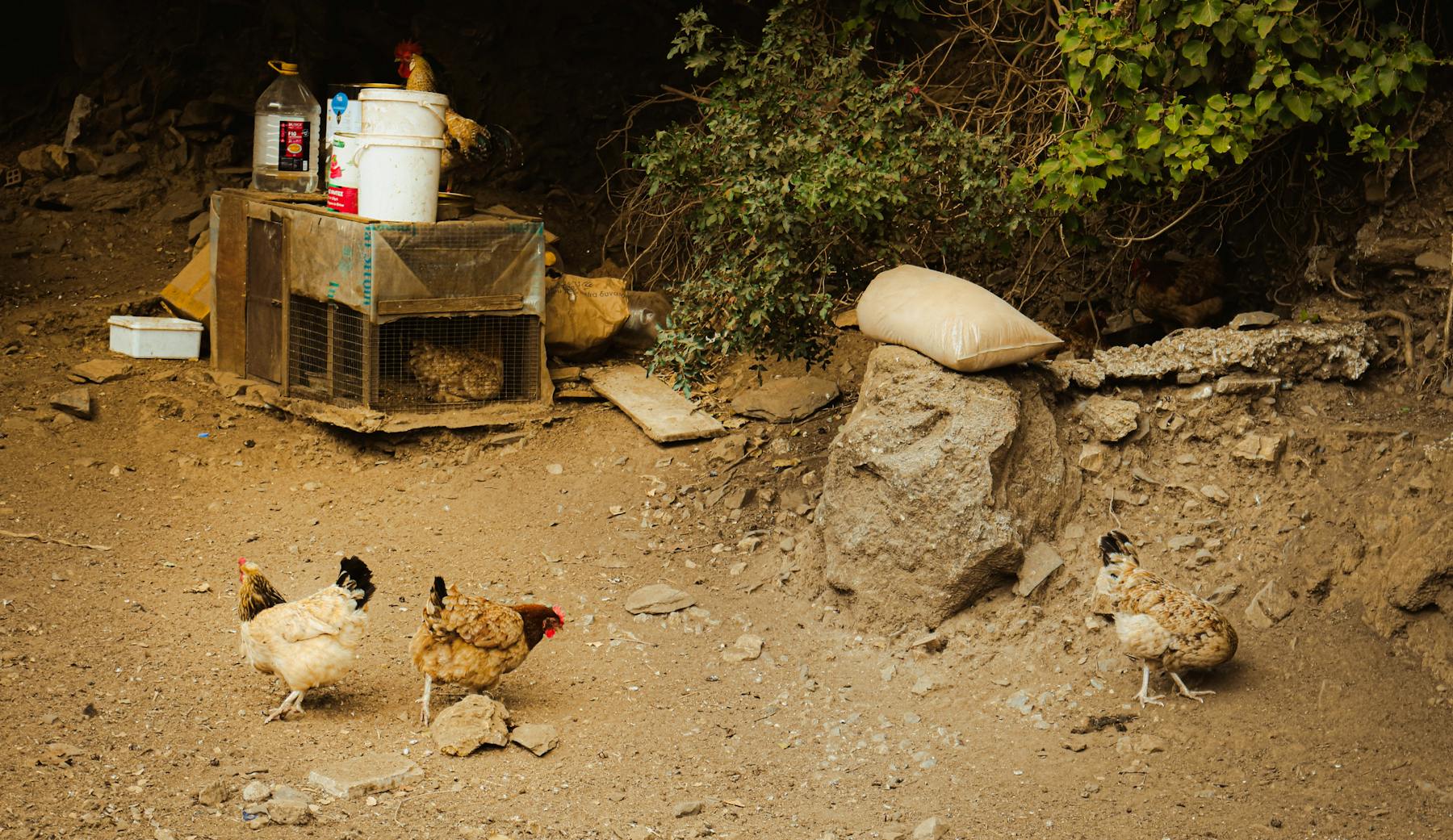
Building a Chicken Tractor With Limited Carpentry Skills
Chicken tractors look simple from a distance. In practice, the details that matter most are movement, weather, and whether the build actually fits your skill level.