
How to Start Building Food Security Before You Move matters because beginners usually lose momentum in one of two ways: they either overcomplicate the decision or they rush into a version of the decision that does not fit real life. The calmer path is almost always more specific. Instead of asking what looks impressive, ask what solves the actual problem in front of you with the least future regret.
That is the frame for this guide. The goal is not to make build food security before you move sound exciting. It is to make it workable. If you can walk away from this article with a better filter, a clearer sequence, and more honest expectations, you are already further ahead than most beginners who only collect ideas and gear.
Start with the real problem, not the dramatic version
When life gets disrupted, it is easy to reach for big identity statements because they feel cleaner than the mess you are standing in. But a simpler life does not begin with a slogan. It begins with a truer diagnosis. Are you trying to lower financial fragility, create calmer household systems, build food security, or recover a sense of direction after a hard hit? The answer changes the next step.
That is why the first move in a fresh-start season is almost never buying a lot, quitting everything, or trying to imitate somebody else's already-built life. The first move is narrowing the problem until you can actually act on it. That could mean clarifying what the next 30 days are for, listing which pressures are immediate, or deciding what kind of home life would feel steadier by the end of this season.
Build one layer of steadiness before you chase identity
A lot of people get interested in simpler living after something destabilizing happens because the old idea of security stops feeling solid. That instinct makes sense. The problem is that urgency can trick you into building the visual layer first. You can spend a lot of energy trying to look like a person with a simpler life while your actual household still runs on stress, reaction, and scattered spending.
The better sequence is quieter. First, stabilize the week. Then stabilize the money decisions. Then add one real practice that builds competence. That might be a better grocery rhythm, a weekly reset, a starter garden, or one careful step toward food storage. It is less cinematic than a total reinvention, but it works better because it changes how the house actually functions.
Where people usually make this harder than it needs to be
The most common mistake is acting as if the simpler life has to arrive all at once or it does not count. That usually leads to overbuying, overcommitting, or trying to force a timeline that the household is not ready to carry. A close second is assuming that information alone will fix the problem. It rarely does. If your week is overloaded and your budget is reactive, one more great article is not enough by itself.
What I would do first in this season
If you are in a real reset, start with the work that lowers pressure quickly. Write down the next month’s fixed costs. Pick one weekly reset window. Decide on one practical skill or food-related project that fits the budget and the actual rhythm of the house. That combination tends to create confidence faster than any dramatic lifestyle move because it makes life feel slightly less scattered almost immediately.
From there, the right direction usually becomes easier to see. Not because everything is solved, but because you are finally working from something more honest than panic or fantasy. That is when a simpler life stops being an idea and starts becoming a set of lived decisions.
Best Next Step
Turn this into one calmer next move.
The first-step checklist helps you narrow this idea into one useful next action instead of ten parallel projects.
Take the beginner pathRecommended Next Reads
Read the next guide that supports this decision
These are the next pieces most likely to help the bigger picture make more sense without sending you in ten directions at once.
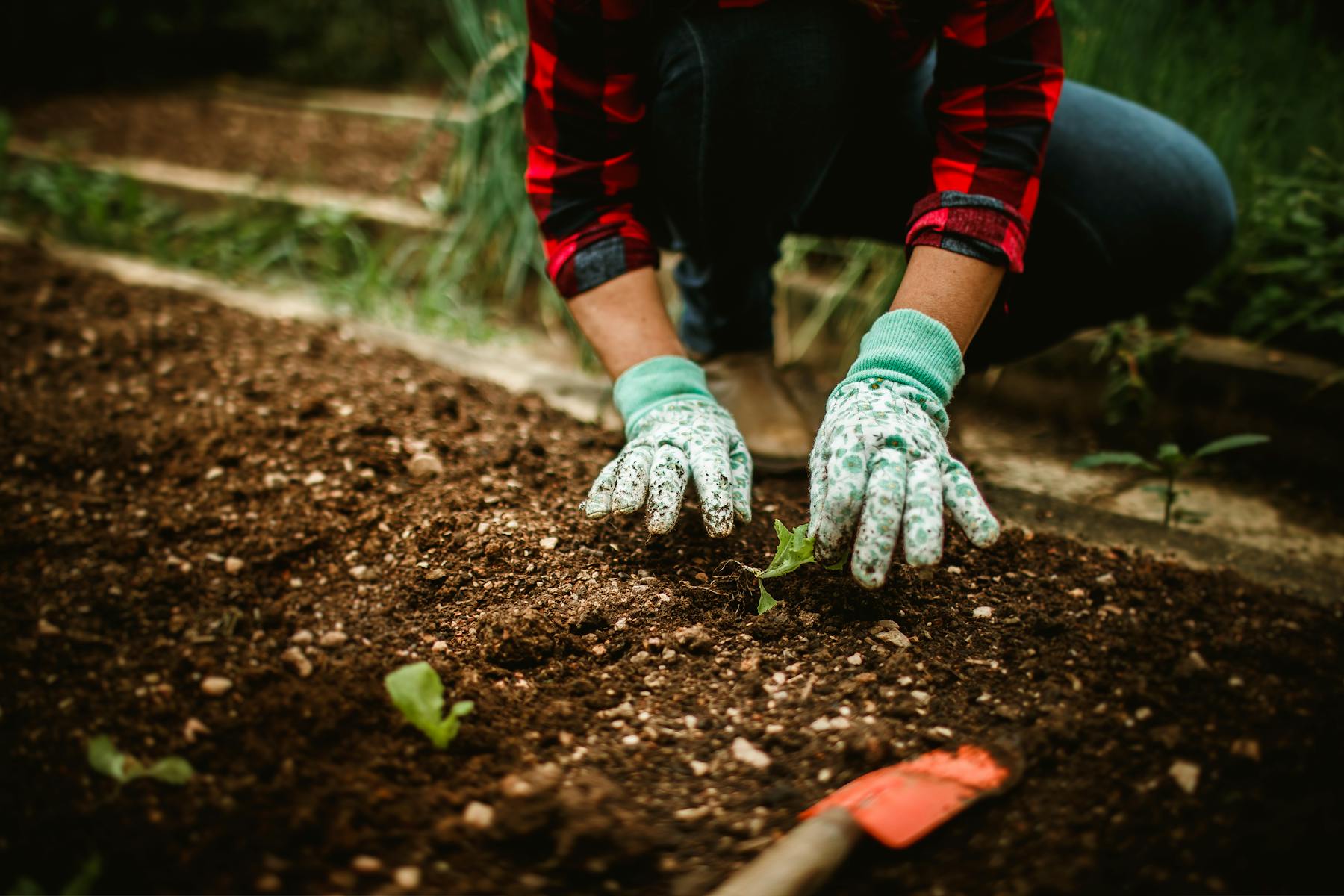
Homesteading
Beginner Homesteading: Where to Start When You Feel Overwhelmed
If homesteading feels meaningful but overwhelming, start with a simpler order of operations instead of trying to do everything at once.
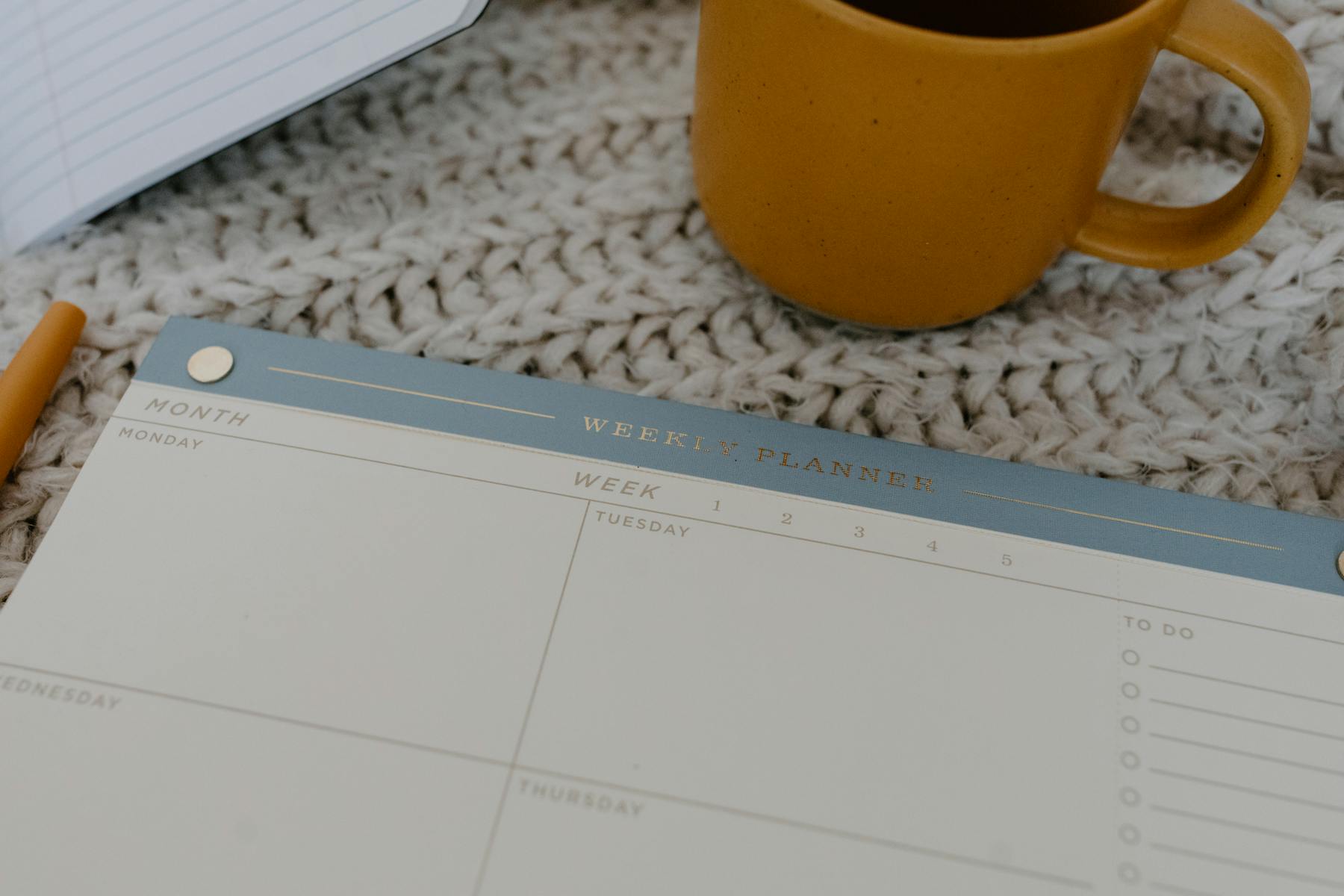
Systems
How to Build a Calmer Weekly Homestead Rhythm
A workable weekly rhythm matters more than bursts of motivation. This is how to structure a steadier, lower-drama home system.
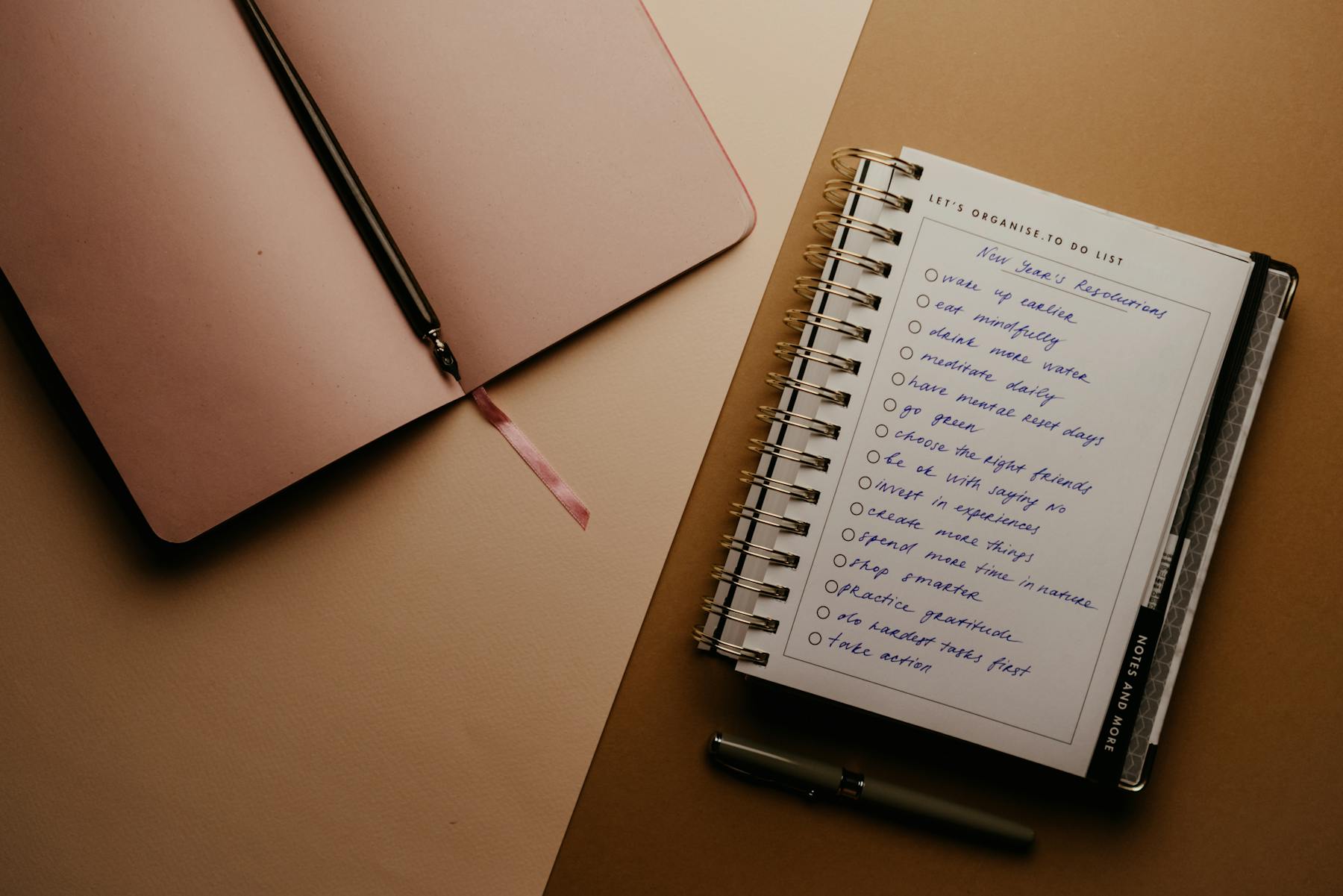
Homesteading
Our First-Year Homestead Priorities: What We’re Doing Now and Why
A first year goes better when priorities are chosen, not inherited. These are the systems and projects we are focusing on now and the reasons behind them.
Frequently asked questions
What is the short answer to build food security before you move?
The short answer is to make the decision smaller, tie it to your actual season of life, and start with the version you can support consistently rather than the version that looks most impressive.
What mistake do beginners make most often here?
Most beginners either overbuild the first version or wait for a perfect future setup instead of starting with one clear, manageable step that teaches them something useful right now.
What should probably wait?
What should usually wait is anything decorative, highly specialized, or dependent on a bigger routine than you have already proven. Reliability first. Complexity later.
Recommendations
Useful tools and resources for this topic
These recommendations are here to reduce friction, not pressure you into buying more than you need.
Learn first before buying
Simple habit and planning workbook
A straightforward planning resource for routines, resets, and family rhythms.
View on AmazonStart here
Fresh-start budget template
A lightweight planning sheet for households rebuilding after disruption.
Read the guideWorth reading first
A practical homesteading guide
A broad, non-romanticized beginner book with enough depth to orient without overwhelming.
View on AmazonRecommended Next Reads
Continue your journey
Move into the next guide that helps the bigger picture come together.
Homesteading
Beginner Homesteading: Where to Start When You Feel Overwhelmed
If homesteading feels meaningful but overwhelming, start with a simpler order of operations instead of trying to do everything at once.
Systems
How to Build a Calmer Weekly Homestead Rhythm
A workable weekly rhythm matters more than bursts of motivation. This is how to structure a steadier, lower-drama home system.
Homesteading
Our First-Year Homestead Priorities: What We’re Doing Now and Why
A first year goes better when priorities are chosen, not inherited. These are the systems and projects we are focusing on now and the reasons behind them.
Fresh Start Support
Get the first-step checklist that helps turn a reset into a real plan.
Use the checklist to pick one calmer next move, one budget frame, and one part of the bigger life rebuild to focus on first.
Best for: Beginners who need a calmer first plan instead of more tabs, more gear, or more conflicting advice.
- A first-30-days decision checklist
- A one-system starter plan
- A buy-now versus wait-later filter
Quiet notes for rebuilding, useful guides, and one real planning tool first.
After signup, the download will unlock right here so you can save or print it.
About the author
William Mock
Founder, writer, and beginner homesteader
William writes about learning homesteading in public, building family systems, and creating a steadier life after being laid off.
Read author pageRelated Guides
Keep building context
Fresh Start
Why I’m Starting a Homestead After Being Laid Off
A layoff changed more than work. It changed what security meant, and why a slower, more grounded life started to feel worth building.
Homesteading
Beginner Homesteading: Where to Start When You Feel Overwhelmed
If homesteading feels meaningful but overwhelming, start with a simpler order of operations instead of trying to do everything at once.
Homesteading
What I Wish I Knew Before Trying to Build a Simpler Life
A simpler life is not built by adding the right aesthetic. It is built by subtracting noise, choosing better systems, and learning what really matters.