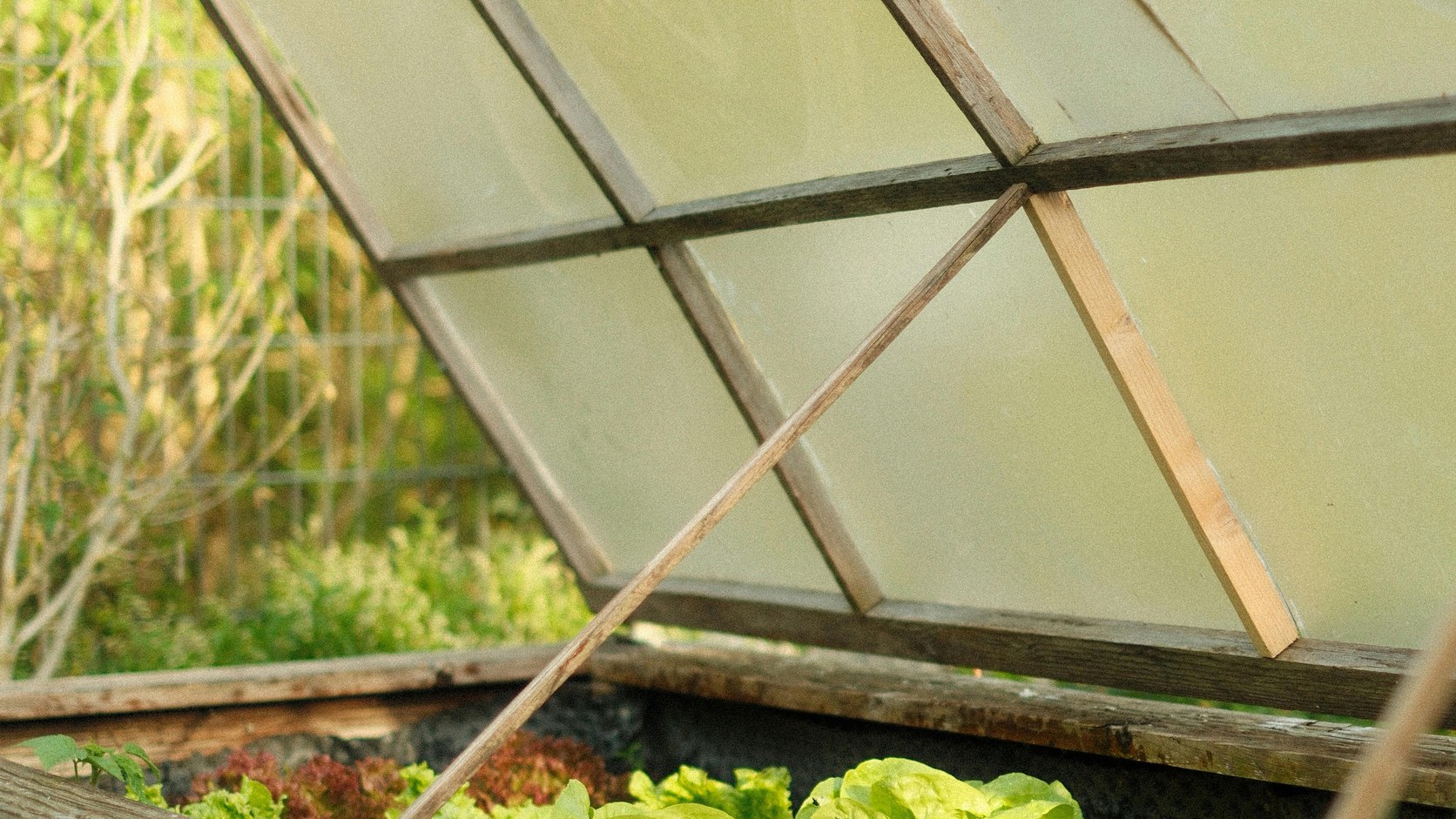
A beginner vegetable garden should usually be smaller than your ambition. A few containers, one 4-by-8 raised bed, two narrow in-ground beds, or roughly 50 to 100 square feet is often enough to teach the real lessons without turning the first season into a guilt project.
I know the temptation goes the other direction. When you are trying to build a more grounded life, a bigger garden can feel like proof that the fresh start is real. After a layoff, I understood that pull toward visible progress. But the garden that helps a family most is not the biggest one you can imagine in April. It is the one you can still water, weed, harvest, and care about when the week is full and the weather is not cooperating.
The real decision
The real decision is not how much food you hope to grow someday. It is how much living garden you can support right now. A garden is not only planted once. It has to be watered, thinned, weeded, checked for pests, harvested, cleaned up, replanted, and folded into real meals.
That is why I would rather see a beginner finish a small garden well than start a large one and spend the rest of the season apologizing to it. A small garden gives fast feedback. You notice what dries out first, which crops your family actually eats, where the hose gets annoying, and whether the garden is close enough to check after dinner.
Good beginner garden sizes
There is no universal square-foot number because sun, climate, soil, pests, water access, and household capacity all change the workload. But there are useful starting ranges.
Use local guidance before scaling
University Extension garden guides tend to point beginners back to the same fundamentals: choose a sunny, well-drained site, keep water access close, make every part of the garden reachable, and start small enough to manage. University of Maryland Extension recommends full sun, easy water access, and paths or access space. Wisconsin Extension also tells beginners to start small with a few easy crops. Michigan State University Extension puts it plainly: it is better to start small and enlarge the garden in later years.
That is not timid advice. It is practical advice from people who have watched many first gardens succeed or fail on maintenance, not enthusiasm.
A realistic beginner scenario
Picture a family with a sunny corner near the house, a hose bib on one side, and a long list of vegetables they would love to grow. Tomatoes, peppers, cucumbers, beans, lettuce, zucchini, herbs, potatoes, onions, carrots, maybe a melon because the seed packet looks hopeful.
The risky version builds a big rectangle and tries to make the whole dream fit. The steadier version starts with one 4-by-8 bed, a few containers, or two narrow beds close to water. It chooses crops the family already eats weekly, leaves space to walk, and writes down what actually happened. That smaller version may produce less food, but it produces better information.
The maintenance test
Before deciding the size, run the maintenance test. Can you water it before work or after dinner without turning the hose into a wrestling match? Can you weed it once or twice a week without resentment? Can you harvest without stepping over plants? Can you see problems early enough to respond?
If the honest answer is no, shrink the garden before you buy more soil, lumber, seeds, or starts. Shrinking the first garden is not failure. It is how you protect the habit that will eventually let the garden grow.
Where tools actually help
The useful tools for this decision are not impressive. They are the tools that make the garden measurable, reachable, and easier to care for. A tape measure, gentle watering wand, and notebook are more defensible than a complicated irrigation setup for a bed you have not maintained yet.
Recommendations
Useful tools and resources for this decision
Measure first
Long tape measure
Use it to measure the bed, paths, hose reach, and possible expansion area before the garden becomes a permanent shape.
Best for: Beginners laying out one manageable garden space
Check current priceDaily care
Gentle watering wand
A simple way to water small beds and containers without washing soil away or beating up seedlings.
Best for: Small first gardens where hand watering is still realistic
Check current priceKeep evidence
Garden notebook
Record planting dates, watering trouble, harvest notes, pest pressure, and what the family actually ate.
Best for: Turning a small first season into a better second season
Check current priceFree resource
Extension garden planning guidance
Use local Extension resources to check sun, water, drainage, planting dates, crop spacing, and regional pest pressure before scaling up.
Best for: Checking the local basics before buying more supplies
View resourceWhat can wait
Most beginners can wait on large staple-crop plots, big seed orders, multiple new preservation crops, expensive trellises, permanent irrigation, greenhouses, and any garden sized around total food independence. Those may be useful later. They do not need to carry the first season.
A final first-season reality check
Before the garden goes into the ground, ask what it will need in the least convenient month, not the most exciting one. Planting day is usually easy. The test comes when weeds, heat, pests, travel, work, and family life arrive at the same time.
A beginner garden that stays small enough to observe and maintain will teach more than a large planting that turns into a midsummer apology. Let the first garden prove the rhythm. Expansion can come after the notes are real.
Best Next Step
Turn this into one garden you can actually maintain.
Use the garden planning tools to sort size, site, water, crop list, and what can wait until the first season teaches you something.
See the garden planning toolsRecommended next reads
Read the next guide that supports this decision
These are the next pieces I would read if you are choosing a first garden that is useful without getting too big too soon.
Gardening
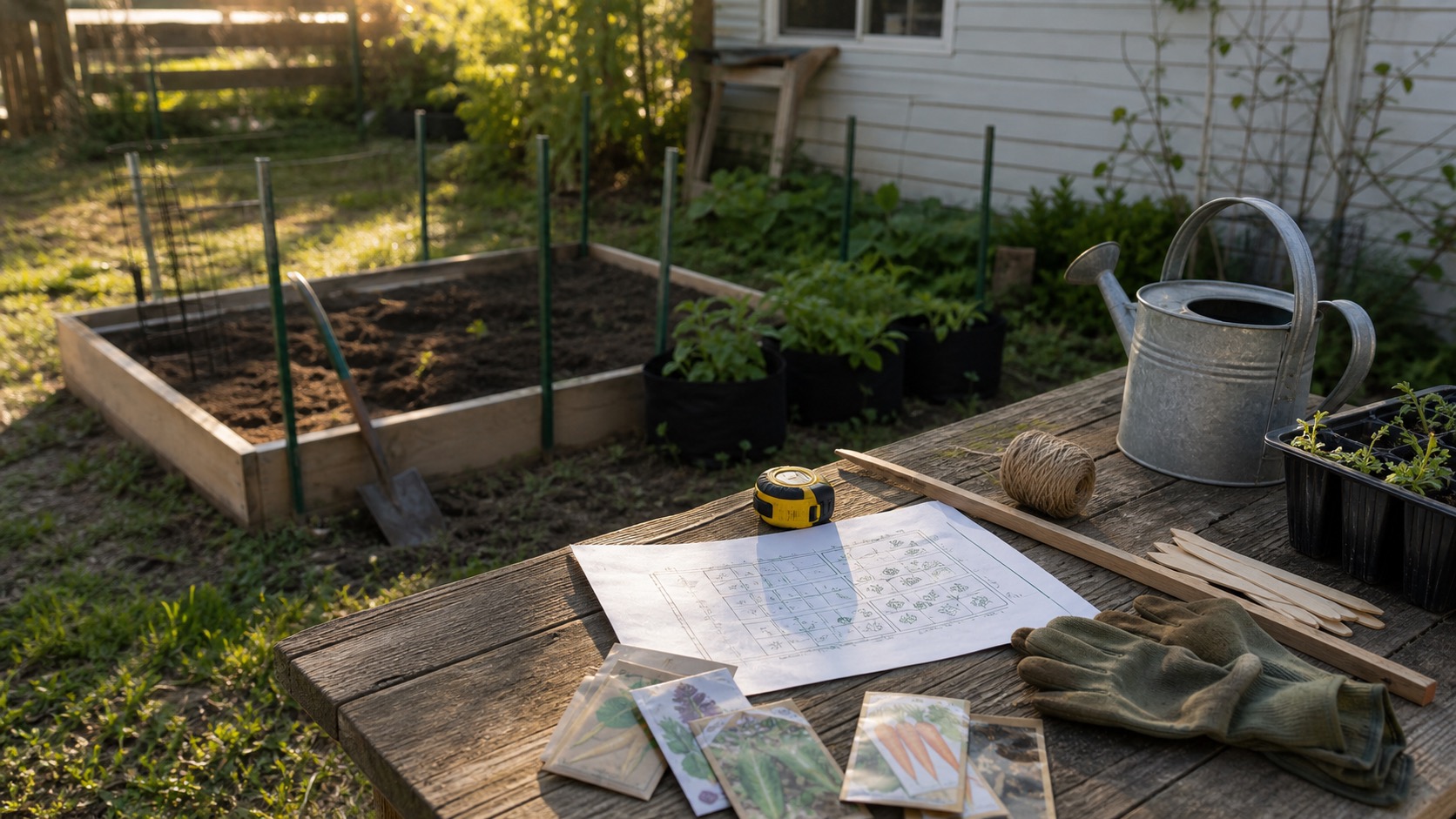
How to Plan Your First Homestead Garden Without Doing Too Much
A successful first garden is smaller, clearer, and less romantic than many beginners expect. That is a good thing.

Gardening
Raised Beds vs In-Ground Gardening for Beginners
A practical comparison of raised beds and in-ground gardening for beginners who care about budget, effort, and staying consistent.

Gardening
What to Plant First in a Beginner Homestead Garden
A practical crop-selection guide for first gardens: what to plant first, what to skip for now, and how to choose crops that teach useful skills without overwhelming the week.
Frequently asked questions
How big should a beginner vegetable garden be?
Most beginners are better served by a few containers, one 4-by-8 raised bed, two narrow in-ground beds, or roughly 50 to 100 square feet than by a large first garden. The right size is the one you can water, weed, harvest, and observe on normal weeks.
Is a 4-by-8 raised bed enough for a beginner?
Yes. A 4-by-8 bed gives about 32 square feet of planting space, which is enough to learn watering, spacing, crop timing, weeds, pests, and harvest habits without taking over the whole yard.
What makes a beginner garden too big?
A garden is too big when watering takes too long, weeds get ahead every week, harvests do not reach the kitchen, paths are hard to use, or you avoid checking it because the work feels like another chore.
What garden gear can wait?
Large tillers, elaborate irrigation, greenhouses, expensive trellises, big seed orders, and preservation equipment can usually wait until one small garden has made it through a full season.
Recommendations
Useful tools and resources for this decision
These are included only where they reduce repeated friction, clarify a next step, or help you avoid buying the wrong thing first.
Measure first
Long tape measure
Useful for laying out one bed, paths, hose reach, and future expansion without guessing.
Best for: Beginners deciding whether a proposed garden is actually reachable and maintainable
Check current priceDaily care
Gentle watering wand
A simple watering wand makes a small bed or container garden easier to water without blasting seedlings or dragging the hose through plants.
Best for: Small first gardens where hand watering is still realistic
Check current priceKeep evidence
Garden notebook
Use it to record planting dates, what dried out first, what got eaten, and which crops actually made it to meals.
Best for: Turning one small season into a better second-season plan
Check current priceFree resource
Extension garden planning guidance
Use your local Extension office or university gardening resources for sun, soil, water, drainage, planting dates, and crop recommendations in your area.
Best for: Checking local site guidance before scaling the garden
View resourceRecommended next reads
Read next if it helps the decision
Move into the next guide only if it clarifies the next practical step.
Gardening
How to Plan Your First Homestead Garden Without Doing Too Much
A successful first garden is smaller, clearer, and less romantic than many beginners expect. That is a good thing.
Gardening
Raised Beds vs In-Ground Gardening for Beginners
A practical comparison of raised beds and in-ground gardening for beginners who care about budget, effort, and staying consistent.
Gardening
What to Plant First in a Beginner Homestead Garden
A practical crop-selection guide for first gardens: what to plant first, what to skip for now, and how to choose crops that teach useful skills without overwhelming the week.
Garden gear support
Get the buy-first guide before the first garden collects too much gear.
Use the guide to decide which early garden purchases earn money now, which ones can be borrowed, and which ones can wait until the routine proves itself.
Best for: Beginners who keep seeing useful things online and need a disciplined way to decide what actually earns a place.
- A buy now, borrow, wait, or skip framework
- Starter category shortlists
- A three-question purchase test
Garden planning notes, restrained gear decisions, and the guide first.
After signup, the download will unlock right here so you can save or print it.
About the author
William Mock
Founder, writer, and beginner homesteader
William writes from the beginner side of rebuilding after a layoff: homestead plans, family systems, budgets, tools, and the decisions that make a home feel less fragile.
Read why this site existsRelated Guides
Keep building context
Gardening
How to Plan Your First Homestead Garden Without Doing Too Much
A successful first garden is smaller, clearer, and less romantic than many beginners expect. That is a good thing.
Gardening
Raised Beds vs In-Ground Gardening for Beginners
A practical comparison of raised beds and in-ground gardening for beginners who care about budget, effort, and staying consistent.
Gardening
What to Plant First in a Beginner Homestead Garden
A practical crop-selection guide for first gardens: what to plant first, what to skip for now, and how to choose crops that teach useful skills without overwhelming the week.