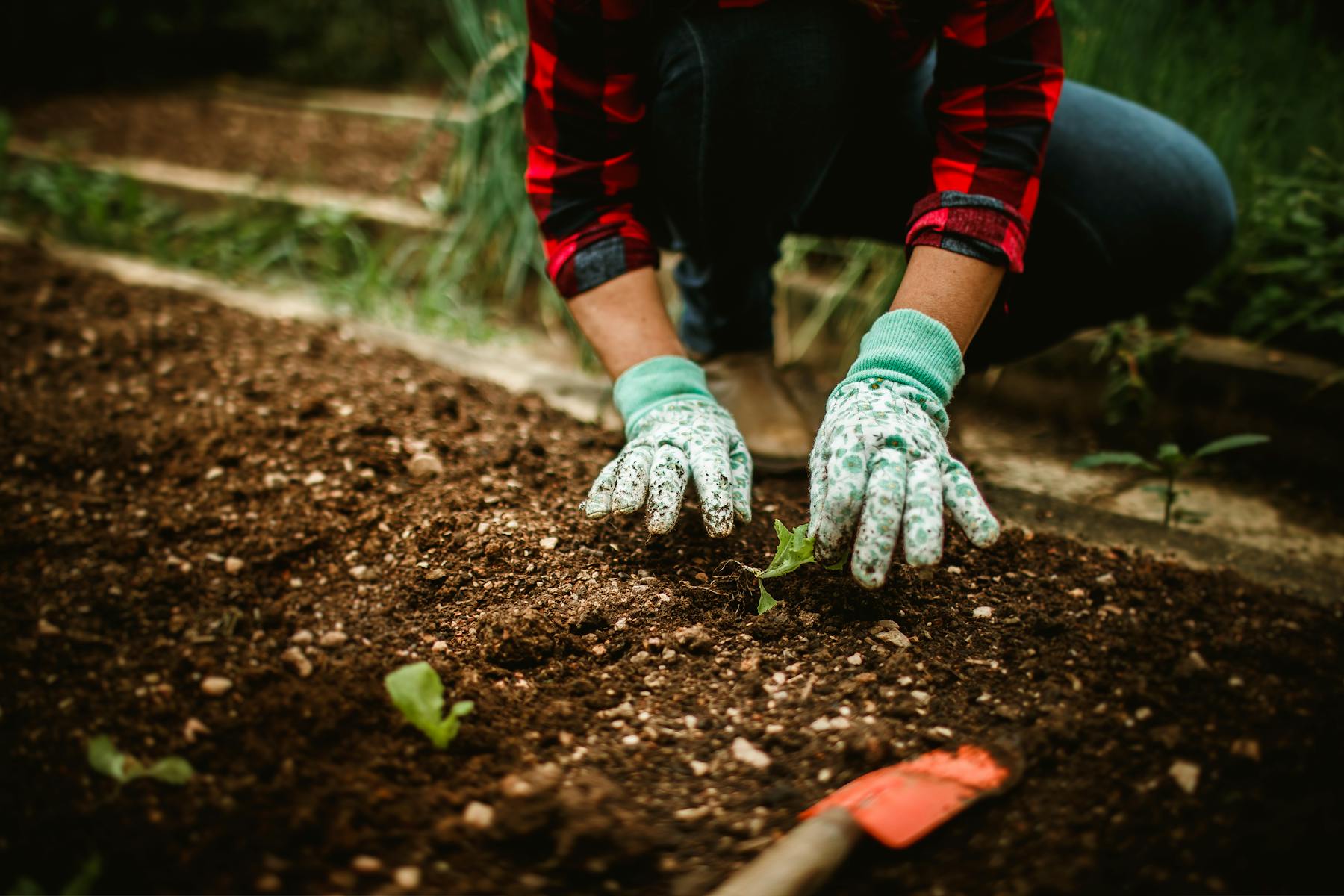
How to Choose Your First Homestead Skill When Everything Feels Important matters because beginners usually lose momentum in one of two ways: they either overcomplicate the decision or they rush into a version of the decision that does not fit real life. The calmer path is almost always more specific. Instead of asking what looks impressive, ask what solves the actual problem in front of you with the least future regret.
That is the frame for this guide. The goal is not to make first homestead skill to learn sound exciting. It is to make it workable. If you can walk away from this article with a better filter, a clearer sequence, and more honest expectations, you are already further ahead than most beginners who only collect ideas and gear.
Start by deciding what the season is actually for
A lot of beginner homesteading confusion comes from trying to answer too many questions with one season of effort. Are you trying to lower food costs, learn a skill, build a calmer home rhythm, prepare for a future move, or prove to yourself that this direction is serious? Those are all valid goals, but they do not all belong in the same first phase.
That is why the strongest first homestead moves are usually more selective than emotional momentum wants them to be. One real priority tends to create better progress than four partially funded, partially learned systems competing for the same time and money. Progress becomes easier to see once the work has a clear job.
Choose sequence over accumulation
Homesteading content often rewards accumulation: more systems, more gear, more identity markers, more visible proof. Real households usually need sequence instead. The order of operations matters because each new system changes the pressure on the week, the budget, and the people in the house. The beginner advantage is not being able to do everything. It is being free to choose a better order from the start.
What I would do first
A good start usually looks quieter than the internet rewards. But it also tends to be more durable. And that is what actually matters. Not whether the first phase looked impressive, but whether it created a stronger base for the next one.
Best Next Step
Turn this into one calmer next move.
The first-step checklist helps you narrow this idea into one useful next action instead of ten parallel projects.
Start with the calmer beginner pathRecommended Next Reads
Read the next guide that supports this decision
These are the next pieces most likely to help the bigger picture make more sense without sending you in ten directions at once.
Homesteading
Beginner Homesteading: Where to Start When You Feel Overwhelmed
If homesteading feels meaningful but overwhelming, start with a simpler order of operations instead of trying to do everything at once.
Homesteading
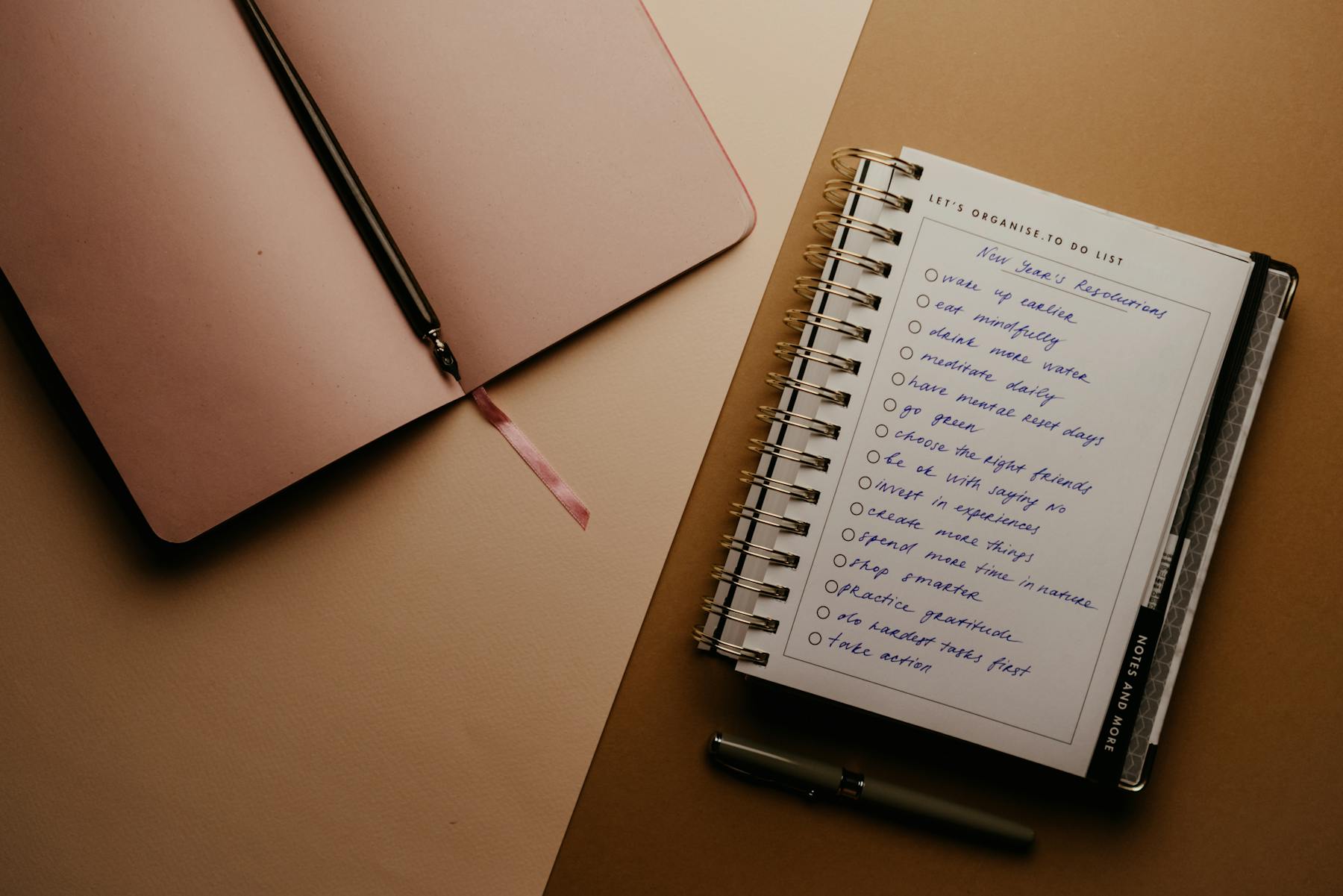
Our First-Year Homestead Priorities: What We’re Doing Now and Why
A first year goes better when priorities are chosen, not inherited. These are the systems and projects we are focusing on now and the reasons behind them.
Tools
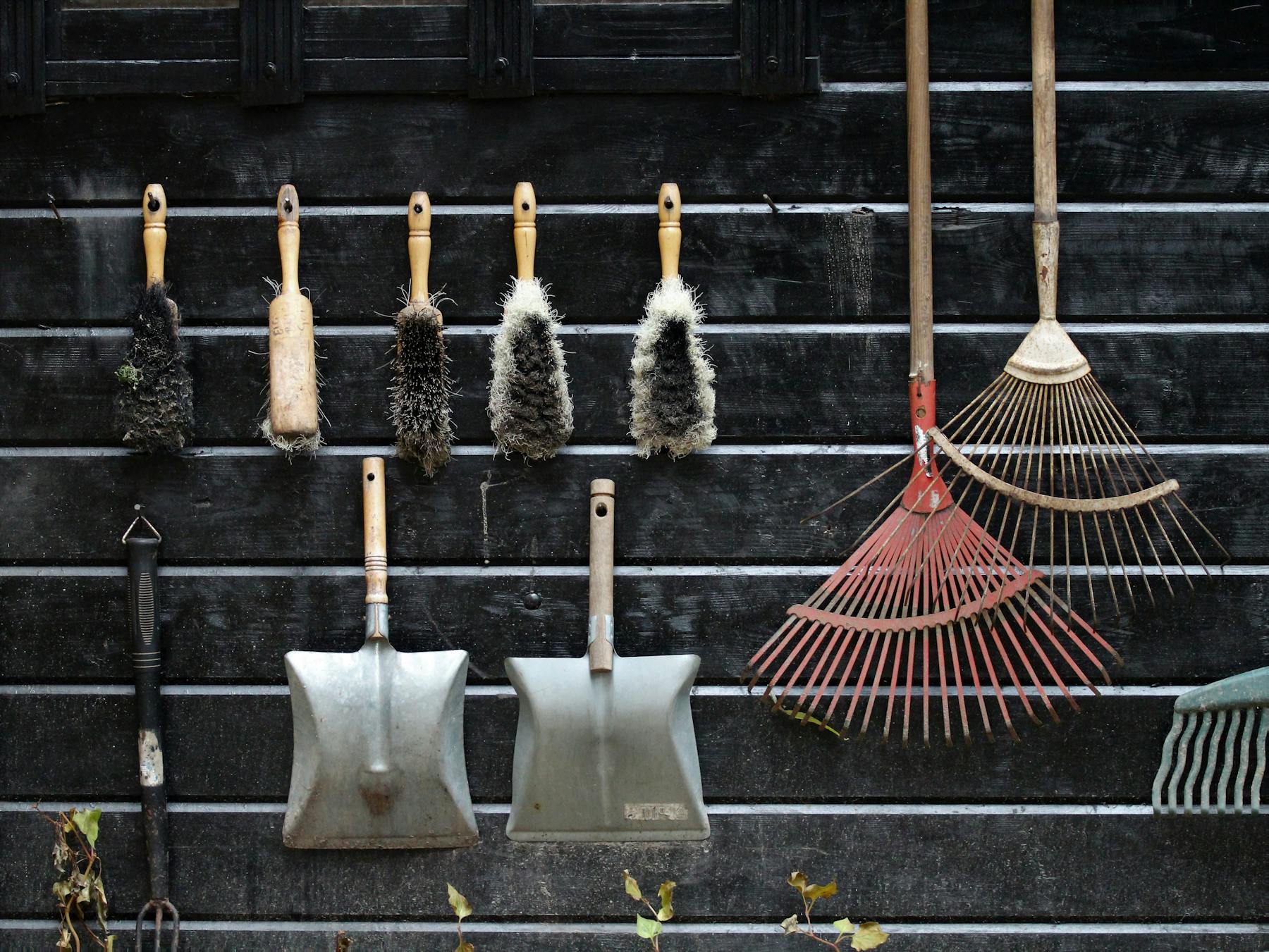
Tools I Actually Use on Our Homestead
A small list of genuinely useful tools beats a big fantasy shopping cart. These are the kinds of things that keep earning their place.
Frequently asked questions
What is the short answer to first homestead skill to learn?
The short answer is to make the decision smaller, tie it to your actual season of life, and start with the version you can support consistently rather than the version that looks most impressive.
What mistake do beginners make most often here?
Most beginners either overbuild the first version or wait for a perfect future setup instead of starting with one clear, manageable step that teaches them something useful right now.
What should probably wait?
What should usually wait is anything decorative, highly specialized, or dependent on a bigger routine than you have already proven. Reliability first. Complexity later.
Recommendations
Useful tools and resources for this topic
These recommendations are here to reduce friction, not pressure you into buying more than you need.
Useful first buy
Field notebook
A simple paper notebook for plans, costs, lessons learned, and recurring tasks.
Best for: Capturing plans, costs, and recurring checklists
View on AmazonLearn first before buying
Homestead budget starter sheet
A simple spending framework for prioritizing purchases and delaying nonessentials.
Read the guideLearn first before buying
Simple habit and planning workbook
A straightforward planning resource for routines, resets, and family rhythms.
View on AmazonRecommended Next Reads
Continue your journey
Move into the next guide that helps the bigger picture come together.
Homesteading
Beginner Homesteading: Where to Start When You Feel Overwhelmed
If homesteading feels meaningful but overwhelming, start with a simpler order of operations instead of trying to do everything at once.
Homesteading
Our First-Year Homestead Priorities: What We’re Doing Now and Why
A first year goes better when priorities are chosen, not inherited. These are the systems and projects we are focusing on now and the reasons behind them.
Tools
Tools I Actually Use on Our Homestead
A small list of genuinely useful tools beats a big fantasy shopping cart. These are the kinds of things that keep earning their place.
First-Step Support
Get the first-step checklist before the bigger idea turns into too many projects.
A practical worksheet for choosing one system, setting a first-stage budget, and narrowing the next move while the picture is still forming.
Best for: Beginners who need a calmer first plan instead of more tabs, more gear, or more conflicting advice.
- A first-30-days decision checklist
- A one-system starter plan
- A buy-now versus wait-later filter
Beginner-friendly notes, useful guides, and the checklist first.
After signup, the download will unlock right here so you can save or print it.
About the author
William Mock
Founder, writer, and beginner homesteader
William writes about learning homesteading in public, building family systems, and creating a steadier life after being laid off.
Read author pageRelated Guides
Keep building context
Homesteading
Beginner Homesteading: Where to Start When You Feel Overwhelmed
If homesteading feels meaningful but overwhelming, start with a simpler order of operations instead of trying to do everything at once.
Homesteading
What I Wish I Knew Before Trying to Build a Simpler Life
A simpler life is not built by adding the right aesthetic. It is built by subtracting noise, choosing better systems, and learning what really matters.
Homesteading
Our First-Year Homestead Priorities: What We’re Doing Now and Why
A first year goes better when priorities are chosen, not inherited. These are the systems and projects we are focusing on now and the reasons behind them.