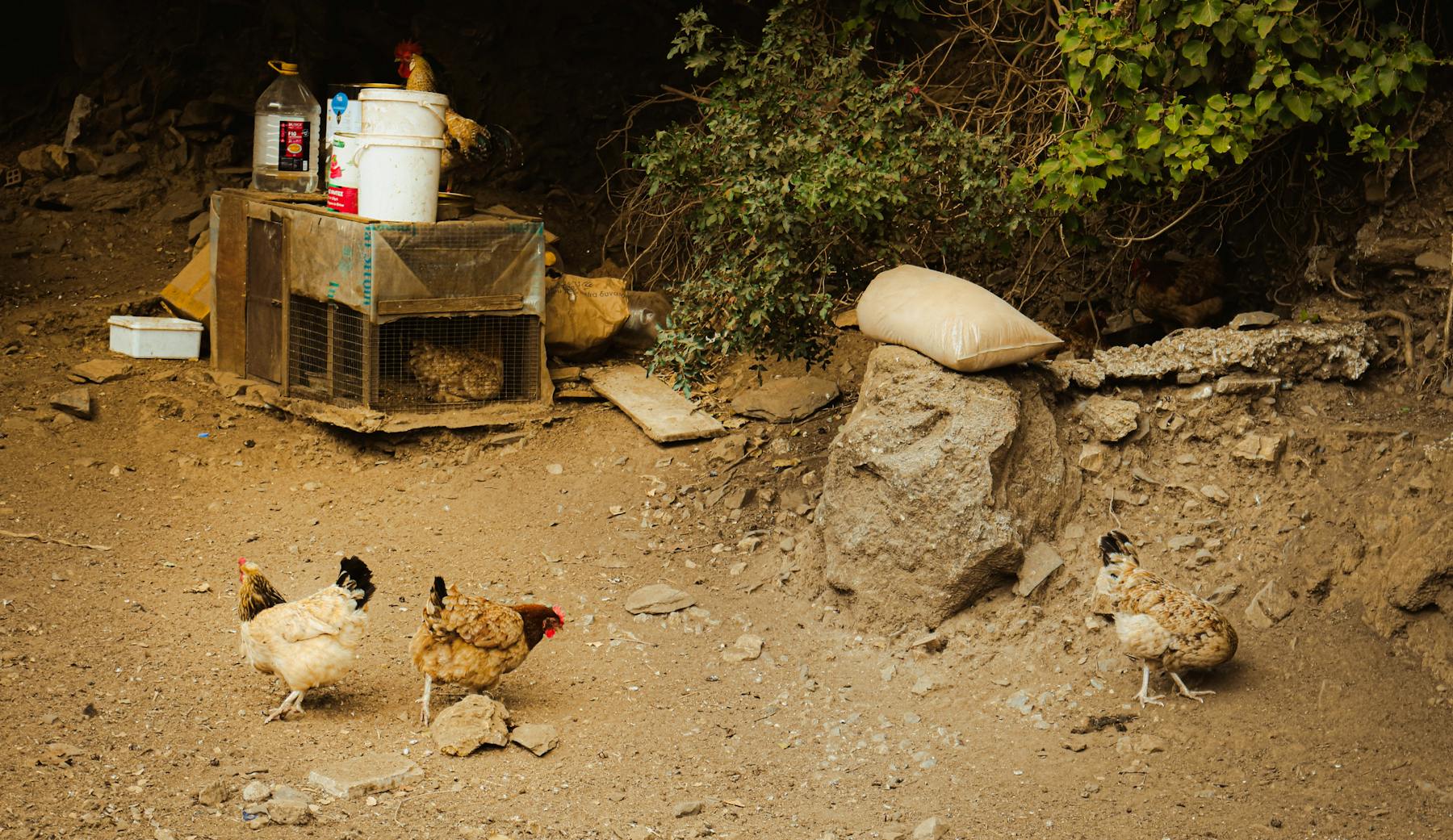
A chicken tractor can be a useful system, but only if it matches your daily capacity. If moving it feels awkward, if watering is annoying, or if weather changes expose weak spots, the setup stops being elegant very quickly.
That is why the best beginner tractor design is usually the one that feels a little plain. Plain is fine if it moves well, keeps birds safe, and does not punish you every time it needs attention.
Three things that matter more than the design photos
What a beginner build should optimize for
A lot of tractor content treats the build as the interesting part and the daily use as an afterthought. That is backwards. The build matters only because it creates a daily system. If the daily system is clumsy, the design has failed no matter how good it looked in the build photos.
Common beginner chicken tractor mistakes
Recommendations
A few build tools that are easier to defend than a complicated design
Worth buying if needed
Cordless impact driver
Worth considering if it keeps the build from turning into a stripped-screw marathon.
Check current priceBuy first
Work gloves
A cheap comfort upgrade that usually pays for itself immediately.
Check current priceIf your skills are limited, respect that openly and build around it. There is no shame in choosing a simpler frame, asking for help on one harder step, or buying time with easier hardware. The point is to end up with a workable tractor, not a story about your pride.
Frequently asked questions
Can a beginner build a chicken tractor without strong carpentry skills?
Yes, if the design stays simple and you prioritize movement, weather protection, and access over trying to build the prettiest version on the internet.
What matters most in a first chicken tractor build?
Weight, durability in weather, easy access for feeding and cleaning, and whether one person can move it without dread.
Recommendations
Useful tools and resources for this decision
These are included only where they reduce repeated friction, clarify a next step, or help you avoid buying the wrong thing first.
Worth buying if you build
Impact driver
One of the few tool purchases that can make a beginner build meaningfully less frustrating.
Check current priceBeginner-friendly
Work gloves
Not glamorous, but they help you keep going once the build stops being fun.
Check current priceBuy first
Measuring tape and speed square
Simple layout tools do more for a beginner build than extra ambition does.
View resourceRecommended next reads
Read next if it helps the decision
Move into the next guide only if it clarifies the next practical step.
Chickens
Best Chicken Feeder for Beginners
The best chicken feeder for beginners is usually the one that stays boring: low mess, enough capacity, weather-tolerant, and easy to refill without becoming another daily irritation.

Chickens
Brooder Plate vs Heat Lamp for Beginners
A practical beginner comparison of brooder plates and heat lamps, including safety, chick behavior, setup friction, and which option usually makes more sense first.

Chickens
The Real Cost of Getting Started With Backyard Chickens
Backyard chickens can be a strong first step into homesteading, but the startup costs and recurring work deserve an honest look.
Chicken setup support
Get the chicken setup checklist before you buy more flock gear.
Use the first-year checklist to price the flock honestly, cover the starter essentials, and delay the upgrades that can wait.
Best for: Readers trying to price a first flock honestly and avoid a scattered chicken setup.
- A pre-chick setup checklist
- A recurring-cost planning section
- A simple weekly flock-care rhythm
Chicken setup notes, beginner flock lessons, and the checklist first.
After signup, the download will unlock right here so you can save or print it.
About the author
William Mock
Founder, writer, and beginner homesteader
William writes from the beginner side of rebuilding after a layoff: homestead plans, family systems, budgets, tools, and the decisions that make a home feel less fragile.
Read why this site existsRelated Guides
Keep building context
Chickens
Best Chicken Feeder for Beginners
The best chicken feeder for beginners is usually the one that stays boring: low mess, enough capacity, weather-tolerant, and easy to refill without becoming another daily irritation.
Chickens
Brooder Plate vs Heat Lamp for Beginners
A practical beginner comparison of brooder plates and heat lamps, including safety, chick behavior, setup friction, and which option usually makes more sense first.
Chickens
The Real Cost of Getting Started With Backyard Chickens
Backyard chickens can be a strong first step into homesteading, but the startup costs and recurring work deserve an honest look.