Gardening
How Big Should a Beginner Vegetable Garden Be?
A practical guide to choosing a beginner vegetable garden size your time, watering routine, harvest goals, and actual meals can support.
Fresh Start Homestead
Beginner garden planning, realistic garden size, crop choices, containers, compost, seed starting, and first-season systems that fit ordinary weeks.
Gardening
A practical guide to choosing a beginner vegetable garden size your time, watering routine, harvest goals, and actual meals can support.

Gardening
A practical guide to the seed-starting mistakes that waste money, kill momentum, and make a simple system feel harder than it is.

Gardening
A practical comparison of raised beds and in-ground gardening for beginners who care about budget, effort, and staying consistent.

Gardening
A practical crop-selection guide for first gardens: what to plant first, what to skip for now, and how to choose crops that teach useful skills without overwhelming the week.
Gardening
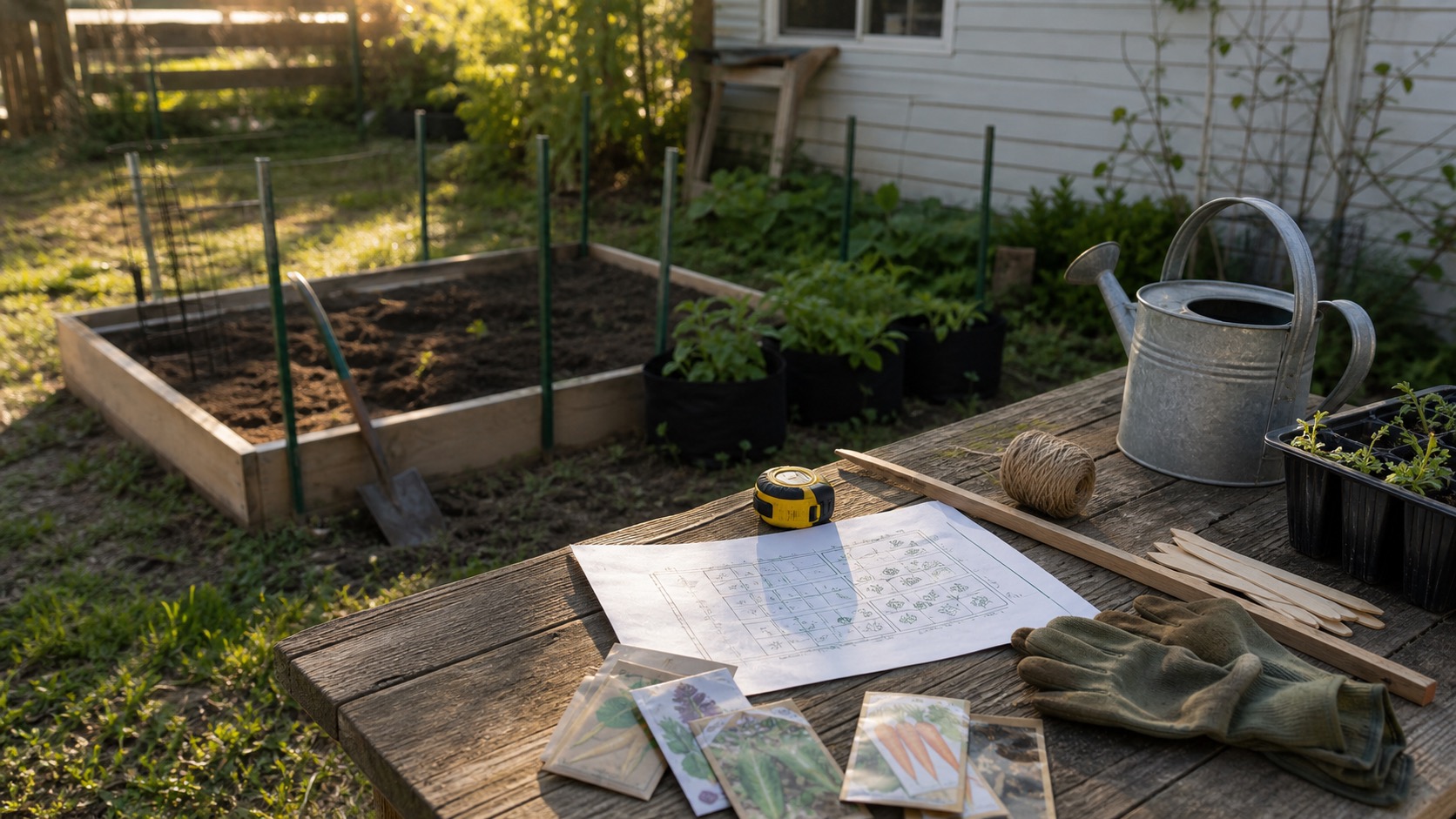
A successful first garden is smaller, clearer, and less romantic than many beginners expect. That is a good thing.
Search intent
The guides are ordered to move from first decision to supporting detail, so beginners can avoid reading sideways before the main question is clear.
Start with How Big Should a Beginner Vegetable Garden Be?Best next move
Use the first-step checklist if the garden feels meaningful but the whole picture still feels too big.
Go to Start HereGarden gear support
Use the framework to decide which garden purchases support real weekly work and which ones can wait until the system proves itself.
Best for: Beginners who keep seeing useful things online and need a disciplined way to decide what actually earns a place.
Practical notes from the work in progress. Low-noise and easy to leave.
After signup, the download will unlock right here so you can save or print it.
Start Here In Gardening
Keep the first version small enough to water, weed, harvest, and observe on ordinary weeks. Then use containers, compost, seed starting, and raised-bed choices only where they support that first system.
Authority Path
Keep the first garden small enough to water, weed, observe, and learn from on ordinary weeks.
Recommendations
Foundational tools that keep showing up in daily work before specialty gear ever earns its place.
Beginner-friendly
A comfortable pair you will actually keep near the door and use for quick jobs.
Check current priceWorth the money
A durable carry system for garden harvests, eggs, tools, feed-room trips, and cleanup tasks.
Check current priceUseful first buy
Not glamorous, constantly useful, and easy to repurpose as systems change.
Check current price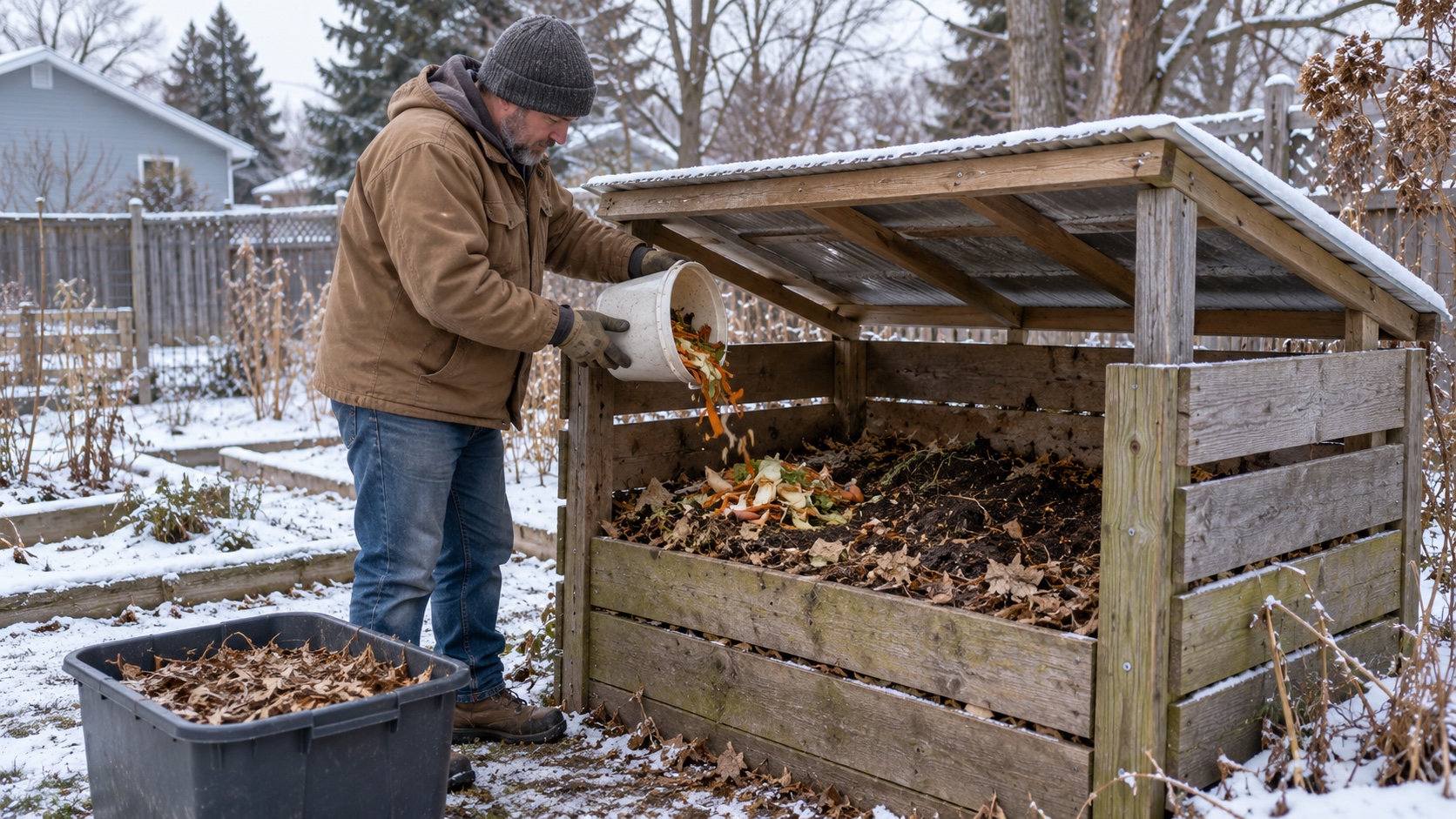
Gardening
You can keep composting through winter, but the right plan depends on access, moisture, stored browns, pests, and whether the pile needs to stay active.
Gardening
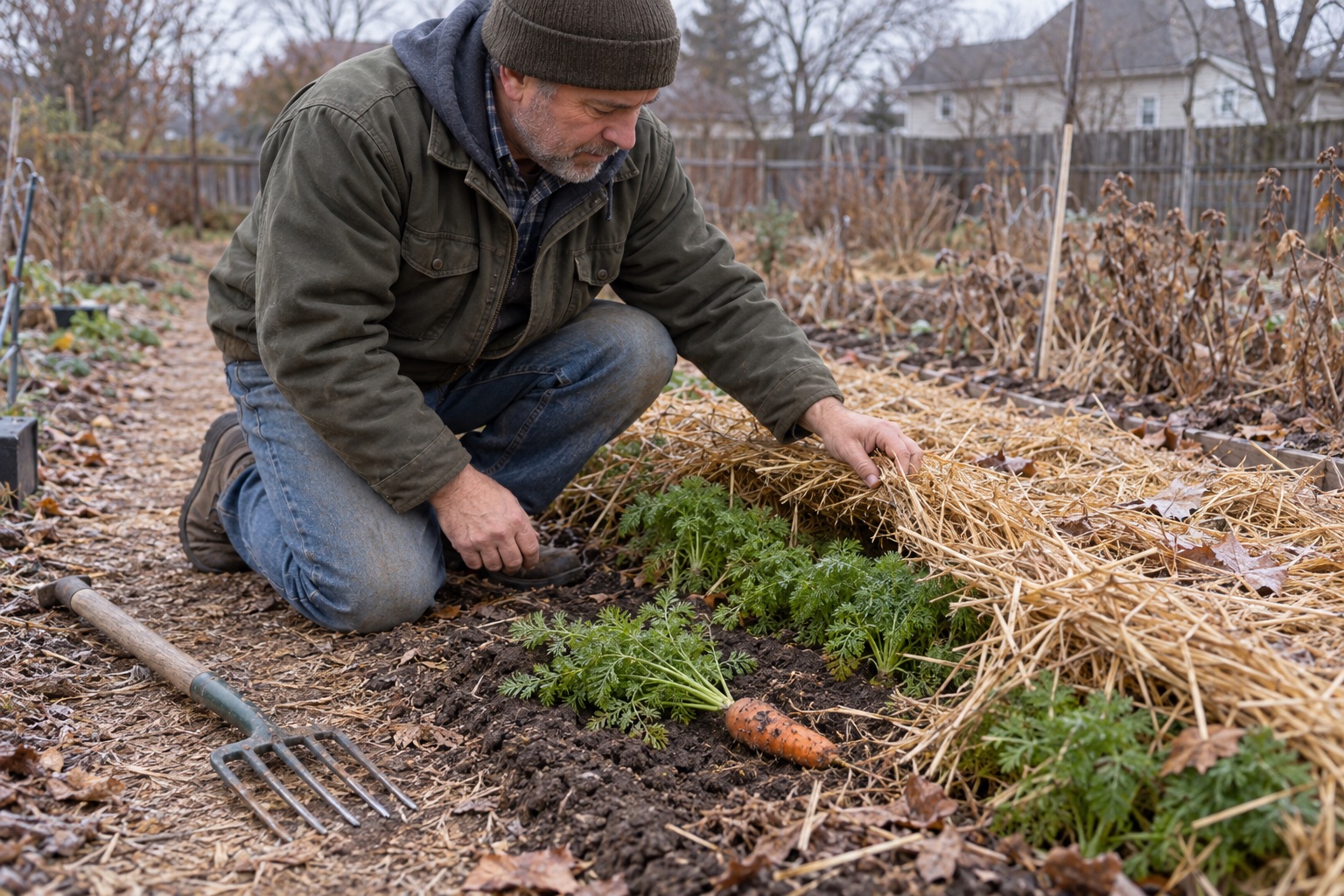
Carrots can stay in well-drained soil after light frost, but winter access, frozen ground, pests, disease, and local climate decide whether they should.
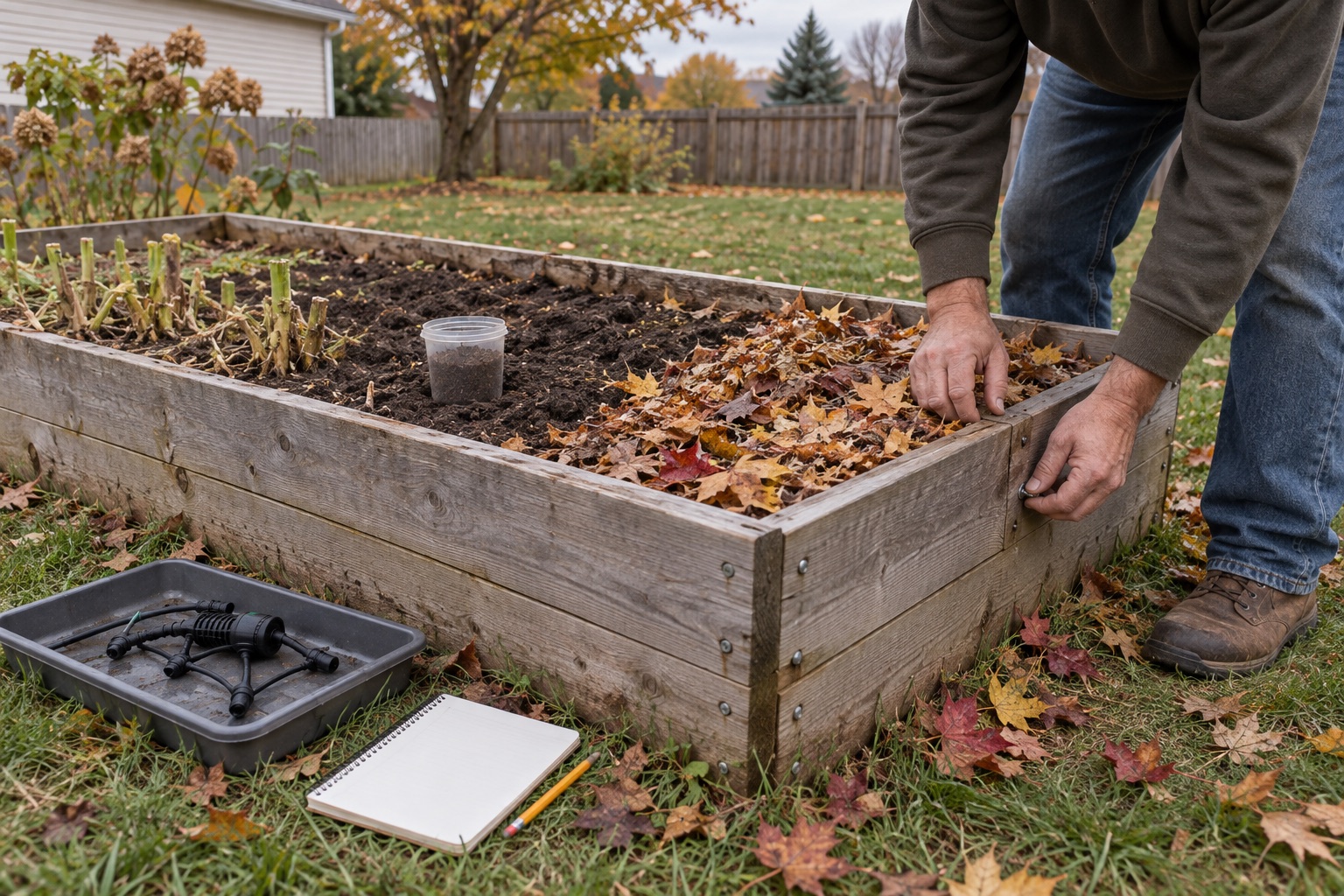
Gardening
Winterize a raised garden bed by sorting plant residue, recording crop problems, protecting the soil, draining irrigation parts, and inspecting the frame before winter.
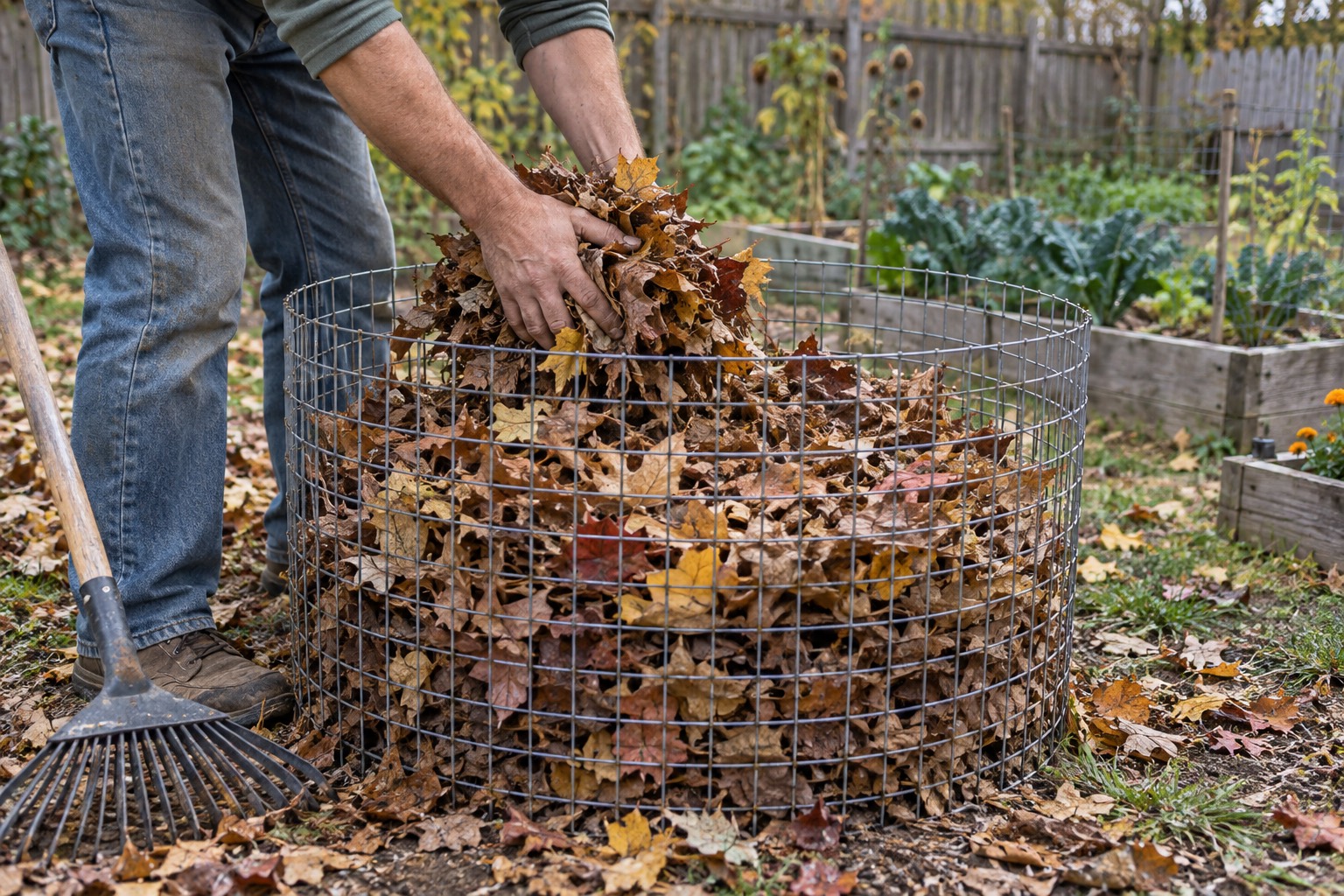
Gardening
Turn clean fall leaves into a useful garden soil amendment with a simple pile, wire bin, or ventilated container and enough patience.
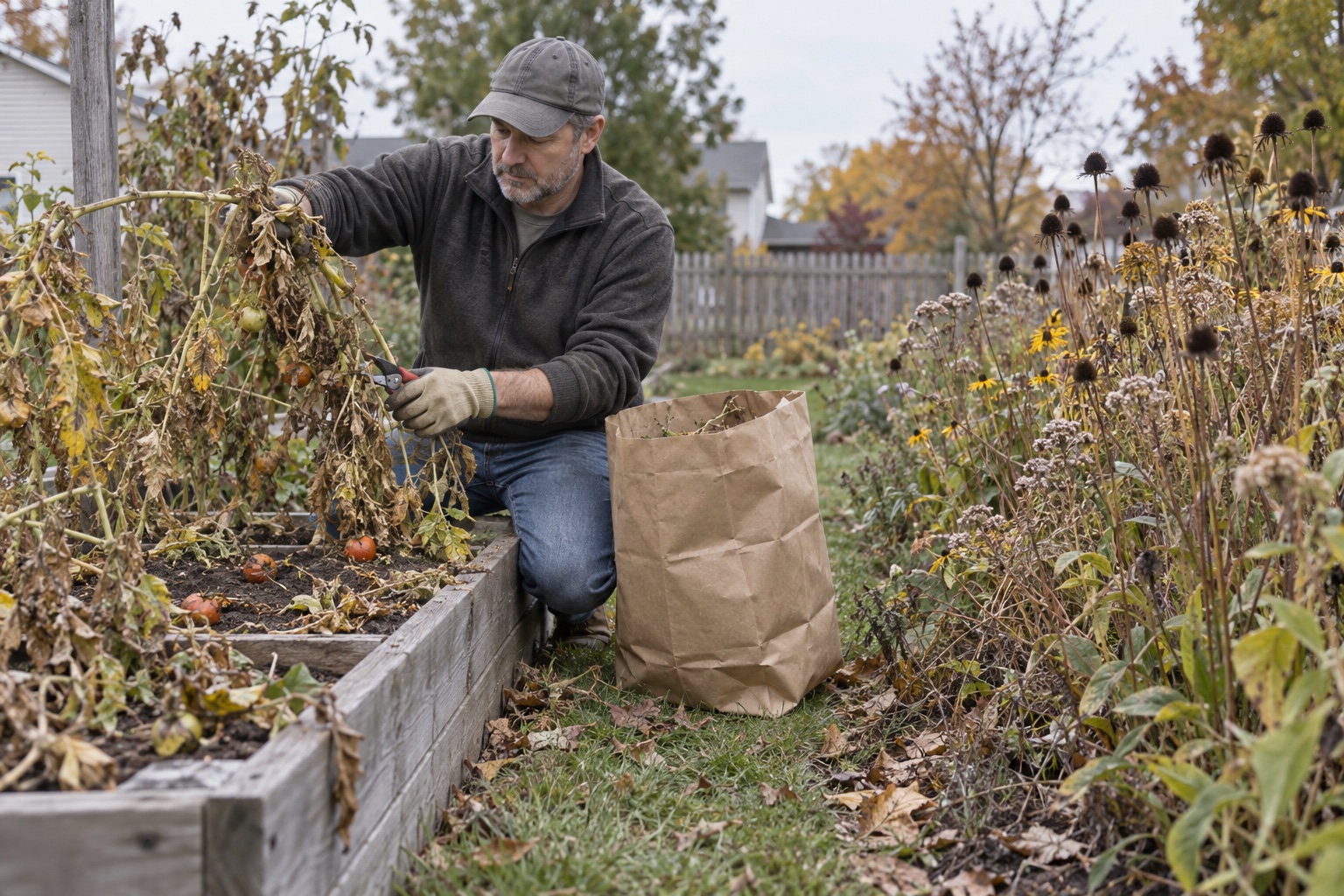
Gardening
Remove spent vegetable plants, diseased debris, fallen fruit, and seed-heavy weeds, but leave healthy perennial stems and some leaf litter where they support winter habitat.
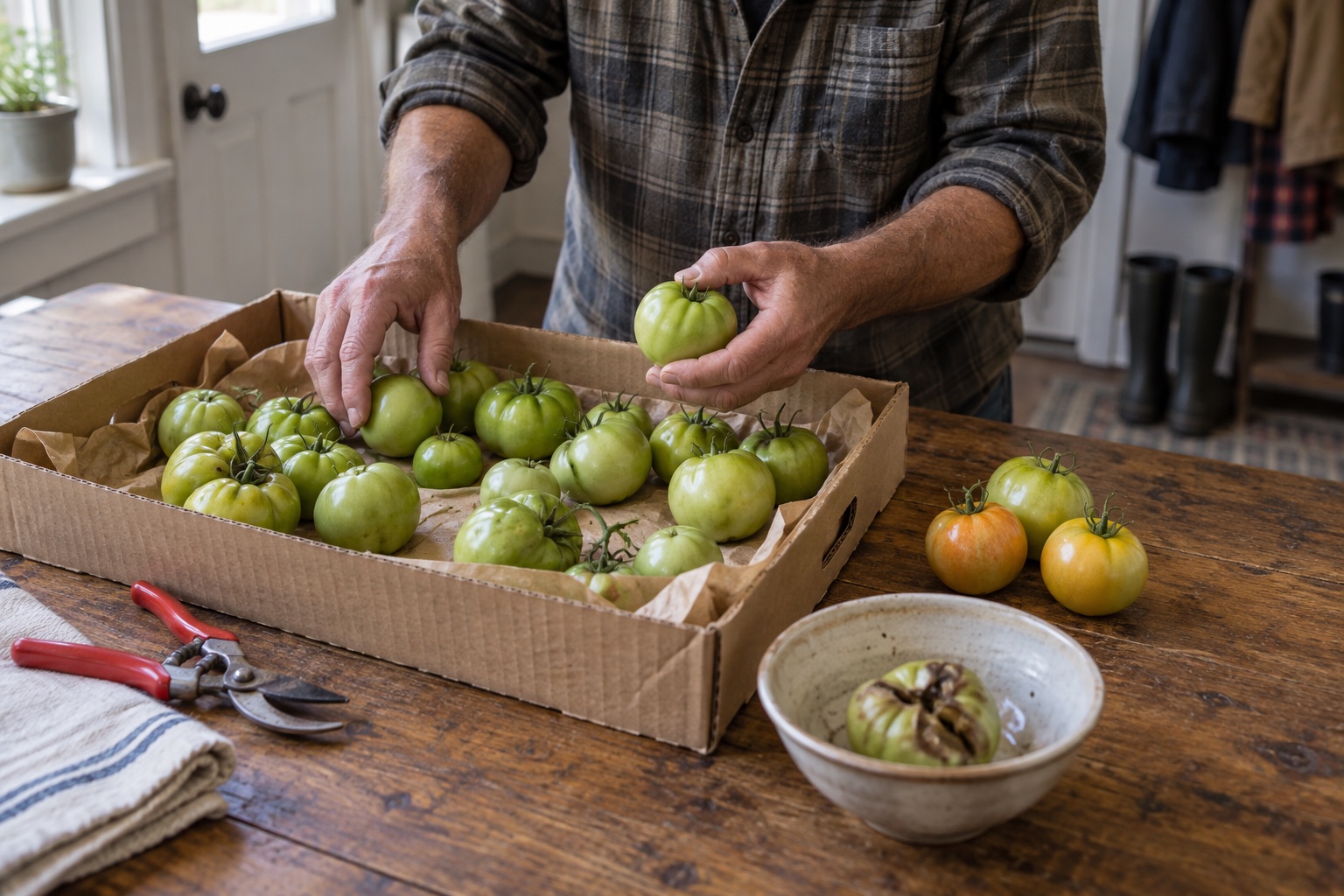
Gardening
Before frost, pick mature-green and turning tomatoes, sort out damaged fruit, and ripen the best candidates indoors in a single layer at room temperature.
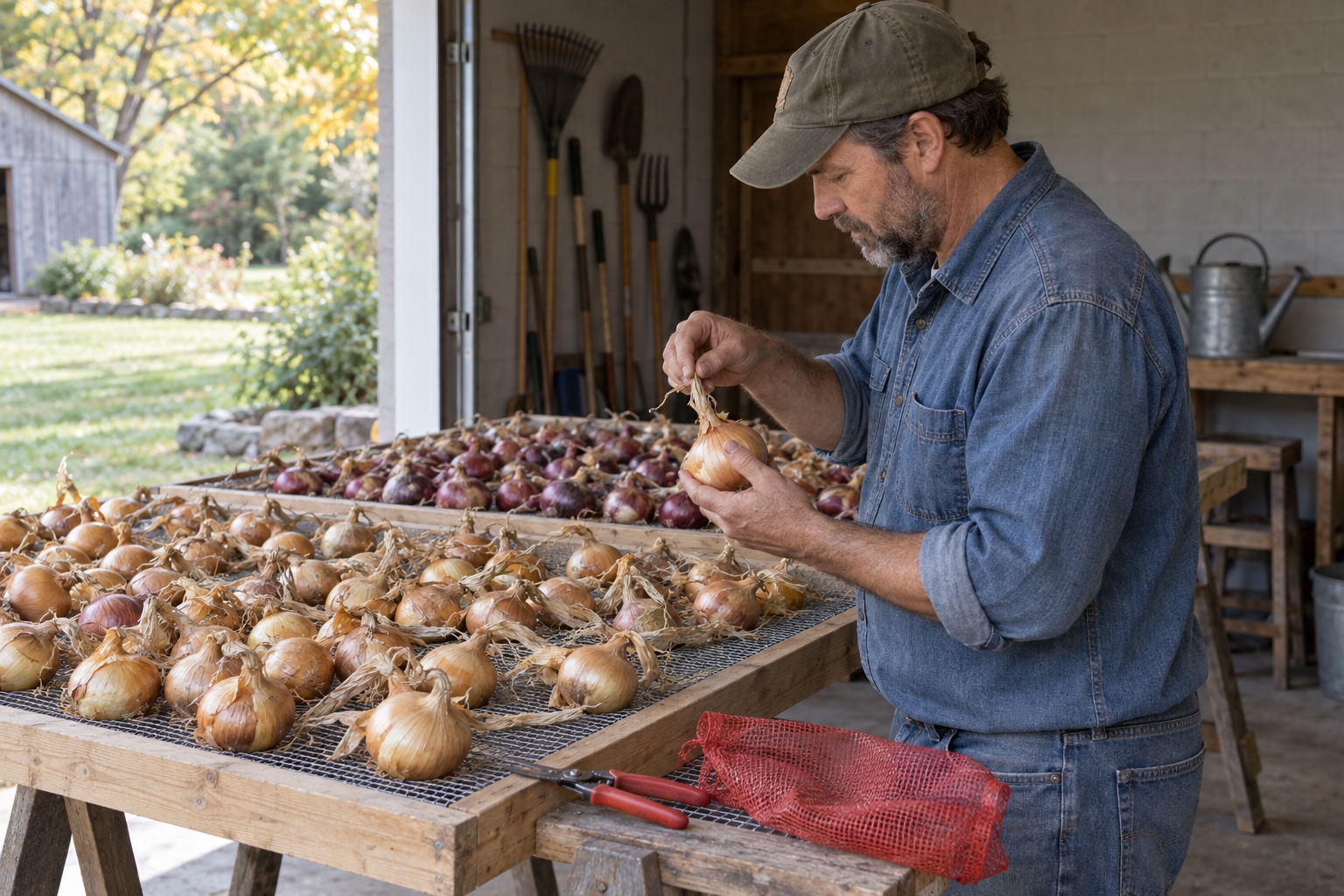
Gardening
Harvest storage onions when the tops fall naturally, cure them until the necks and skins are dry, then keep sound bulbs cold, dry, dark, and ventilated.
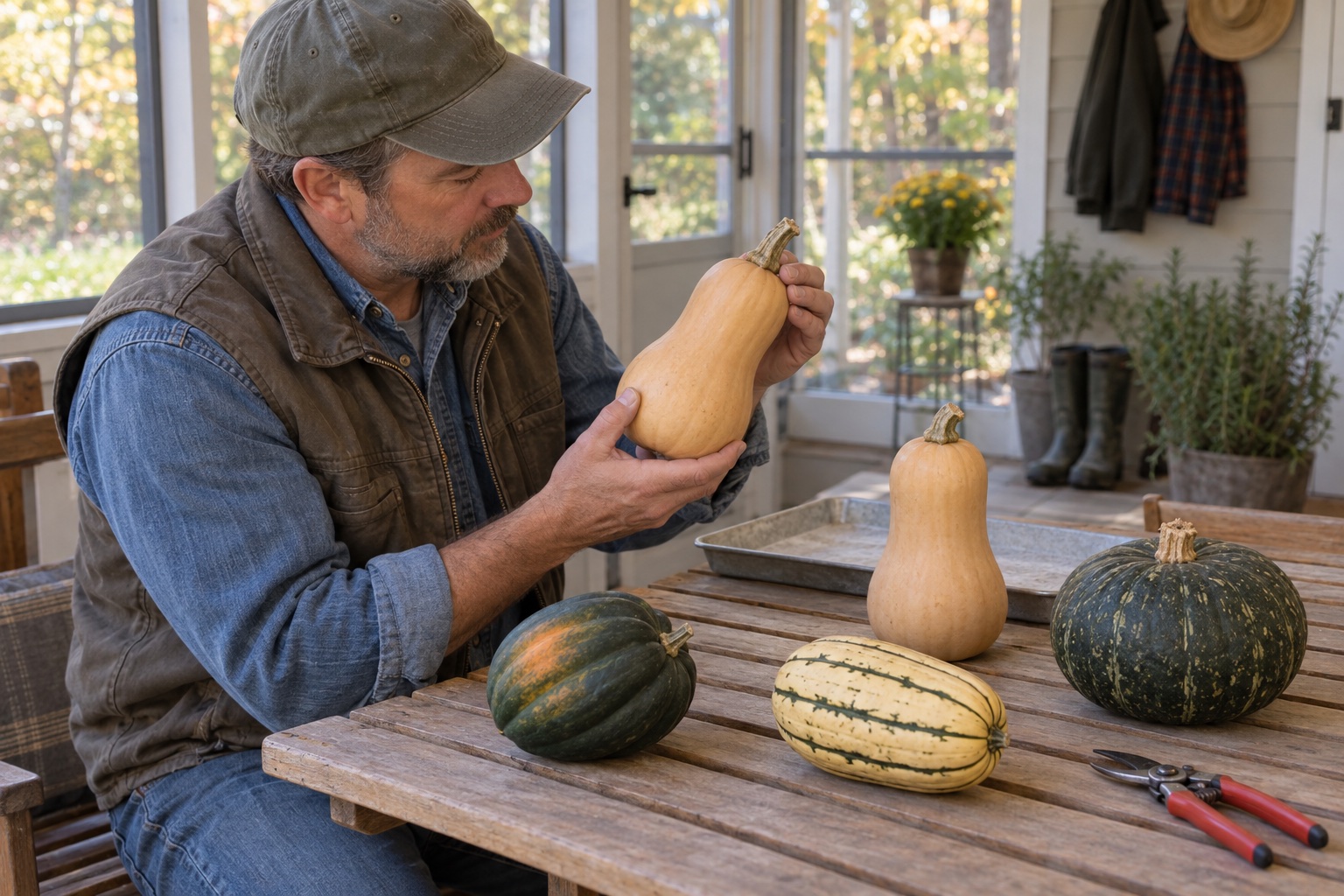
Gardening
Harvest mature winter squash before damaging cold, cure only the varieties that benefit, and store sound fruit around 50 to 55 degrees F with airflow and weekly checks.
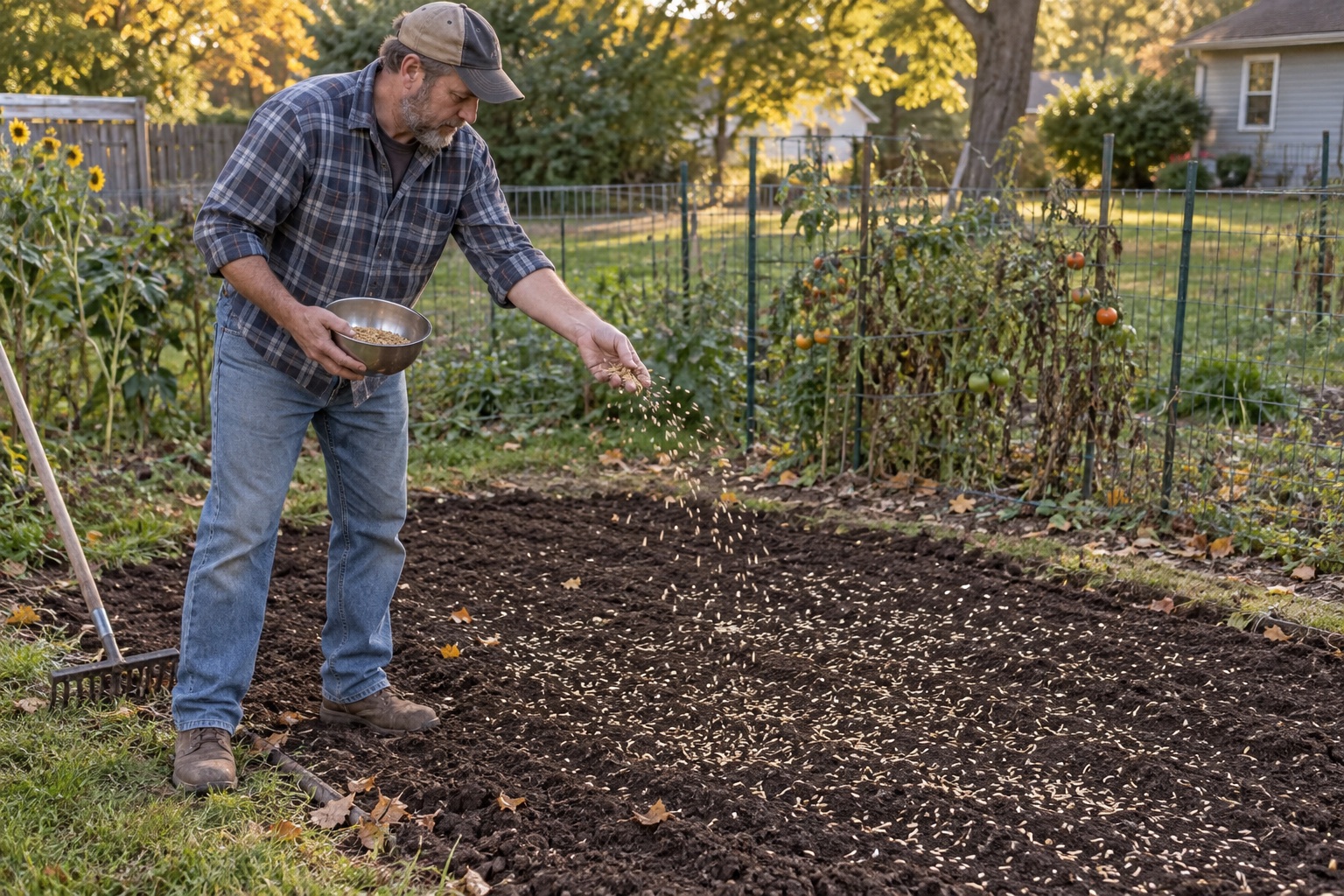
Gardening
Start with one cleared bed, choose a cover crop around your spring planting date, and make the termination plan before you sow. Here is the simplest beginner approach.
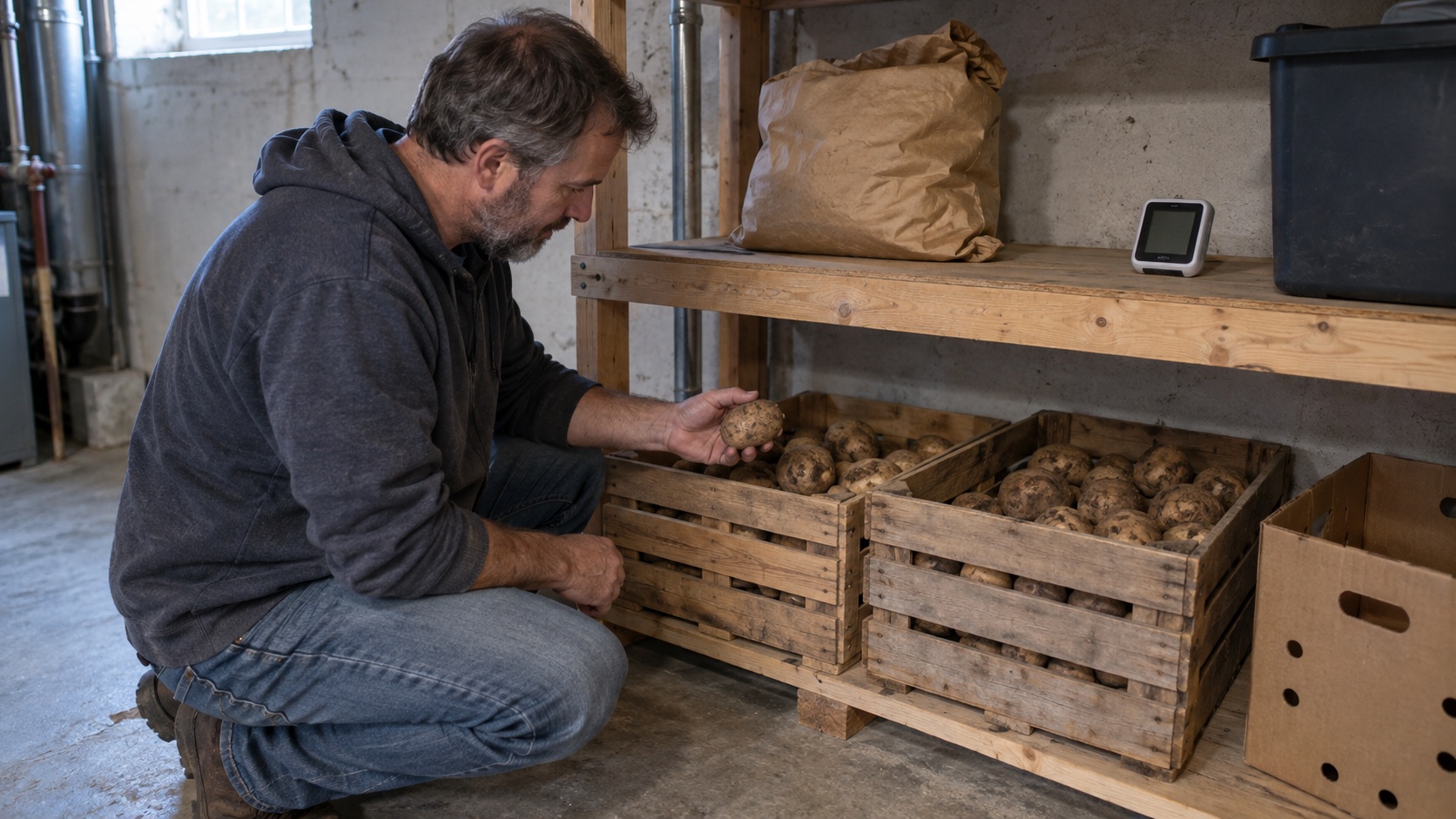
Gardening
Cure mature potatoes unwashed, sort them carefully, and store only sound tubers in the coolest practical dark space with airflow. Here is how to do it without a root cellar.
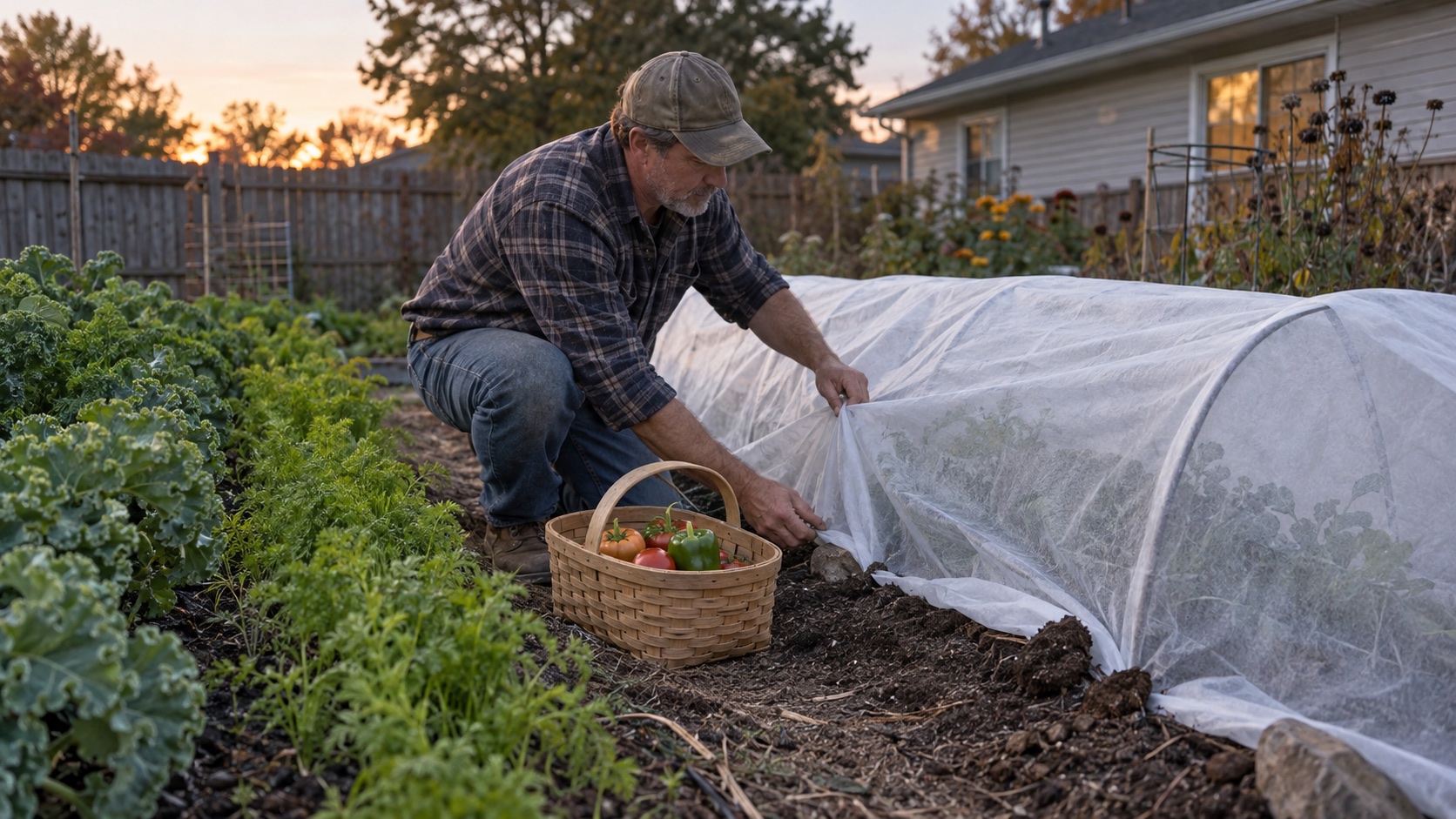
Gardening
Protect a vegetable garden from frost by harvesting tender crops first, covering only what is worth extending, and leaving cold-tolerant crops alone when conditions allow.
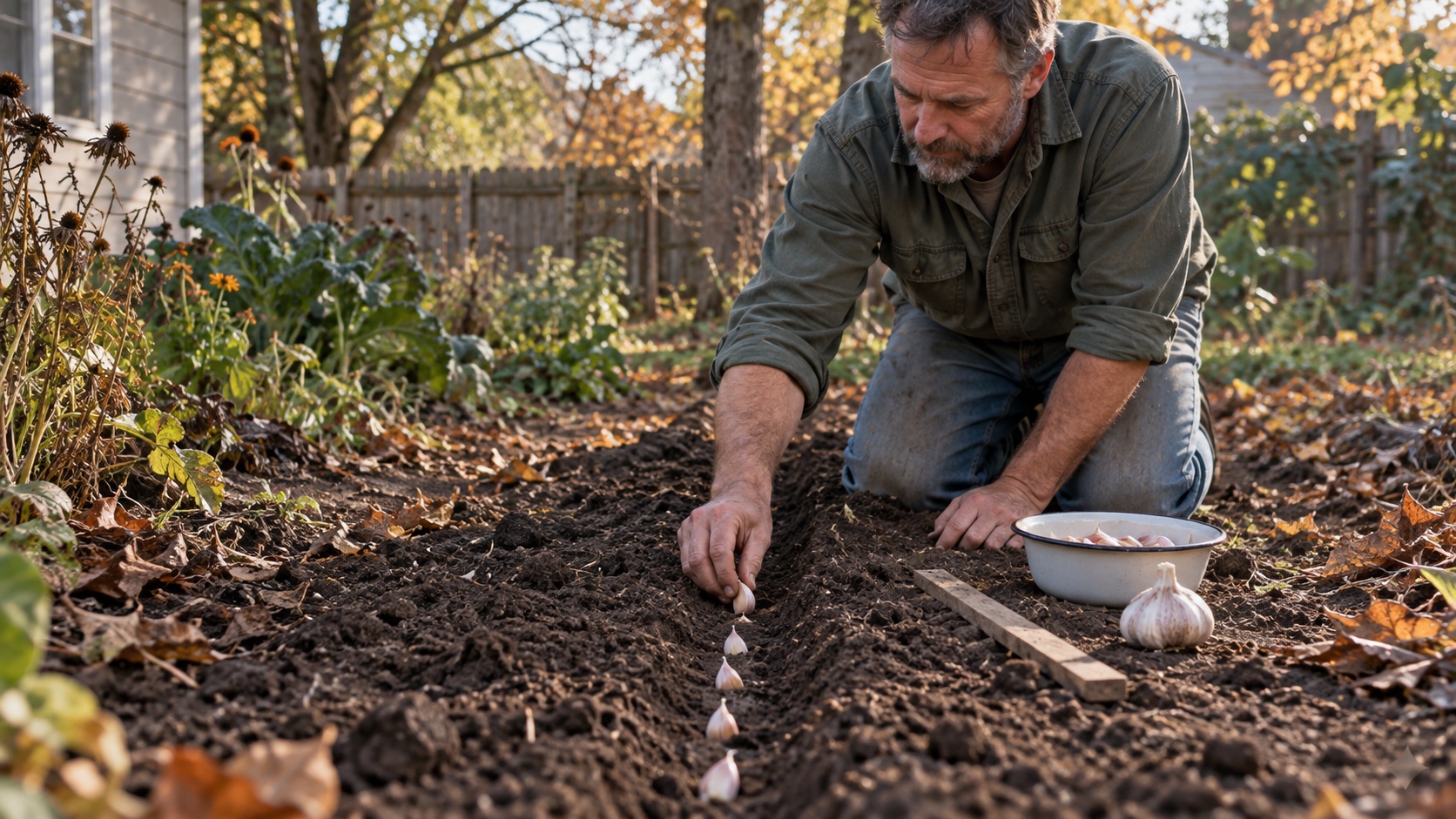
Gardening
Plant garlic late enough to limit top growth but early enough for roots to establish before the ground freezes. Here is how to choose the date, cloves, bed, spacing, and mulch.
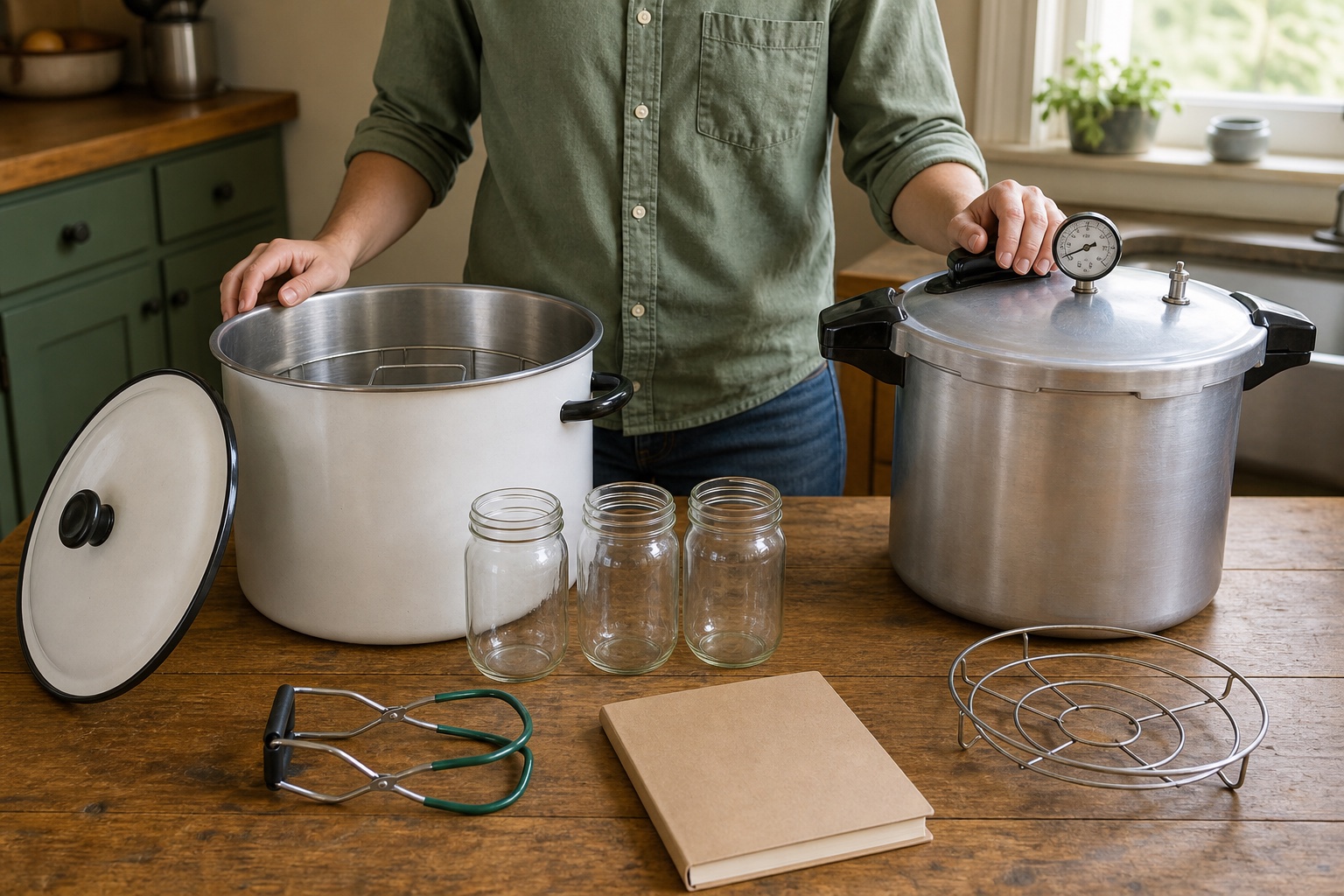
Gardening
Choose a water bath canner or pressure canner by the tested recipe, food acidity, range, batch size, and work you actually plan to repeat.
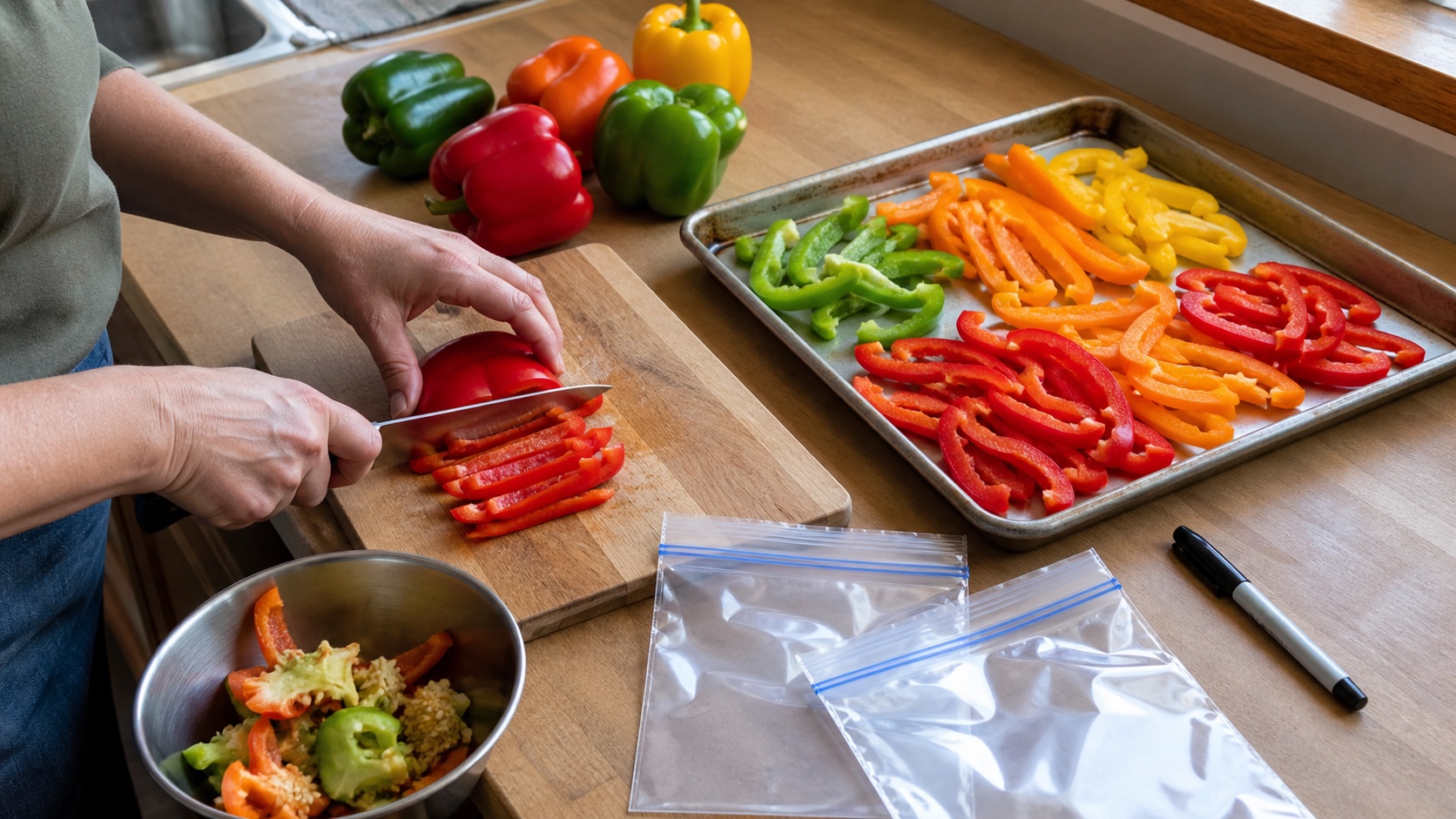
Gardening
Freeze bell peppers raw in useful strips or pieces with research-based preparation, packaging, freezer-temperature, labeling, and texture guidance.
Gardening
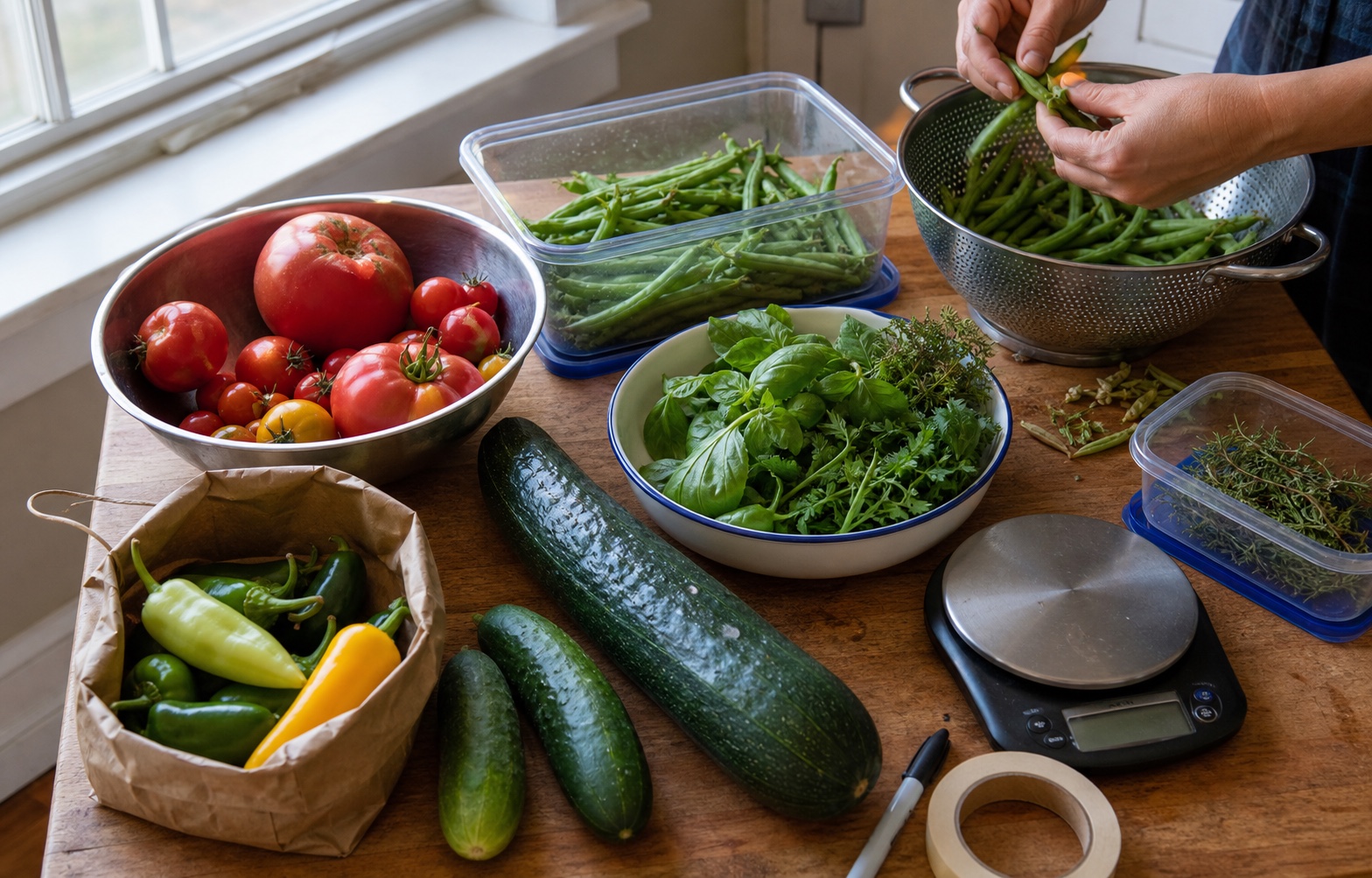
A calm four-lane plan for moving an overflowing garden harvest from the counter into meals, short-term storage, tested preservation, or someone else's kitchen before it becomes waste.
Gardening
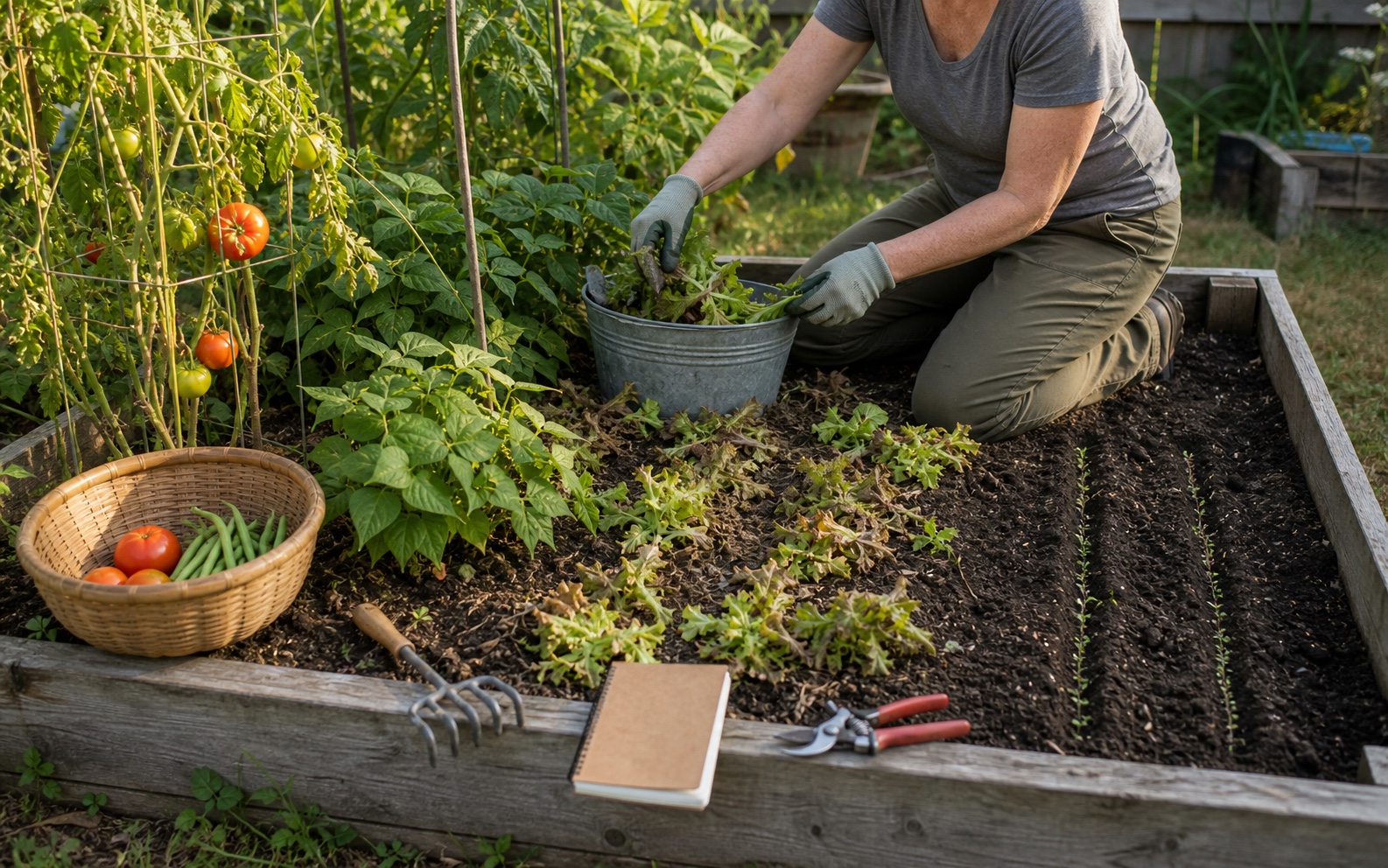
A practical August garden reset for deciding what should keep producing, what is truly finished, and whether one small fall planting still fits your local frost window.
Gardening
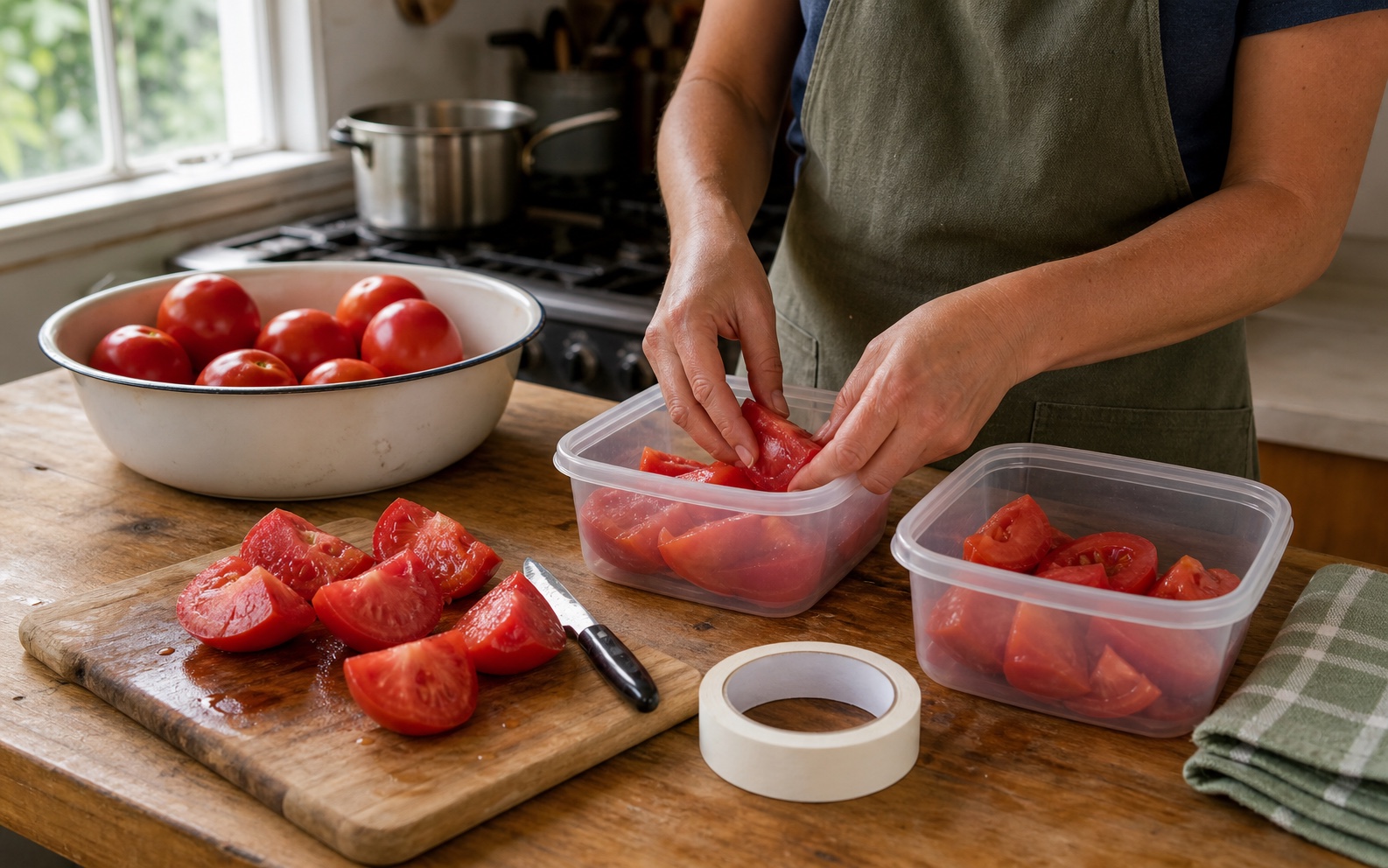
Freeze ripe tomatoes in meal-sized portions for future sauce without pretending they will thaw firm. This beginner method covers peeling, packing, headspace, labeling, thawing, and the difference between freezing and canning.
Gardening
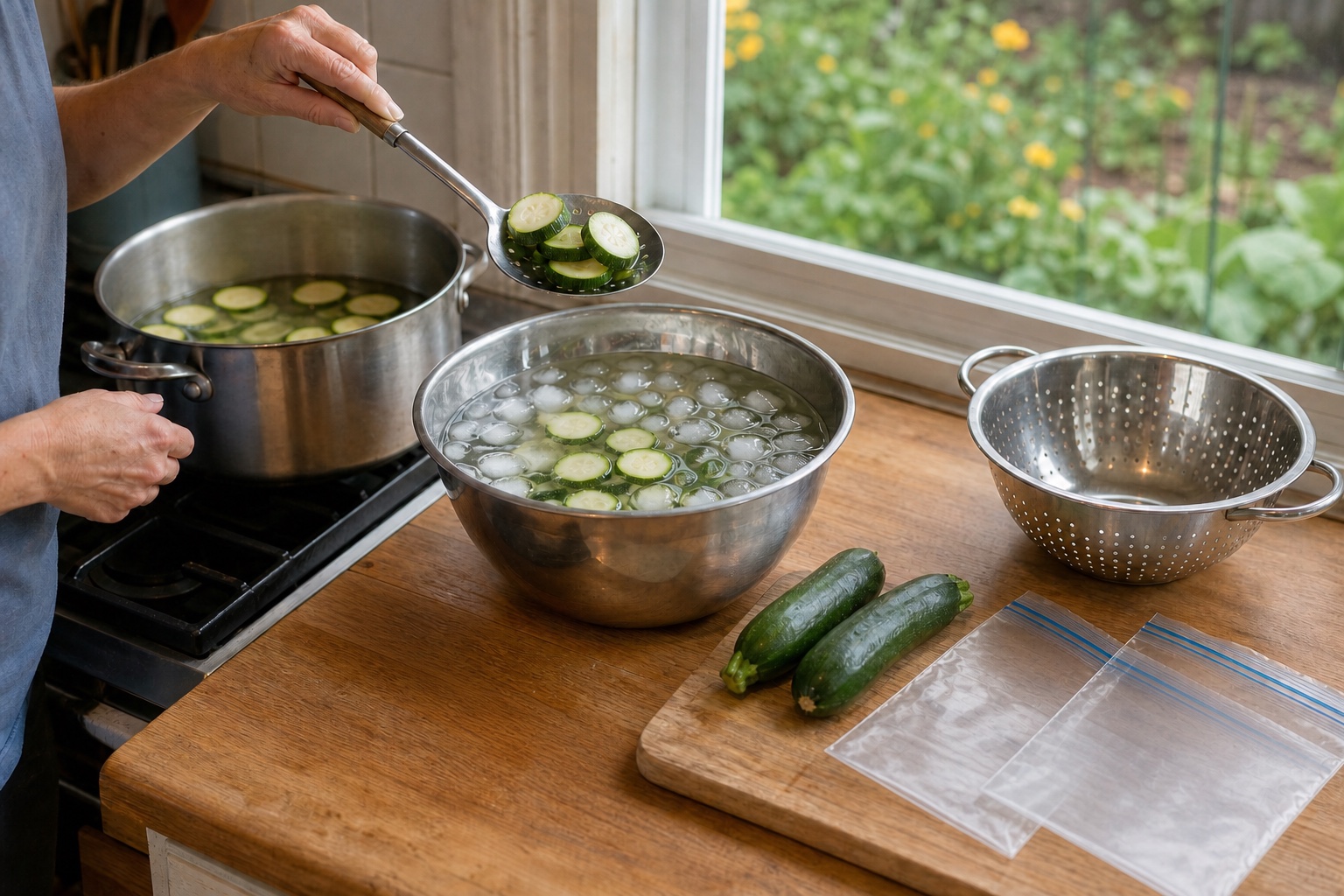
Frozen zucchini will soften, but it does not have to become a forgotten bag of ice and mush. Choose slices or shreds by the meal, blanch correctly, drain well, and freeze useful portions.
Gardening
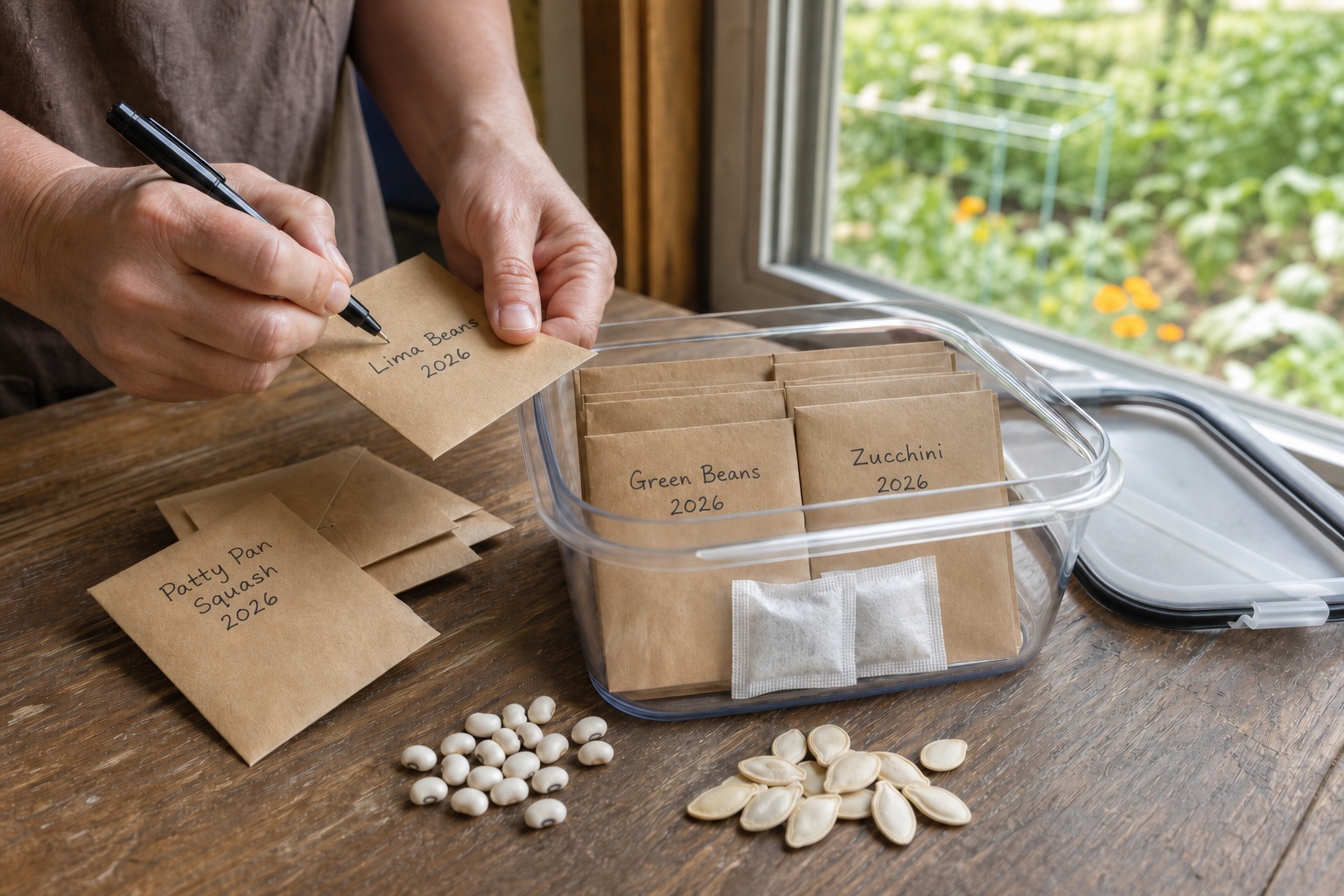
Leftover garden seeds can stay useful for years when they are dry, labeled, sealed, and kept cool. Here is a simple storage system and a germination test for spring.
Gardening
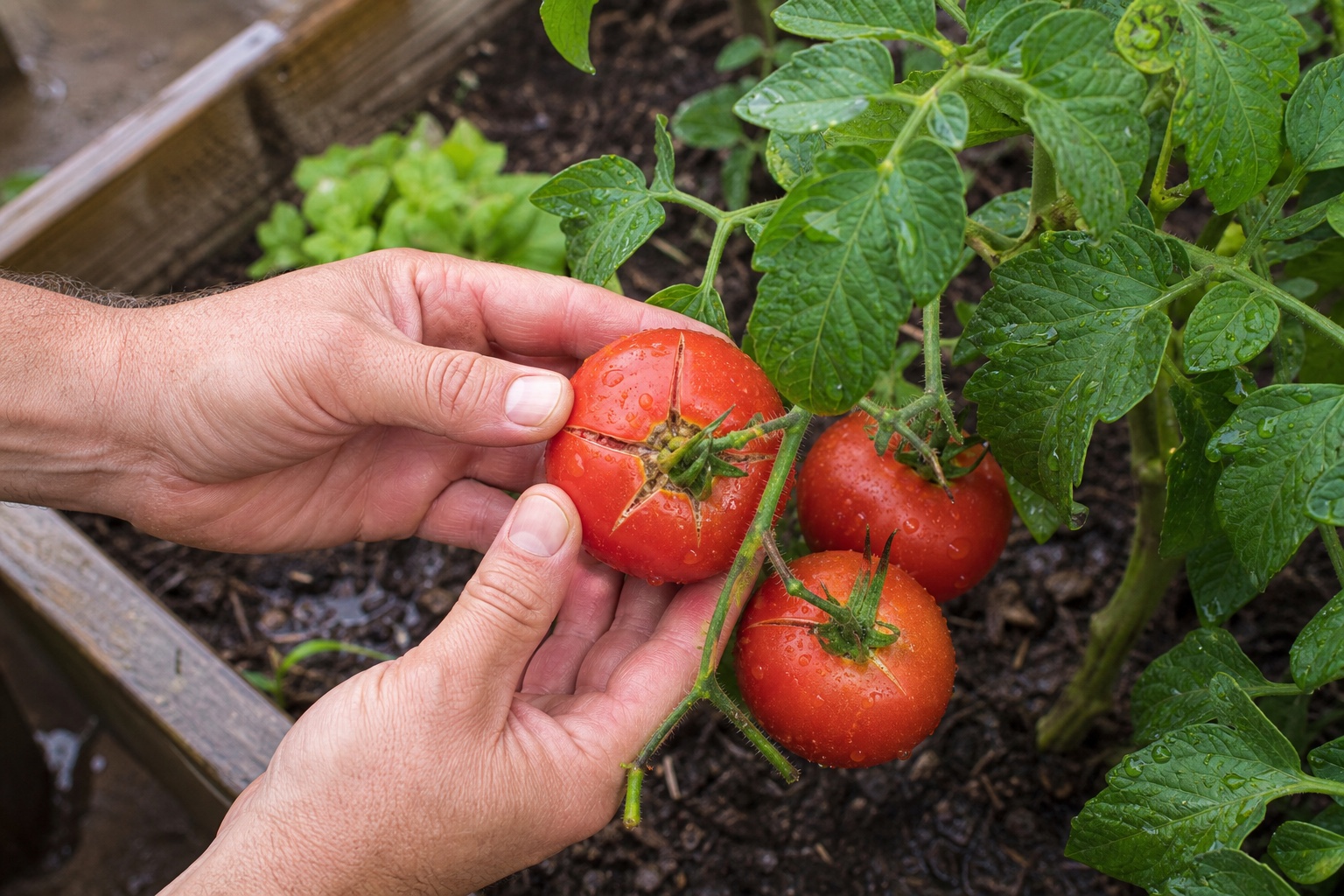
Tomatoes often split when dry soil turns suddenly wet. Here is how to sort the fruit, reduce the next round of cracks, and stop blaming the wrong garden problem.
Gardening
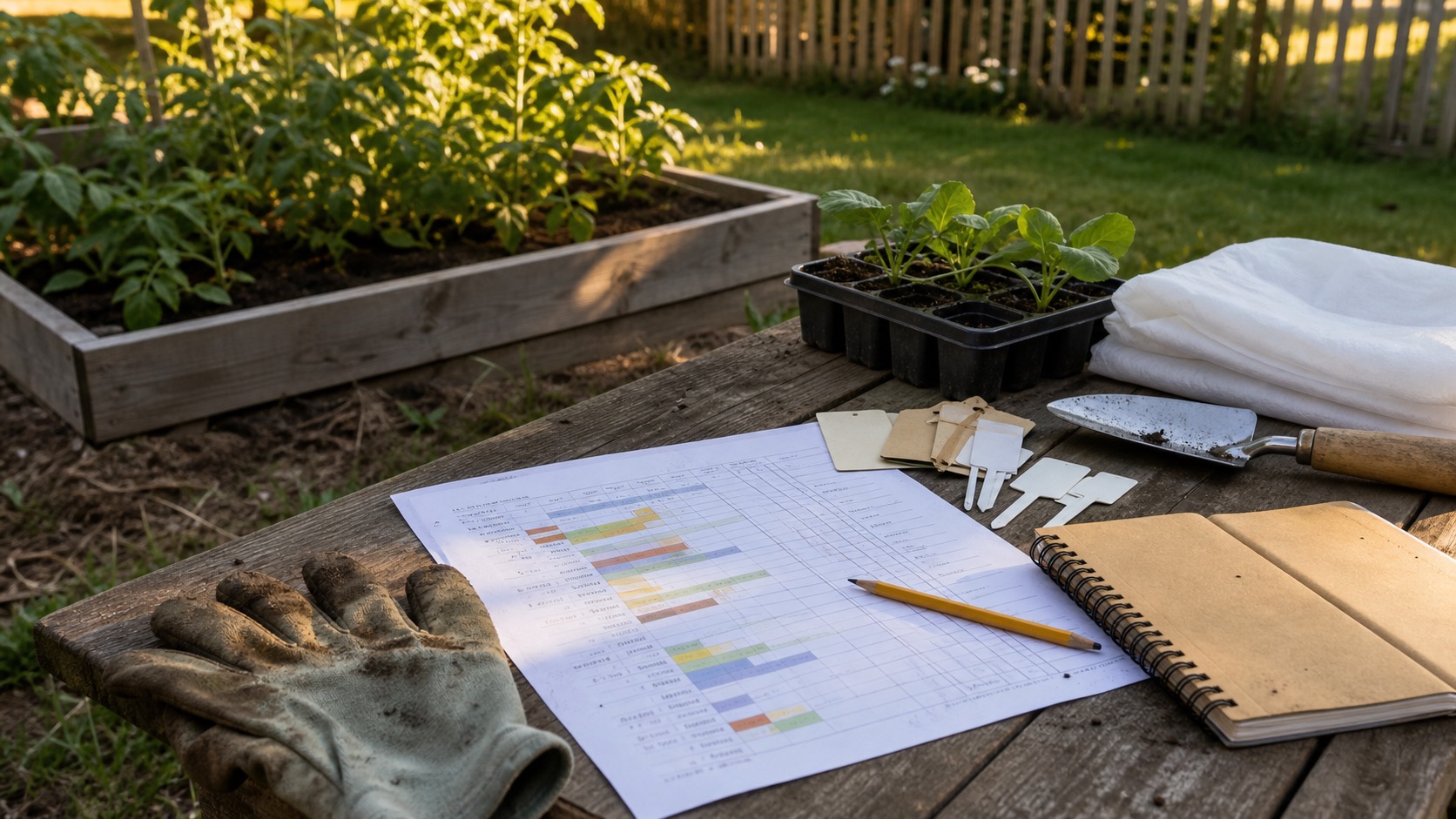
A practical fall garden timing guide for beginners: how to work backward from first frost, choose cool-season crops, and plant a small second season without guessing.
Gardening
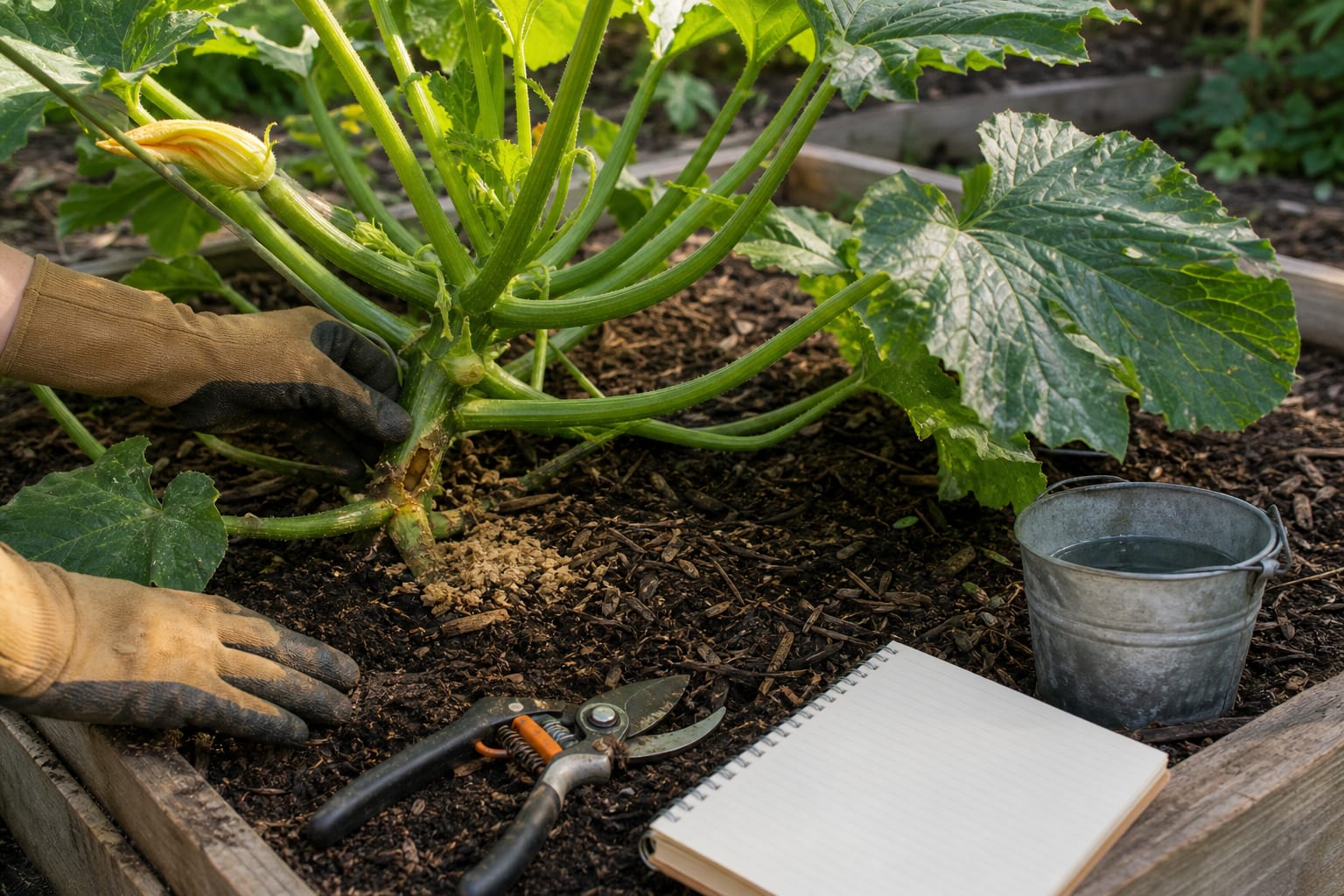
A calm beginner guide to spotting squash vine borer signs, checking wilted zucchini or squash stems, deciding what to do now, and planning prevention next season.
Gardening
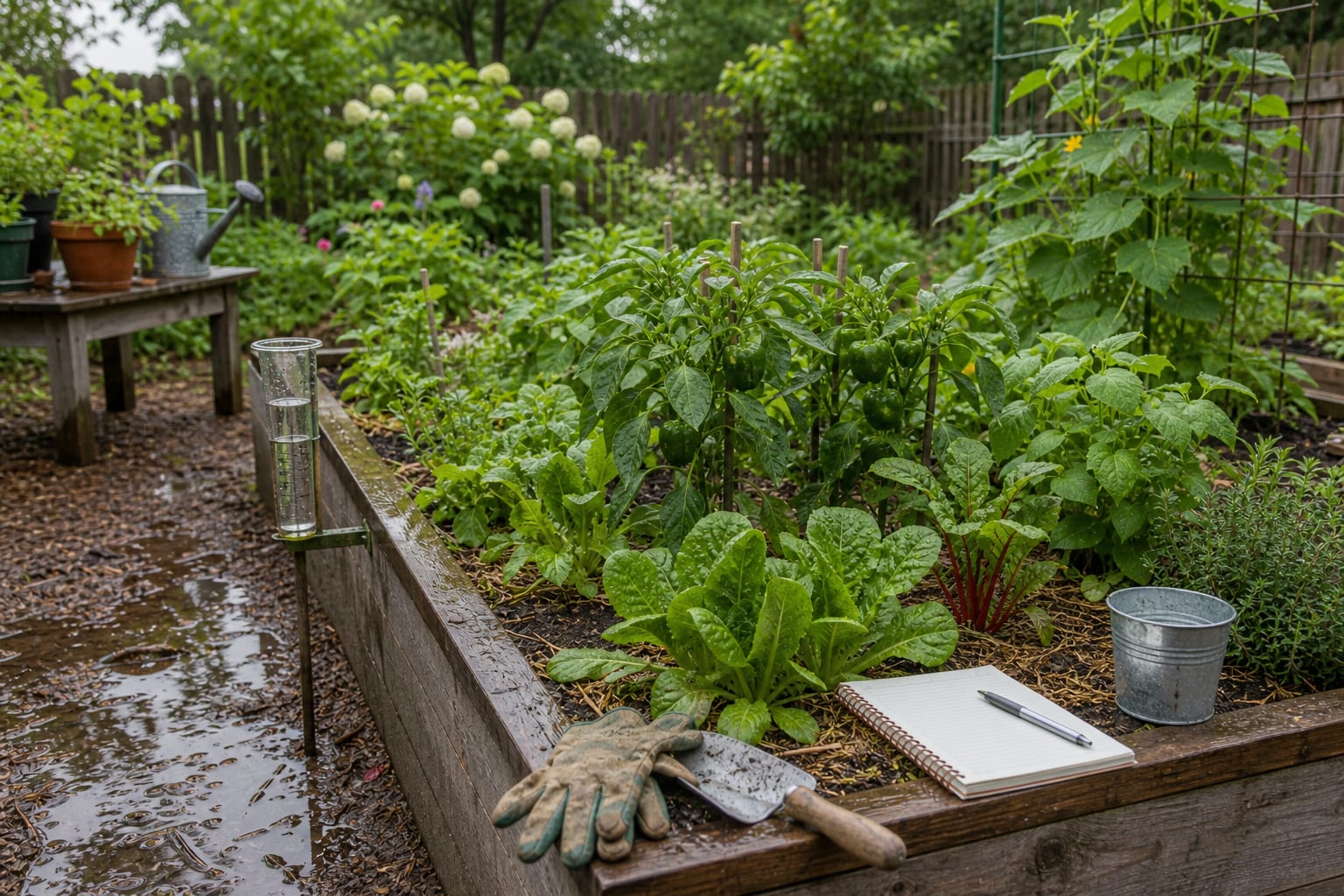
A calm beginner guide for checking a vegetable garden after heavy rain: puddles, washed mulch, soil splash, leaning plants, drainage clues, and what can wait.
Gardening
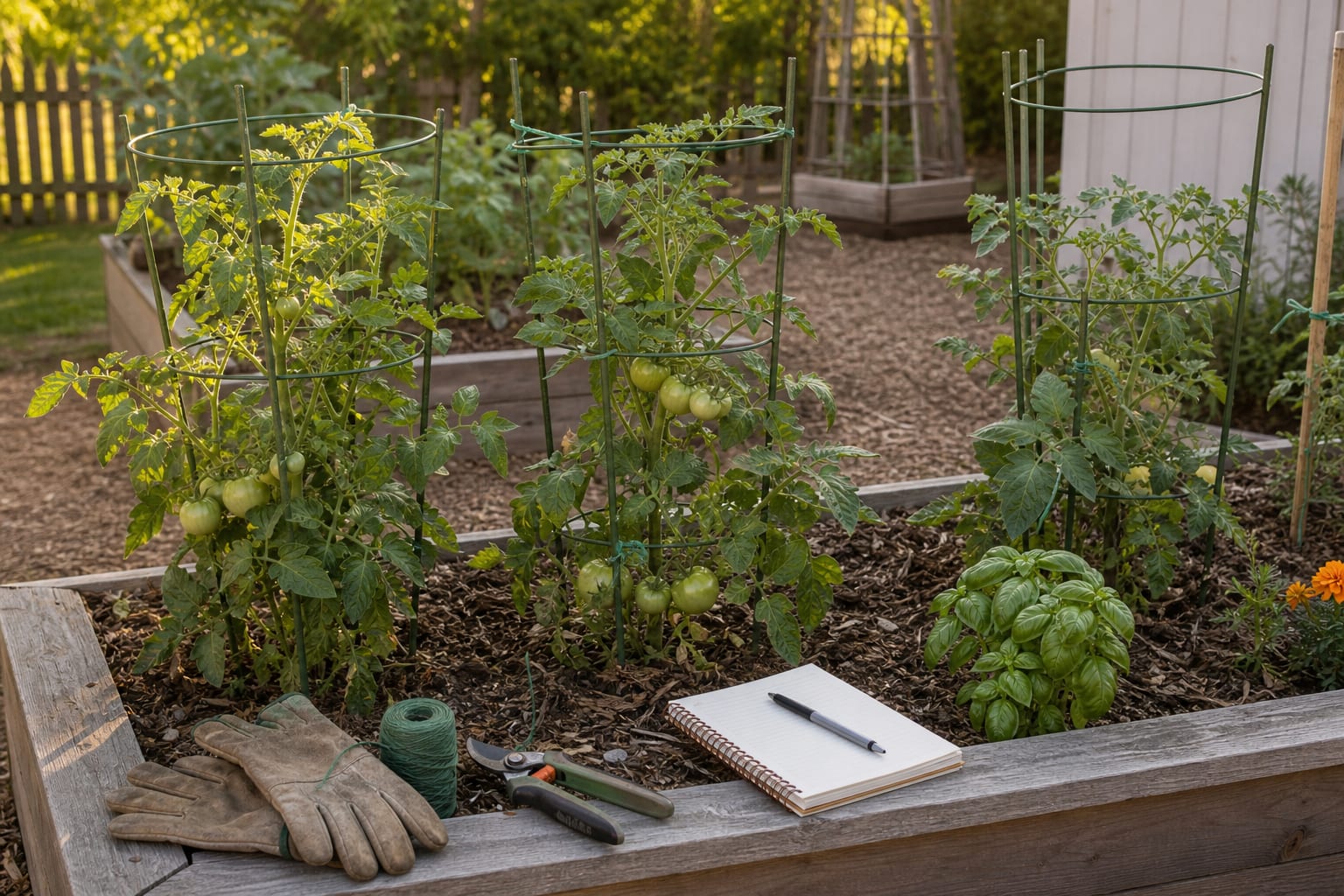
A practical beginner guide to supporting tomato plants with cages, stakes, soft ties, pruning restraint, and a calmer midseason garden routine.
Gardening
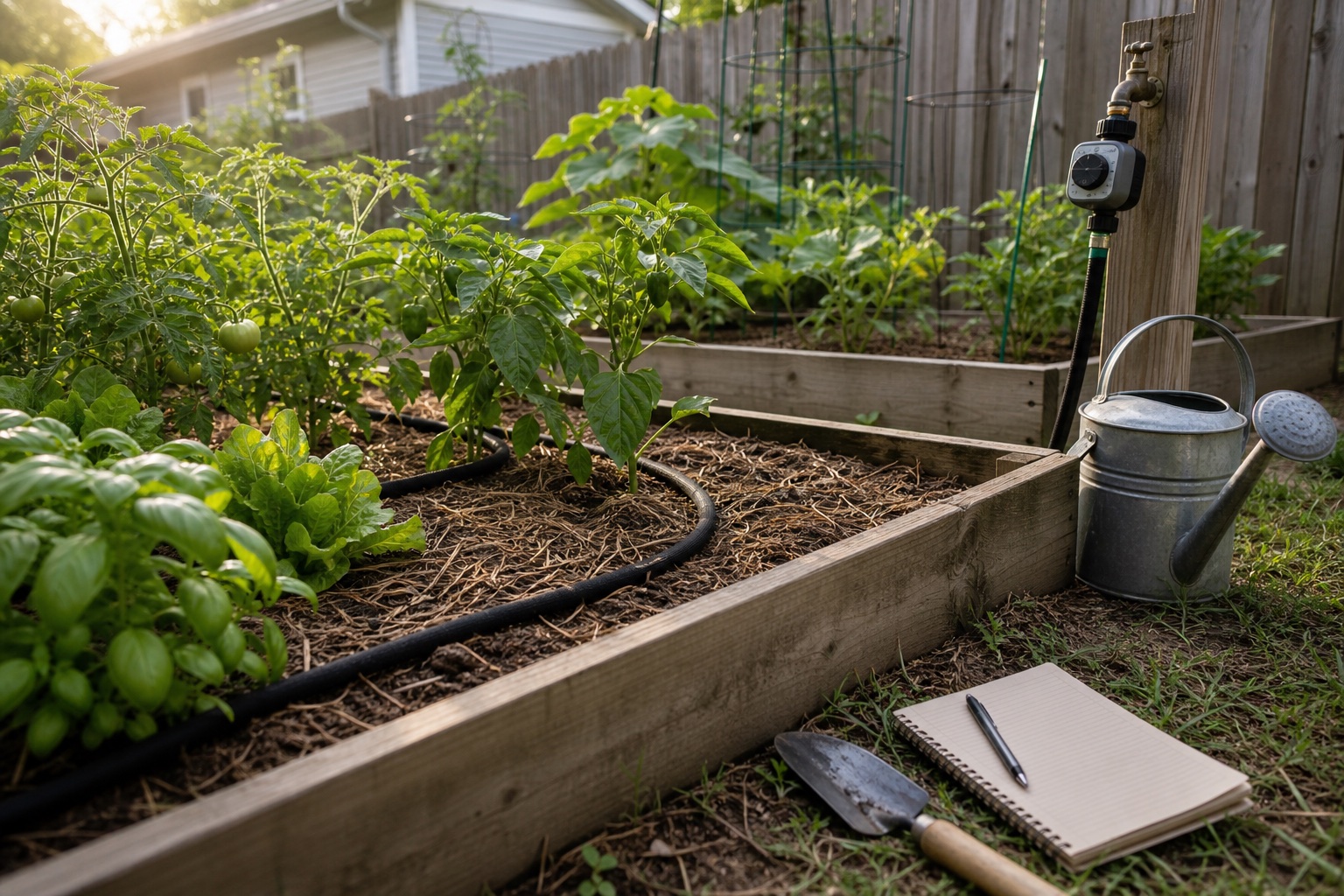
A practical beginner guide to keeping a small vegetable garden watered while you are gone for a weekend without building an overcomplicated irrigation system.
Gardening
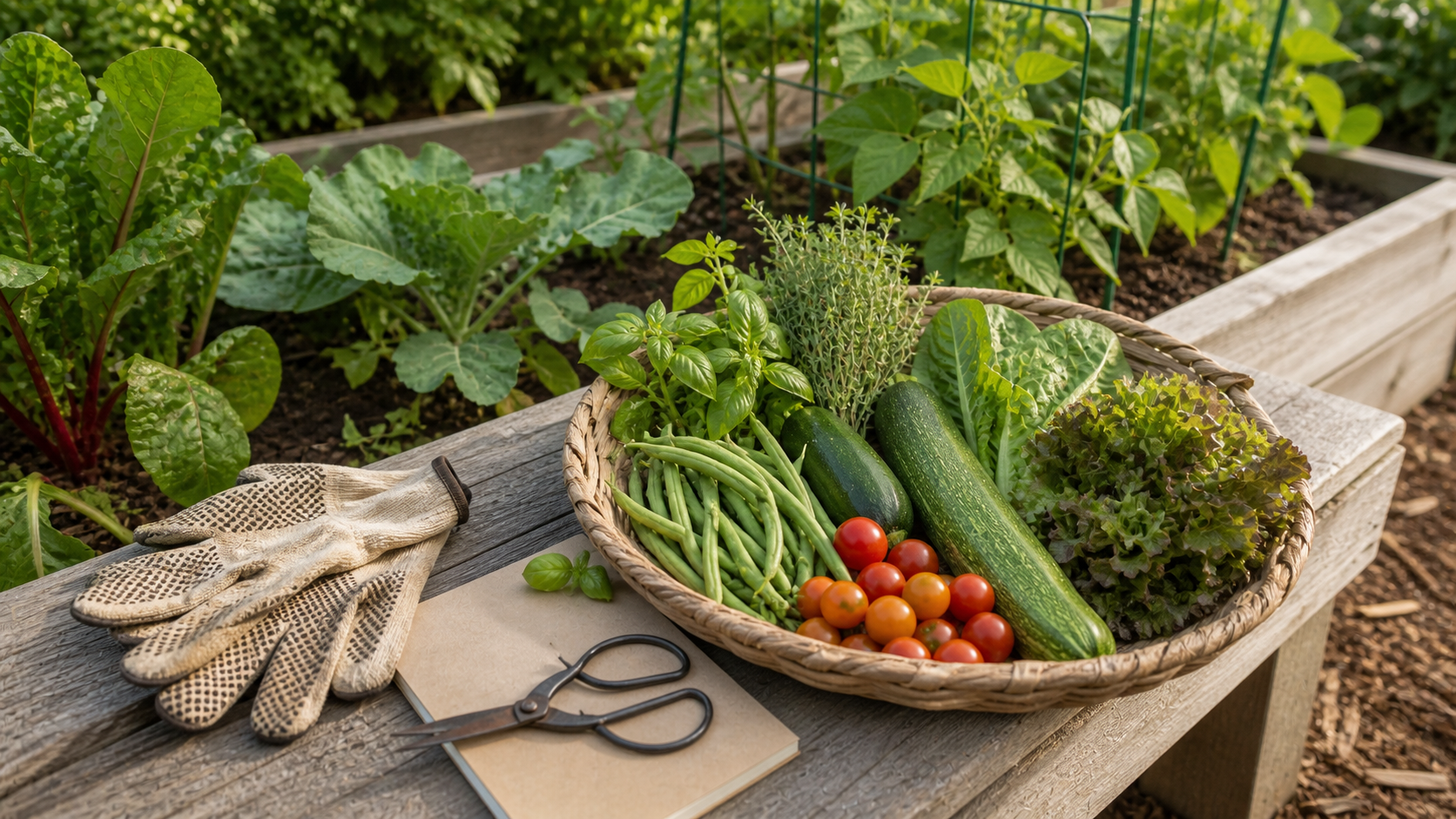
A practical beginner guide to the first garden harvest: what to pick early, what to leave longer, how to avoid waste, and how to build confidence without overthinking it.
Gardening
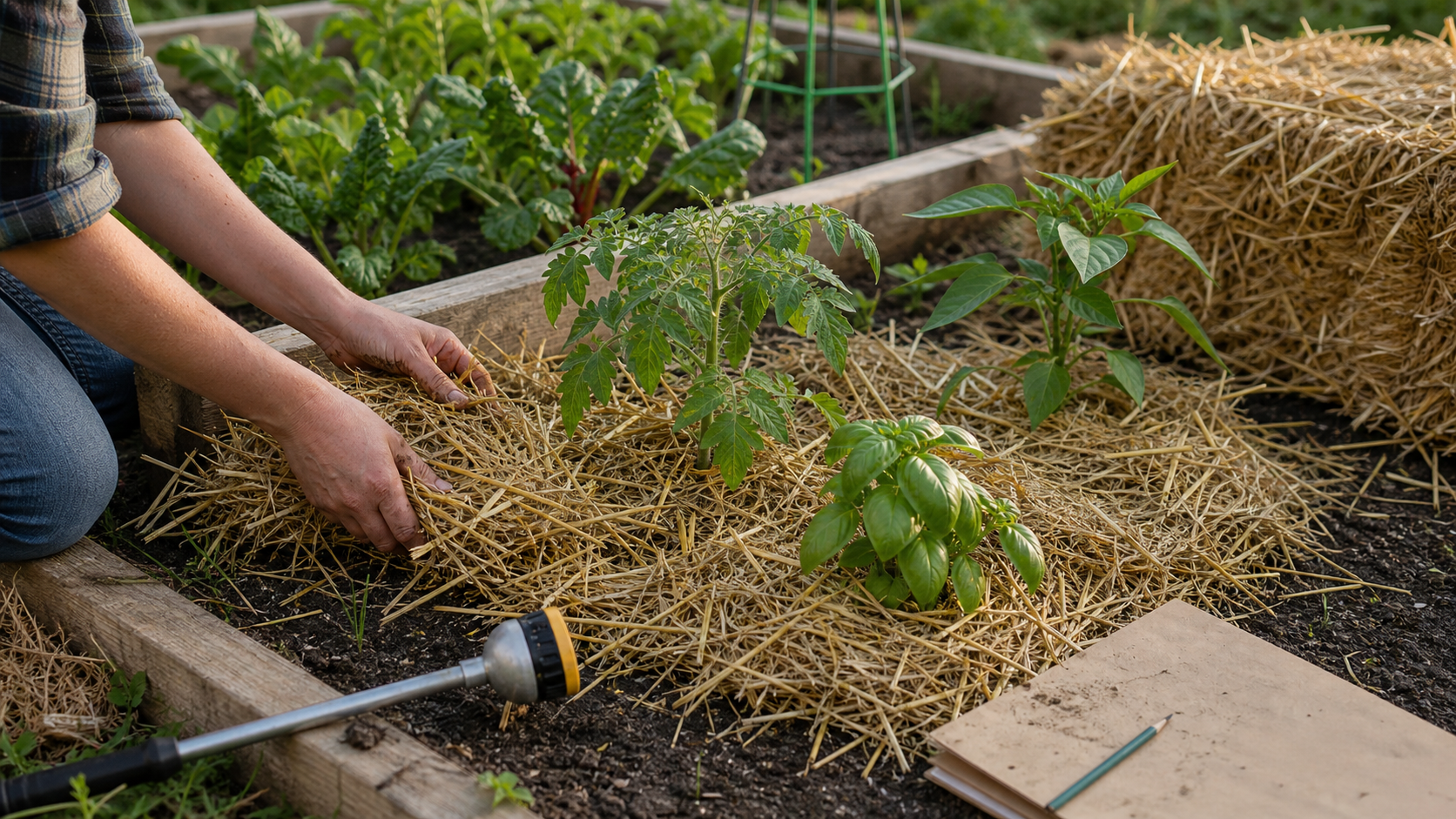
A practical beginner guide to mulching a first vegetable garden: what mulch to use, how deep to apply it, what to keep away from stems, and what can wait.
Gardening
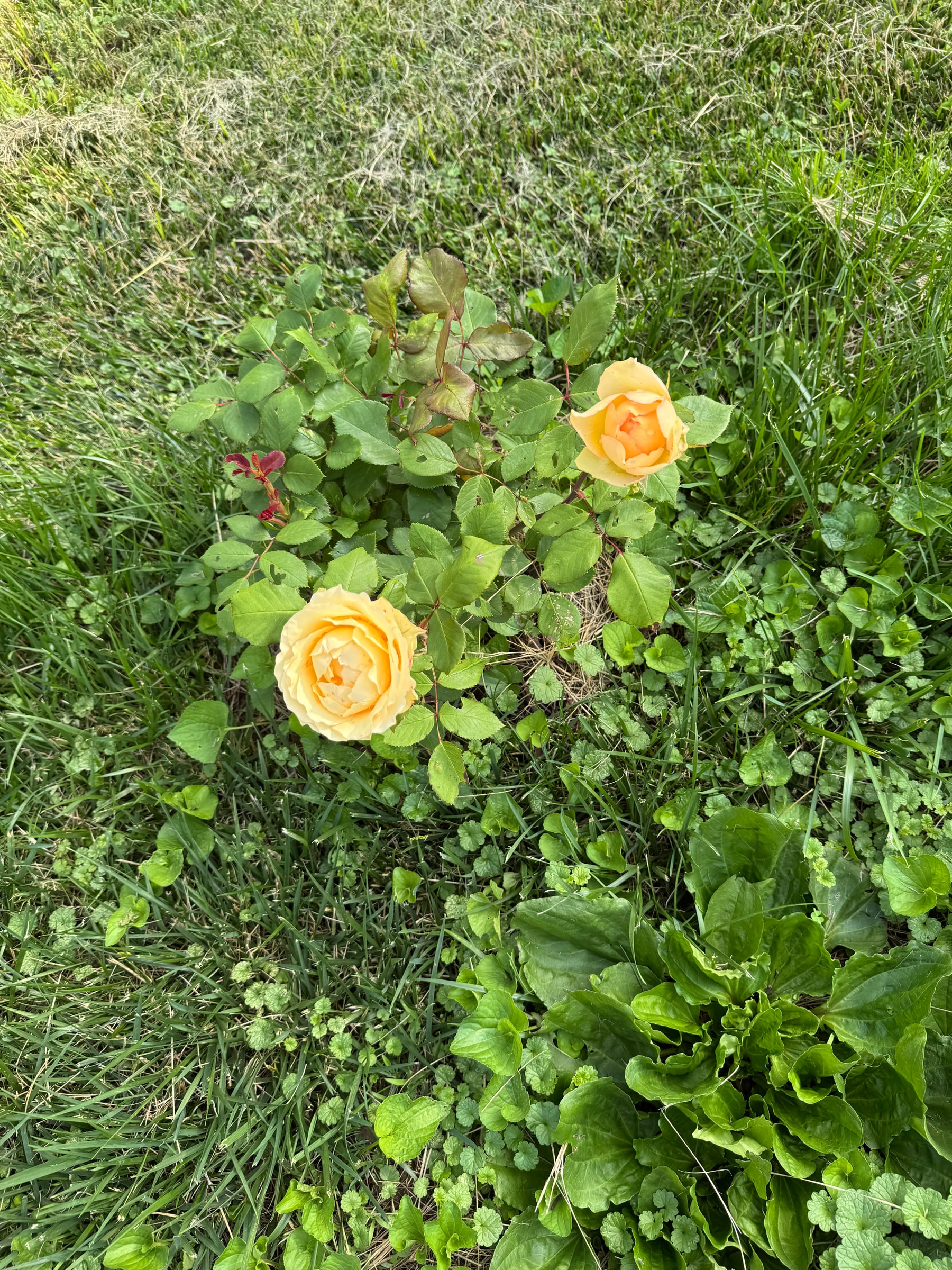
A beginner-friendly garden observation routine that helps you slow down, read what is actually happening, and avoid buying fixes before you understand the problem.
Gardening
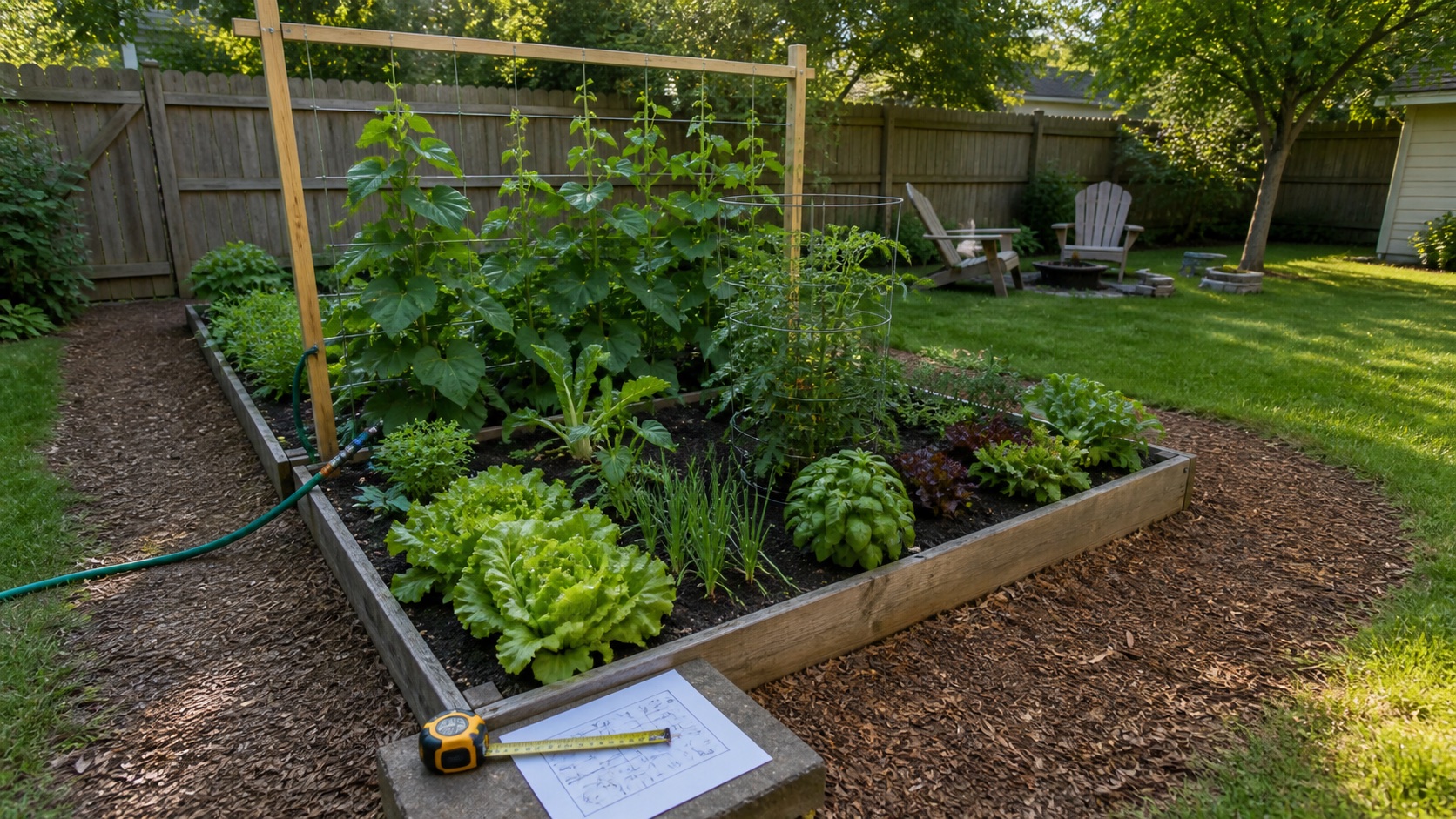
A practical small vegetable garden layout for beginners, including bed width, paths, sun, water, tall crops, crop zones, and what not to squeeze into the first season.
Gardening
A calm beginner garden heat plan: what to water, shade, mulch, harvest, delay, and check before a hot week turns into garden panic.
Gardening
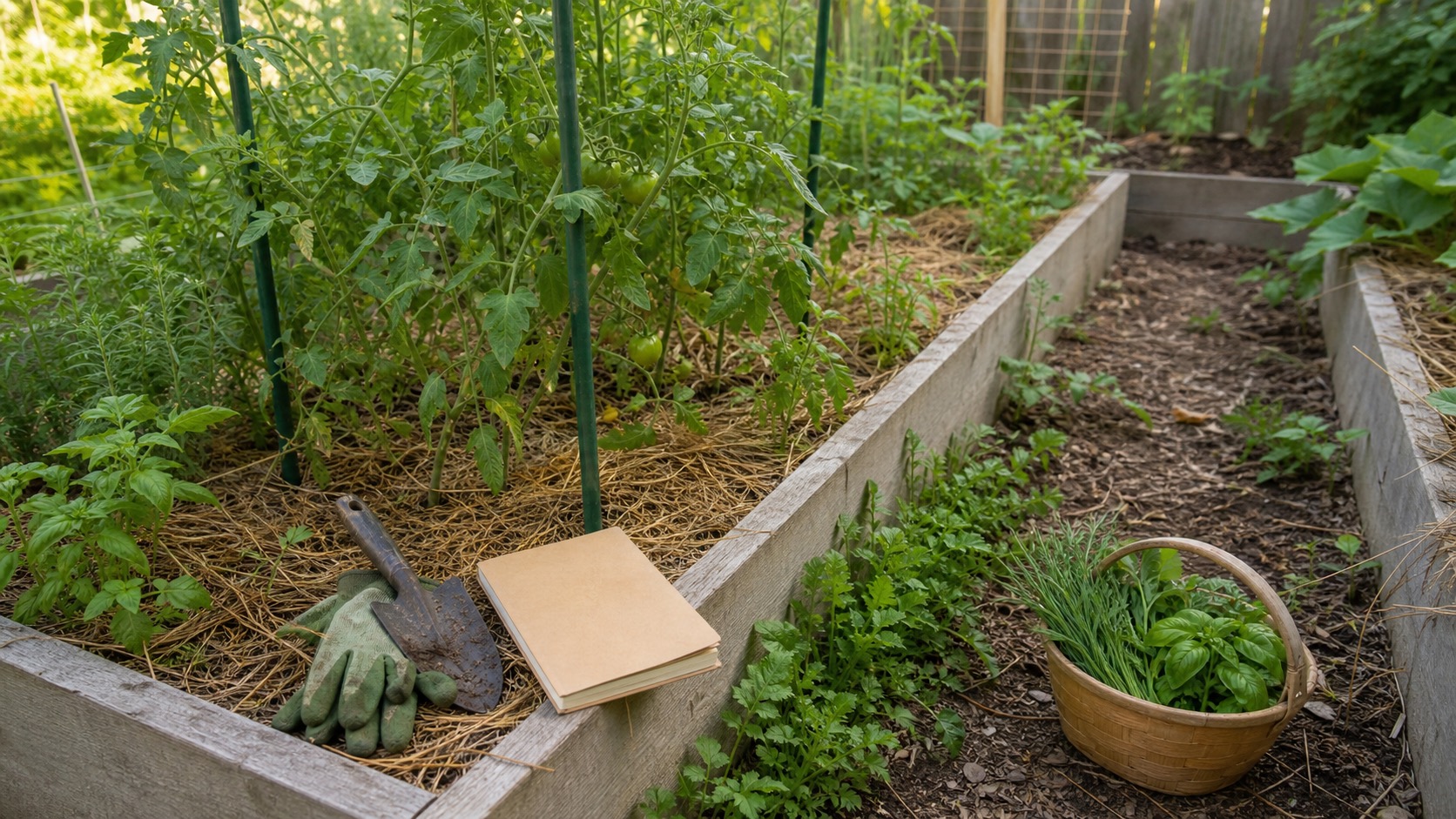
A calm beginner guide for the moment your first vegetable garden starts looking messy: what to fix first, what to ignore, and how to recover without starting over.
Gardening
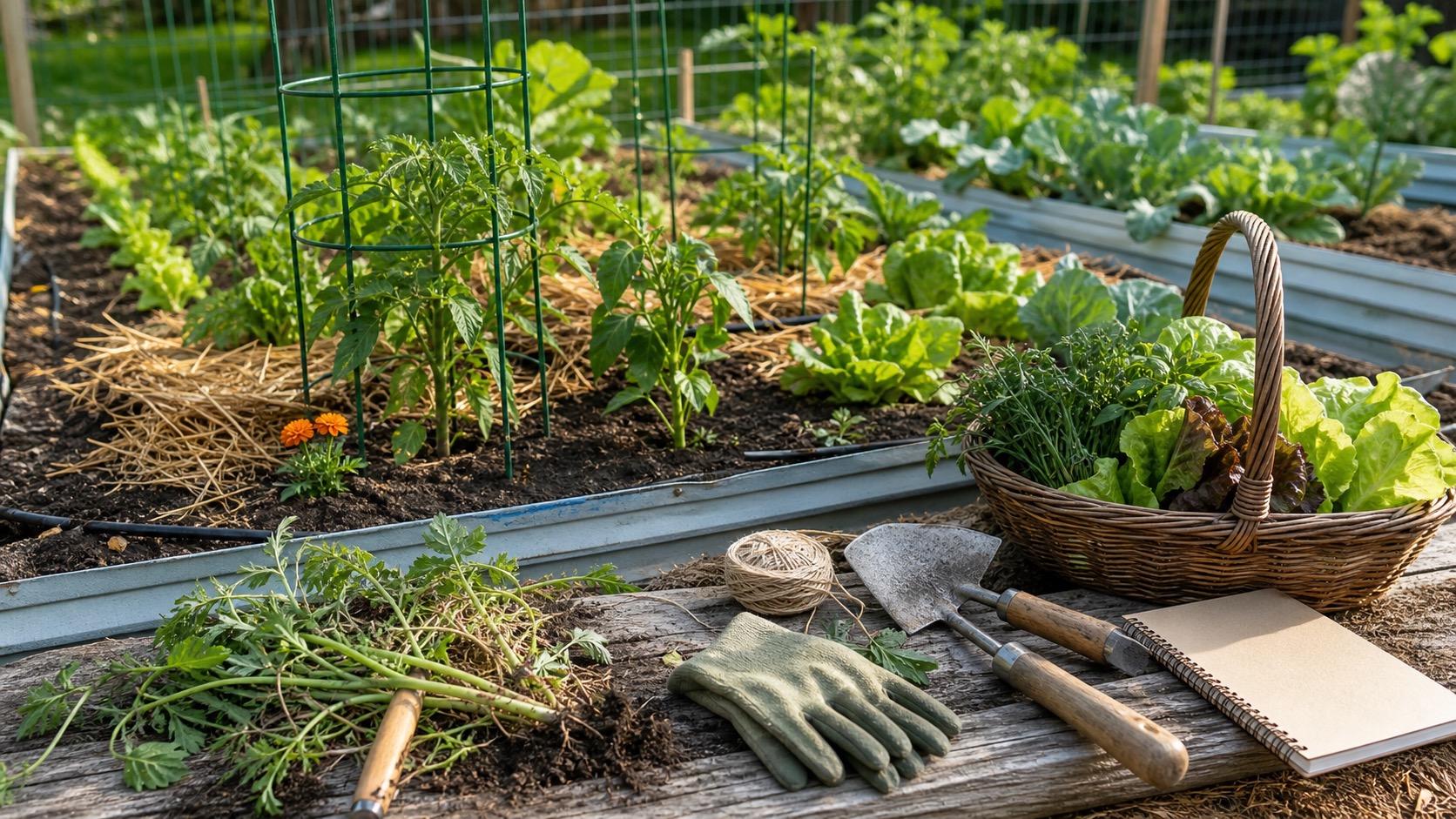
A practical June garden maintenance checklist for beginners: watering, weeds, mulch, staking, pests, succession planting, and what can wait.
Gardening
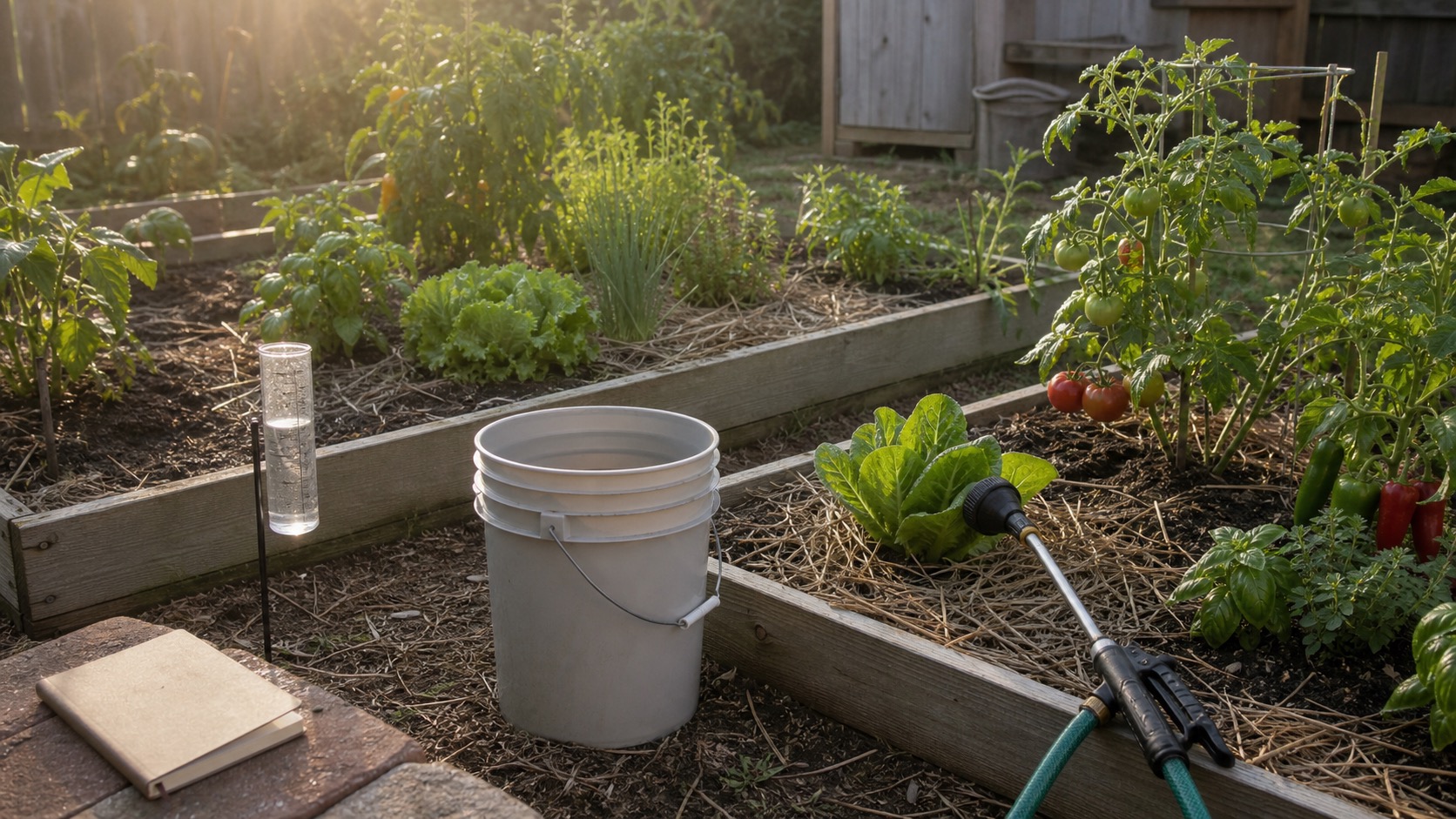
A practical beginner watering guide for small vegetable gardens: how much water plants need, how to check soil moisture, when to water, and what to stop doing.
Gardening
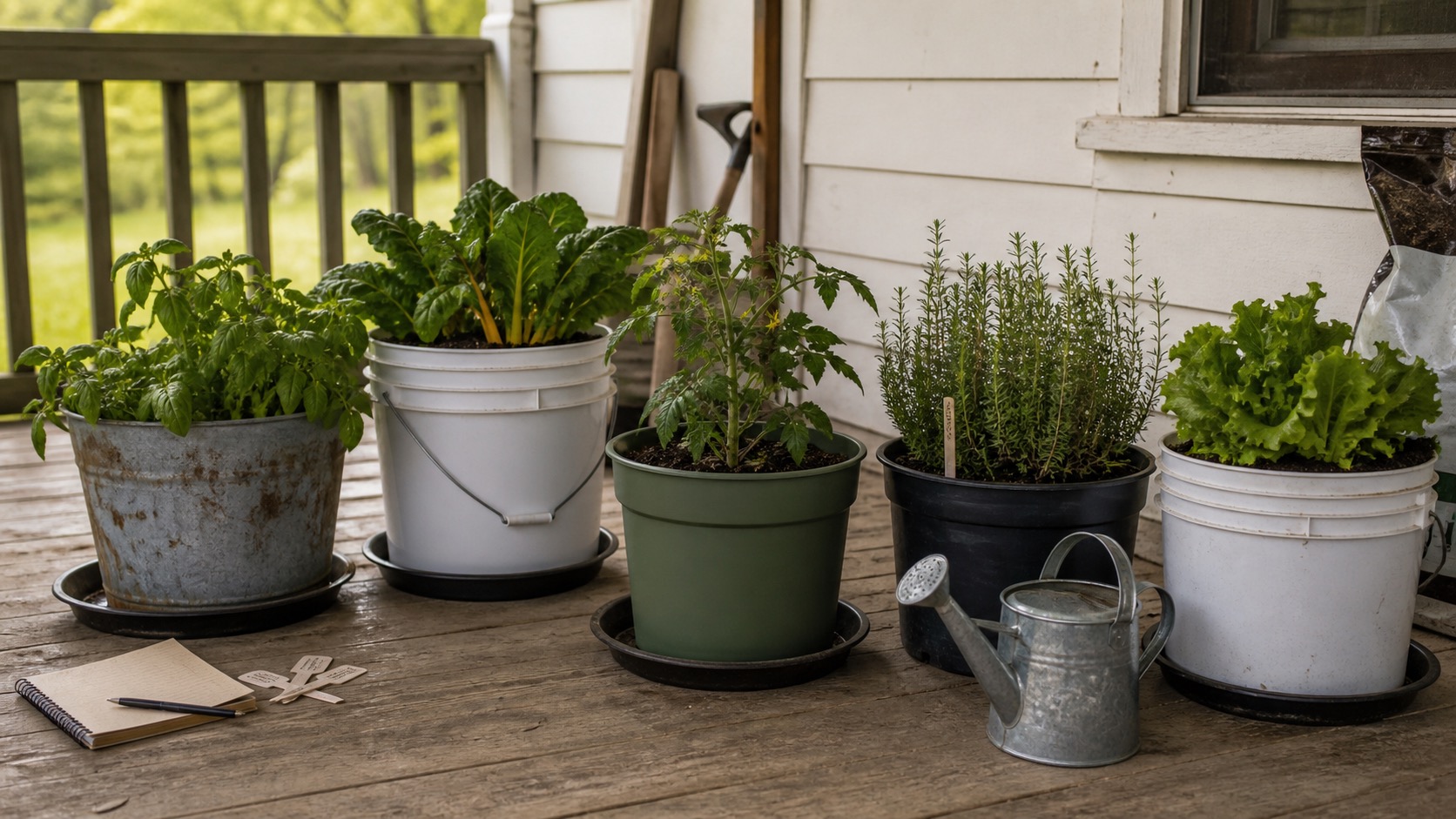
A practical guide to using container gardening as a real training ground for future homestead life instead of treating it like a lesser version.

Gardening
Composting is one of the simplest homestead skills to start early, but beginners often make it too complicated. Here is how to begin with a small, clean system that actually fits real life.
Explore nearby topics
The strongest beginners usually move between planning, budgeting, systems, and one hands-on project at a time.
Homesteading
Beginner-friendly guides for starting a homestead from scratch in a realistic, steady way.
Systems
Routines, planning systems, household workflows, and practical rhythms that make homestead life manageable.
Tools
Recommended tools, workwear, books, and useful gear with honest context and practical restraint.
Start with a small garden you can water, weed, harvest, and check during normal weeks. For many beginners that means containers, one 4-by-8 raised bed, or a few narrow in-ground rows before expanding.
Most first gardens work better with five to eight useful crops than with a giant seed order. Choose crops your household already eats, then add only a few crops that teach timing, watering, harvest, or storage.
Containers are useful for renters, patios, and testing sun or watering habits. Raised beds can help with defined space and soil control. The better choice is the one you can maintain consistently.
Greenhouses, large irrigation systems, big seed orders, expensive trellises, and preservation gear can usually wait until one small garden has made it through a real season of notes.