A chicken coop that smells bad in summer is usually not asking for perfume. It is asking for less moisture, better airflow, cleaner manure zones, and a setup that does not trap heat and ammonia around the birds.
I do not want coop cleaning to become one more place where beginners feel behind. Chickens are animals. Manure is real. A working coop will never smell like a laundry room. But there is a difference between normal barnyard reality and a sharp ammonia smell that makes you pull your head back. That second smell is a management signal, not something to cover up.
Why chicken coops smell worse in summer
Summer adds heat and humidity to a space that already has manure, bedding, dust, waterers, and birds breathing all night. When manure stays wet and air does not move well, ammonia can build up. Cooperative Extension's small-scale poultry housing overview explains that ventilation removes moisture, ammonia, carbon dioxide, and stale air from poultry houses. For cold weather, the focused guide to winter coop airflow without roost-level drafts explains how the same moisture problem needs a different inspection.
That is why smell is rarely just a cleaning schedule problem. A coop can be cleaned often and still smell if the bedding keeps getting wet. A coop can have fresh shavings and still smell if manure piles up under roosts. A coop can look charming from the outside and still have poor air exchange where the birds sleep.
Fix ventilation before you reach for deodorizer
A coop needs to move stale air out and bring fresh air in without putting birds in a hard draft while they roost. This is one reason tiny prefab coops can become frustrating. They often look finished, but they may not give beginners enough practical room for birds, bedding, roost clearance, airflow, and easy cleaning.
University of Minnesota Extension gives a plain warning sign: if you smell ammonia or see moisture collecting inside the coop, increase ventilation and clean up manure to remove moisture. That advice is written in a cold-weather context, but the smell-and-moisture logic applies in summer too.
Start with the manure under the roosts
The roost area is where a lot of beginner odor trouble starts. Birds spend the night there, so manure collects in a predictable place. If that spot is hard to reach, you are more likely to delay cleanup. If it stays damp, the smell shows up faster.
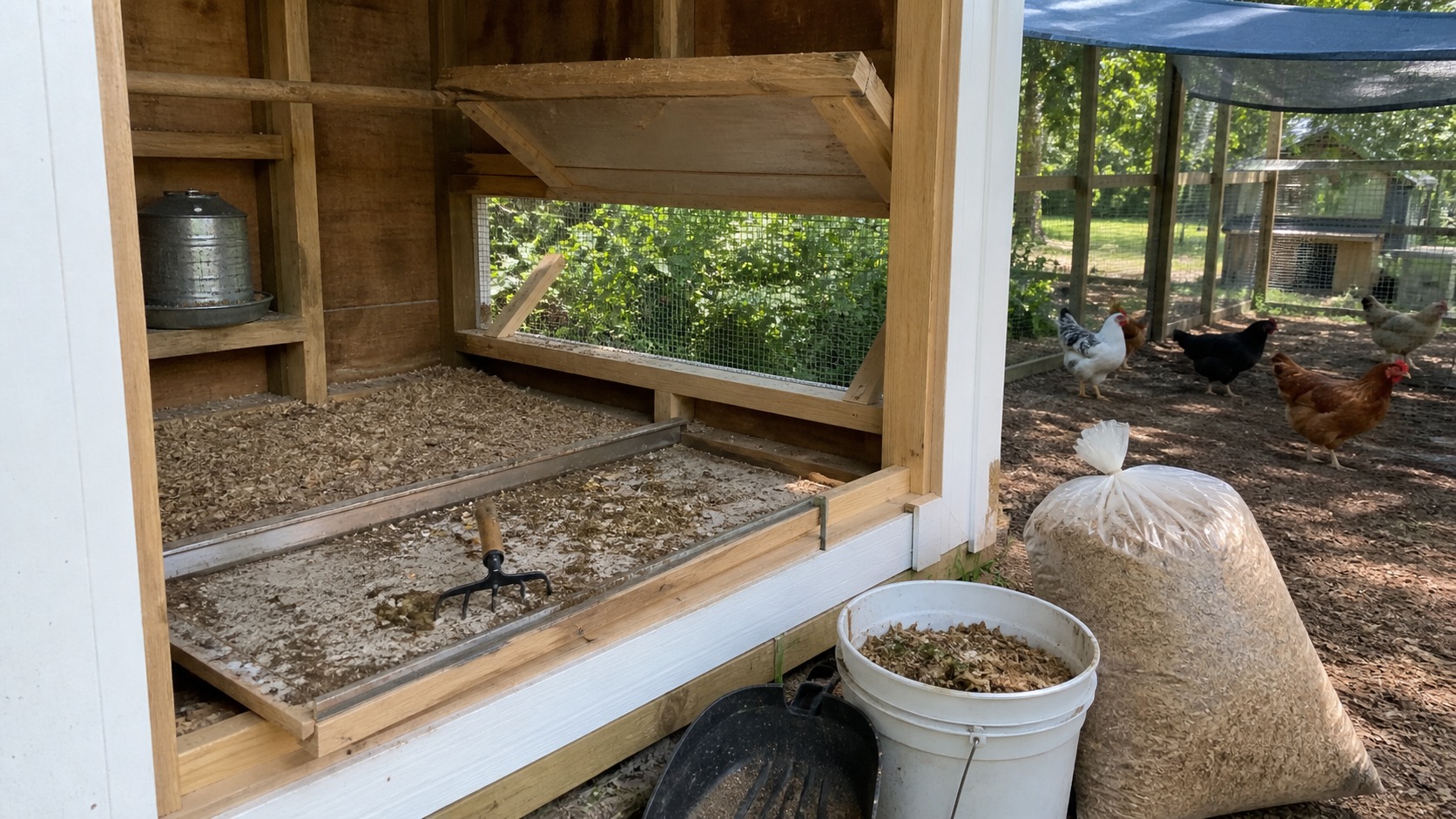
Minnesota Extension notes that manure tends to build up under roosts and other perching sites, and that trays below roosts can make cleaning easier. That is the kind of boring design choice that matters more than a cute coop sign. Make the dirtiest area easy to clean, and the whole coop becomes less dramatic.
Dry bedding is the system
Bedding is not decoration. It is part of the moisture and manure system. Dry shavings, straw, chopped leaves, or another appropriate bedding material can help absorb moisture and keep manure from sitting bare on the floor. But once bedding is wet and loaded, adding a fresh layer on top can hide the problem instead of fixing it.
Do not ignore waterers and run drainage
A coop odor problem can start with a waterer that drips a little every day. It can also come from a run that turns muddy after rain, then tracks wet manure and moisture back into the coop. In summer, wet feed and damp bedding can also attract pests, which turns one problem into several.
The practical fix is to treat water as part of the coop system. Put waterers where spills do the least damage. Raise or stabilize them if birds keep kicking bedding into them. Clean wet feed before it ferments. If the run stays wet, add drainage thinking before adding more birds.
A realistic beginner scenario
Imagine a family with six hens in a small backyard coop. The setup looked clean in April. By June, the run is shaded, the birds are drinking more, and the coop starts smelling sharp when the door opens in the morning. The bedding looks mostly fine from the doorway, but the area under the roost is damp and packed. A waterer nearby has been splashing into the shavings.
The mistake would be sprinkling something scented over the floor and calling it done. The better move is to remove the wet bedding, scrape the roost zone, move or stabilize the waterer, add dry bedding, and open safe vents so air can carry moisture and stale air out. Then the family needs a small weekly rhythm, not a heroic once-a-month rescue.
What I would not do first
I would not make the first move a fragrance, spray, powder, or internet trick. Some products may have a place when used correctly, but they should not become a shortcut around ventilation, moisture, and manure. If you are relying on a smell-covering product to make the coop tolerable, the setup is still telling you something.
My honest filter for summer coop smell
A coop smell problem is not a moral failure. It is usually a design-and-rhythm problem. Something is staying wet. Something is not moving air. Something is too hard to clean. Something is letting manure pile up where birds sleep.
That is good news, because design and rhythm can be changed. Make the dirtiest place easy to clean. Keep bedding dry. Give stale air a safe way out. Fix the water leak. Let the flock size match the actual coop, not the marketing label. That is how a summer coop stays livable without turning chicken care into a constant apology.
Recommendations
Source-backed coop air-quality references
Extension overview
Small-scale poultry housing ventilation overview
Use this for the basic ventilation principle: fresh air comes in, stale air and moisture leave, and ammonia buildup means the system is not working.
Best for: Beginners checking coop airflow
View resourceCoop moisture
University of Minnesota Extension chicken coop ventilation and manure guidance
Use this for practical warning signs around ammonia smell, moisture buildup, manure under roosts, and bedding management.
Best for: Plain-language ammonia and moisture checks
View resourceHousing resource
Penn State Extension poultry facilities and technology
Use this as a broader poultry-housing reference for small flocks, ventilation, equipment, waterers, and ammonia monitoring.
Best for: Readers improving their coop setup over time
View resourceChickens
Keep the coop practical before it gets bigger.
Use the Chickens hub to connect summer heat, space, predator-proofing, breed choices, and the daily setup decisions that make a backyard flock easier to care for.
Open the Chickens hubRecommended next reads
Keep the flock setup steady
Coop smell usually connects to space, heat, safety, and the way the setup is used every week.
Chickens
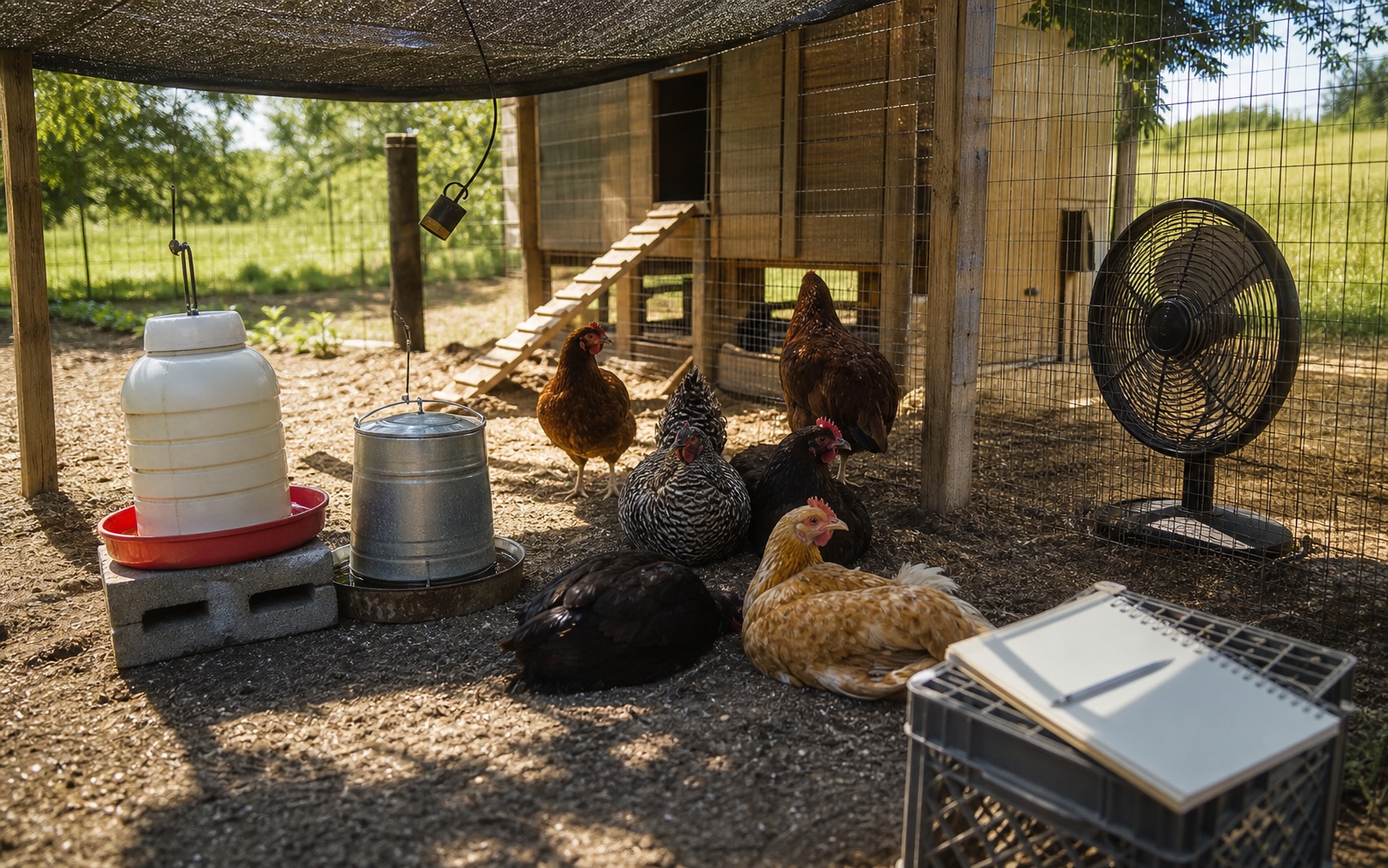
How to Keep Backyard Chickens Cool in Summer
A practical summer heat guide for backyard chickens: water, shade, airflow, feeding timing, warning signs, and the beginner mistakes that make hot days harder.

Chickens
How Much Space Do Backyard Chickens Really Need?
A practical guide to coop and run space for backyard chickens, including why minimums and workable setups are not the same thing.
Chickens
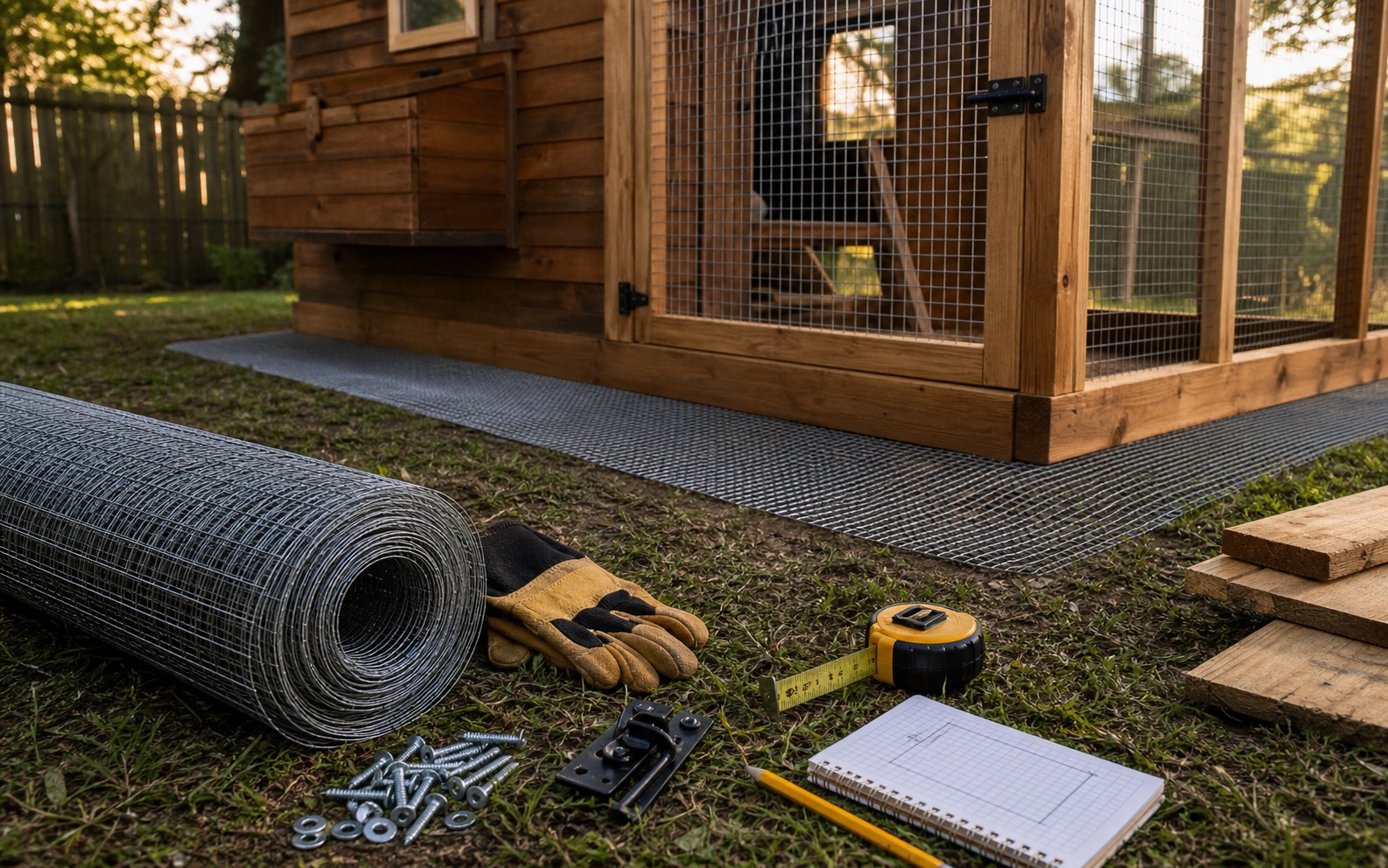
Predator-Proof Chicken Coop for Beginners
A practical beginner guide to predator-proofing a chicken coop and run before birds arrive, with the security layers that matter most and the upgrades that can wait.
Frequently asked questions
Why does my chicken coop smell bad in summer?
A summer coop usually smells because manure, moisture, warm air, and weak ventilation are building up together. Check the area under roosts, wet bedding, waterer leaks, damp corners, and run drainage before trying to cover the smell.
Is ammonia smell in a chicken coop dangerous?
Yes. A strong ammonia smell means air quality and manure moisture need attention. Improve ventilation, remove wet or manure-heavy bedding, fix leaks, and get qualified local or veterinary help if birds show respiratory distress, eye irritation, weakness, or other health concerns.
How often should I clean a backyard chicken coop in summer?
There is no one schedule for every coop. In summer, small backyard coops usually need frequent spot-cleaning under roosts, dry bedding checks, and faster attention after leaks, storms, humidity, or crowding. Let smell, moisture, and manure buildup tell you when the schedule is not enough.
Can I use lime, herbs, or sprays to stop chicken coop odor?
Do not use cover-up products as the main solution. Coop odor usually needs dry bedding, manure removal, ventilation, drainage, and water management. Use any bedding additive or product only according to label directions and with poultry safety in mind.
Recommendations
Useful tools and resources for this decision
These are included only where they reduce repeated friction, clarify a next step, or help you avoid buying the wrong thing first.
Extension resource
Small-scale poultry housing ventilation overview
A Cooperative Extension resource explaining how ventilation removes moisture, ammonia, carbon dioxide, and stale air from small poultry houses.
Best for: Beginners checking whether coop airflow is part of the odor problem
View resourceCoop air quality
University of Minnesota Extension chicken coop ventilation and manure guidance
A cold-weather chicken care guide with practical notes that still apply to odor control: ammonia smell, ventilation, manure moisture, and droppings trays.
Best for: Backyard keepers who need clear ammonia and moisture warning signs
View resourcePoultry housing
Penn State Extension poultry facilities and technology
A poultry facilities resource hub covering small-scale poultry housing, ventilation, waterers, nest boxes, and ammonia monitoring.
Best for: Readers who want more technical context on poultry housing setup
View resourceRecommended next reads
Read next if it helps the decision
Move into the next guide only if it clarifies the next practical step.
Chickens
How to Keep Backyard Chickens Cool in Summer
A practical summer heat guide for backyard chickens: water, shade, airflow, feeding timing, warning signs, and the beginner mistakes that make hot days harder.
Chickens
How Much Space Do Backyard Chickens Really Need?
A practical guide to coop and run space for backyard chickens, including why minimums and workable setups are not the same thing.
Chickens
Predator-Proof Chicken Coop for Beginners
A practical beginner guide to predator-proofing a chicken coop and run before birds arrive, with the security layers that matter most and the upgrades that can wait.
Chicken setup support
Get the chicken setup checklist before you buy more flock gear.
Use the first-year checklist to price the flock honestly, cover the starter essentials, and delay the upgrades that can wait.
Best for: Readers trying to price a first flock honestly and avoid a scattered chicken setup.
- A pre-chick setup checklist
- A recurring-cost planning section
- A simple weekly flock-care rhythm
Chicken setup notes, beginner flock lessons, and the checklist first.
After signup, the download will unlock right here so you can save or print it.
About the author
William Mock
Founder, writer, and beginner homesteader
William writes from the beginner side of rebuilding after a layoff: homestead plans, family systems, budgets, tools, and the decisions that make a home feel less fragile.
Read why this site existsRelated Guides
Keep building context
Chickens
How to Keep Backyard Chickens Cool in Summer
A practical summer heat guide for backyard chickens: water, shade, airflow, feeding timing, warning signs, and the beginner mistakes that make hot days harder.
Chickens
How Much Space Do Backyard Chickens Really Need?
A practical guide to coop and run space for backyard chickens, including why minimums and workable setups are not the same thing.
Chickens
Predator-Proof Chicken Coop for Beginners
A practical beginner guide to predator-proofing a chicken coop and run before birds arrive, with the security layers that matter most and the upgrades that can wait.