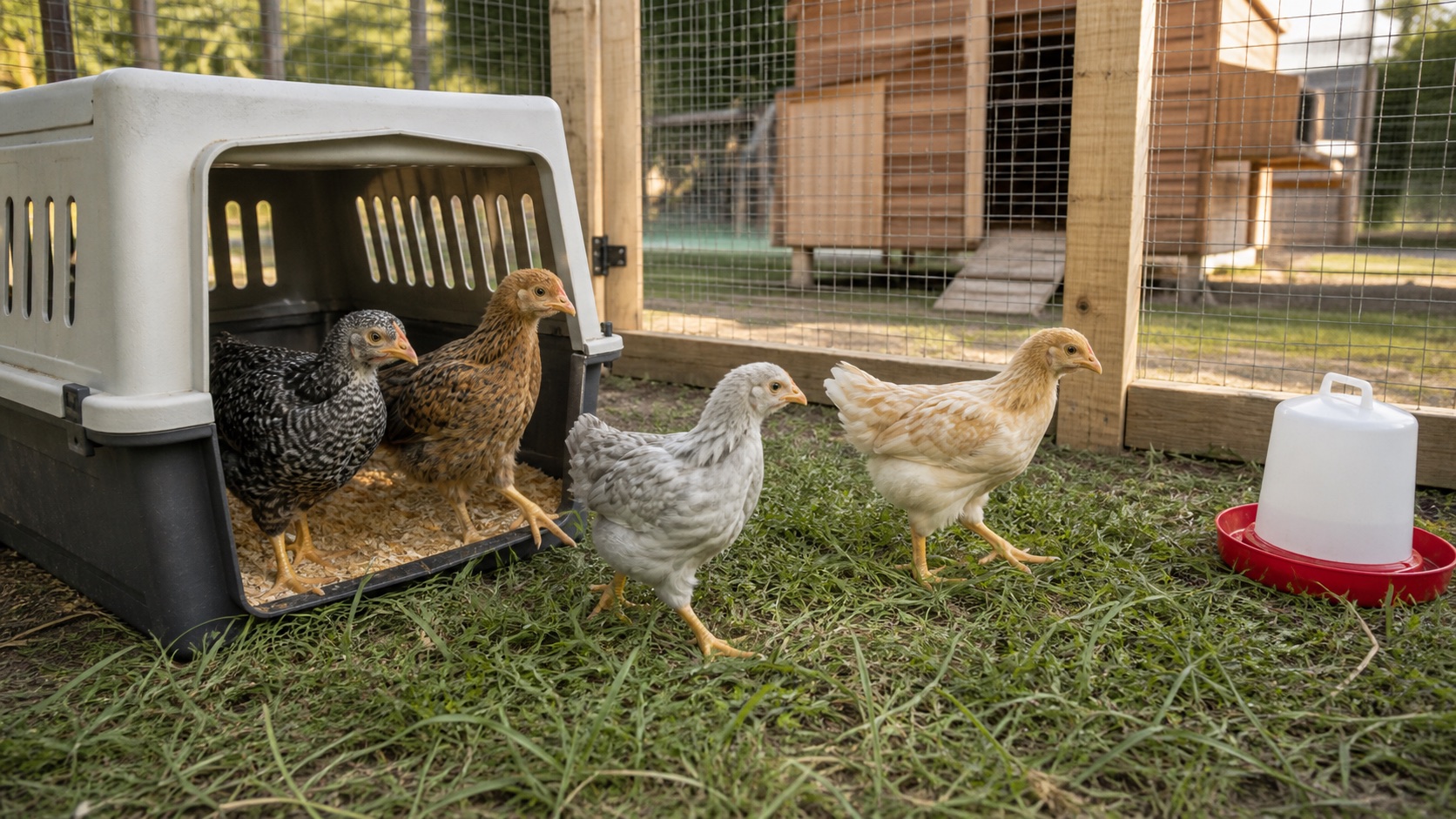
Chicks can usually begin short, supervised outdoor visits before they are ready to live outside full-time. The full move should wait until they are well feathered, healthy, accustomed to less supplemental heat, and entering a dry, draft-protected, predator-secure coop that fits the actual overnight weather.
Around six weeks is a useful planning point for many standard breeds, not a promise. A warm June evening and a cold, wet April night are not the same move. Neither are a sturdy, feathered pullet and a smaller chick still carrying patches of down.
The evening I realized the calendar was not enough
The chick transition became real to me in the ordinary gap between two setups. The brooder was getting crowded and dusty. The chicks looked less like fragile little balls of fluff and more like small chickens every day. The outside setup was waiting. It was easy to look at their age and want a clean answer: they are this many weeks old, so tonight must be the night.
Then the evening cooled off faster than the daytime forecast made it sound. A little wind found the edge of the run. One chick looked fully dressed for the world, while another still had enough down to make me look twice. The calendar had not changed, but the decision had.
That is the lesson I keep from that moment: moving chicks outside is not a graduation ceremony. It is a handoff between two care systems. The right time is when the chicks, the weather, and the coop are all ready enough together.
Outside time and moving outside are different decisions
A supervised afternoon visit is not the same as sleeping in the coop. During a short outing, you can choose a warm, dry part of the day, watch the chicks continuously, block wind, provide shade, and bring them back inside quickly. A full-time move asks the coop and the chicks to handle the coldest, wettest, and least supervised part of the day.
The five readiness checks that matter
1. Feathering, not just age
Chicks begin with down, then replace it with feathers over several weeks. North Dakota State University Extension notes that chicks are commonly fully feathered around six weeks. Breed, size, health, and individual development can shift that timing.
Look at the whole chick, especially the head, neck, back, and underside. A chick with a mostly feathered body but obvious downy patches has less protection than a bird wearing a more complete coat of feathers. This is one reason the smallest or slowest-feathering chick may set the pace for a group.
2. How they handle less heat
University Extension brooding guidance commonly starts chicks around 90 to 95 degrees F and reduces the target by roughly five degrees each week. University of Minnesota Extension also emphasizes watching chick behavior: crowding can signal cold, while avoiding the heat source can signal excess warmth.
Before a full move, chicks should already be comfortable with the reduced heat appropriate for their age. Do not shut off heat abruptly on a cold night just to test toughness. Reduce support gradually and compare their behavior with the temperatures they will face outside.
3. Overnight weather, not the afternoon high
The sunny afternoon temperature is the easy number. The overnight low is the one that changes the move. North Dakota State University gives beginners a useful benchmark: fully feathered chicks around six weeks can move to the coop when the outdoor temperature is at least about 65 degrees F, while colder conditions may require supplemental heat for longer.
Treat that as a planning reference, not a universal finish line. A dry, still 62-degree night in a protected coop is different from a damp, windy night at the same temperature. Watch several nights of forecast, not one warm afternoon.
4. Coop and run readiness
The chicks can be ready while the coop is not. Young birds need dry bedding, ventilation without a direct draft, chick-accessible feed and water, secure doors, protected vents, and no gap that looks small to you but large to a predator.
Walk the setup at chick height. Check the lower corners, run connection, door threshold, water placement, and any opening around the roof or vents. Chicken wire may contain birds, but sturdy hardware cloth and well-attached barriers are the safer choice where predators could reach through or force an opening.
5. Chick behavior
Comfortable chicks move around, eat, drink, explore, and rest without staying tightly piled together. Cold chicks may huddle, crowd, or become unusually noisy. Overheated chicks may move away from warmth, spread out, or pant.
Behavior does not replace weather or housing checks, but it tells you whether your plan is working. The first outdoor sessions are useful because they let you watch how the group responds before the move becomes permanent.
How to start supervised outdoor time
Choose a warm, dry, calm part of the day. Use a covered pen or a securely partitioned section of the run. Give the chicks both sun and shade, keep clean water available, and stay close enough to watch their behavior and the surroundings.
A realistic beginner scenario
Imagine six standard-breed chicks that are almost six weeks old. Five look fully feathered, while one still has a little down around the neck. Daytime temperatures are in the 70s, but the next two nights may drop into the low 50s with rain. The coop is secure, but the chicks have never spent more than an hour outside.
The calendar says the move is close. The full picture says wait. Use several supervised daytime visits, let the last chick feather more completely, make sure the coop stays dry during rain, and choose a more stable overnight window. That is not overprotective. It is a gradual transition based on the weakest part of the system.
Do not confuse the coop move with flock integration
Moving chicks out of the brooder is one decision. Introducing them to adult chickens is another. Adult birds can peck, chase, crowd, and block smaller birds from feed or water. Putting young chicks into an established flock at night does not remove that risk.
A safer beginner approach is a see-but-do-not-touch period using a secure partition. Let the groups observe each other while the younger birds have their own feed, water, sleeping space, and protection. Move toward supervised contact only when the young birds are larger and the space provides more than one feeder, more than one escape route, and room to get away.
What to buy and what can wait
You do not need a special product for every stage of the transition. If the existing run can be securely partitioned and covered, use it. If the brooder waterer stays upright outdoors, keep using it. If the weather is stable and you already own a thermometer, you do not need a second device just because it says coop on the listing.
The useful purchases solve named problems: no safe outdoor practice space, no reliable way to see overnight lows, or no stable shallow water source. Everything else can wait until the chicks and the permanent setup prove the need.
Recommendations
Transition gear that can earn its place
Useful for supervised transitions
Covered portable chick pen
A small covered pen gives growing chicks supervised outdoor time while keeping them contained and reducing exposure to pets and aerial predators.
Best for: Beginners who do not already have a secure partitioned run for short outdoor sessions
Check current priceCheck the overnight reality
Digital min-max thermometer
A thermometer that records overnight lows helps you compare the coop's actual temperature with the brooder conditions the chicks have already handled.
Best for: Keepers moving chicks during a season with large day-to-night temperature swings
Check current priceDaily-care basic
Chick-sized outdoor waterer
A stable chick-sized waterer keeps clean water available during supervised outings without using a deep open container.
Best for: Outdoor sessions that last long enough for chicks to need reliable water
Check current priceFree source-backed guidance
University of Minnesota Extension chick guidance
Use Extension guidance for brooder temperature reduction and chick-behavior checks before deciding that supplemental heat is no longer needed.
Best for: Checking the temperature and behavior basics behind the transition decision
View resourceFree transition reference
North Dakota State University beginner chicken guide
NDSU provides a useful planning point for feathering, age, outdoor temperature, and whether supplemental heat may still be needed.
Best for: Comparing chick age and feathering with actual outdoor conditions
View resourceWhat can wait
The bottom line
Chicks can start enjoying brief supervised outdoor time before they are ready to move outside permanently. For the full move, look beyond age. Check feathering, heat weaning, overnight weather, coop security, and behavior.
If the answer is almost ready, use a gradual transition instead of forcing a deadline. A few more daytime visits and one better weather window are cheaper than turning the first night outside into an emergency.
Next Chicken Step
Check the coop before the first overnight.
Use the predator-proofing guide to inspect doors, vents, run edges, latches, and ground-level gaps before young birds sleep outside.
Read the predator-proofing guideRecommended next reads
Keep going
These guides cover the brooder, outdoor housing, and space decisions around the transition.
Chickens
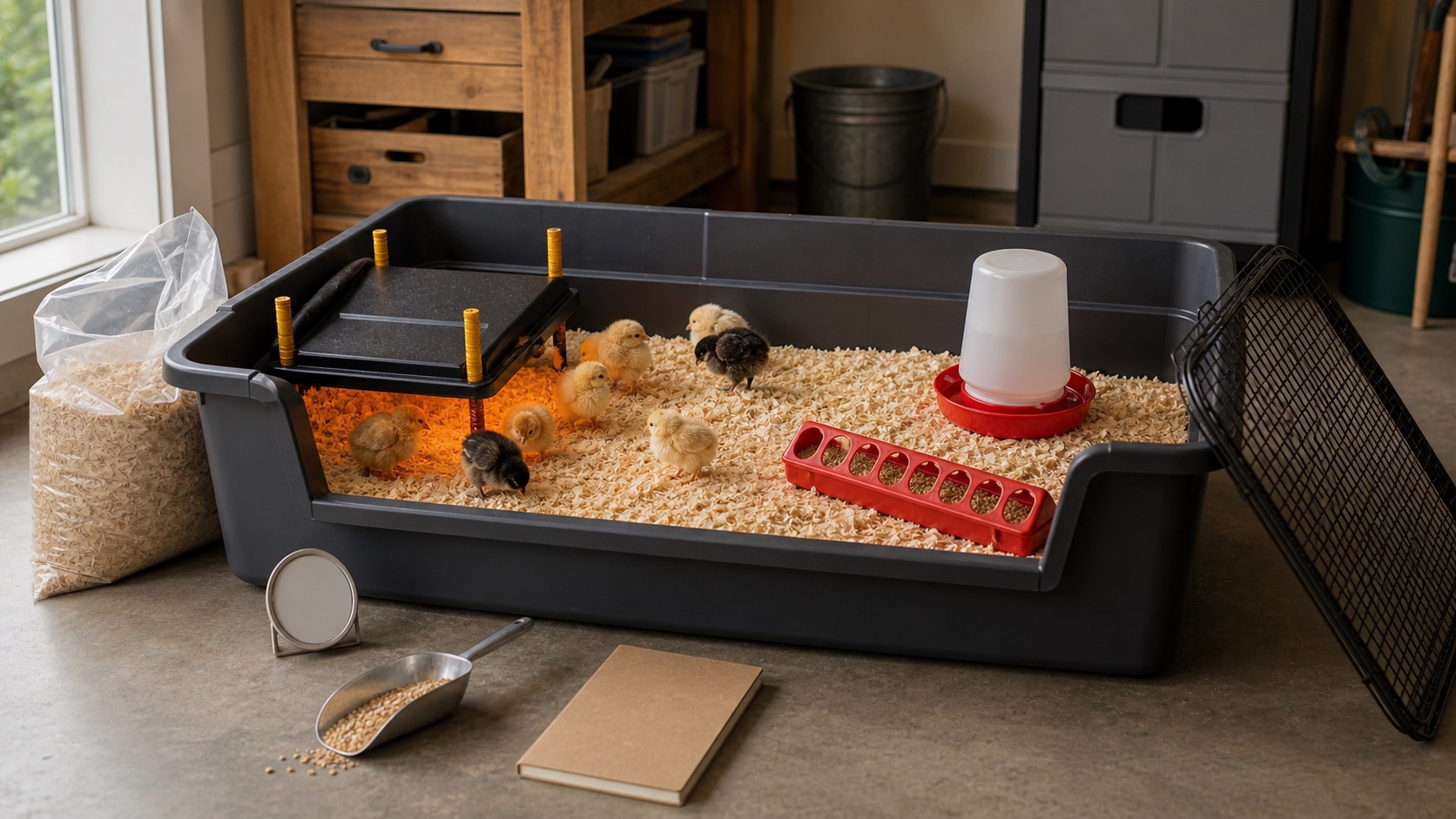
Brooder Setup for Beginners: What You Actually Need
A practical brooder setup guide for beginners, including what chicks actually need, what can wait, and where people overbuy.
Chickens
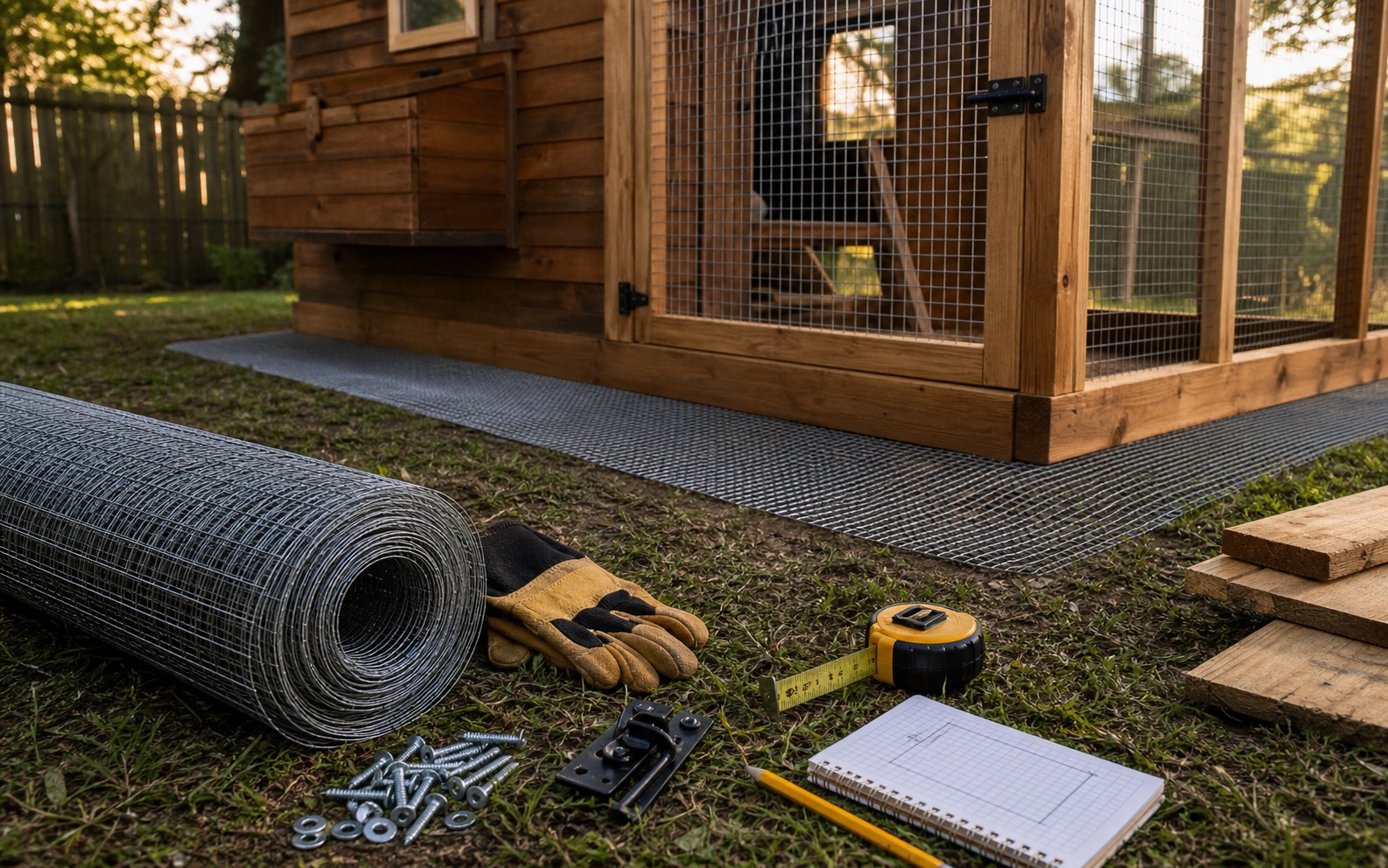
Predator-Proof Chicken Coop for Beginners
A practical beginner guide to predator-proofing a chicken coop and run before birds arrive, with the security layers that matter most and the upgrades that can wait.

Chickens
How Much Space Do Backyard Chickens Really Need?
A practical guide to coop and run space for backyard chickens, including why minimums and workable setups are not the same thing.
Frequently asked questions
What age can chicks go outside?
Many chicks are ready for a full-time outdoor move around six weeks, but age alone is not enough. They should be well feathered, accustomed to less supplemental heat, healthy, and moving into dry, draft-protected, predator-secure housing that matches the overnight weather.
Can four-week-old chicks spend time outside?
Healthy four-week-old chicks may be able to take short, supervised trips outside on warm, dry, calm days. Keep the outing brief, provide shade and water, watch their behavior, and return them to the brooder before they become chilled or stressed.
What temperature is safe for chicks outside?
There is no single temperature for every chick. Extension guidance commonly reduces brooder heat about five degrees each week, and North Dakota State University notes that fully feathered chicks around six weeks can move to a coop when outdoor temperatures are at least about 65 degrees F. Colder nights, wind, rain, small breeds, or incomplete feathering may require more time or safely installed supplemental heat.
Can chicks go straight from the brooder into an adult flock?
Usually not safely. Young chicks can be injured or excluded from feed and water by adult birds. Use a protected introduction area where birds can see each other without full contact, then supervise gradual mixing after the younger birds are larger and the setup gives them escape space.
Recommendations
Useful tools and resources for this decision
These are included only where they reduce repeated friction, clarify a next step, or help you avoid buying the wrong thing first.
Useful for supervised transitions
Covered portable chick pen
A small covered pen gives growing chicks supervised outdoor time while keeping them contained and reducing exposure to pets and aerial predators.
Best for: Beginners who do not already have a secure partitioned run for short outdoor sessions
Check current priceCheck the overnight reality
Digital min-max thermometer
A thermometer that records overnight lows helps you compare the coop's actual temperature with the brooder conditions the chicks have already handled.
Best for: Keepers moving chicks during a season with large day-to-night temperature swings
Check current priceDaily-care basic
Chick-sized outdoor waterer
A stable chick-sized waterer keeps clean water available during supervised outings without using a deep open container.
Best for: Outdoor sessions that last long enough for chicks to need reliable water
Check current priceFree source-backed guidance
University of Minnesota Extension chick guidance
Use Extension guidance for brooder temperature reduction and chick-behavior checks before deciding that supplemental heat is no longer needed.
Best for: Checking the temperature and behavior basics behind the transition decision
View resourceFree transition reference
North Dakota State University beginner chicken guide
NDSU provides a useful planning point for feathering, age, outdoor temperature, and whether supplemental heat may still be needed.
Best for: Comparing chick age and feathering with actual outdoor conditions
View resourceRecommended next reads
Read next if it helps the decision
Move into the next guide only if it clarifies the next practical step.
Chickens
Brooder Setup for Beginners: What You Actually Need
A practical brooder setup guide for beginners, including what chicks actually need, what can wait, and where people overbuy.
Chickens
Predator-Proof Chicken Coop for Beginners
A practical beginner guide to predator-proofing a chicken coop and run before birds arrive, with the security layers that matter most and the upgrades that can wait.
Chickens
How Much Space Do Backyard Chickens Really Need?
A practical guide to coop and run space for backyard chickens, including why minimums and workable setups are not the same thing.
Chicken setup support
Get the chicken setup checklist before you buy more flock gear.
Use the first-year checklist to price the flock honestly, cover the starter essentials, and delay the upgrades that can wait.
Best for: Readers trying to price a first flock honestly and avoid a scattered chicken setup.
- A pre-chick setup checklist
- A recurring-cost planning section
- A simple weekly flock-care rhythm
Chicken setup notes, beginner flock lessons, and the checklist first.
After signup, the download will unlock right here so you can save or print it.
About the author
William Mock
Founder, writer, and beginner homesteader
William writes from the beginner side of rebuilding after a layoff: homestead plans, family systems, budgets, tools, and the decisions that make a home feel less fragile.
Read why this site existsRelated Guides
Keep building context
Chickens
Brooder Setup for Beginners: What You Actually Need
A practical brooder setup guide for beginners, including what chicks actually need, what can wait, and where people overbuy.

Chickens
What I’d Buy Before Bringing Home Day-Old Chicks
A practical, safety-first buy list for day-old chicks: brooder, heat, feed, water, bedding, backup supplies, and the gear that can wait.
Chickens
How Much Space Do Backyard Chickens Really Need?
A practical guide to coop and run space for backyard chickens, including why minimums and workable setups are not the same thing.