Family homesteading has to become a shared direction before it becomes a shared workload. If one person quietly builds the whole plan in their head, the dream can look inspiring from the outside while feeling heavy inside the house.
That is the part beginners can miss. The question is not only, can we grow food, raise chickens, spend less, and build a more resilient life? The quieter question is, can we do it in a way that makes home steadier instead of more tense?
The family photo that keeps me honest
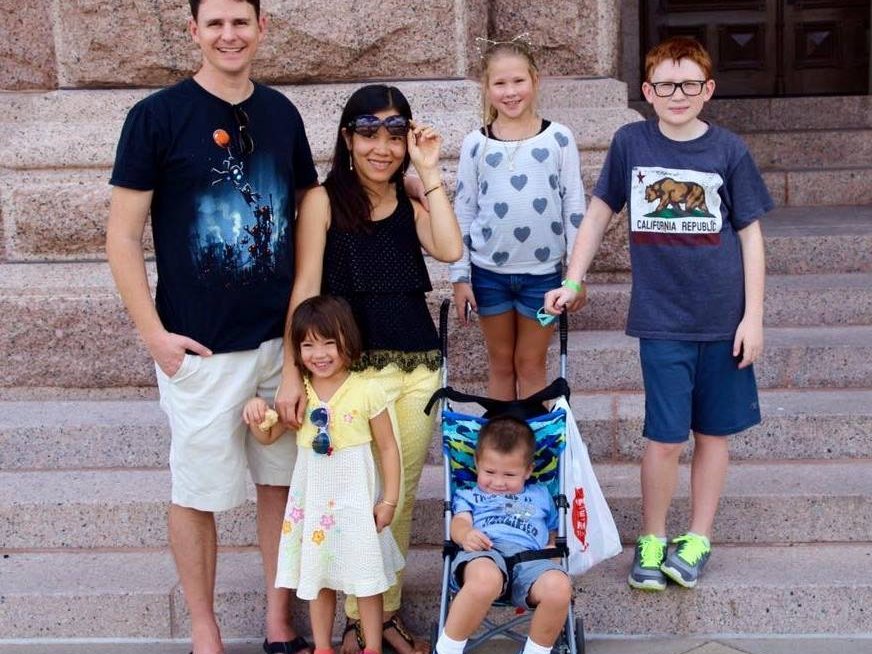
When I look at old family photos, I do not see a content plan or a list of future projects. I see the actual reason this whole fresh-start idea matters. The point is not to collect a more impressive homestead identity. The point is to build a life that gives the people in that photo more steadiness, more usefulness, and more room to breathe.
That thought has saved me from more than one bad version of ambition. It is easy, especially after a layoff or a season of uncertainty, to want progress you can see. A coop, a garden, a new tool, a pantry shelf, a piece of land, or a long project list can feel like proof that you are moving again.
But visible progress is not the same as family health. If the dream makes the house anxious, if every weekend gets swallowed, if the budget feels tighter, or if one person carries the plan while everyone else just absorbs the consequences, the project may be moving but the family is not being served.
Start with the life, not the project
A family homestead conversation should start with the kind of life you are trying to protect. Projects come later. Before you talk about chickens, garden beds, land, equipment, or food storage, talk about what feels fragile right now and what would make home feel stronger.
For one family, the answer might be lower grocery stress. For another, it might be more outdoor time, better routines, less dependence on last-minute spending, or a slower weekend rhythm. Those answers matter because they change the first step.
Watch for the solo obsession pattern
A solo obsession usually starts innocently. One person reads, researches, watches videos, saves ideas, prices supplies, and starts seeing the whole path more clearly. That can be useful. Someone usually has to gather the first information.
The problem comes when research turns into pressure. The person with the strongest excitement starts treating every delay like resistance and every concern like a lack of vision. Meanwhile, the rest of the family may only see extra chores, less money, more mess, and another thing they are expected to care about immediately.
Choose a test, not an identity
The first family homesteading step should be a test the household can survive, not an identity everyone has to adopt. You are not trying to prove you are a real homesteading family in one month. You are trying to learn what kind of practical self-reliance fits your actual life.
That is why small experiments are so useful. A container herb setup tests watering habits. A pantry rotation system tests meal planning and shopping discipline. A compost bin tests whether your family will carry scraps and manage a basic outdoor routine. A single garden bed tests weeding, watering, harvest timing, and whether anyone likes the work enough to repeat it.
Let kids participate without carrying the plan
Kids can be part of a homestead rhythm without becoming the emergency labor plan. There is a big difference between inviting a child to water herbs, gather eggs with an adult, carry scraps, or help pick beans and assuming they will reliably carry a system that an adult chose.
A good beginner project gives kids a visible piece of ownership without placing adult consequences on them. The goal is not to make chores magical. The goal is to build competence, patience, and connection without turning the dream into a source of resentment.
Make the stop rules before you need them
Every family project needs stop rules. That sounds negative until you need them. Stop rules are what keep a good idea from becoming a quiet burden. They give the family permission to shrink, pause, or change a project before frustration becomes the only signal anyone hears.
A better first family rule
If I could give a beginner family one rule, it would be this: no homestead project gets to outrank the family it is supposed to serve. That does not mean quitting when something gets inconvenient. It means the project has to be sized honestly enough that patience, rest, money, and relationships still have room.
The fresh-start version of homesteading is not about proving you can add more work to an already full life. It is about rebuilding a household with more skill, more margin, more usefulness, and more peace. That kind of life is built together or it quietly becomes one person's private pressure.
Build the shared path first
Start with the family rhythm before the project list.
The Start Here page will help you choose a first step that fits your season, budget, and household capacity.
Go to Start HereRecommended next reads
Read the practical side next
If this is the conversation your household needs, these guides will help turn it into a calmer first plan.

Fresh Start
How to Talk With Your Spouse About a Simpler Life After a Layoff
A grounded guide for talking with your spouse after a layoff about money, fear, simpler living, homesteading hopes, and one reversible next step.
Systems
How to Keep Homestead Projects from Taking Over Family Life
A practical guide to keeping homestead goals from swallowing evenings, weekends, and the people you are trying to build the life with.

Homesteading
The Best First Food System for Beginners: Garden, Chickens, or Pantry?
A practical comparison of three strong first food systems for beginners: pantry depth, a modest garden, or a small flock.
Frequently asked questions
How do you get your family on board with homesteading?
Start by talking about the life you are trying to build, not the projects you want to add. Ask what would make home feel steadier, what feels too stressful right now, and which first step the whole household can support.
What if only one person wants to homestead?
Do not turn the dream into a pressure campaign. Start with low-risk experiments that reduce household stress instead of adding more work, such as pantry planning, a small container garden, or a weekend routine that makes the week calmer.
Should kids be involved in beginner homesteading decisions?
Kids do not need adult-level responsibility, but they are affected by time, money, chores, and family rhythm. Give them age-appropriate ways to participate and protect them from becoming the backup plan for oversized projects.
What is the best first family homesteading project?
The best first project is one the family can repeat calmly for a month. Pantry rotation, a small garden bed, container herbs, compost, or one clear weekly chore rhythm are usually better first tests than animals or major infrastructure.
Recommendations
Useful tools and resources for this decision
These are included only where they reduce repeated friction, clarify a next step, or help you avoid buying the wrong thing first.
Start here
Start Here: the beginner homestead path
A calmer first-step path for readers who need to narrow the dream before it becomes too many projects at once.
Best for: Families who need a shared starting point
Read the guideProtect the family rhythm
How to Keep Homestead Projects from Taking Over Family Life
A practical guide to setting limits around homestead projects so they support family life instead of consuming it.
Best for: Households that already feel stretched
Read the guideCompare first food systems
The Best First Food System for Beginners
A comparison of pantry depth, a modest garden, and chickens so a family can choose one first food system instead of starting everything at once.
Best for: Choosing a first project together
Read the guideRecommended next reads
Read next if it helps the decision
Move into the next guide only if it clarifies the next practical step.
Fresh Start
How to Talk With Your Spouse About a Simpler Life After a Layoff
A grounded guide for talking with your spouse after a layoff about money, fear, simpler living, homesteading hopes, and one reversible next step.
Systems
How to Keep Homestead Projects from Taking Over Family Life
A practical guide to keeping homestead goals from swallowing evenings, weekends, and the people you are trying to build the life with.
Homesteading
The Best First Food System for Beginners: Garden, Chickens, or Pantry?
A practical comparison of three strong first food systems for beginners: pantry depth, a modest garden, or a small flock.
Fresh start support
Get the first-step checklist that helps turn a reset into a real plan.
Use the checklist to pick one calmer next move, one budget frame, and one part of the bigger life rebuild to focus on first.
Best for: Beginners who need a first-season plan with limits, not more tabs or more gear.
- A first-season decision checklist
- A one-system starter plan
- A buy-now versus wait-later filter
Quiet notes for rebuilding, useful guides, and one real planning tool first.
After signup, the download will unlock right here so you can save or print it.
About the author
William Mock
Founder, writer, and beginner homesteader
William writes from the beginner side of rebuilding after a layoff: homestead plans, family systems, budgets, tools, and the decisions that make a home feel less fragile.
Read why this site existsRelated Guides
Keep building context
Fresh Start
How to Talk With Your Spouse About a Simpler Life After a Layoff
A grounded guide for talking with your spouse after a layoff about money, fear, simpler living, homesteading hopes, and one reversible next step.
Systems
How to Keep Homestead Projects from Taking Over Family Life
A practical guide to keeping homestead goals from swallowing evenings, weekends, and the people you are trying to build the life with.

Systems
A Weekly Chore Rhythm for Families Starting Homestead Life
A practical weekly task rhythm for beginners who want household work, animals, meals, and projects to fit real family life.