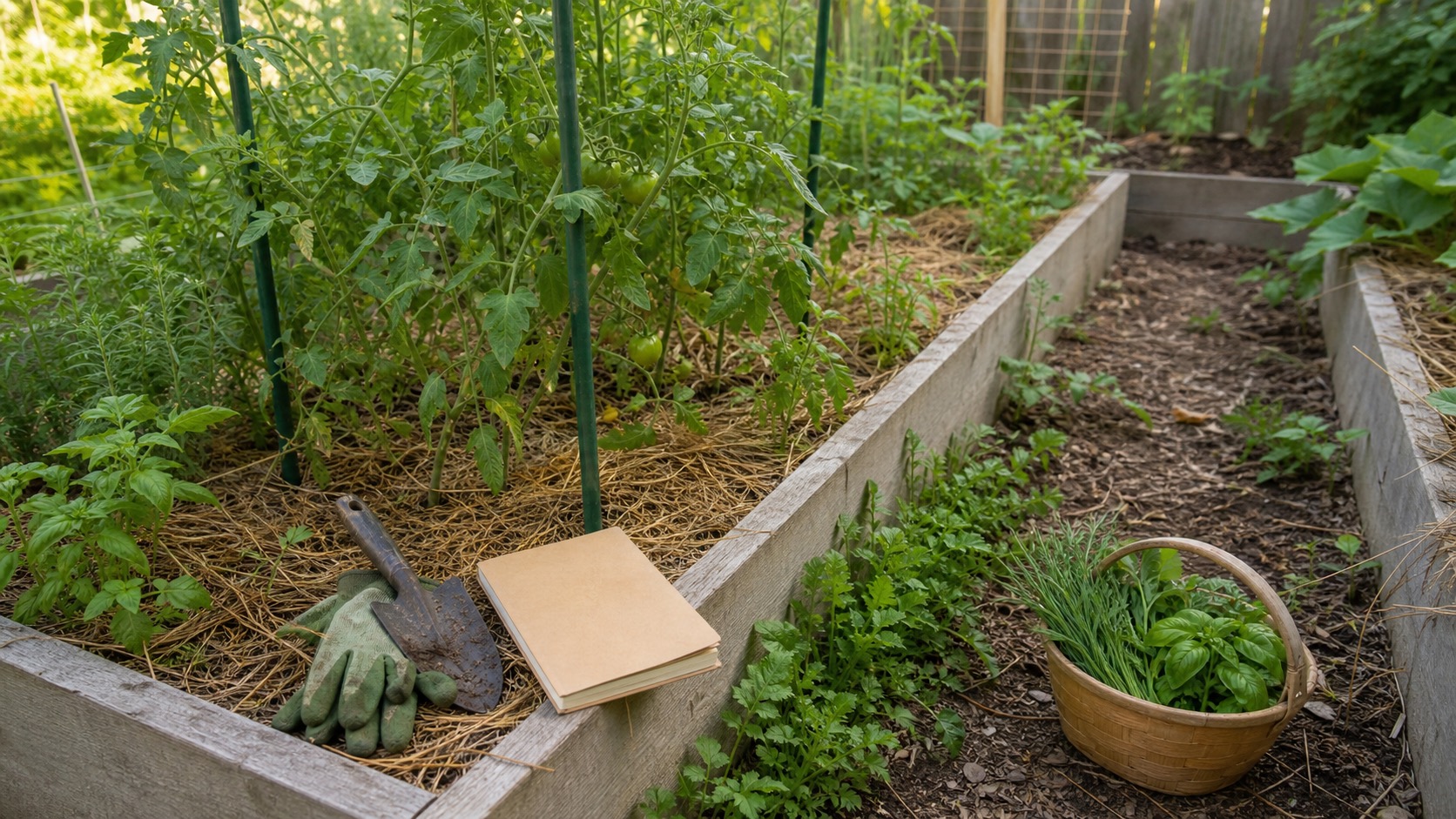
There is a point in almost every first vegetable garden where the tidy beginning disappears. The mulch shifts. Tomatoes lean. Weeds show up in the path. A few leaves turn yellow. The labels are half buried. One corner looks great and another looks like you forgot it existed.
That stage can feel embarrassing, especially if you started with a clean plan and a lot of hope. But a messy garden is not automatically a failed garden. Most of the time, it is just a living garden asking for triage instead of more ambition.
The corner that looked worse than it was
The messy corner is the part that can make a whole garden feel like a failure. A few weeds, a leaning plant, a label halfway buried, and one rough-looking leaf can trick your brain into judging the entire season. When I slow down, that corner usually turns into a short list instead of a verdict.
That is the difference between panic and triage. Pull the weeds that are stealing space. Check water before blaming the plant. Support what is leaning. Harvest what is ready. The garden may still look imperfect afterward, but it is working again.
Messy does not mean failed
A first garden often looks uneven because everything in it is learning at the same time: the plants, the soil, the gardener, the schedule, the hose routine, and the household that has to live around it. Some crops grow faster than expected. Some do not love the spot you chose. Some weeds were waiting quietly for the first warm rain.
The mistake is treating visual mess like proof that the whole season is lost. I have to remind myself that the garden's job is not to look like a catalog. The job is to teach, feed, and help us build a little more skill than we had before. A garden can be imperfect and still be useful.
Start with water before you judge the garden
Water problems can make a garden look worse than it is. Dry soil makes plants wilt, curl, drop flowers, and stop growing. Soggy soil can yellow leaves and make roots struggle. If you skip this check and start pruning, fertilizing, or replanting first, you may be fixing the wrong problem.
Before making a big decision, pull back the mulch in one small spot and check the soil a couple inches down. If it is dry below the surface, water slowly at soil level. If it is wet and heavy, stop adding water and look for drainage or overwatering patterns. The point is not to become a soil scientist overnight. The point is to stop guessing from ten feet away.
Use a 30-minute reset instead of a whole-day rescue
A messy garden gets heavier in your head when the only plan is a giant Saturday cleanup. That kind of reset can help sometimes, but it also turns the garden into another exhausting project. A smaller pass is usually better: thirty focused minutes, one clear order, then stop.
What to fix first in a messy beginner garden
Not every problem deserves the same urgency. A weed beside a tomato stem matters more than a crooked path border. A dry root zone matters more than an ugly leaf from three weeks ago. A leaning plant with fruit on it matters more than rearranging seed packets or buying a prettier trellis.
Weeds are not a moral failure
Weeds are one of the fastest ways for a beginner garden to feel out of control. They also carry a weird amount of shame. But weeds are not proof that you are bad at this. They are just plants taking advantage of open soil, water, light, and time.
The practical move is to stop trying to make the entire garden spotless. Pull the weeds that are closest to your crops first. Pull anything going to seed. Clear the bed edges enough that you can see what is happening. Then mulch the open soil. That is a useful garden improvement even if the path still has weeds in it.
Know when to remove a plant and when to wait
A messy garden makes you want to rip out every plant that looks questionable. Slow down. A lower yellow leaf on a tomato is not the same as a plant collapsing from disease. A lettuce plant that bolted may be done. A pepper plant that looks small after a cool stretch may simply need time.
That last one matters more than it sounds. Sometimes the best beginner move is admitting that a crop did not earn its spot this year. Pulling it is not quitting. It can be a way to protect the crops that still have a real chance.
A realistic beginner scenario
Picture two raised beds in early June. The tomatoes are taller than expected and leaning out of their cages. Basil looks good. The lettuce is stretching and turning bitter. There are weeds in the path and a patch of bare soil where carrots never came up. The gardener has been avoiding the whole thing because every glance feels like a reminder of what did not go according to plan.
A good reset would not be dramatic. Water check first. Pull the weeds around the tomatoes and basil. Harvest the usable lettuce and remove what is too far gone. Add mulch to the bare soil. Tie the tomatoes to stakes. Leave the carrot failure alone for now, or plant a small second crop only if watering is already under control. Then write one note: tomatoes need support checked again this weekend.
What can wait until later
The internet can make beginner gardening feel like a constant list of upgrades. Trellises, drip irrigation, perfect pruning, companion planting charts, new varieties, soil amendments, pest sprays, succession plans, harvest baskets, seed storage, garden journals. Some of those things are useful. Most of them do not have to happen while you are simply trying to rescue a messy Tuesday.
Build a weekly recovery rhythm
The garden gets less scary when you stop waiting until it is embarrassing. A weekly rhythm keeps mess from turning into a verdict. Ten minutes on a weeknight and thirty minutes on the weekend can do more than one heroic cleanup followed by two weeks of avoidance.
My favorite rhythm is simple: water check, weed a small zone, support one plant, harvest something, and write one sentence. That sentence can be as plain as, “Beans look good, tomatoes need tying, lettuce is done.” A note like that keeps your next visit from starting at zero.
Recommendations
Helpful next guides
Read the checklist
June Garden Maintenance Checklist for Beginners
Use this if you want the weekly loop for early summer watering, weeds, mulch, support, pest checks, and harvests.
Read the guideCheck watering
How to Water a Beginner Vegetable Garden Without Guessing
Start here if you are unsure whether your messy garden is actually a watering issue.
Read the guideReview garden size
How Big Should a Beginner Vegetable Garden Be?
Use this before next season if the real lesson is that the garden footprint was too large for your week.
Read the guideThe honest filter
If your first garden looks messy, ask a better question than, “Did I mess this up?” Ask, “What is still worth protecting?” That question changes the whole tone. It points you toward the tomatoes that need support, the herbs you can harvest tonight, the weeds you can pull in ten minutes, and the one habit that would make next week easier.
That is a much kinder and more useful way to learn. A beginner garden does not have to be impressive to be a success. It has to teach you what your soil, schedule, water, energy, and appetite can actually support. Messy gardens can do that just fine.
Start smaller, stay steadier
Use the beginner garden path instead of trying to fix everything today.
The gardening hub can help you move from size, watering, and planting decisions into a calmer maintenance rhythm.
Go to beginner gardeningRecommended next reads
Continue with the garden recovery path
These are the next guides I would read if your first garden looks messy but still has life in it.
Gardening
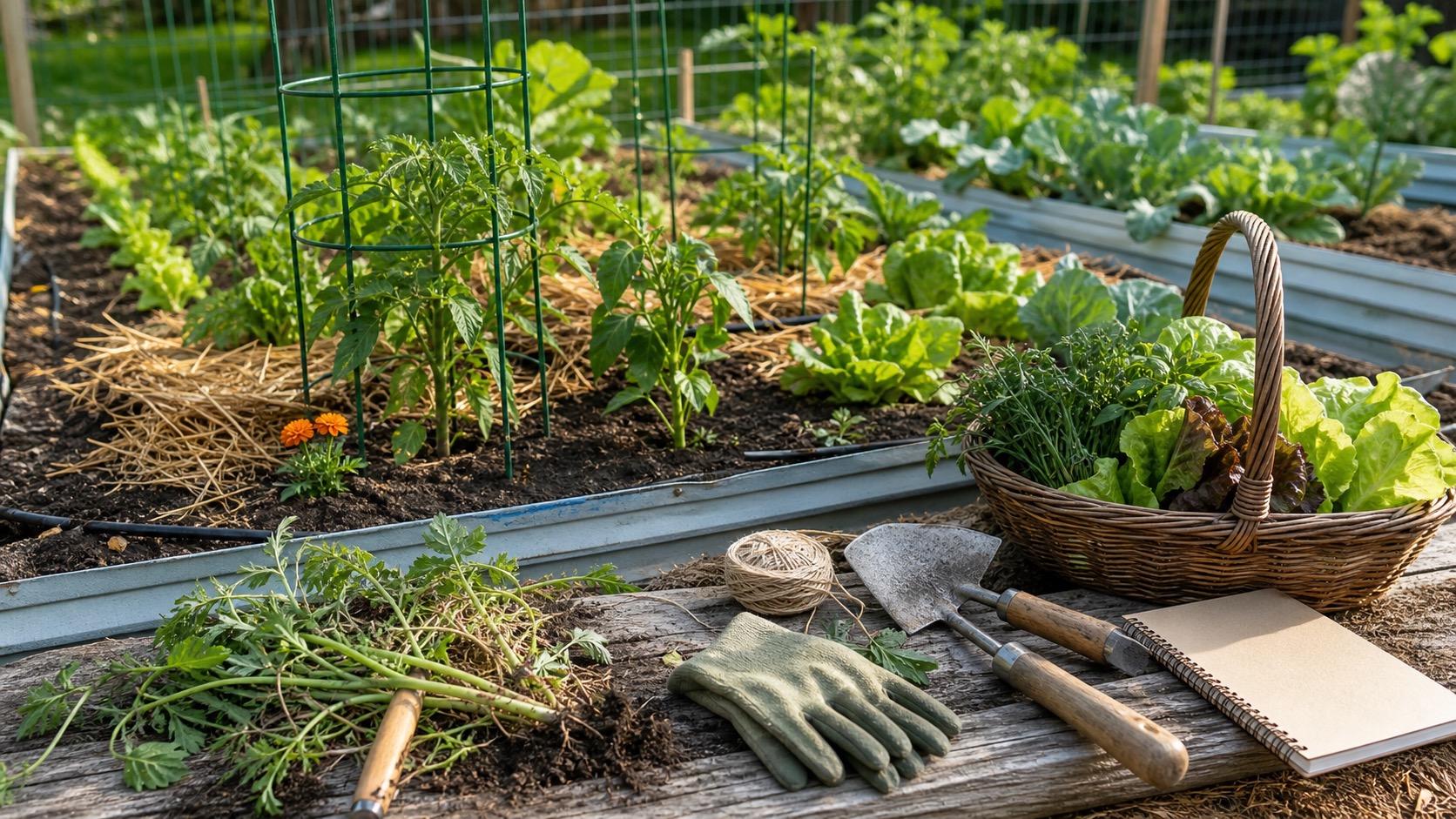
June Garden Maintenance Checklist for Beginners
A practical June garden maintenance checklist for beginners: watering, weeds, mulch, staking, pests, succession planting, and what can wait.
Gardening
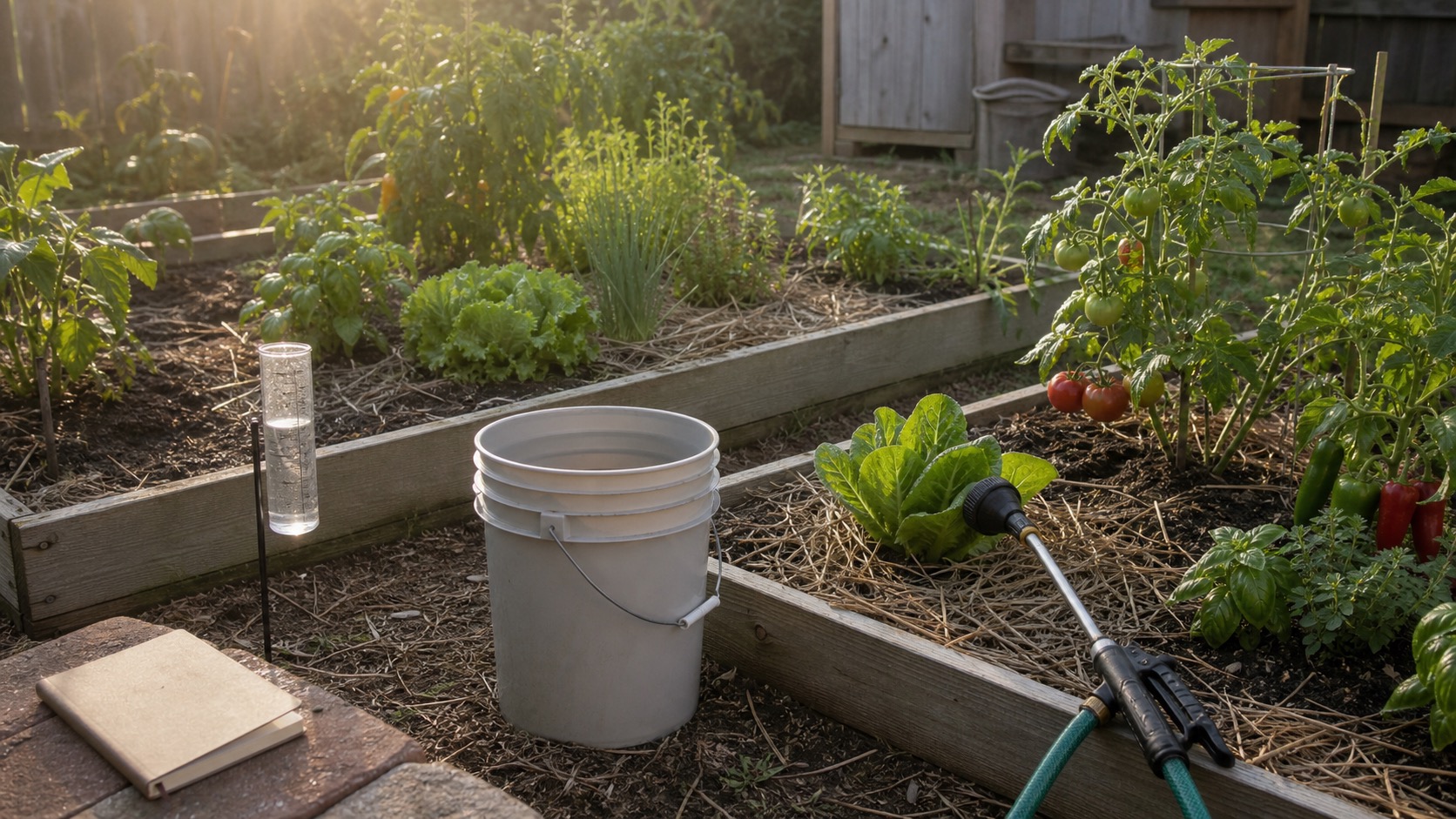
How to Water a Beginner Vegetable Garden Without Guessing
A practical beginner watering guide for small vegetable gardens: how much water plants need, how to check soil moisture, when to water, and what to stop doing.
Gardening
How Big Should a Beginner Vegetable Garden Be?
A practical guide to choosing a beginner vegetable garden size your time, watering routine, harvest goals, and actual meals can support.
Frequently asked questions
Is it normal for a beginner vegetable garden to look messy?
Yes. A productive beginner garden will usually have uneven growth, weeds, leaning plants, bare spots, fading leaves, and a few experiments that did not work. Messy does not automatically mean failed.
What should I fix first in a messy garden?
Fix water, weeds, mulch, and plant support first. Those jobs protect plant health and make the garden easier to see. Cosmetic cleanup, perfect pruning, and new planting can wait until the basics are steady.
Should I pull out plants that look bad?
Not immediately. Remove plants that are dead, diseased beyond recovery, or blocking healthier crops, but leave stressed plants alone until you understand whether the issue is water, heat, pests, or normal seasonal decline.
How do I keep a messy garden from getting worse?
Use a short weekly reset: check soil moisture, pull small weeds, refresh mulch, tie up leaning plants, harvest anything ready, and write down the one problem to watch next. Repeating that loop matters more than one huge cleanup day.
Recommendations
Useful tools and resources for this decision
These are included only where they reduce repeated friction, clarify a next step, or help you avoid buying the wrong thing first.
Watering guide
How to Water a Beginner Vegetable Garden Without Guessing
A practical soil-check routine for deciding whether the garden actually needs water before you start fixing everything else.
Best for: Beginners unsure whether their messy garden is really a watering problem
Read the guideMaintenance checklist
June Garden Maintenance Checklist for Beginners
A seasonal maintenance loop for watering, weeds, mulch, plant support, pest checks, and early harvests.
Best for: Readers who want a repeatable early-summer garden reset
Read the guideGarden size guide
How Big Should a Beginner Vegetable Garden Be?
A size-and-capacity guide for deciding whether the garden is too large for the season you are actually living.
Best for: Beginners wondering if the problem is effort, not skill
Read the guideRecommended next reads
Read next if it helps the decision
Move into the next guide only if it clarifies the next practical step.
Gardening
June Garden Maintenance Checklist for Beginners
A practical June garden maintenance checklist for beginners: watering, weeds, mulch, staking, pests, succession planting, and what can wait.
Gardening
How to Water a Beginner Vegetable Garden Without Guessing
A practical beginner watering guide for small vegetable gardens: how much water plants need, how to check soil moisture, when to water, and what to stop doing.
Gardening
How Big Should a Beginner Vegetable Garden Be?
A practical guide to choosing a beginner vegetable garden size your time, watering routine, harvest goals, and actual meals can support.
Garden gear support
Get the buy-first guide before the first garden collects too much gear.
Use the guide to decide which early garden purchases earn money now, which ones can be borrowed, and which ones can wait until the routine proves itself.
Best for: Beginners who keep seeing useful things online and need a disciplined way to decide what actually earns a place.
- A buy now, borrow, wait, or skip framework
- Starter category shortlists
- A three-question purchase test
Garden planning notes, restrained gear decisions, and the guide first.
After signup, the download will unlock right here so you can save or print it.
About the author
William Mock
Founder, writer, and beginner homesteader
William writes from the beginner side of rebuilding after a layoff: homestead plans, family systems, budgets, tools, and the decisions that make a home feel less fragile.
Read why this site existsRelated Guides
Keep building context
Gardening
June Garden Maintenance Checklist for Beginners
A practical June garden maintenance checklist for beginners: watering, weeds, mulch, staking, pests, succession planting, and what can wait.
Gardening
How to Water a Beginner Vegetable Garden Without Guessing
A practical beginner watering guide for small vegetable gardens: how much water plants need, how to check soil moisture, when to water, and what to stop doing.
Gardening
How Big Should a Beginner Vegetable Garden Be?
A practical guide to choosing a beginner vegetable garden size your time, watering routine, harvest goals, and actual meals can support.