
Moving to a homestead with kids should be planned as a family transition, not only a property purchase. The acreage, house, barn, garden space, and animal rules matter. So do school, friends, transportation, health care, work, internet, chores, privacy, and whether the new daily rhythm actually gives the family a better life.
A move can be the right direction and still be badly timed or badly sized. The goal is not to make kids approve an adult decision. The goal is to understand how the move changes their ordinary days before the family is committed to a version of homesteading that only looked good from the road.
The family walk that changed my move checklist
The photo for this article is just our family walking together. Nobody is carrying feed. There is no garden harvest, tractor, or perfect piece of land behind us. It looks almost too ordinary for a homestead article, which is exactly why it belongs here.
On a family walk, people notice different things. One person notices the land. Another notices the distance. A kid notices whether there is somewhere to explore, whether the day feels lonely, whether the adults are relaxed, and whether this new plan still has room for the things that already make life feel safe.
That is the part that changed my checklist. A family move cannot be measured only in acres, taxes, outbuildings, and commute time. The real move happens inside the ordinary day. If the new property adds resilience but removes every familiar anchor at once, the family may spend the first year surviving the fresh start instead of living it.
Start with what the move is supposed to fix
Families can spend months discussing properties without agreeing on the problem they are trying to solve. More room is not a complete answer. Neither is lower cost, more privacy, chickens, a garden, or getting away from the pace of town.
Name the hoped-for change in ordinary language. Maybe the family wants lower housing pressure, more outdoor time, space for food systems, a quieter neighborhood, useful work together, or less dependence on one fragile income. Those goals make it easier to judge whether a property helps or simply looks like the dream.
Give kids a voice without giving them the whole weight
Kids should not have to make the mortgage, employment, safety, or relocation decision. That is adult work. But kids are experts on parts of their own lives. They know which friendships matter, what school feels like, what routines make them feel steady, and which parts of a move sound exciting or frightening.
Ask real questions and listen without turning every answer into an argument for the move. A child who worries about leaving friends is not rejecting the family's future. A child who wants animals may not understand the daily work. Both answers are useful because they show what the adults need to plan instead of assuming.
Plan the ordinary week before the property
A property tour usually happens during a focused block of time. The ordinary week is less forgiving. Someone has to get to work. Kids need school, meals, clean clothes, rest, appointments, friends, and rides. Animals need care in bad weather. Internet failures matter differently when work or school depends on them.
Write a sample week for the property before making an offer. Include drive times, morning chores, evening chores, meal preparation, schoolwork, activities, maintenance, and one protected family block. If the week only works when nothing goes wrong, it does not work yet.
Test the lifestyle before you move
You cannot perfectly rehearse a homestead move, but you can test the habits the move will require. A trial season turns the dream into evidence. It also gives kids a way to experience parts of the plan without being trapped inside a permanent decision.
Protect familiar anchors during the move
A fresh start already contains enough change. Do not redesign every part of family life at the same time. If possible, protect a few anchors: bedtime, a weekly meal, a family outing, contact with friends, a hobby, a familiar holiday rhythm, or the part of the weekend when nobody is required to improve the property.
These anchors are not wasted time. They are how the household learns that the new place belongs to them instead of feeling like a job site they happen to sleep inside.
What to buy and what can wait
This kind of move can create a shopping reflex. New property, new storage, new clothes, new tools, new systems, new school setup, new outdoor gear. Some purchases will be necessary, but buying too early locks money into assumptions.
The useful purchases support planning and the active transition. A notebook, shared calendar, or one project tote can reduce confusion. Most property-specific tools should wait until you have measured the place, watched the weather, and completed the first real chores.
Recommendations
Simple tools for a family move
Shared record
Plain family planning notebook
Use one shared notebook for property questions, kid concerns, drive-time notes, school research, and family trial results.
Best for: Keeping the move conversation in one place
Check current priceVisible transition
Large monthly wall calendar
A visible calendar can map school dates, property trips, work deadlines, appointments, packing blocks, and protected family time.
Best for: Households where one person is carrying the transition logistics
Check current priceCurrent project only
Labeled project tote
Keep measuring tools, notes, gloves, chargers, snacks, and supplies for the current property visit or family trial together.
Best for: Repeated property visits and one active trial project
Check current priceFree planning path
Start Here: the beginner homestead path
Use the free path to choose one first food, budget, or household system before turning relocation into the only definition of progress.
Best for: Families that need a smaller step before a bigger move
Read the guideWhat can wait until the family settles
The first year after a move should not carry every dream at once. Housing repairs, employment, school, transportation, basic tools, weather, property safety, and the household rhythm will already create enough new information.
A realistic beginner scenario
Imagine a family considering a property 35 minutes farther from town. It has room for chickens, a garden, and a workshop. The purchase price looks manageable. One child is excited about animals. Another is worried about leaving friends. One adult works partly from home, and the phone signal is weak.
The weaker plan treats the acreage as the answer and assumes the family will adjust. The stronger plan tests the internet, drives the school and grocery routes at real times, calculates weekly fuel, talks through friend visits, creates a first-year project limit, and agrees that chickens wait until the household has lived through the first busy season.
The real rule
A homestead move should give the family more capability without quietly making one adult the project manager and every child a supporting character. The property matters, but the household is the system that has to live there.
Walk the future life together before you buy it. Listen for what each person notices. Protect a few familiar anchors. Test the work. Delay the impressive projects. The best fresh start is not the one that changes everything fastest. It is the one the family can still trust after the excitement wears off.
Next practical step
Use the family-decision guide to turn the homestead dream into one shared, limited first step before the move takes over the household.
Recommended next reads
Keep going
Move into the next guide only if it clarifies the next practical step.
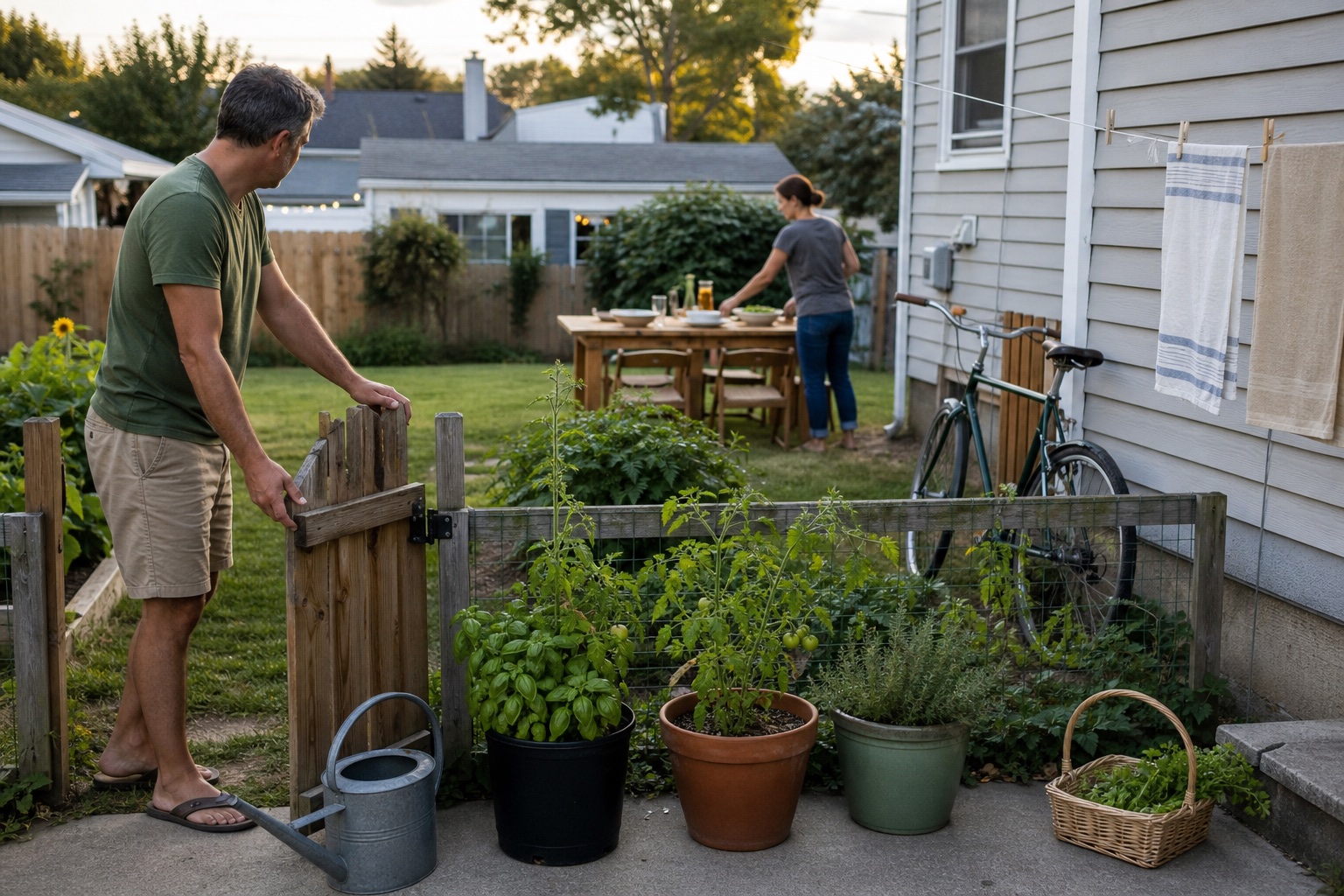
Fresh Start
How to Start Living a Simpler Life Before You Move
Use a practical 30-day test to simplify money, meals, possessions, commitments, and household rhythms before deciding a move will fix them.
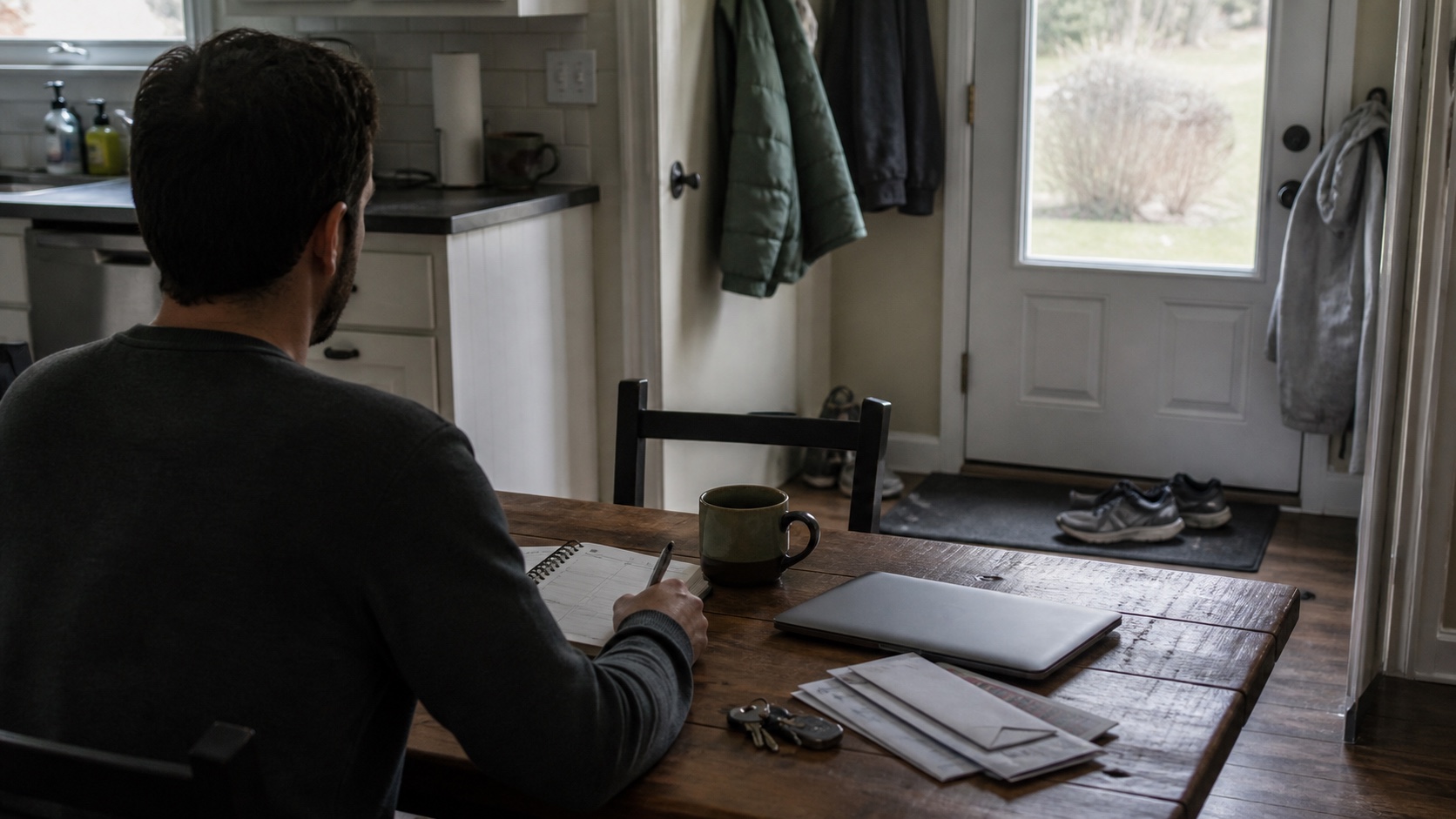
Fresh Start
How to Build a Daily Routine After a Layoff
Build a steady daily routine after a layoff with four practical anchors for urgent paperwork, focused job-search work, household care, and recovery.
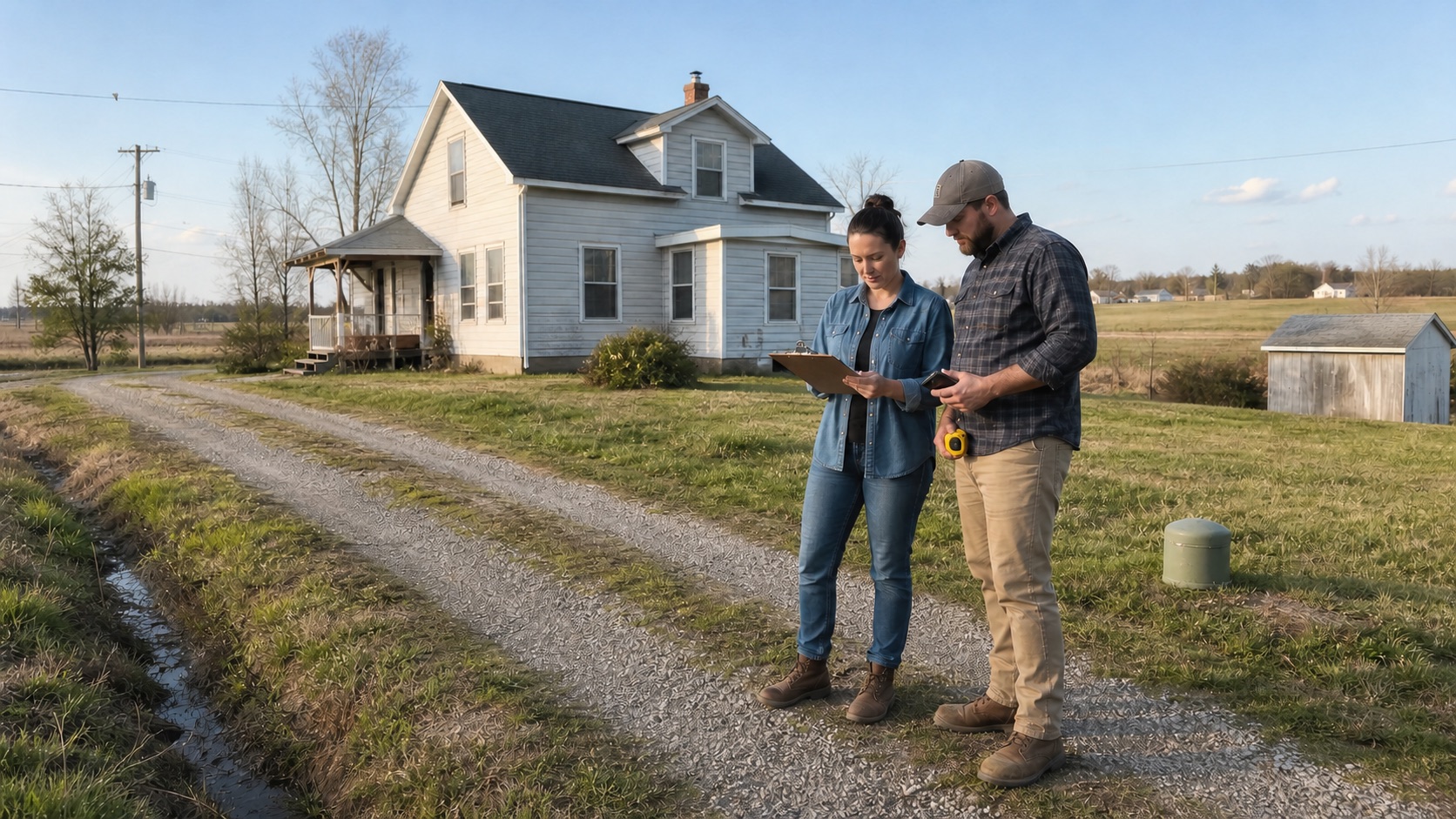
Fresh Start
Should You Move to the Country After a Layoff? A Stability-First Guide
A grounded decision guide for separating a real rural move from an escape plan, then checking income, family rhythm, water, septic, access, broadband, zoning, and financial runway before committing.
Frequently asked questions
How do you prepare kids for moving to a homestead?
Tell them what is known, what is still uncertain, and what parts of daily life may change. Give them age-appropriate input, protect important routines, and test some future chores before the move so the new life is not introduced as one big surprise.
Should kids help decide whether the family moves?
Adults carry the final responsibility for housing, work, finances, and safety, but kids should have a real voice about school, friendships, routines, fears, and what they hope the new place provides. Listening is not the same as handing them the entire decision.
What should families test before moving to a homestead?
Test early mornings, outdoor chores, pantry-first meals, longer drives, limited shopping convenience, shared project time, and a weekly family reset. These experiments reveal whether the desired lifestyle fits the household before land and animals make it harder to change.
What should wait until after the family settles?
Large livestock, multiple daily animal systems, a huge garden, major renovations, expensive equipment, and an overloaded homeschool or side-business plan can usually wait. First stabilize housing, income, school, transportation, health care, and the household rhythm.
Recommendations
Useful tools and resources for this decision
These are included only where they reduce repeated friction, clarify a next step, or help you avoid buying the wrong thing first.
Keep one shared record
Plain family planning notebook
One shared notebook can hold property questions, kid concerns, drive-time notes, school research, chore experiments, and the promises the family does not want to forget.
Best for: Families whose move conversations are scattered across phones, tabs, and half-remembered discussions
Check current priceMake the transition visible
Large monthly wall calendar
A visible calendar helps a household map school dates, property trips, job deadlines, appointments, packing blocks, and protected family time.
Best for: Moves where logistics keep landing on one adult's memory
Check current priceOne active project only
Labeled project tote
One lidded tote can hold current property notes, measuring tools, work gloves, chargers, snacks, and supplies for family property visits or trial projects.
Best for: Families making repeated property visits or testing simple outdoor projects before moving
Check current priceFree planning path
Start Here: the beginner homestead path
A free Fresh Start Homestead path for narrowing the dream into one first system that fits the household's current season.
Best for: Families that need a smaller first move before a property move
Read the guideRecommended next reads
Read next if it helps the decision
Move into the next guide only if it clarifies the next practical step.
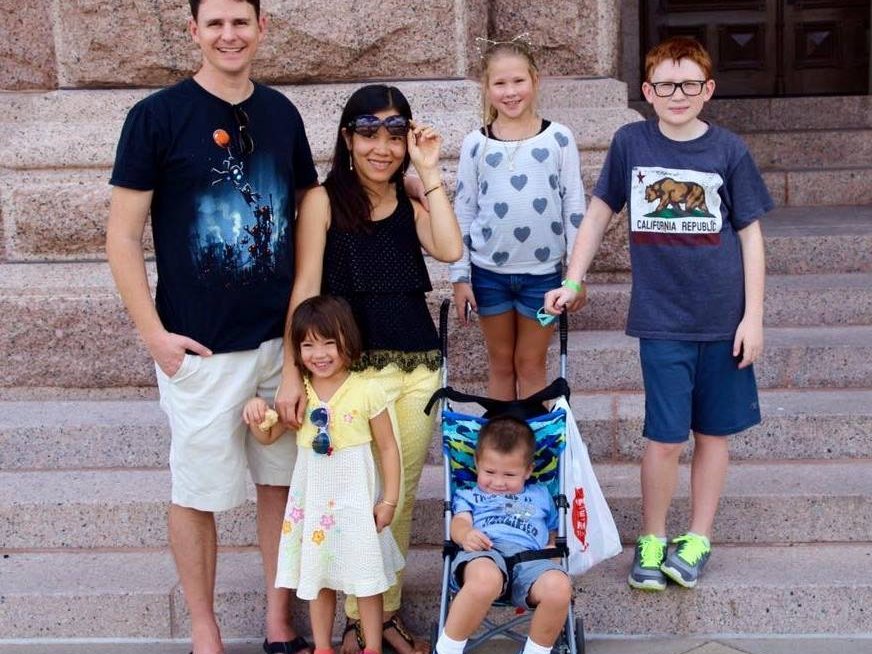
Fresh Start
How to Make Homesteading a Family Decision, Not a Solo Obsession
A grounded guide for turning the homestead dream into a shared family direction instead of a private project that quietly takes over the house.

Fresh Start
How to Start Building Food Security Before You Move
A practical guide to building food security before you move, buy land, or make a bigger lifestyle change.
Homesteading
What Can Wait Until Year Two on a New Homestead
A practical guide to the projects, animals, equipment, and upgrades that are often better delayed until year two on a new homestead.
Fresh start support
Get the first-step checklist that helps turn a reset into a real plan.
Use the checklist to pick one calmer next move, one budget frame, and one part of the bigger life rebuild to focus on first.
Best for: Beginners who need a first-season plan with limits, not more tabs or more gear.
- A first-season decision checklist
- A one-system starter plan
- A buy-now versus wait-later filter
Quiet notes for rebuilding, useful guides, and one real planning tool first.
After signup, the download will unlock right here so you can save or print it.
About the author
William Mock
Founder, writer, and beginner homesteader
William writes from the beginner side of rebuilding after a layoff: homestead plans, family systems, budgets, tools, and the decisions that make a home feel less fragile.
Read why this site existsRelated Guides
Keep building context
Fresh Start
How to Make Homesteading a Family Decision, Not a Solo Obsession
A grounded guide for turning the homestead dream into a shared family direction instead of a private project that quietly takes over the house.
Fresh Start
How to Talk With Your Spouse About a Simpler Life After a Layoff
A grounded guide for talking with your spouse after a layoff about money, fear, simpler living, homesteading hopes, and one reversible next step.
Fresh Start
How to Start Building Food Security Before You Move
A practical guide to building food security before you move, buy land, or make a bigger lifestyle change.