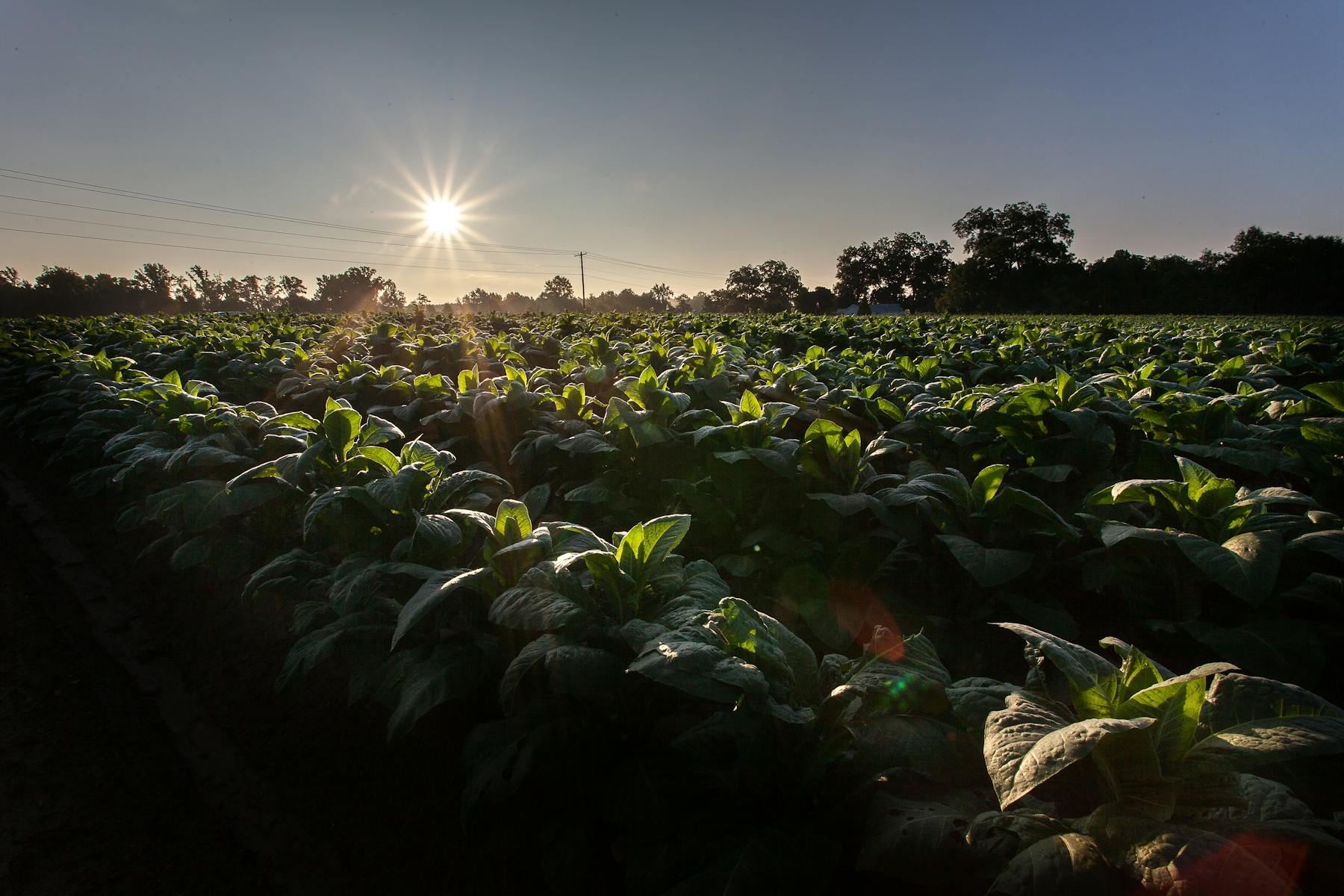
A hot week can make a beginner garden feel like it is failing overnight. Leaves droop, soil crusts over, containers dry faster than expected, lettuce gets bitter, tomatoes look dramatic in the afternoon, and every plant seems to be asking for a different decision.
The beginner move is not to panic-water every evening or buy a whole new setup. The better move is to prepare before the heat lands: water deeply where the root zone needs it, cover bare soil, shade the most vulnerable plants, harvest what is ready, and delay the jobs that would add stress.
The afternoon that taught me heat needs a plan before heroics
The garden lesson that sticks with me was one of those ordinary hot afternoons where everything looked worse than it probably was. A few leaves were drooping, the top of the soil looked tired, and I could feel myself wanting to fix the whole garden right then. That is a dangerous mood for a beginner because it makes every action feel urgent.
When I slowed down, the situation got clearer. Some plants were only reacting to the heat of the day and looked better by morning. One container was genuinely dry. One bed needed mulch more than another quick sprinkle. A few greens should have been harvested before the heat pushed them past their best eating window. The lesson was not that heat is harmless. The lesson was that a hot week rewards preparation more than panic.
That is the tone I want for this guide. No drama, no pretending a beginner garden is invincible, and no shopping list disguised as wisdom. Just the practical moves that give small plants, busy households, and first-year gardeners a better chance.
The real decision is where stress is coming from
A garden can look heat-stressed for several different reasons. The soil may be dry below the surface. The plant may be newly transplanted and not rooted well yet. A container may be too small for the weather. Bare soil may be losing moisture quickly. A cool-season crop may simply be reaching the end of its comfortable season.
Those problems do not need the same fix. Water helps dry roots. Mulch helps exposed soil. Temporary shade helps tender plants through harsh afternoon sun. Harvesting helps crops that are ready now. Waiting helps when the job you want to do would stress the plant more than help it.
Start with water, but do not only think about water
Water is the first thing to check because it is the easiest thing to get wrong in both directions. A dry root zone can stall growth fast during heat. But quick surface watering can also train you into false confidence. The bed looks darker for a little while, but the deeper soil where roots are working may still be dry.
Use the same simple check from a normal watering routine: pull back mulch if needed and check the soil a couple inches down. If it is dry there, water slowly at soil level. If it is still damp, do not water just because the surface looks pale. Containers may need more frequent attention because they have less soil volume and more exposed sides, but even there, the root zone tells the truth better than a quick glance.
Mulch before you need a rescue
Mulch is not glamorous, but it is one of the best beginner tools during hot weather. Bare soil heats, crusts, splashes, and loses moisture faster. A modest layer of straw, shredded leaves, untreated grass clippings used carefully, or another appropriate mulch can protect soil while the garden gets through the week.
Do not bury plant stems or create a soggy mat against the crown of the plant. Keep mulch pulled back a little from stems, especially on small transplants. The goal is covered soil, steadier moisture, less splash, and fewer weed seeds getting a perfect opening.
Shade what is vulnerable, not everything
Temporary shade is useful when the sun is harsh, the crop is tender, or a transplant is not established yet. Greens, young starts, container plants, and stressed plants often benefit more than established heat-loving crops. Tomatoes, peppers, squash, and beans still need sun, so think of shade as temporary relief during the worst stretch, not a permanent roof over the whole garden.
If you use shade cloth, keep it simple. You do not need a professional structure for a small beginner bed. A temporary frame, clips, hoops, stakes, or a light support can help as long as air still moves and the fabric is secured safely. Avoid trapping heat under a low cover with no airflow.
Harvest before the plant makes the decision for you
A hot week is a good time to harvest anything already close. Lettuce, spinach, cilantro, peas, cucumbers, beans, squash, and herbs can move from perfect to overgrown, bitter, tough, or stressed quickly. Harvesting is not giving up. It is using the food while it is still good.
This is especially important for beginners because the garden can become emotionally confusing when a crop starts declining. Sometimes the win is not saving every leaf. Sometimes the win is harvesting what the plant already gave you, learning the timing, and adjusting the next planting window.
What can wait until the heat breaks
Hot weather is not the time to prove how committed you are by doing every garden job. Some work can wait because the plant is already under stress and the gardener is probably not at their clearest either.
A simple hot-week routine
The best hot-week routine is boring and early. Walk the garden before the day gets away. Check the plants that are most likely to suffer first: containers, new transplants, shallow-rooted greens, and anything that looked stressed the day before. Then make one or two practical decisions instead of rewriting the whole garden plan.
What I would buy and what I would skip
If the garden is small, I would not start by buying every heat-season tool. I would start with the basics: a hose that reaches, a watering wand or slow soil-level watering method, mulch, and a way to know whether rain actually helped. If a bed keeps needing slow watering and hand-watering is becoming inconsistent, then a soaker hose can earn its place.
Shade cloth is similar. It is useful when you can name the problem: tender plants, exposed afternoon sun, young transplants, or greens you are trying to protect through a short hot spell. I would skip it if the real problem is shallow watering, no mulch, too-small containers, or crops planted outside their season. Buying shade before fixing the basics can make the setup look more serious without making the plants much safer.
Recommendations
Useful hot-week garden tools, if the need is real
Useful for hot weeks
30-40% garden shade cloth
A temporary shade cloth can protect tender greens, new transplants, and stressed plants during a short stretch of harsh summer heat.
Best for: Beginners with exposed beds, young transplants, or greens that struggle in afternoon sun
Check current priceUpgrade after the need is clear
Soaker hose for small vegetable beds
A soaker hose helps water slowly at soil level instead of misting leaves or rushing through a bed too quickly.
Best for: Small raised beds or straight garden rows where hand-watering is getting inconsistent
Check current priceLow-cost clarity
Simple rain gauge
A plain rain gauge helps you stop guessing whether the garden received enough water from storms or still needs irrigation.
Best for: Gardeners who rely on memory after a scattered week of rain, heat, and quick watering
Check current priceFree resource
University Extension garden watering guidance
Use local Extension resources to check watering, mulch, heat, and crop-specific advice for your climate before scaling your setup.
Best for: Grounding hot-weather garden decisions in practical horticulture guidance
View resourceHow this connects to the rest of the beginner garden
A hot-week plan is not separate from normal garden maintenance. It is the same system under pressure. If watering is already guesswork, heat exposes it. If mulch is missing, heat makes that visible. If the garden is too big for your current routine, a hot week will tell the truth quickly.
That is useful information, even when it is uncomfortable. The goal is not to build a garden that never struggles. The goal is to learn what the garden needs before the next decision gets bigger. Watering, June maintenance, and messy-garden triage all become easier when the hot-week routine is plain enough to repeat.
Next Garden Step
Get the watering rhythm right before buying more fixes.
If the hot week showed you that watering is still guesswork, start with the beginner watering guide before adding more tools or plants.
Read the watering guideThe bottom line
Before a hot week hits your beginner garden, do the calm work early. Check the root zone. Water deeply where it is dry. Mulch exposed soil. Shade only what needs help. Harvest what is ready. Delay the jobs that add stress. Then repeat a small morning check until the heat breaks.
That is not flashy garden advice, but it is the kind that keeps a first garden from turning into a crisis. A steady garden is built through these little boring saves, one weather week at a time.
Recommended next reads
Keep going
If this hot-week plan helped, these guides fill in the next decisions.
Gardening
How to Water a Beginner Vegetable Garden Without Guessing
A practical beginner watering guide for small vegetable gardens: how much water plants need, how to check soil moisture, when to water, and what to stop doing.
Gardening
June Garden Maintenance Checklist for Beginners
A practical June garden maintenance checklist for beginners: watering, weeds, mulch, staking, pests, succession planting, and what can wait.
Gardening
What to Do When Your First Garden Starts Looking Messy
A calm beginner guide for the moment your first vegetable garden starts looking messy: what to fix first, what to ignore, and how to recover without starting over.
Frequently asked questions
How do I protect a beginner vegetable garden during a hot week?
Water deeply before the heat arrives, mulch bare soil, shade tender or stressed plants, harvest what is ready, delay transplanting or heavy pruning, and check the garden early each morning instead of reacting in the hottest part of the day.
Should I water my vegetable garden every day in hot weather?
Not automatically. Containers and seedlings may need daily attention, but established garden beds usually need soil-moisture checks near the root zone. Water deeply when the soil is dry a couple inches down instead of doing quick surface sprinkles.
Can shade cloth help a beginner garden in summer?
Shade cloth can help during extreme heat, especially for tender greens, young transplants, and stressed plants. Use it as temporary relief, not as a substitute for watering, mulch, soil health, or choosing crops that fit the season.
What garden jobs should wait during a heat wave?
Heavy pruning, transplanting, fertilizing stressed plants, broad weeding that exposes soil, and starting new projects can usually wait. During heat, protect roots, reduce stress, harvest what is ready, and keep the garden alive.
Recommendations
Useful tools and resources for this decision
These are included only where they reduce repeated friction, clarify a next step, or help you avoid buying the wrong thing first.
Useful for hot weeks
30-40% garden shade cloth
A temporary shade cloth can protect tender greens, new transplants, and stressed plants during a short stretch of harsh summer heat.
Best for: Beginners with exposed beds, young transplants, or greens that struggle in afternoon sun
Check current priceUpgrade after the need is clear
Soaker hose for small vegetable beds
A soaker hose helps water slowly at soil level instead of misting leaves or rushing through a bed too quickly.
Best for: Small raised beds or straight garden rows where hand-watering is getting inconsistent
Check current priceLow-cost clarity
Simple rain gauge
A plain rain gauge helps you stop guessing whether the garden received enough water from storms or still needs irrigation.
Best for: Gardeners who rely on memory after a scattered week of rain, heat, and quick watering
Check current priceFree resource
University Extension garden watering guidance
Use local Extension resources to check watering, mulch, heat, and crop-specific advice for your climate before scaling your setup.
Best for: Grounding hot-weather garden decisions in practical horticulture guidance
View resourceRecommended next reads
Read next if it helps the decision
Move into the next guide only if it clarifies the next practical step.
Gardening
How to Water a Beginner Vegetable Garden Without Guessing
A practical beginner watering guide for small vegetable gardens: how much water plants need, how to check soil moisture, when to water, and what to stop doing.
Gardening
June Garden Maintenance Checklist for Beginners
A practical June garden maintenance checklist for beginners: watering, weeds, mulch, staking, pests, succession planting, and what can wait.
Gardening
What to Do When Your First Garden Starts Looking Messy
A calm beginner guide for the moment your first vegetable garden starts looking messy: what to fix first, what to ignore, and how to recover without starting over.
Garden gear support
Get the buy-first guide before the first garden collects too much gear.
Use the guide to decide which early garden purchases earn money now, which ones can be borrowed, and which ones can wait until the routine proves itself.
Best for: Beginners who keep seeing useful things online and need a disciplined way to decide what actually earns a place.
- A buy now, borrow, wait, or skip framework
- Starter category shortlists
- A three-question purchase test
Garden planning notes, restrained gear decisions, and the guide first.
After signup, the download will unlock right here so you can save or print it.
About the author
William Mock
Founder, writer, and beginner homesteader
William writes from the beginner side of rebuilding after a layoff: homestead plans, family systems, budgets, tools, and the decisions that make a home feel less fragile.
Read why this site existsRelated Guides
Keep building context
Gardening
How to Water a Beginner Vegetable Garden Without Guessing
A practical beginner watering guide for small vegetable gardens: how much water plants need, how to check soil moisture, when to water, and what to stop doing.
Gardening
June Garden Maintenance Checklist for Beginners
A practical June garden maintenance checklist for beginners: watering, weeds, mulch, staking, pests, succession planting, and what can wait.
Gardening
What to Do When Your First Garden Starts Looking Messy
A calm beginner guide for the moment your first vegetable garden starts looking messy: what to fix first, what to ignore, and how to recover without starting over.