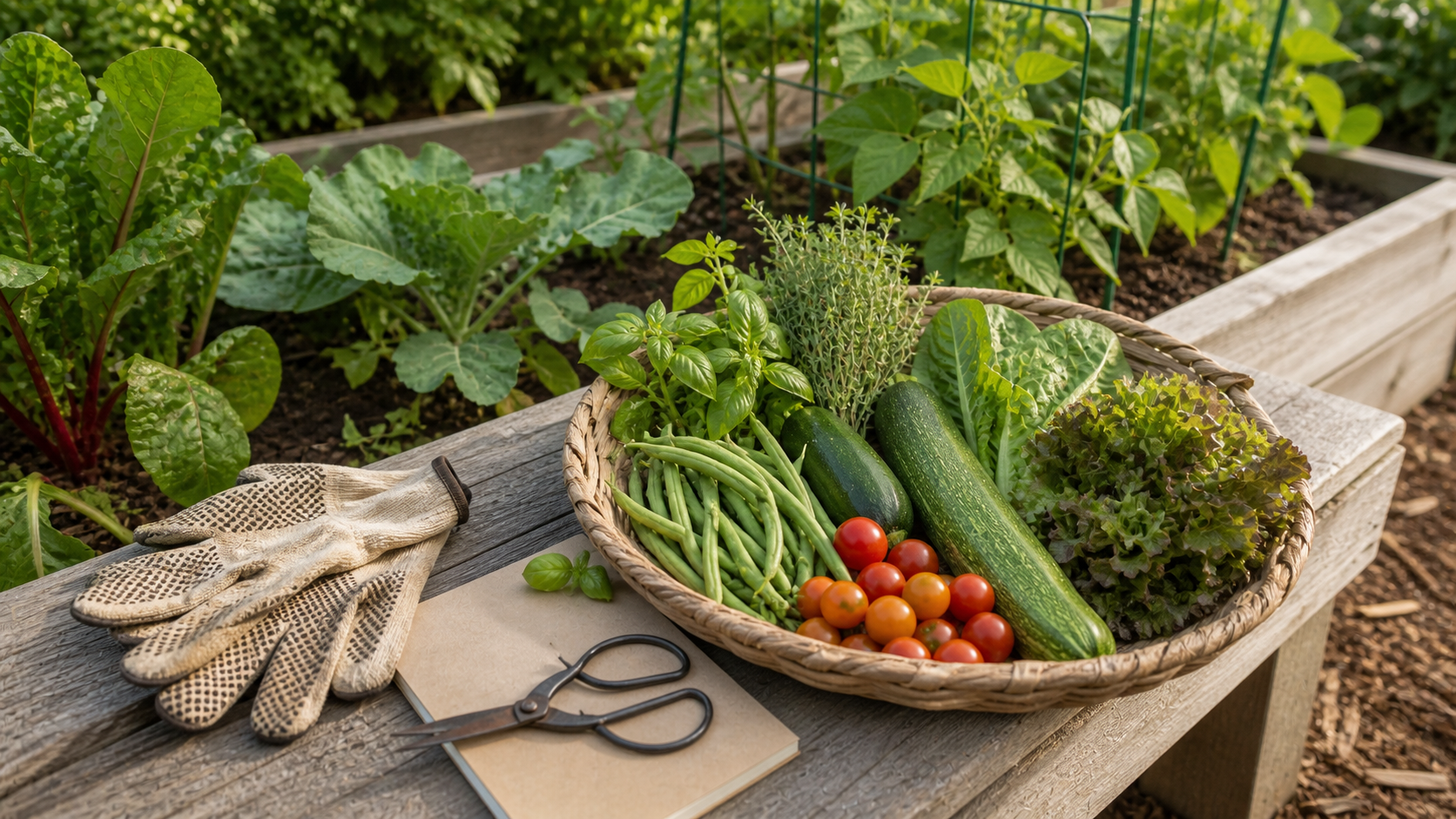
The first harvest from a beginner vegetable garden can feel oddly complicated. You waited weeks for something to happen, then suddenly you are standing there wondering whether the zucchini is too small, the beans are ready, the lettuce should be cut, or the tomato needs one more day.
Here is the calmer way to think about it: your first harvest is not a final exam. It is feedback. Pick the crops that are tender, ready, and useful now. Leave the crops that need more time. Then write down what the garden is teaching you before the season turns into a blur.
The first basket changes how you see the garden
There is a quiet shift that happens when the garden finally sends food back into the house. Before that, it is mostly a project: beds, soil, water, mulch, labels, weeds, and a lot of checking to see if anything is happening.
Then one day you come in with a handful of basil, a few beans, maybe a too-small zucchini because you were nervous to leave it, and a tomato that probably could have used one more afternoon. It is not enough to feed the whole family. It is not the photo people imagine when they say homestead harvest. But it is proof.
That first little basket matters because it turns the garden from an idea into a household rhythm. You stop asking only, 'Is it growing?' and start asking better questions: What should we eat tonight? What needs picking before it gets oversized? What do I want to plant less of next year? What was actually worth the space?
What to pick first
The first things to harvest are usually the crops that reward frequent picking. These are the vegetables and herbs that get tougher, oversized, bitter, seedy, or wasted when you wait too long.
First garden planning
Turn harvest notes into a better garden plan.
If your first harvest is already showing what worked and what was too much, connect it back to the first garden planning guide before next season gets bigger.
Read the first garden guideThe crops that teach you fastest
Herbs are often the easiest first win. Cut a little basil for eggs, parsley for potatoes, or cilantro before it bolts. Herbs teach you that harvesting is not always taking the whole plant. Sometimes it is just using what the plant can spare.
Leafy greens teach the same lesson. Instead of waiting for one perfect head of lettuce, you can harvest outer leaves and let the center keep growing. That approach fits a beginner garden because it gives you food sooner and keeps the bed useful longer.
Green beans, cucumbers, and zucchini are different teachers. They reward attention. If you ignore them for a few days in warm weather, the plant may still be fine, but the harvest can get oversized faster than you expected.
What to leave alone a little longer
Not everything should be picked early. Some crops need time to size up, cure, sweeten, or finish their real purpose. If you harvest them too soon, you trade patience for disappointment.
The point is not to memorize every crop perfectly. The point is to know which crops get worse when ignored and which crops get better when you wait. That one distinction removes a lot of beginner anxiety.
What to use for harvesting
You do not need a whole harvesting setup. A basket, small snips, and a bowl or towel near the sink are enough for most beginner gardens. The goal is to make picking and using the food easy, not to create another gear category.
Recommendations
Simple harvest tools that can earn their place
Useful first harvest tool
Garden harvest basket
A shallow basket or garden trug keeps tender greens, beans, herbs, and tomatoes from being crushed on the way back to the kitchen.
Best for: Beginners who are tired of carrying produce in shirt hems, pockets, or random bowls
Check current priceLow-cost helper
Garden scissors or harvest snips
A small pair of clean snips helps harvest herbs, lettuce, beans, and tender stems without yanking plants out of the soil.
Best for: Herbs, greens, beans, and small harvests where pulling causes damage
Check current priceOnly if you grow greens
Salad spinner
A basic salad spinner helps wash and dry lettuce, herbs, and tender greens before they turn into a wet pile in the fridge.
Best for: Families actually eating leafy greens from the garden
Check current priceA simple first harvest routine
That last note is the part beginners skip, and it is the part that makes next year easier. Harvesting teaches you what your household uses, not just what the seed packet promised.
A realistic beginner harvest scenario
Imagine a small raised bed with two tomato plants, a few beans, herbs, lettuce, one zucchini, and a cucumber vine that is starting to get ahead of you. The first good harvest might be a handful of basil, a few lettuce leaves, five or six beans, one small zucchini, and two cherry tomatoes.
That does not look like pantry security yet. It looks like dinner getting a little more honest. The basil goes into eggs or pasta. The lettuce becomes lunch. The zucchini gets sliced before it turns into a baseball bat. The tomatoes get eaten before anyone finds a bowl.
Then you write one line: beans are worth more space, lettuce needs more shade, one zucchini plant may be enough. That note is the real harvest. The food matters, but the learning compounds.
Crop choices
Use this harvest to choose better crops next time.
If your first harvest showed what your family actually eats, use the beginner crop guide to plan a tighter, more useful next planting.
Read what to plant firstWhat can wait
Preserving gear can usually wait. Big canning plans can wait. A dehydrator can wait. Fancy harvest crates can wait. Your first job is to notice what ripens, use it while it is good, and learn what the garden can realistically feed in this season.
If you miss the perfect harvest window
You will. Every beginner does. A cucumber will hide until it is too big. Beans will get tough. Lettuce may bolt. A tomato may split after rain. None of that means you failed. It means the garden is alive and the timing is real.
When something gets away from you, do the simple repair: remove what is no longer useful, harvest what still is, and make a note. The only waste that truly repeats is the waste you refuse to learn from.
Garden recovery
If the garden already feels messy, start with triage.
A first harvest often happens in a garden that is not perfectly tidy. Use the messy-garden guide if weeds, overgrowth, or missed timing are making the next step hard to see.
Read the messy garden guideWhat matters most
The first harvest is not about proving the garden was worth it. It is about bringing the work back into the house in a way your family can actually use.
Pick the tender crops before they turn. Leave the patient crops alone. Use what you harvest quickly. Write down what the garden taught you. That is how a beginner garden becomes less random and more useful each season.
Recommended next reads
Keep reading
If this harvest gave you useful information, these guides help turn it into a better next planting and a calmer garden rhythm.
Gardening
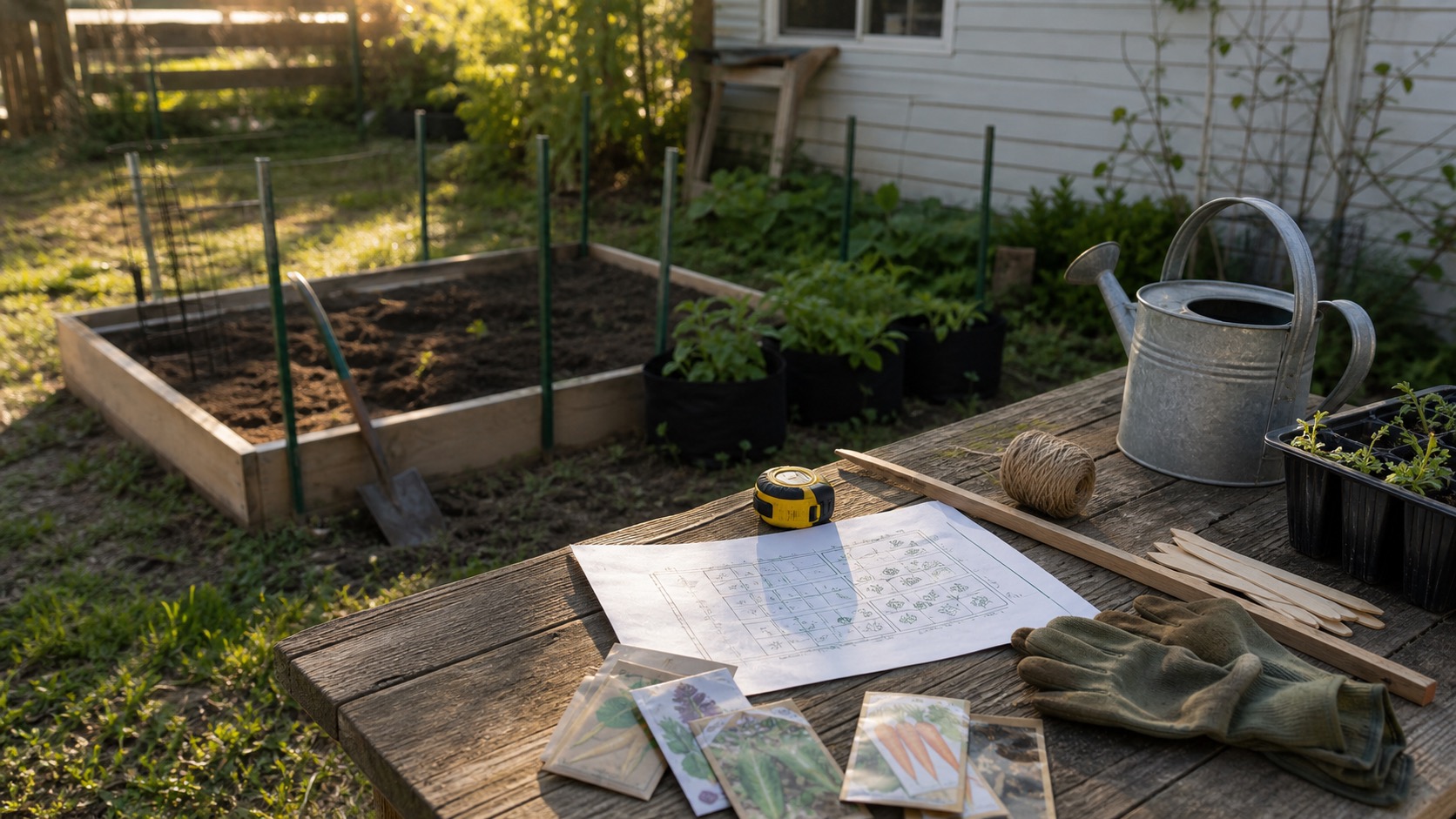
How to Plan Your First Homestead Garden Without Doing Too Much
A successful first garden is smaller, clearer, and less romantic than many beginners expect. That is a good thing.

Gardening
What to Plant First in a Beginner Homestead Garden
A practical crop-selection guide for first gardens: what to plant first, what to skip for now, and how to choose crops that teach useful skills without overwhelming the week.
Gardening
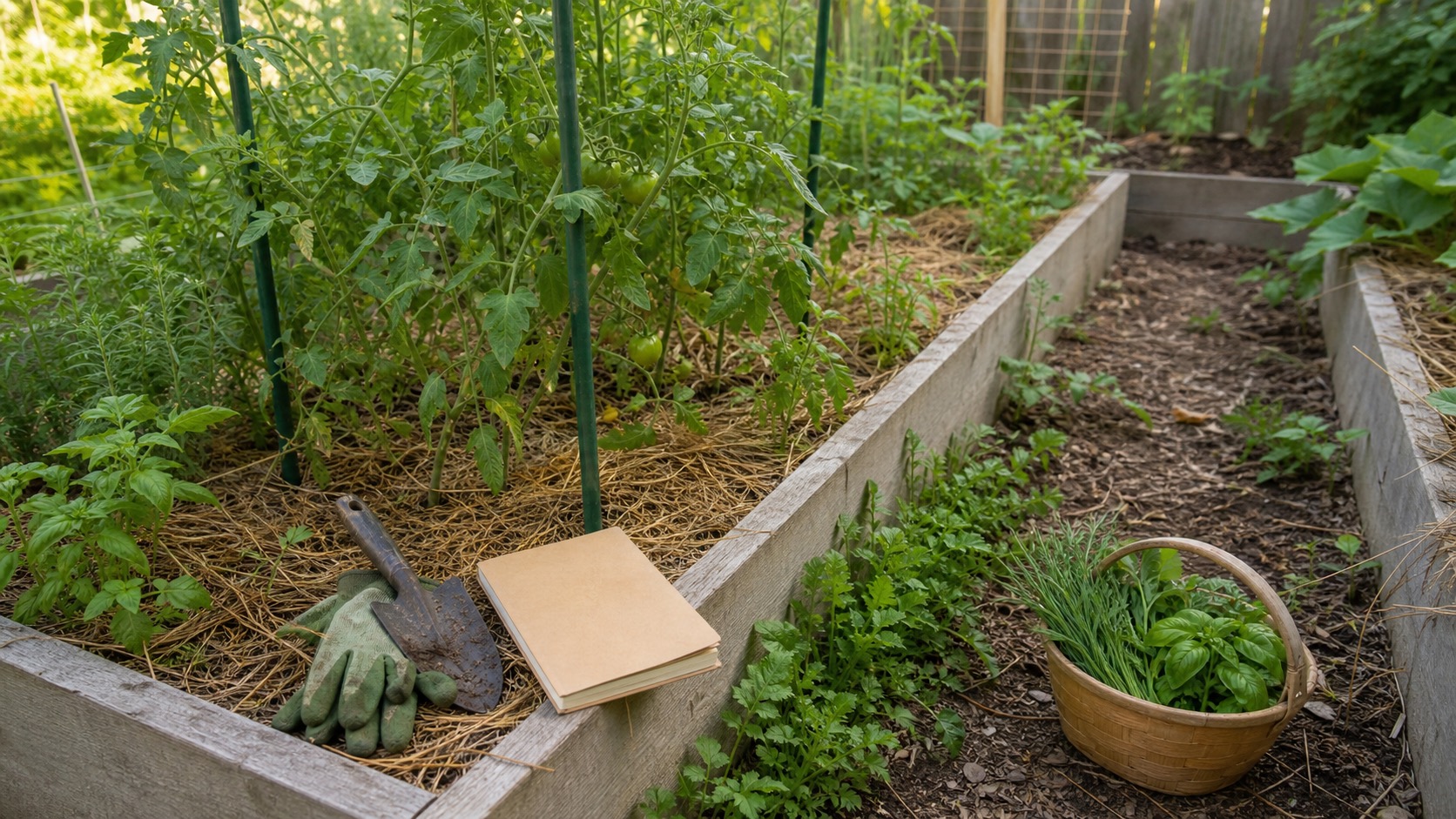
What to Do When Your First Garden Starts Looking Messy
A calm beginner guide for the moment your first vegetable garden starts looking messy: what to fix first, what to ignore, and how to recover without starting over.
Frequently asked questions
What should a beginner harvest first from a vegetable garden?
Harvest fast, tender crops first: herbs, lettuce leaves, green beans, small zucchini, cucumbers, radishes, and cherry tomatoes as they ripen. These crops reward frequent picking and help beginners build confidence.
Is it better to harvest vegetables early or wait?
It depends on the crop. Many vegetables taste better when picked young and tender, while crops like full-size tomatoes, winter squash, potatoes, and storage onions need more time.
How often should I check a beginner garden for harvests?
During warm weather, check productive crops every day or two. Beans, cucumbers, zucchini, herbs, and leafy greens can move from perfect to oversized faster than beginners expect.
What should I do if I harvested too much?
Use the most perishable crops first, share extras quickly, and make a note for next season. A small amount of waste is information, not failure.
Recommendations
Useful tools and resources for this decision
These are included only where they reduce repeated friction, clarify a next step, or help you avoid buying the wrong thing first.
Useful first harvest tool
Garden harvest basket
A shallow basket or garden trug keeps tender greens, beans, herbs, and tomatoes from being crushed on the way back to the kitchen.
Best for: Beginners who are tired of carrying produce in shirt hems, pockets, or random bowls
Check current priceLow-cost helper
Garden scissors or harvest snips
A small pair of clean snips helps harvest herbs, lettuce, beans, and tender stems without yanking plants out of the soil.
Best for: Herbs, greens, beans, and small harvests where pulling causes damage
Check current priceOnly if you grow greens
Salad spinner
A basic salad spinner helps wash and dry lettuce, herbs, and tender greens before they turn into a wet pile in the fridge.
Best for: Families actually eating leafy greens from the garden
Check current priceRead next
First garden planning guide
Use the first garden planning guide if your harvest is already teaching you that the garden needs a simpler layout next season.
Best for: Turning harvest notes into a better next garden
Read the guideRecommended next reads
Read next if it helps the decision
Move into the next guide only if it clarifies the next practical step.
Gardening
How to Plan Your First Homestead Garden Without Doing Too Much
A successful first garden is smaller, clearer, and less romantic than many beginners expect. That is a good thing.
Gardening
What to Plant First in a Beginner Homestead Garden
A practical crop-selection guide for first gardens: what to plant first, what to skip for now, and how to choose crops that teach useful skills without overwhelming the week.
Gardening
What to Do When Your First Garden Starts Looking Messy
A calm beginner guide for the moment your first vegetable garden starts looking messy: what to fix first, what to ignore, and how to recover without starting over.
Garden gear support
Get the buy-first guide before the first garden collects too much gear.
Use the guide to decide which early garden purchases earn money now, which ones can be borrowed, and which ones can wait until the routine proves itself.
Best for: Beginners who keep seeing useful things online and need a disciplined way to decide what actually earns a place.
- A buy now, borrow, wait, or skip framework
- Starter category shortlists
- A three-question purchase test
Garden planning notes, restrained gear decisions, and the guide first.
After signup, the download will unlock right here so you can save or print it.
About the author
William Mock
Founder, writer, and beginner homesteader
William writes from the beginner side of rebuilding after a layoff: homestead plans, family systems, budgets, tools, and the decisions that make a home feel less fragile.
Read why this site existsRelated Guides
Keep building context
Gardening
How to Plan Your First Homestead Garden Without Doing Too Much
A successful first garden is smaller, clearer, and less romantic than many beginners expect. That is a good thing.
Gardening
What to Plant First in a Beginner Homestead Garden
A practical crop-selection guide for first gardens: what to plant first, what to skip for now, and how to choose crops that teach useful skills without overwhelming the week.
Gardening
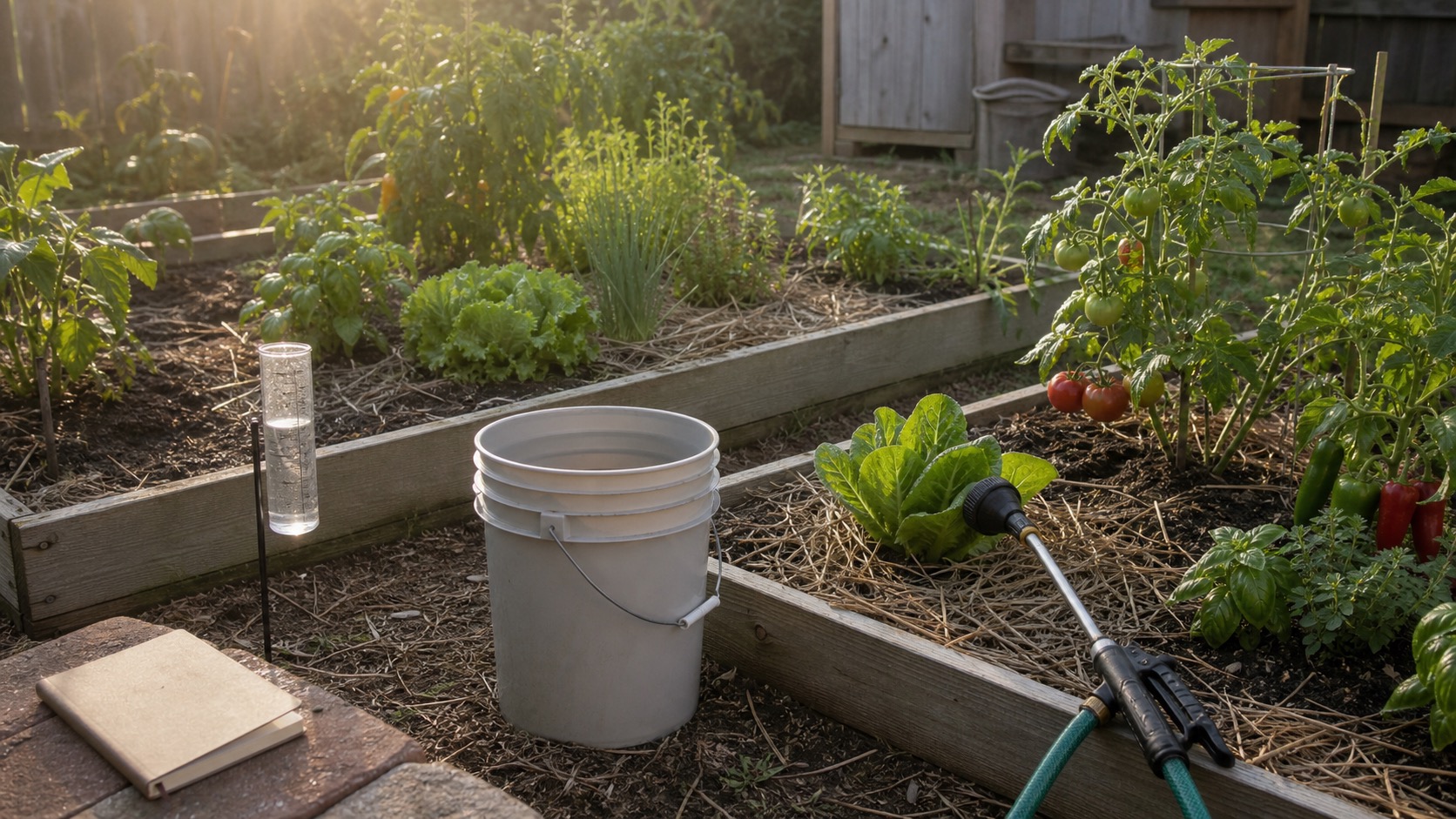
How to Water a Beginner Vegetable Garden Without Guessing
A practical beginner watering guide for small vegetable gardens: how much water plants need, how to check soil moisture, when to water, and what to stop doing.