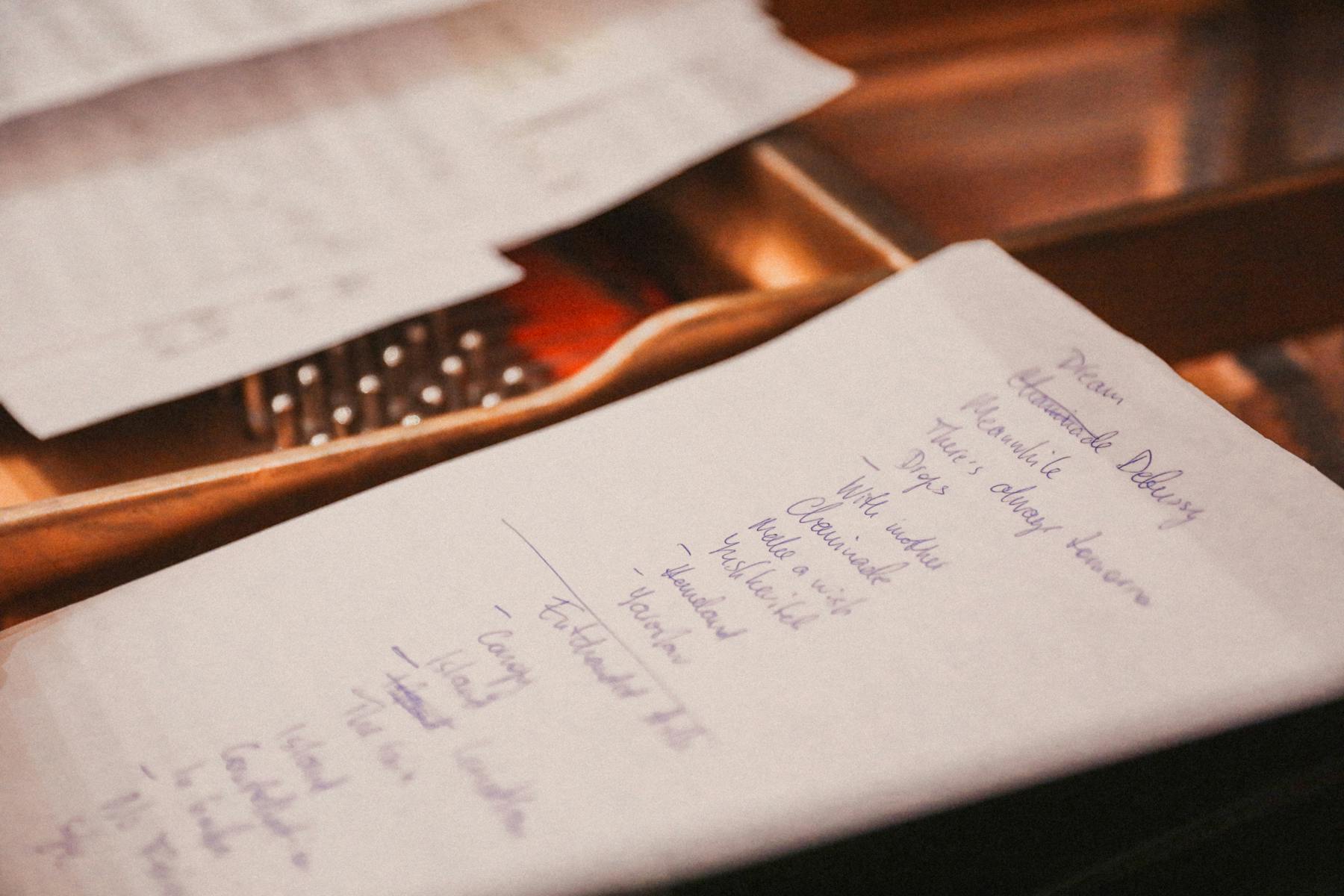
Most beginners do not fail because they lack passion. They fail because the first wave of spending creates stress before the first systems are even stable. Budgeting is not separate from homesteading. It is part of how you start well.
That is what makes this article commercially important without needing to feel commercial. Readers landing here are usually close to spending. The useful move is not to push that urgency harder. It is to help them spend in a way that protects momentum.
What to buy first
These are not always the most exciting purchases, which is exactly why they matter. Storage, planning, buckets, and one solid tool for recurring work do more for a first season than the highly specific thing you might use twice and then resent.
What usually earns budget fastest
The pattern is simple: buy where repetition is already obvious. If you cannot point to the repeated task, you probably do not have a strong enough case yet.
What can usually wait
What a good first-year budget actually feels like
A good budget does not feel exciting. It feels clarifying. It narrows the field, keeps one project moving, and leaves enough margin that a mistake or delay does not collapse the rest of the plan.
How to decide when every purchase feels urgent
Recommendations
Low-drama purchases that usually earn their keep
Buy first
A notebook or planning sheet that stays in reach
Because better notes prevent repeat mistakes and reactive spending.
Check current priceBuy first
Simple buckets, bins, or storage totes
Because disorder quietly taxes every recurring task.
Check current priceEarns its place
One everyday tool tied to real weekly work
Because one used tool beats five admired tools.
Check current priceThe budget-first mindset is not anti-tool or anti-progress. It is anti-chaos. It lets the first year become a season of traction rather than a season of buying your way into confusion.
Next Step
Use this budget lens on the next actual product decision.
If your next purchase is chicken gear or a first garden cutting tool, move into the buyer guide that fits the repeated work you are about to support.
Read the chicken feeder guideFrequently asked questions
What should a beginner buy first for homesteading?
Start with items that support recurring chores, storage, planning, and one specific food system. Delay specialized gear until it solves a problem you actually hit more than once.
What do beginners waste money on most often?
Specialty gear, aesthetic upgrades, and bulk purchases made before the daily routine proves what the household can really maintain.
Recommended next reads
Read next if it helps the decision
Move into the next guide only if it clarifies the next practical step.
Chickens
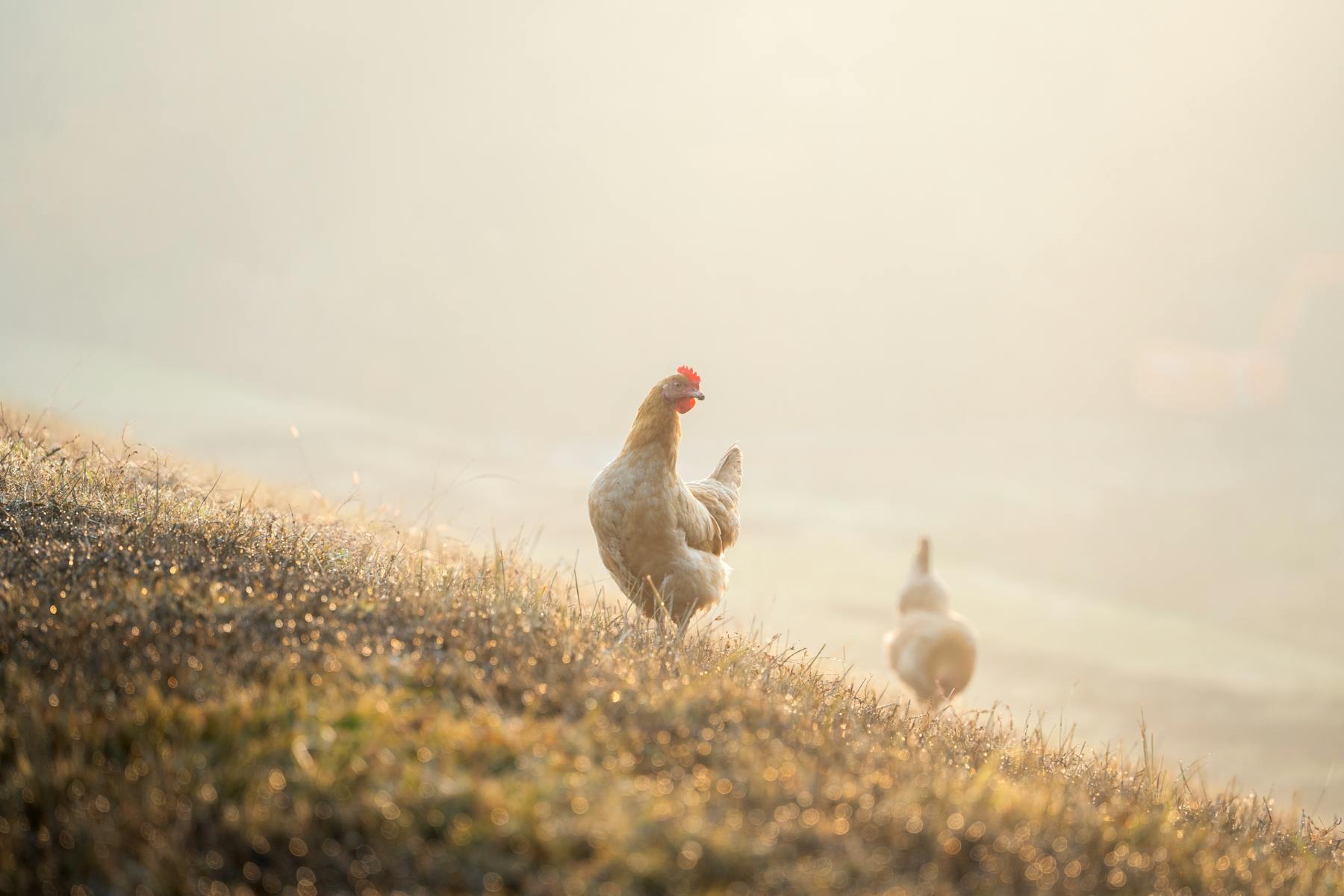
Best Chicken Feeder for Beginners
For most beginners, a simple hanging chicken feeder is the best place to start: it keeps feed cleaner, cuts down on waste, and is easy to refill without becoming another daily irritation.

Chickens
The Real Cost of Getting Started With Backyard Chickens
Backyard chickens can be a strong first step into homesteading, but the startup costs and recurring work deserve an honest look.
Homesteading
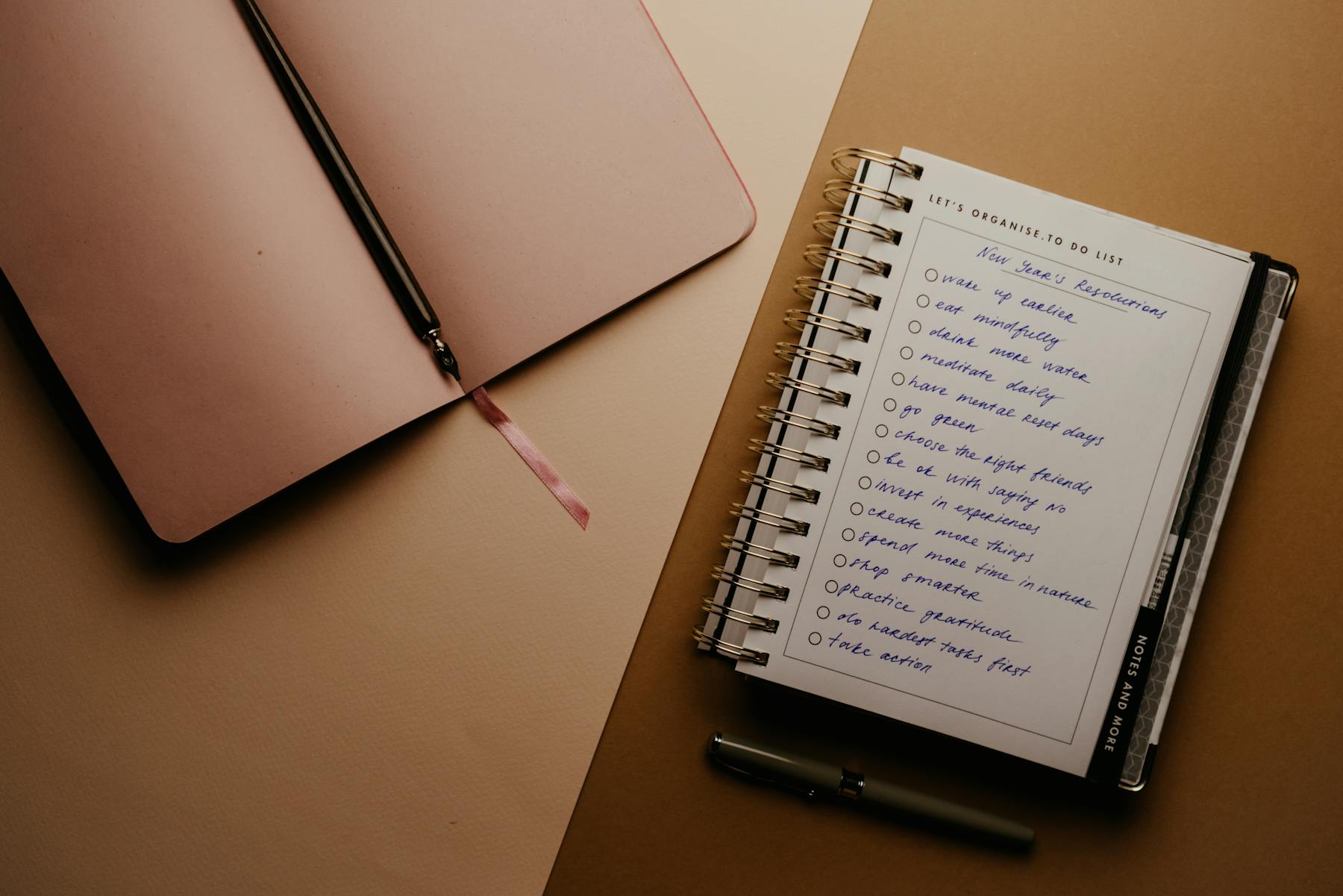
Our First-Year Homestead Priorities: What We’re Doing Now and Why
A first year goes better when priorities are chosen, not inherited. These are the systems and projects we are focusing on now and the reasons behind them.
Budget support
Get the budget worksheet before the next purchase.
Use the worksheet to sort purchases into buy now, borrow first, batch later, or skip for now while the first season is still taking shape.
Best for: Households trying to align purchases with this season's actual money, time, and attention.
- A spending-cap worksheet
- A buy, borrow, batch-later filter
- A quick review page for next-month decisions
Budget-first notes, honest tradeoffs, and the worksheet first.
After signup, the download will unlock right here so you can save or print it.
About the author
William Mock
Founder, writer, and beginner homesteader
William writes from the beginner side of rebuilding after a layoff: homestead plans, family systems, budgets, tools, and the decisions that make a home feel less fragile.
Read why this site existsRelated Guides
Keep building context
Homesteading
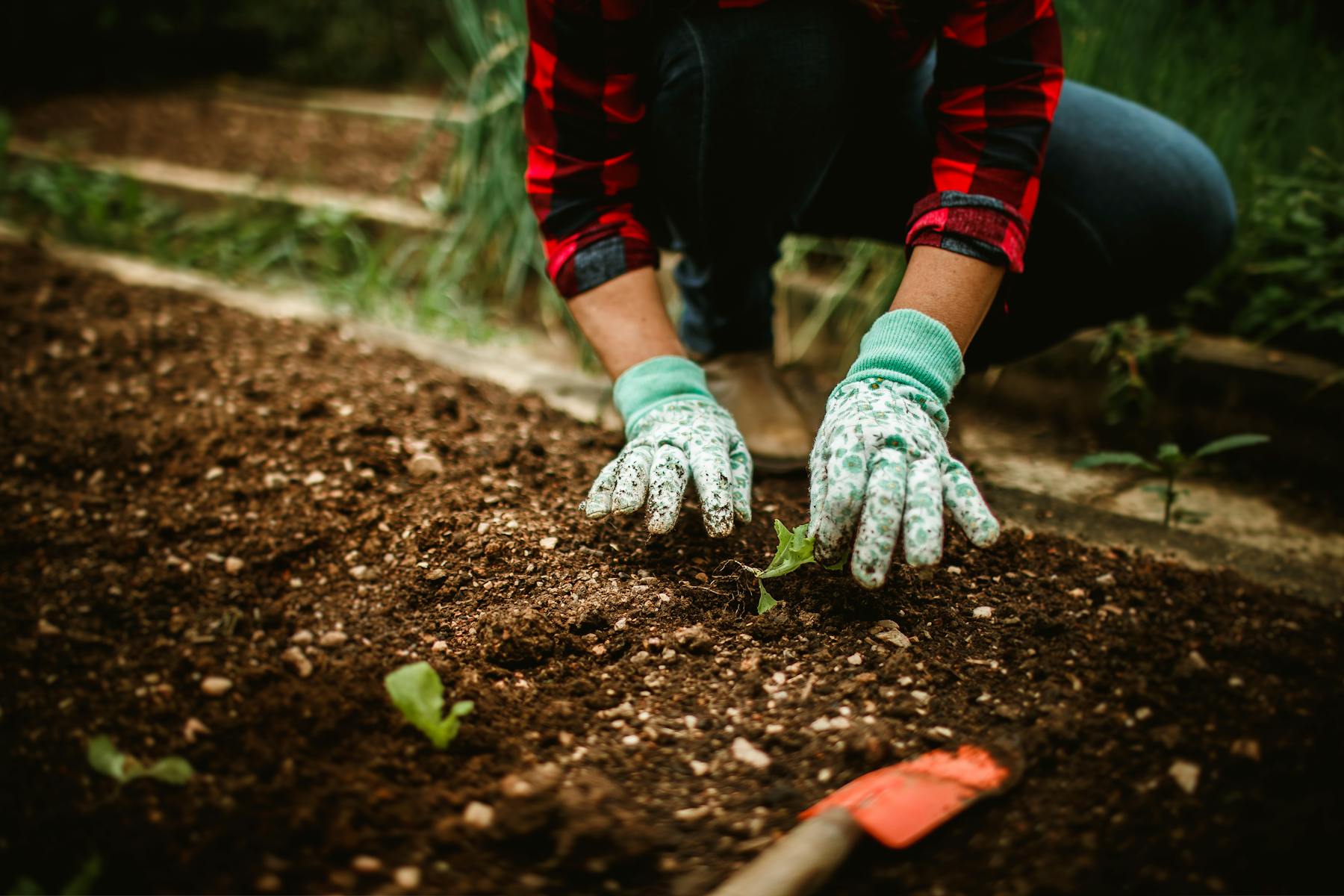
Beginner Homesteading: Where to Start When You Feel Overwhelmed
If homesteading feels meaningful but overwhelming, start with a simpler order of operations instead of trying to do everything at once.

Tools
Best Beginner Pruning Shears: Bypass vs. Anvil
Start with a comfortable bypass pruner for routine small cuts. Compare bypass and anvil styles, hand fit, cutting capacity, and what can wait.
Tools
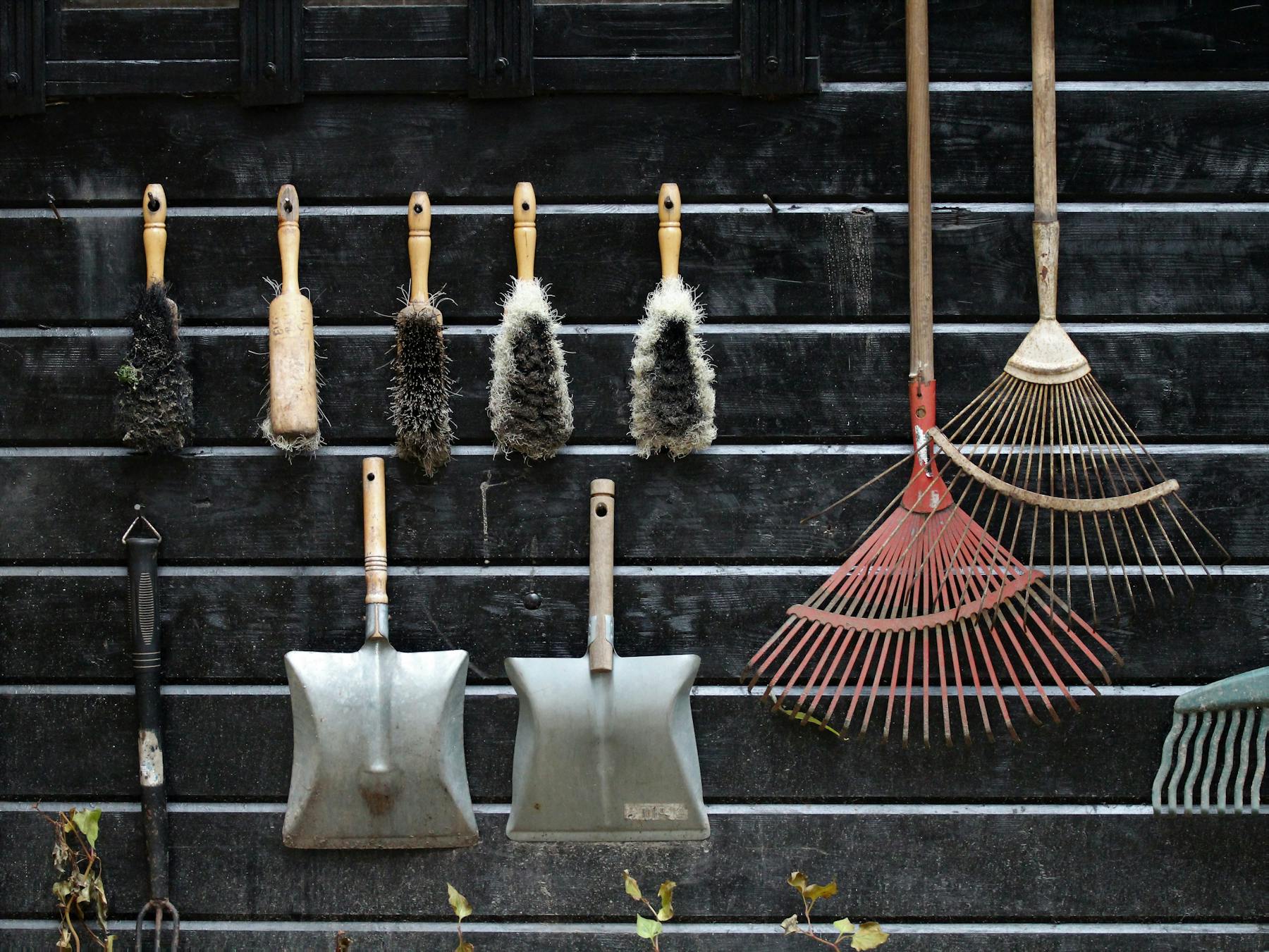
Tools I Actually Use on Our Homestead
A small list of genuinely useful tools beats a big fantasy shopping cart. These are the kinds of things that keep earning their place.