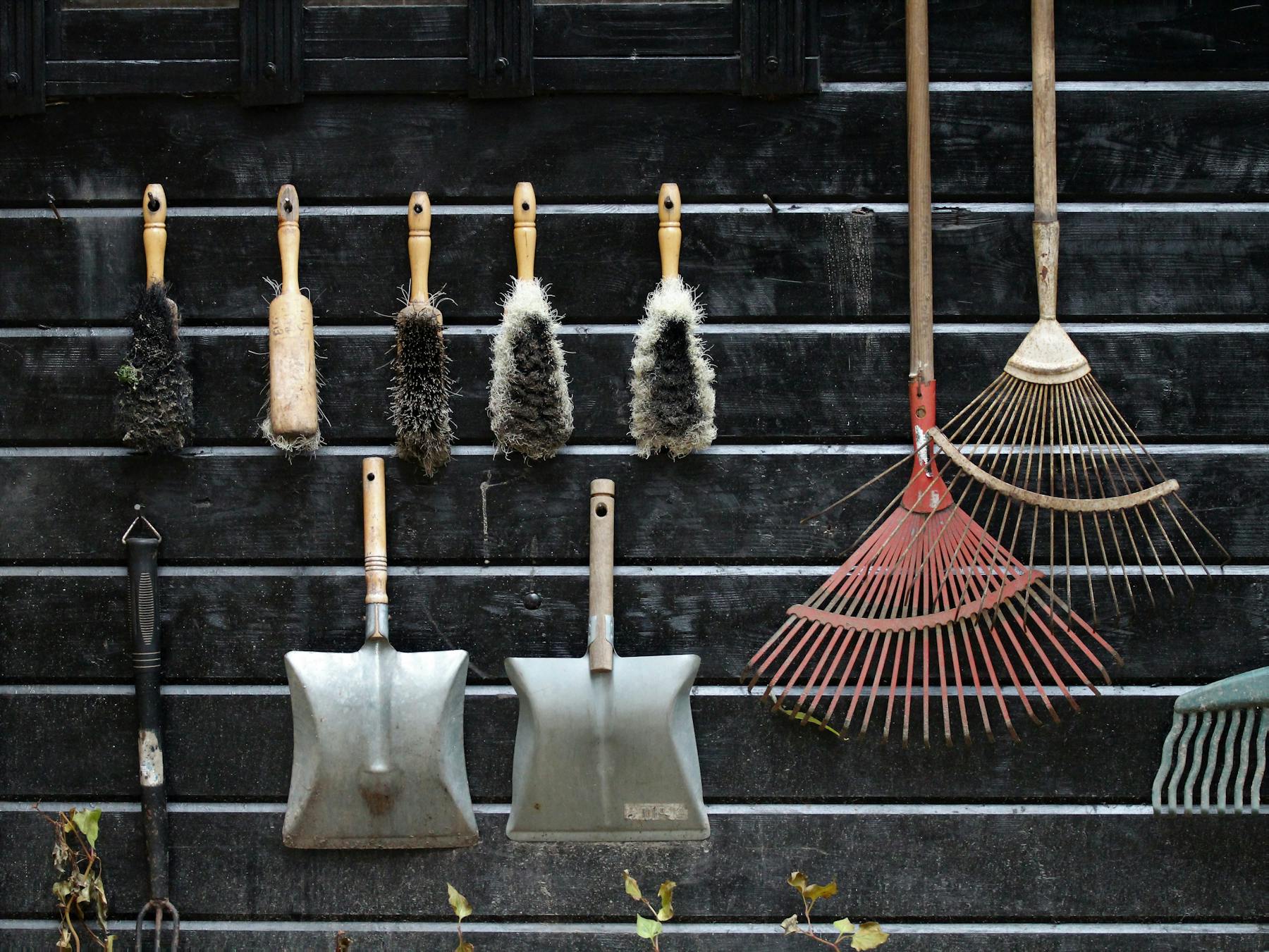
I am increasingly suspicious of any tool list that feels aspirational. A good beginner tool list should reduce friction, not create a bigger identity project around buying things.
That suspicion is useful because tool articles often attract people who are ready to buy something right now. The honest job of a page like this is not to help you spend faster. It is to help you spend on tools that will still make sense three ordinary months from now.
What earns its place
Recommendations
Three categories worth prioritizing
Carry and storage tools
Buckets, bins, and totes keep daily work from turning into extra trips and scattered mess.
Check current priceSimple hand tools
A few durable basics beat a bloated shed of rarely used gear.
Check current pricePlanning tools
Good notes save money because they keep you from repeating avoidable mistakes.
Check current priceNotice how unglamorous those categories are. That is the point. The best beginner tools are the ones that reduce extra walking, extra cleanup, extra delay, and extra decision-making. They serve the work, not the identity.
What I do not want a tool list to do
I do not want a tool list to turn someone’s fresh start into a spending spree disguised as preparation. A good tool list should lower friction, reduce waste, and clarify what you actually do often enough to justify owning better gear.
My short first-tool list for a real beginner
The test is simple: does this tool make next week easier, or does it merely flatter the image of the life you want? If it does not clearly improve repetition, it has not earned much budget yet.
Three beginner tool mistakes that cost more than they look
A good tool article should leave you calmer than when you arrived. If it makes you feel like your setup is embarrassingly incomplete unless you buy ten things, it is serving the wrong goal.
What I would actually buy in order
That last step is the part most people skip. A good tool list has a stop point. If you cannot name the recurring annoyance the next purchase is solving, you probably do not need the purchase yet.
Choose The Actual Tool First
Use the pruning-shears guide before adding more tool noise.
If a cutting tool is one of the first real purchases on your list, narrow that choice first, then come back to the broader budget lens.
Read the pruning-shears guideRecommended next reads
Read next if it helps the decision
Move into the next guide only if it clarifies the next practical step.

Chickens
The Real Cost of Getting Started With Backyard Chickens
Backyard chickens can be a strong first step into homesteading, but the startup costs and recurring work deserve an honest look.
Buy-first support
Get the buy-first guide before you add another tool.
Use the buy-first guide to decide what earns money now, what can be borrowed, and what belongs on the wait list.
Best for: Beginners who keep seeing useful things online and need a disciplined way to decide what actually earns a place.
- A buy now, borrow, wait, or skip framework
- Starter category shortlists
- A three-question purchase test
Practical tool notes, restrained gear decisions, and one disciplined guide first.
After signup, the download will unlock right here so you can save or print it.
About the author
William Mock
Founder, writer, and beginner homesteader
William writes from the beginner side of rebuilding after a layoff: homestead plans, family systems, budgets, tools, and the decisions that make a home feel less fragile.
Read why this site existsRelated Guides
Keep building context

Tools
Best Beginner Pruning Shears: Bypass vs. Anvil
Start with a comfortable bypass pruner for routine small cuts. Compare bypass and anvil styles, hand fit, cutting capacity, and what can wait.
Budgeting
Homesteading on a Budget: What to Buy First and What Can Wait
If money is tight, the smartest homestead purchases are the ones that reduce friction quickly and keep you from rebuying the same lesson twice.

Chickens
Building a Chicken Tractor With Limited Carpentry Skills
Chicken tractors look simple from a distance. In practice, the details that matter most are movement, weather, and whether the build actually fits your skill level.