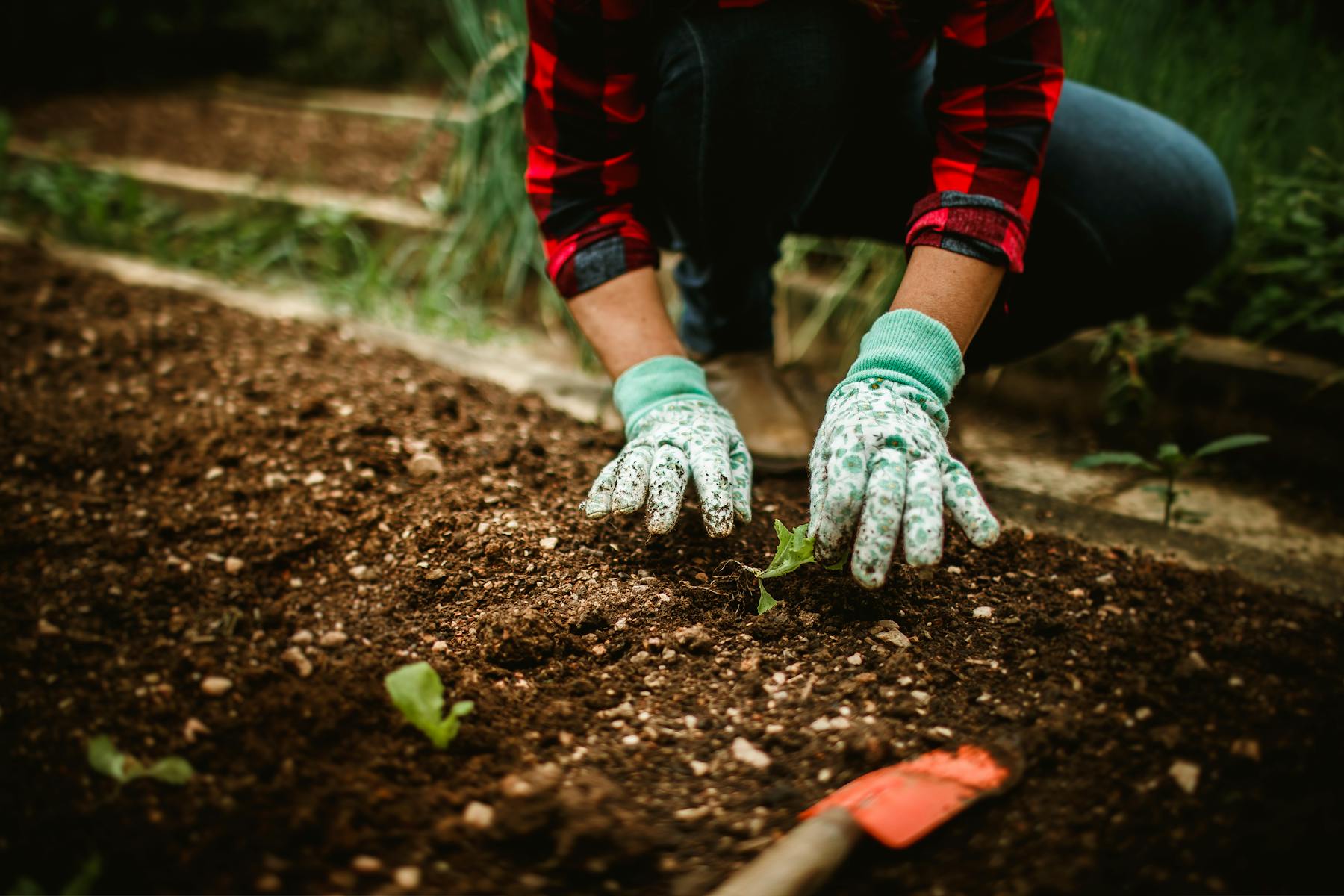
If you feel overwhelmed starting a homestead, begin with one written vision, one budget boundary, one food system, and one weekly routine. That order gives beginner homesteading a practical path instead of turning every good idea into a project.
Most beginners do not need more inspiration. They need a calmer sequence. The fastest way to burn out is to confuse everything that sounds meaningful with everything that has to happen right now.
Build in four layers
That order matters because it protects you from the two most common beginner problems: trying to buy clarity instead of building it, and taking on recurring work before the household is ready to carry it calmly.
The beginning that looked too small to count
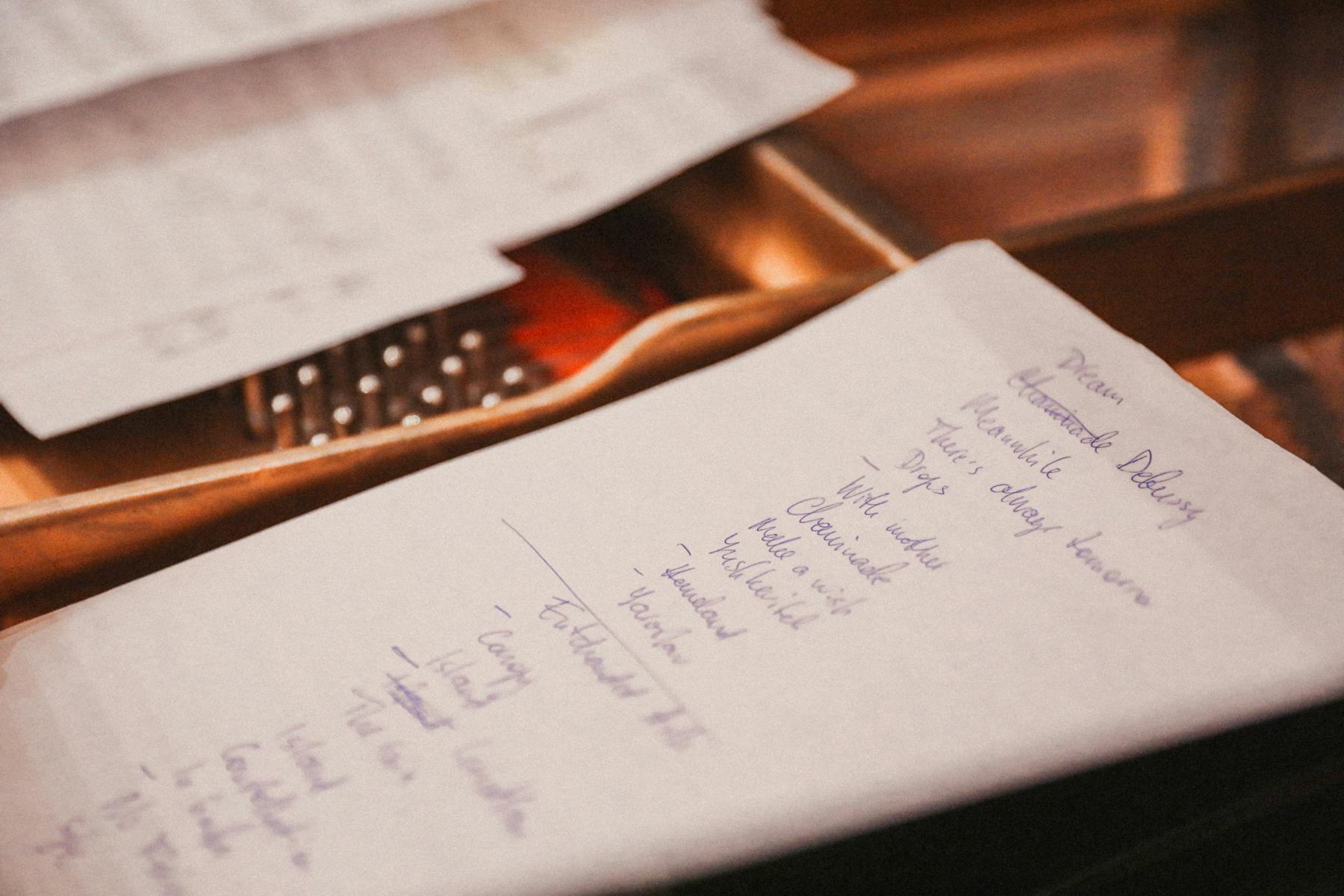
The beginning did not look like the version of homesteading that gets shared the most. It looked like notes on a table, a budget that needed more honesty, a few food questions we could answer this month, and a lot of ideas that had to wait their turn. I had to fight the feeling that if the start was not visually impressive, maybe it did not count.
But that smaller beginning told the truth. We did not need a bigger identity first. We needed a steadier household rhythm, a clearer budget, and one food system that could survive a normal week. Once I saw that, the first step felt less like settling and more like building on ground that could actually hold weight.
That is the piece I want overwhelmed beginners to keep. If your first version looks like a notebook, a spending limit, and one modest project, it may be closer to the real work than the polished version you were comparing yourself to.
The short answer for overwhelmed beginners
If you want the shortest useful version, start with one simple food system, one written budget, and one weekly planning habit. That combination gives you feedback fast without blowing up your schedule or your wallet.
Main Topic Hub
Use the beginner homesteading hub when you need the bigger path.
The hub keeps the main beginner guides in order: first steps, priorities, food systems, budgets, tools, and routines.
Open the beginner homesteading hubWhere beginners usually overdo it
What a better first season looks like
A good first season is not the one with the most projects. It is the one where a few systems actually survive ordinary weeks. That usually means one modest food system, one clearer budget, and one repeatable reset rhythm that keeps the whole effort from scattering.
If you feel behind already
You are probably comparing your beginning to somebody else’s edited middle. Ignore that. A real start often looks like a notebook, a short list, and a willingness to learn more slowly than the internet rewards. That is not weak. That is durable.
What to start with based on your season of life
Common beginner mistakes that create avoidable stress
The real goal of a first season is not to prove your seriousness. It is to gather clean information. You want to learn what fits your budget, your schedule, your weather, your space, and your actual appetite for recurring work.
That is why this article is meant to function like a route map. If you want the personal story behind the site, read the fresh-start article. If you want to see the exact priorities guiding our own current season, read the first-year priorities piece. This page is the practical orientation layer between those two things.
Download
Beginner Homestead Starter Checklist
Use this checklist to choose your next right step without overspending.
Get the checklistRecommended next reads
Choose the first purchases more carefully
If you already know you are leaning toward chickens or garden tools, move into the buyer guides before the cart gets scattered.
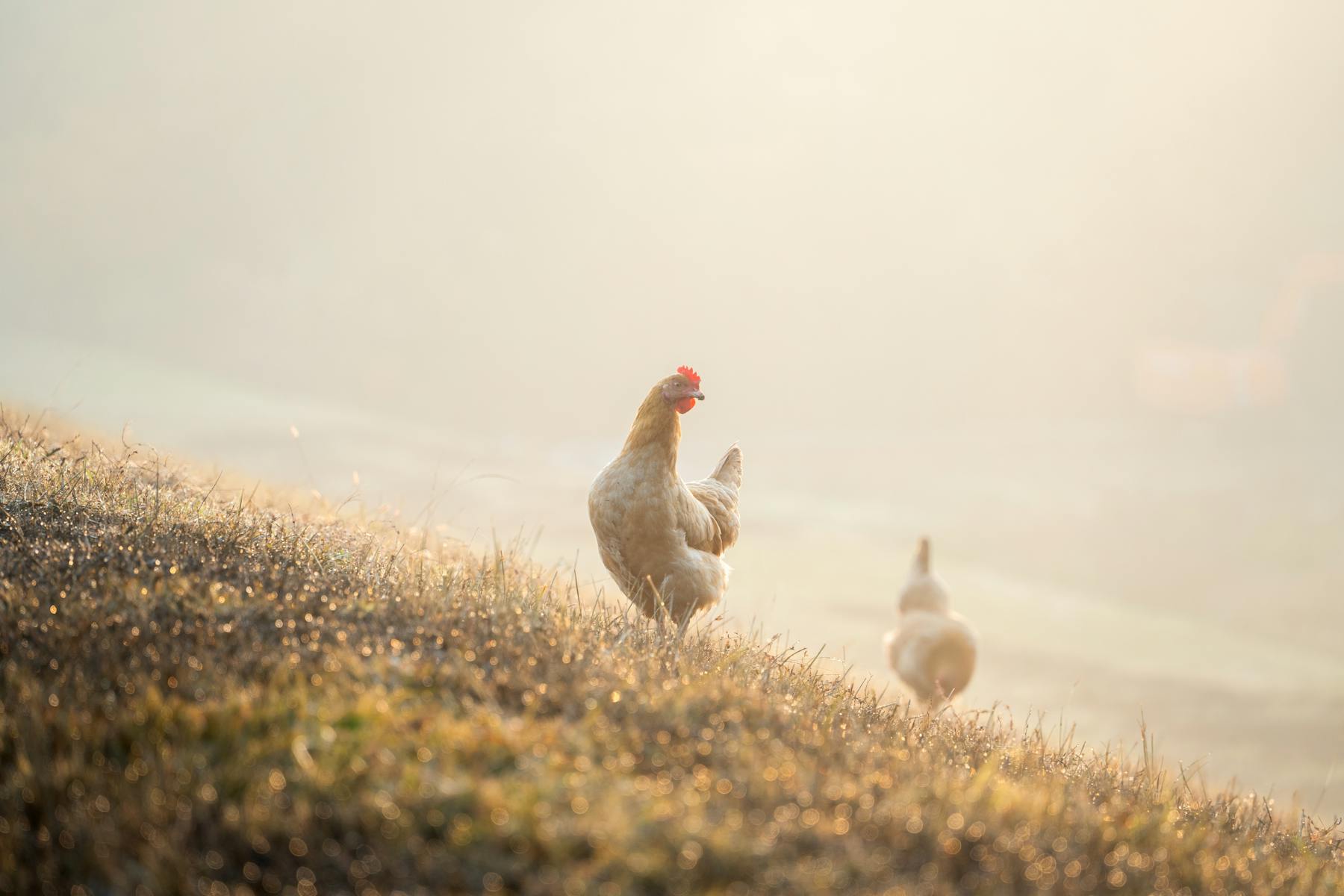
Chickens
Best Chicken Feeder for Beginners
The best chicken feeder for beginners is usually the one that stays boring: low mess, enough capacity, weather-tolerant, and easy to refill without becoming another daily irritation.

Tools
Best Pruning Shears for Beginners
A practical guide to the best pruning shears for beginners, including what actually matters, what to skip, and which simple pruner styles usually earn their place first.
Budgeting
Homesteading on a Budget: What to Buy First and What Can Wait
If money is tight, the smartest homestead purchases are the ones that reduce friction quickly and keep you from rebuying the same lesson twice.
Frequently asked questions
Do I need land to start homesteading?
No. Many people start with container gardening, pantry systems, preservation skills, and better household systems before they ever move.
What should I start with first?
Start with one manageable food system and one planning habit. That usually means a modest garden, chickens, or a clear weekly routine and budget.
Recommended next reads
Read next if it helps the decision
Move into the next guide only if it clarifies the next practical step.
Tools
Best Pruning Shears for Beginners
A practical guide to the best pruning shears for beginners, including what actually matters, what to skip, and which simple pruner styles usually earn their place first.
Budgeting
Homesteading on a Budget: What to Buy First and What Can Wait
If money is tight, the smartest homestead purchases are the ones that reduce friction quickly and keep you from rebuying the same lesson twice.

Chickens
The Real Cost of Getting Started With Backyard Chickens
Backyard chickens can be a strong first step into homesteading, but the startup costs and recurring work deserve an honest look.
First-Step Support
Get the first-step checklist before the bigger idea turns into too many projects.
A practical worksheet for choosing one system, setting a first-stage budget, and narrowing the next move while the picture is still forming.
Best for: Beginners who need a first-season plan with limits, not more tabs or more gear.
- A first-season decision checklist
- A one-system starter plan
- A buy-now versus wait-later filter
Beginner-friendly notes, useful guides, and the checklist first.
After signup, the download will unlock right here so you can save or print it.
About the author
William Mock
Founder, writer, and beginner homesteader
William writes from the beginner side of rebuilding after a layoff: homestead plans, family systems, budgets, tools, and the decisions that make a home feel less fragile.
Read why this site existsRelated Guides
Keep building context
Tools
Best Pruning Shears for Beginners
A practical guide to the best pruning shears for beginners, including what actually matters, what to skip, and which simple pruner styles usually earn their place first.
Budgeting
Homesteading on a Budget: What to Buy First and What Can Wait
If money is tight, the smartest homestead purchases are the ones that reduce friction quickly and keep you from rebuying the same lesson twice.
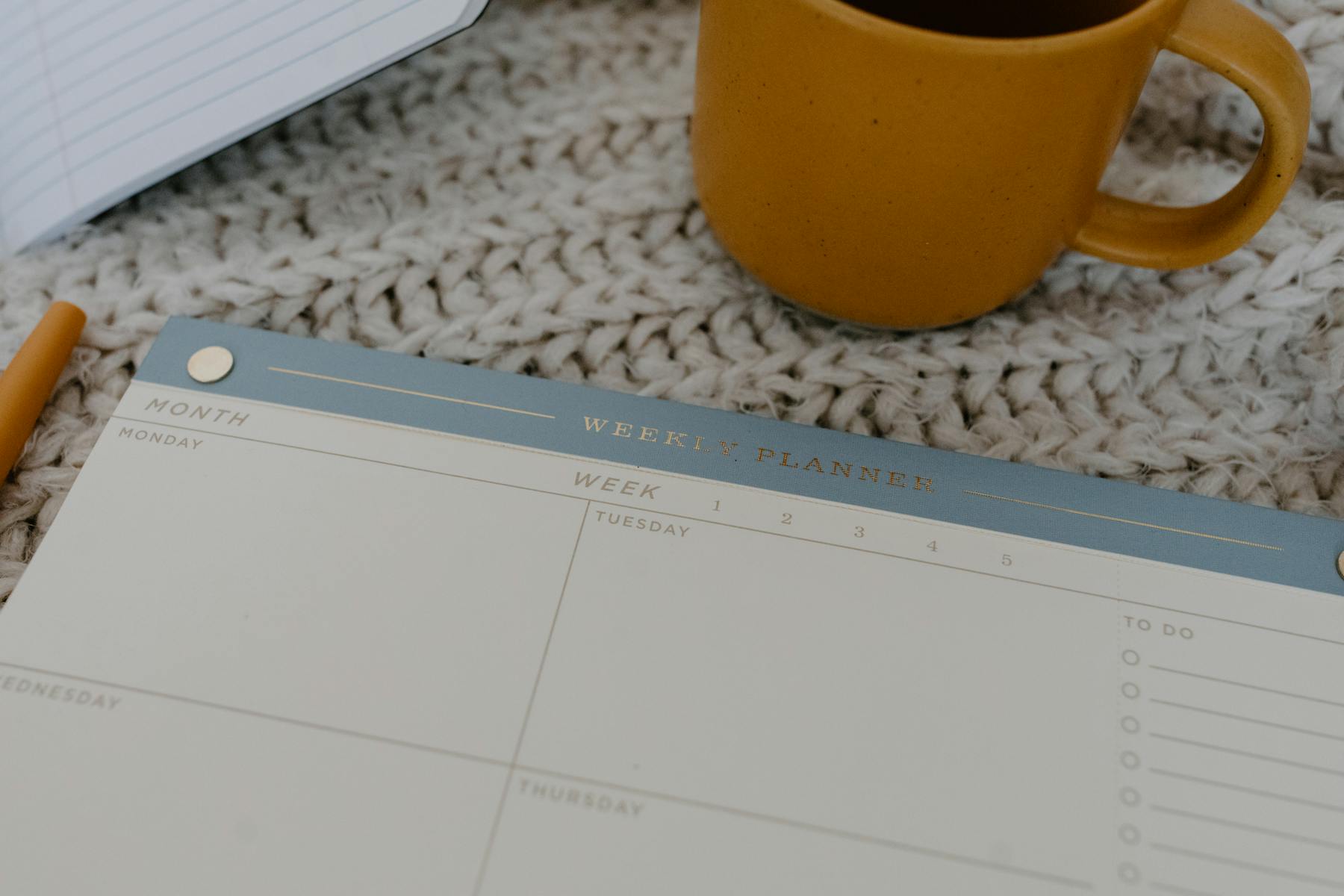
Systems
How to Build a Calmer Weekly Homestead Rhythm
A workable weekly rhythm matters more than bursts of motivation. This is how to structure a steadier, lower-drama home system.