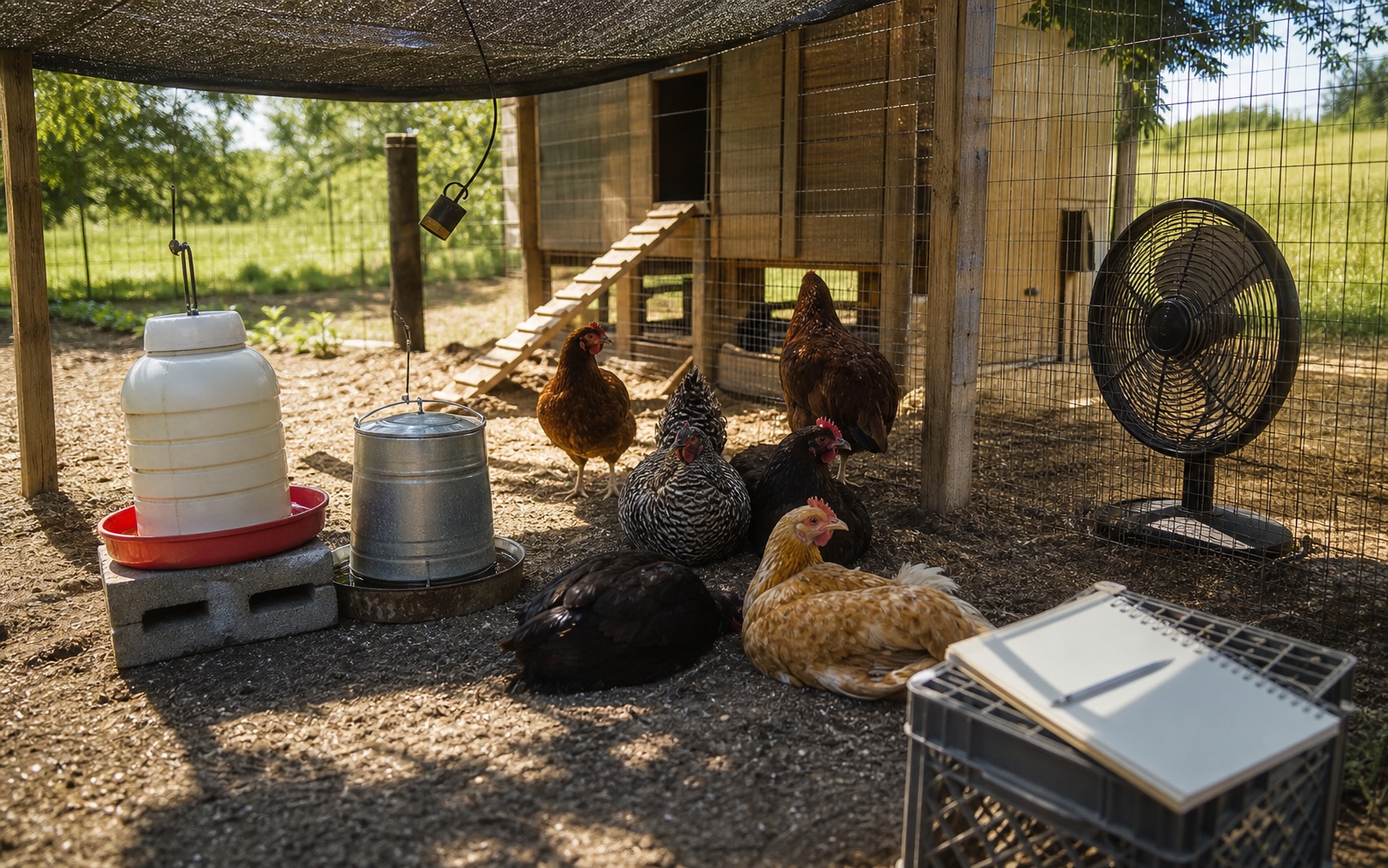
Keeping backyard chickens cool in summer starts with the unglamorous parts: cool fresh water, shade, airflow, enough space, and a routine that does not make birds work harder during the hottest part of the day.
I do not want summer chicken care to become another panic list. But heat is not something to shrug off either. Chickens do not sweat like we do. When the temperature and humidity climb, they rely on panting, behavior changes, water intake, shade, and airflow to shed heat. If the setup does not help them, the day can get dangerous faster than a beginner expects.
Why summer heat is hard on chickens
University of Minnesota Extension explains that most poultry are in their thermoneutral zone around 60 to 75 degrees Fahrenheit. As temperatures move toward the mid-80s and beyond, birds begin changing behavior, reducing intake, panting, and using more water. Humidity matters too because high humidity makes it harder for birds to lose heat through breathing.
That is why a summer plan cannot be built around the thermometer alone. A 90-degree day with dry air and a steady breeze is not the same as a 90-degree day with heavy humidity, stale air, no shade, and warm water sitting in the sun.
Start with water before anything clever
Water is the first summer system to fix. Minnesota Extension notes that birds may increase water intake by two to four times during heat stress. That means one waterer that barely works in April may become a weak point in July.
Shade and airflow work together
Shade lowers the heat load. Airflow helps move heat away from the birds. A run can look shaded and still feel miserable if air does not move through it. A coop can have vents and still trap heat if the birds are packed into a stale corner.
Be careful with feed, treats, and timing
Birds often eat less during heat. Extension guidance notes that feeding timing can matter because digestion produces heat and birds tend to fill up earlier in the day. For backyard keepers, the practical version is simple: do not make the afternoon hotter with unnecessary activity or heavy treat routines.
Keep normal balanced feed available according to your flock plan, but avoid turning summer care into a treat experiment. Cold watermelon, frozen snacks, or wet feed ideas get passed around online, but they should not replace complete feed, clean water, shade, and airflow. Treats can also spoil faster in heat and attract pests.
A realistic beginner scenario
Imagine a family with six hens, one small coop, and a run that was comfortable in spring. By late June, the sun has shifted, the waterer is warm by lunch, and the birds spend the afternoon crowding under the only shaded edge. Nothing dramatic has happened yet, but the setup is warning you.
The beginner mistake is to wait until a bird looks bad. The better move is to change the ordinary setup before the heat wave: add a second waterer, shade more of the run without closing off airflow, open the coop ventilation safely, move chores to morning, and make a quick afternoon check part of the day.
What can wait until the weather breaks
Summer is not the time to prove how much you can get done in the coop. If the birds are already under heat pressure, postpone non-urgent changes. Paint can wait. A run rearrangement can wait. Complicated new feeders can wait. The first job is keeping the flock stable.
My honest filter for summer chicken care
If I were setting up a beginner flock for summer, I would spend less energy on clever cooling tricks and more energy on the boring checks: Can every bird drink? Can every bird get out of the sun? Can air move? Is the coop hotter than the run? Is the water still clean by afternoon? Is this chore worth doing today?
That is the kind of chicken keeping I trust more over time. Not dramatic. Not complicated. Just ordinary systems that protect the birds when the weather stops being convenient.
Recommendations
Trusted resources for summer chicken heat
Extension resource
University of Minnesota Extension heat-stress guide
A practical guide to poultry heat stress, water intake, ventilation, shade, feeding timing, electrolytes, and warning signs.
Best for: Beginners who want source-backed heat-stress basics before changing routines
View resourceHot-weather care
Penn State Extension hot-weather poultry management
A hot-weather poultry resource covering shade, air movement, cool water, electrolytes, feed timing, and reducing activity.
Best for: Readers who want a second practical Extension reference
View resourceChicken Hub
Keep summer care connected to the whole flock setup.
Use the backyard chickens hub to connect summer heat, space, breed choice, feed costs, predator protection, and daily care.
Open the chicken hubRecommended next reads
Read these before the next hot week
Heat care is easier when the run size, breed choice, and monthly feed system are already realistic.

Chickens
How Much Space Do Backyard Chickens Really Need?
A practical guide to coop and run space for backyard chickens, including why minimums and workable setups are not the same thing.
Chickens
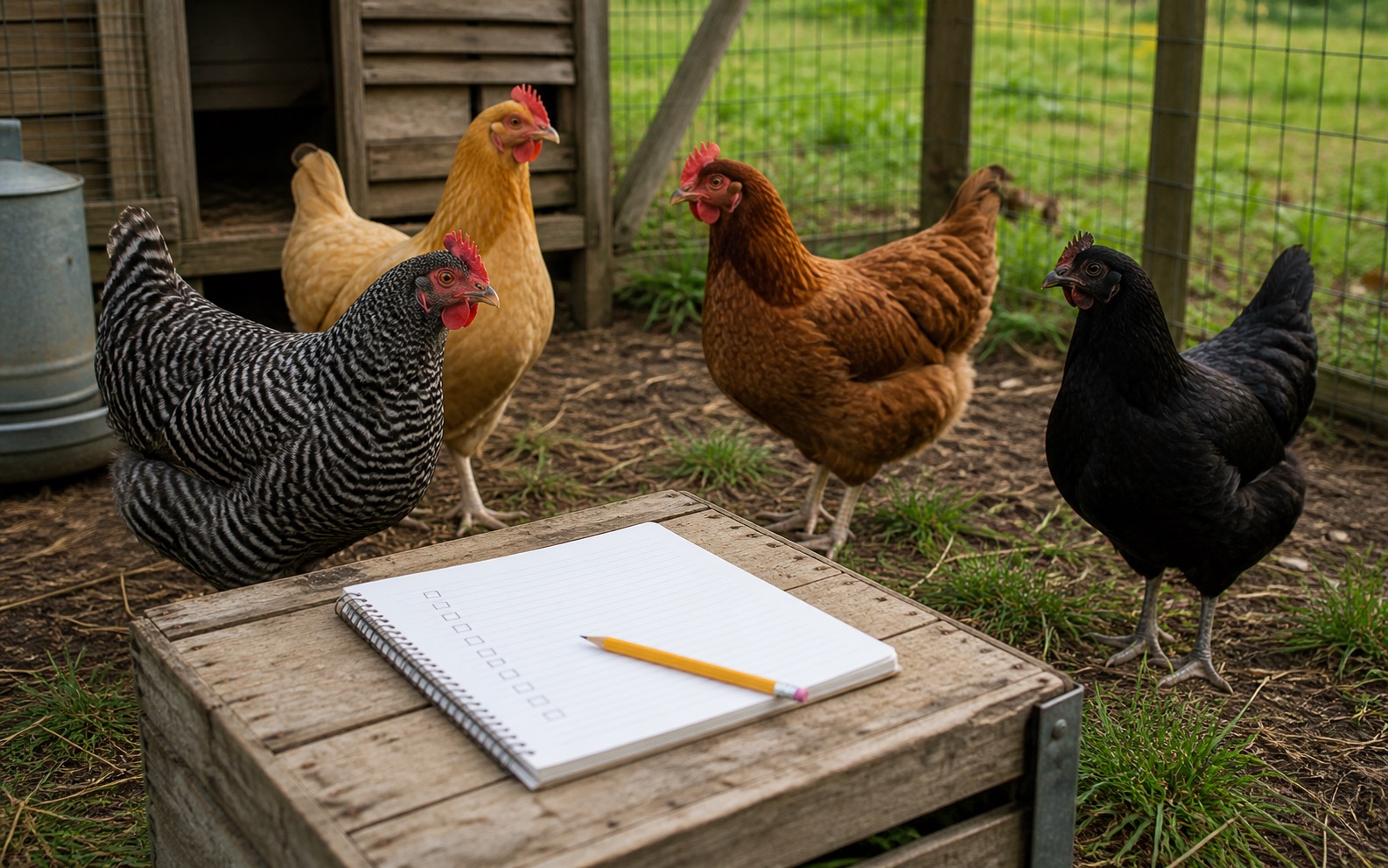
Best Chicken Breeds for Beginners
A practical beginner guide to choosing chicken breeds by temperament, climate, egg goals, local rules, and daily care instead of chasing every egg color at once.
Chickens
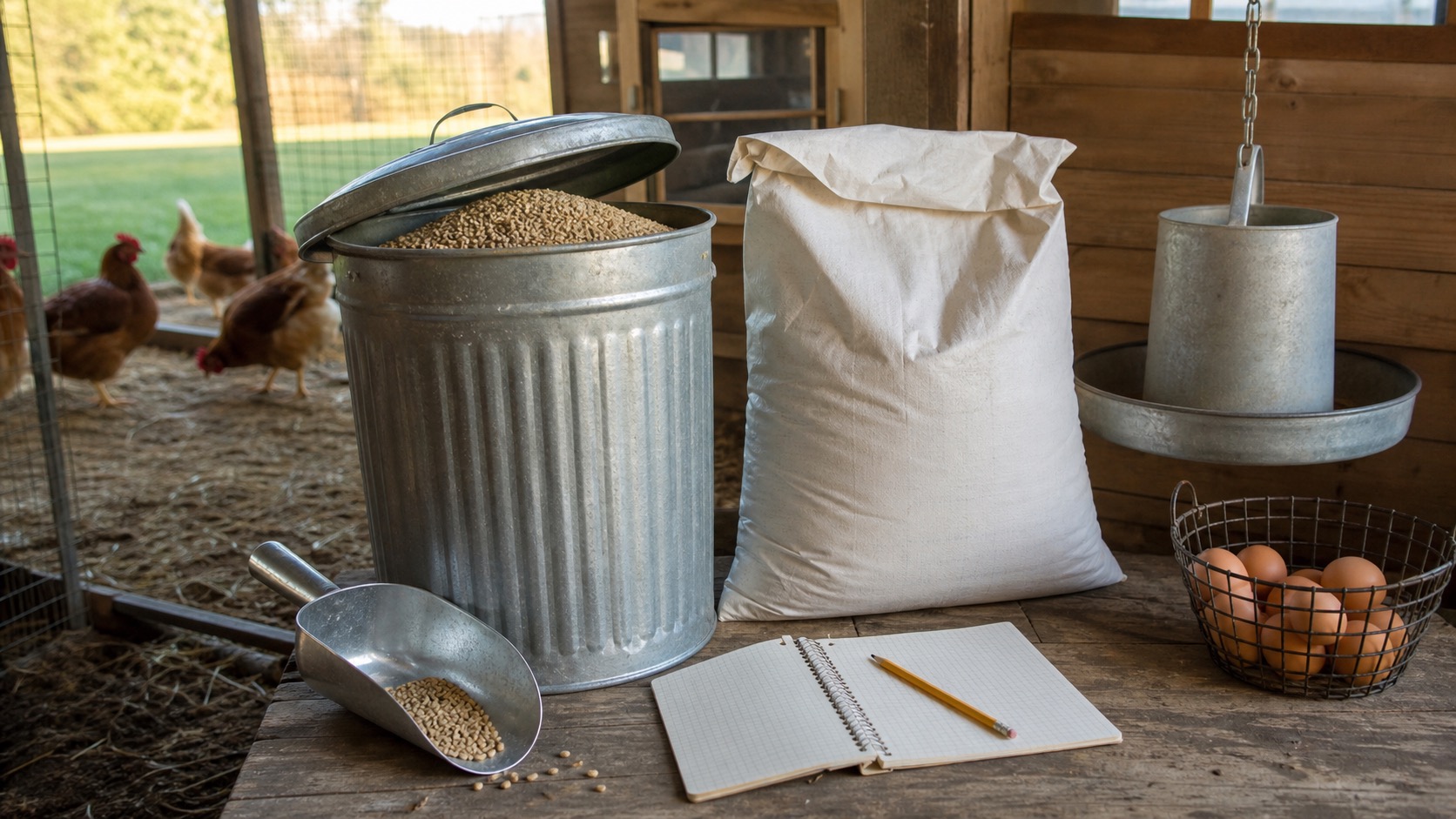
Chicken Feed Costs for Beginners: Monthly Numbers That Actually Matter
A practical guide to monthly chicken feed costs for beginners, including feed math, flock size, waste, storage, and the recurring costs that make egg math more honest.
Frequently asked questions
What is the fastest way to help backyard chickens in hot weather?
Start with cool fresh water, shade, and airflow at bird level. Then reduce handling, avoid crowding, delay stressful chores, and watch for panting, wings held away from the body, lethargy, or birds crowding around water.
Do chickens need a fan in summer?
Sometimes airflow helps, especially when air is still. Fans should be placed safely so cords, blades, moisture, and dust do not create a hazard. Shade and fresh water still come first.
Can chickens have electrolytes during heat stress?
Electrolytes can be useful during heat-stress periods when used according to the product label or veterinary/Extension guidance. They are not a replacement for water, shade, ventilation, and fixing the setup.
Should I spray chickens with water when they are hot?
Be careful. Wetting the ground or creating cooler shaded areas may help in some dry conditions, but adding moisture in humid conditions can make heat stress worse. Focus first on shade, airflow, and clean cool water.
Recommendations
Useful tools and resources for this decision
These are included only where they reduce repeated friction, clarify a next step, or help you avoid buying the wrong thing first.
Extension resource
University of Minnesota Extension heat-stress guide
A practical Extension guide covering poultry heat stress, water intake, ventilation, shade, feed timing, electrolytes, and warning signs.
Best for: Backyard keepers who want source-backed summer chicken care basics
View resourceHot-weather care
Penn State Extension hot-weather poultry management
A hot-weather poultry management resource covering ventilation, water, shade, electrolytes, feed timing, and reducing activity during heat.
Best for: Readers who want a second Extension source before adjusting a summer routine
View resourceRecommended next reads
Read next if it helps the decision
Move into the next guide only if it clarifies the next practical step.
Chickens
How Much Space Do Backyard Chickens Really Need?
A practical guide to coop and run space for backyard chickens, including why minimums and workable setups are not the same thing.
Chickens
Best Chicken Breeds for Beginners
A practical beginner guide to choosing chicken breeds by temperament, climate, egg goals, local rules, and daily care instead of chasing every egg color at once.
Chickens
Chicken Feed Costs for Beginners: Monthly Numbers That Actually Matter
A practical guide to monthly chicken feed costs for beginners, including feed math, flock size, waste, storage, and the recurring costs that make egg math more honest.
Chicken setup support
Get the chicken setup checklist before you buy more flock gear.
Use the first-year checklist to price the flock honestly, cover the starter essentials, and delay the upgrades that can wait.
Best for: Readers trying to price a first flock honestly and avoid a scattered chicken setup.
- A pre-chick setup checklist
- A recurring-cost planning section
- A simple weekly flock-care rhythm
Chicken setup notes, beginner flock lessons, and the checklist first.
After signup, the download will unlock right here so you can save or print it.
About the author
William Mock
Founder, writer, and beginner homesteader
William writes from the beginner side of rebuilding after a layoff: homestead plans, family systems, budgets, tools, and the decisions that make a home feel less fragile.
Read why this site existsRelated Guides
Keep building context
Chickens
How Much Space Do Backyard Chickens Really Need?
A practical guide to coop and run space for backyard chickens, including why minimums and workable setups are not the same thing.
Chickens
Best Chicken Breeds for Beginners
A practical beginner guide to choosing chicken breeds by temperament, climate, egg goals, local rules, and daily care instead of chasing every egg color at once.
Chickens
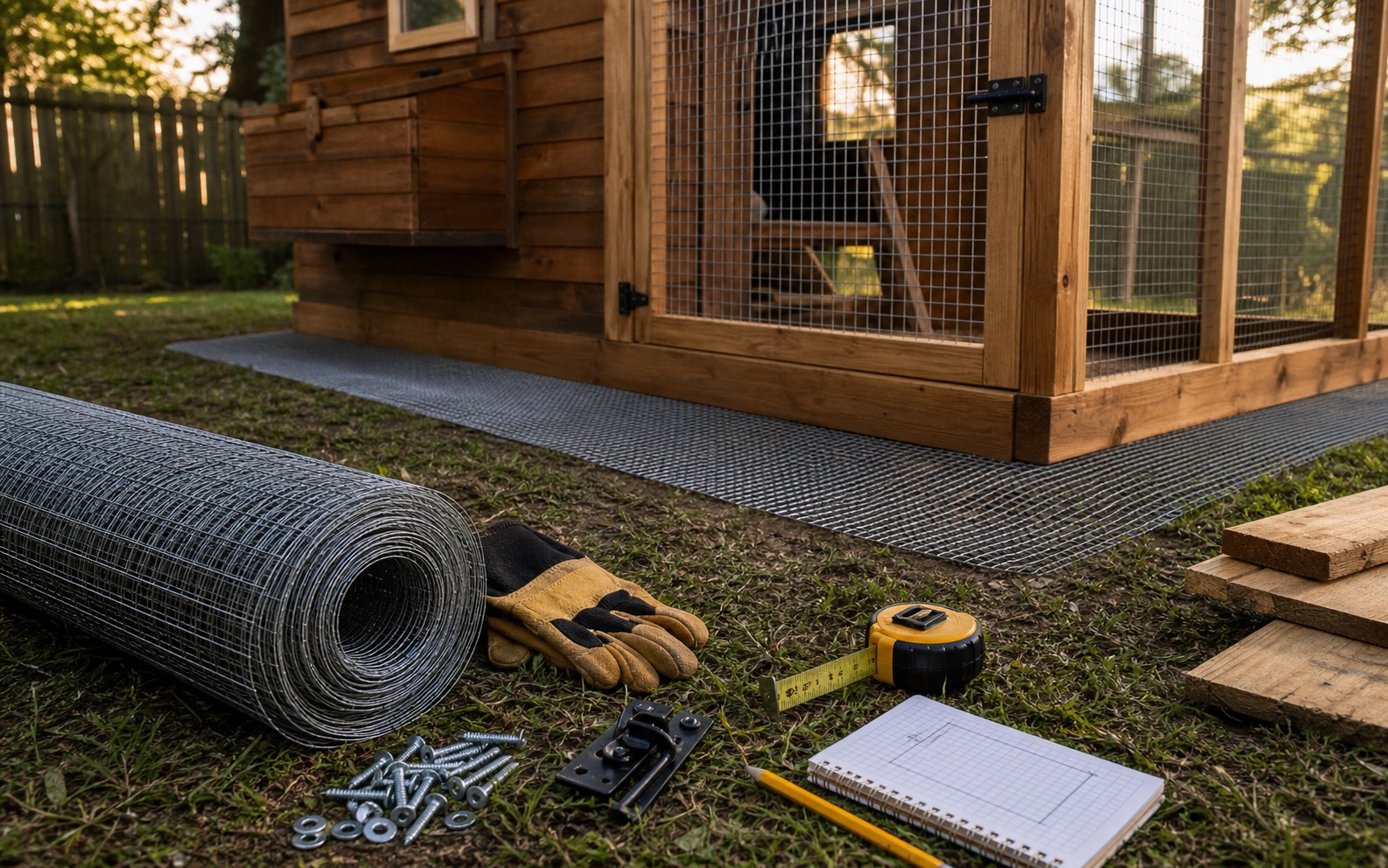
Predator-Proof Chicken Coop for Beginners
A practical beginner guide to predator-proofing a chicken coop and run before birds arrive, with the security layers that matter most and the upgrades that can wait.