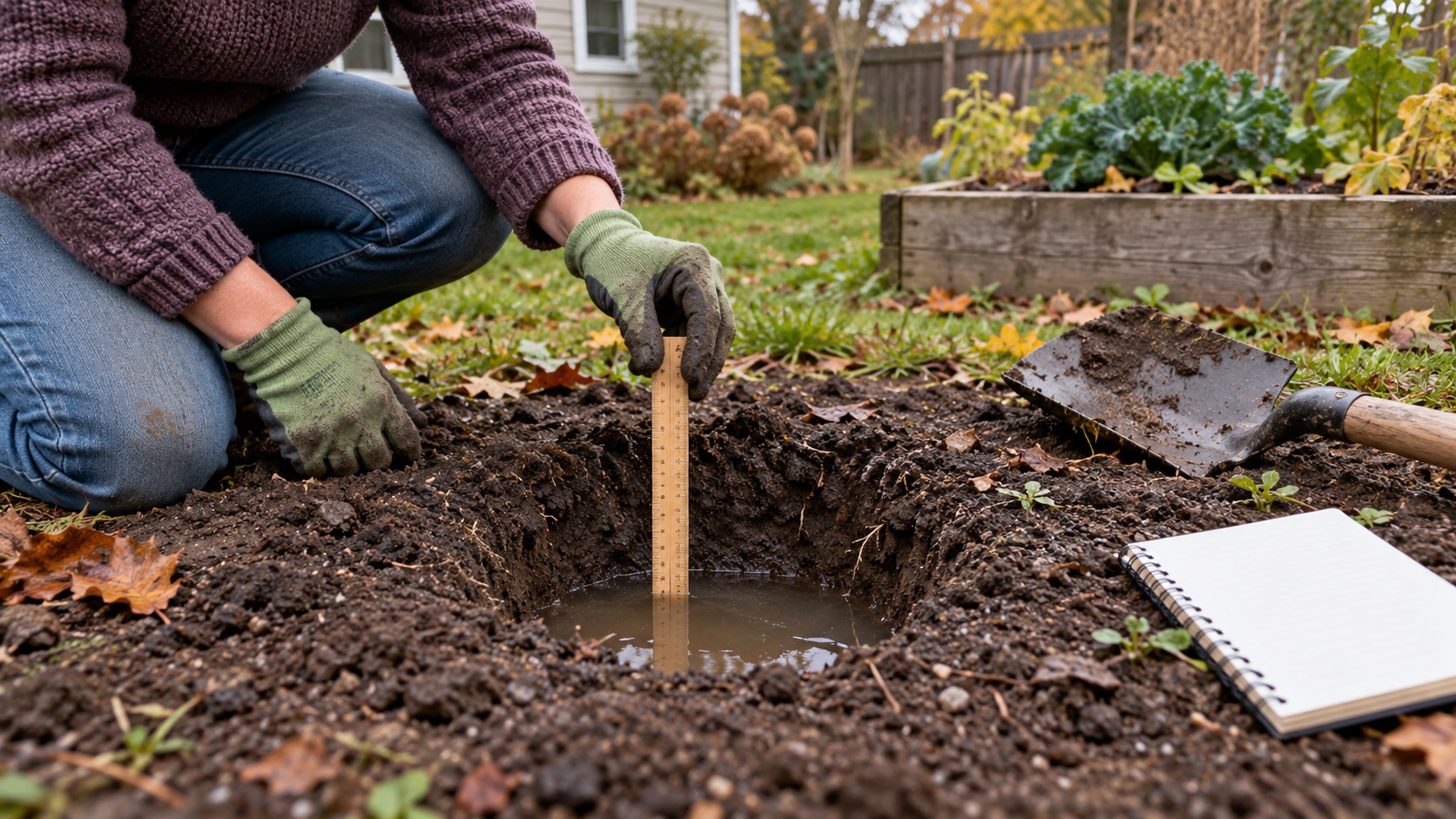
To test garden soil drainage, dig a small percolation-test hole in a representative spot, pre-wet the soil, refill the hole, and measure how quickly the water level falls. Repeat in more than one place and compare the result with what you see after ordinary rain. The test helps you screen a planting location before building beds or adding amendments, but it is not a septic-system test or a guarantee that every crop will thrive.
The wet-ground walk before the purchase
When I was thinking through land and equipment, a walk after rain taught me more than another round of shopping. Water gathered in a few places, the ground felt different underfoot, and the route across the property mattered more than the machine I had been picturing. It did not identify a soil type or solve drainage. It did give me a reason to slow down and look closer before spending money.
That is the spirit of this test. A hole in the ground is not a secret soil oracle, and one reading should not decide the future of your garden. It is a small, inexpensive piece of evidence that can help you choose between planting there, testing another spot, raising the bed, or asking a local Extension office a better question.
What garden soil drainage means
Drainage is how excess water moves through and away from soil. Roots need water, but they also need air in the soil. When pore spaces stay full of water for too long, roots can struggle and some plants become more vulnerable to decline. Fast-draining soil can create a different challenge: it may need more frequent watering and may not hold water or nutrients as long. The goal is not to make every bed drain as quickly as possible. The goal is to understand the site and match your planting choice and management to it.
Surface clues help, but they are not a complete diagnosis. A puddle in a low path after a cloudburst can be different from standing water around a bed that remains soggy for a day. Compaction, slope, a dense layer below the topsoil, nearby downspouts, and seasonal groundwater can all influence what you observe. That is why a simple test and a repeat observation are more useful than making a big amendment decision from one wet afternoon.
When and where to test
Choose a normal-weather window. Illinois Extension cautions that a percolation test should not be done when soil is overly wet because the result can be misleading. Avoid testing immediately after heavy rain or during a prolonged dry spell when soil has pulled away and cracked. If the site has obvious standing water, note it rather than walking through a saturated bed; wait until the ground is workable before digging.
The test dimensions and calculation below follow Illinois Extension's home-garden percolation method. Its measurements are a useful screening tool; local soil layers and conditions still matter.
How to perform a simple garden percolation test
How to read the result without overreacting
These are not universal pass-or-fail numbers. Illinois Extension describes 1 to 3 inches per hour as desirable for most plants and less than 1 inch per hour as poor drainage, but a crop's needs, weather, soil layers, and the size and shape of the test hole matter. A home-garden test also cannot tell you whether a regulated drainage design or septic field is suitable. Use it to decide what to investigate next, not to certify construction.
What to do if the site drains slowly
Start with the least expensive decision: confirm the pattern. Look at the spot after ordinary rain, check whether a downspout or slope is sending water toward it, and compare a second part of the yard. Do not dig or till saturated soil; working it when wet can compact it and make the structure harder to manage.
A standard soil laboratory test answers a different question. It can help with pH and nutrient recommendations, but it does not diagnose poor drainage, compaction, overwatering, or underwatering. Illinois Extension's soil-testing guidance explicitly separates these issues. If you need to know what fertilizer or lime is appropriate, use a lab test instead of guessing; if you need to know how water moves, observe and test drainage.
What not to buy yet
Do not order a truckload of sand, drainage pipe, raised-bed kits, or soil amendments because one hole drained slowly. First verify the location, repeat the test, and decide whether the actual problem is a site choice, compaction, roof runoff, a low spot, or something deeper. The cheapest first tool is often another observation, and it does not need a charging cable.
A grounded next step
Testing drainage is not about finding perfect soil. It is about avoiding an expensive guess. Start with a careful walk and a small test, then choose the simplest garden setup that fits the evidence. For the next decision, compare raised beds and in-ground gardening, use the garden observation guide to watch patterns, or return to planning a manageable first garden.
Frequently asked questions
How do I test drainage in garden soil?
Choose a representative spot when the soil is not already saturated. Dig a hole at least 12 inches deep and 4 to 12 inches wide, fill it with water and let that drain to pre-wet the soil, then refill it. Measure the water-level drop after 15 minutes and multiply the inches by four for an approximate hourly rate. Repeat in more than one spot.
What is a good drainage rate for a vegetable garden?
Illinois Extension describes about 1 to 3 inches per hour as desirable for most plants and less than 1 inch per hour as poor drainage. Treat those as a general screening range, not a guarantee for every crop, soil, slope, climate, or bed. Local Extension guidance can refine the interpretation.
When should I do a soil percolation test?
Test when the soil is reasonably representative of normal conditions, not right after a major storm or when it is unusually dry and cracked. Illinois Extension warns that overly wet soil can give false results. Repeat the test at different spots and, if needed, in a different season.
Does a soil test tell me whether my garden drains well?
A standard laboratory soil test typically reports nutrient and pH information, not drainage or compaction. Use a percolation test and observe the site after ordinary rain to assess water movement, then submit a separate soil sample if you need nutrient or pH recommendations.
Should I add sand to clay soil to improve drainage?
Do not add sand as a guess. Improving heavy garden soil usually starts with understanding the site, avoiding work when soil is wet, and adding suitable organic matter when local guidance recommends it. A raised bed or a different site may be more practical for a beginner than trying to change deep, poorly drained soil quickly.
Is a garden percolation test the same as a septic perc test?
No. This small home-garden test is a rough planting-site screen. It is not a regulated septic-system evaluation, a rain-garden design certification, or an engineering assessment. Contact the appropriate local professional for septic, foundation, drainage construction, or code decisions.
Recommendations
Useful tools and resources for this decision
These are included only where they reduce repeated friction, clarify a next step, or help you avoid buying the wrong thing first.
Read the drainage guide
Illinois Extension: Improving Soil Drainage
Explains a home-garden percolation test, its basic interpretation, organic matter, compaction, and alternatives such as raised beds.
Best for: Following the drainage test and considering garden-scale next steps
View resourceReview the site-selection guidance
Illinois Extension: Analyzing Soils for New Vegetable Gardens
Covers site observations, a test hole, soil appearance, and the separate value of a laboratory soil test before establishing a vegetable garden.
Best for: Evaluating a potential vegetable garden location
View resourceLearn about lab soil testing
Illinois Extension: Soil Testing
Provides instructions for sampling garden soil and explains what laboratory soil tests can tell you about pH and fertility.
Best for: Getting nutrient and pH recommendations after you choose a site
View resourceRecommended next reads
Read next if it helps the decision
Move into the next guide only if it clarifies the next practical step.

Gardening
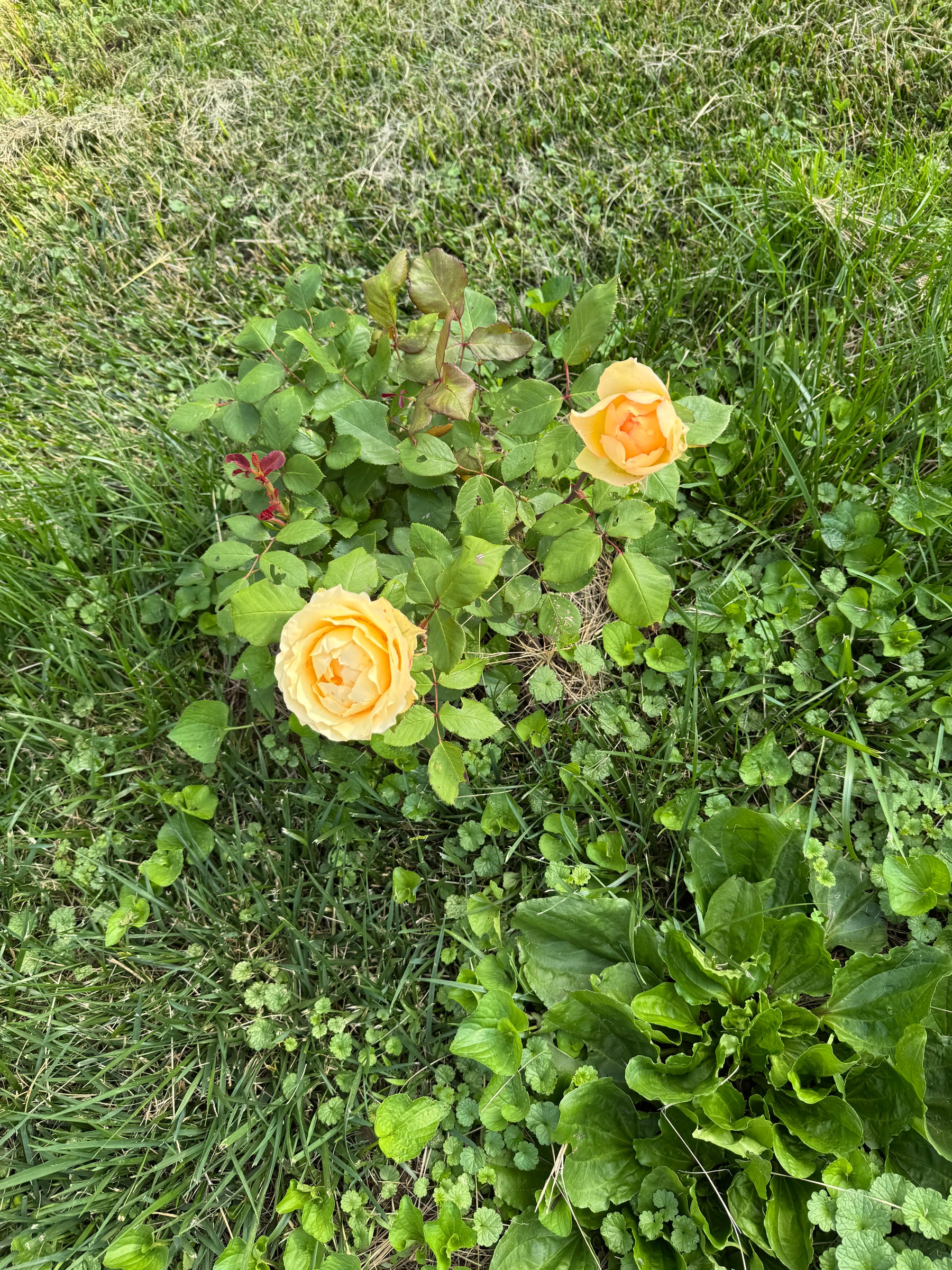
Raised Beds vs In-Ground Gardening for Beginners
A practical comparison of raised beds and in-ground gardening for beginners who care about budget, effort, and staying consistent.
Gardening
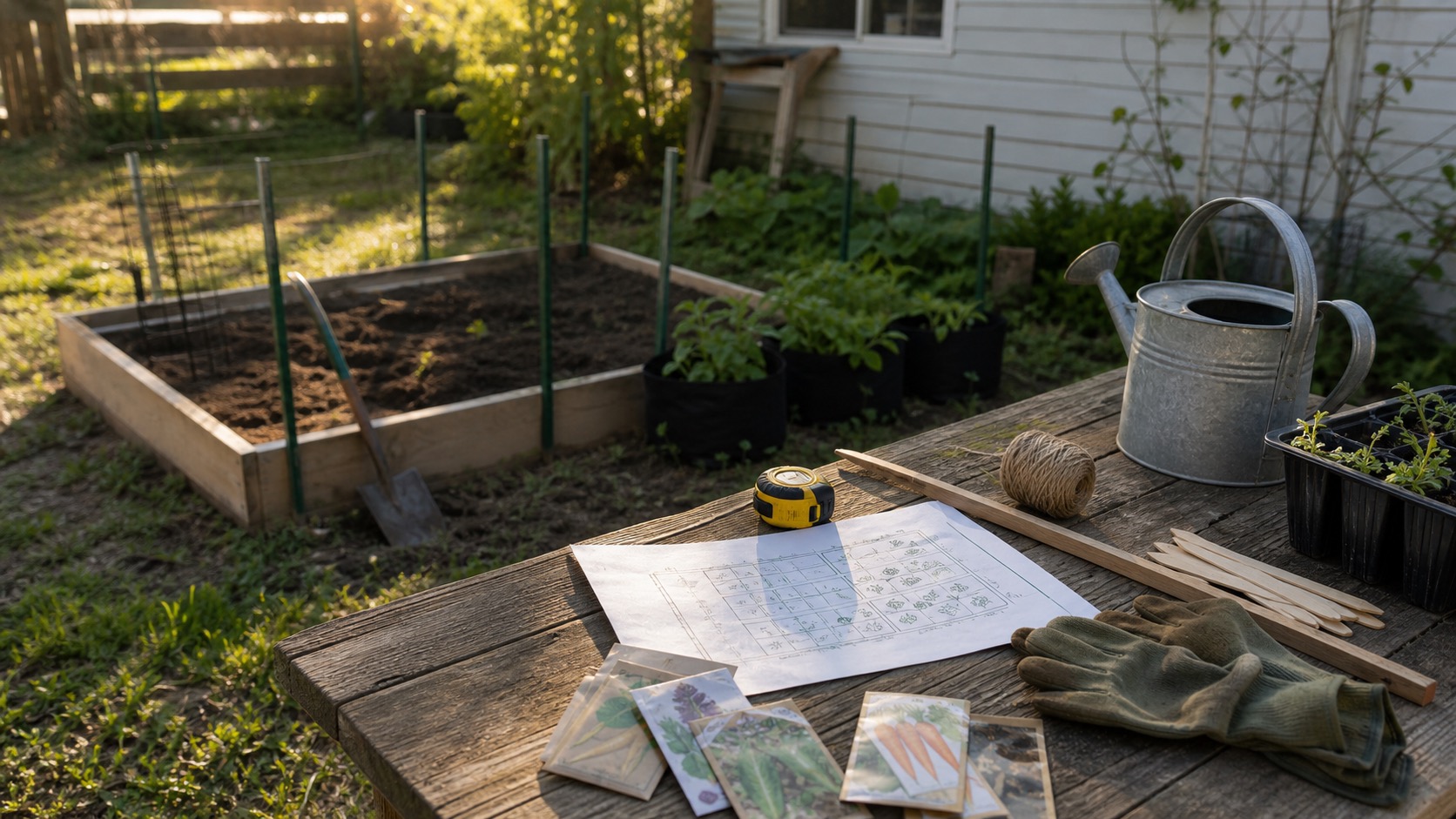
How to Walk Your Garden Before Buying More Fixes
A beginner-friendly garden observation routine that helps you slow down, read what is actually happening, and avoid buying fixes before you understand the problem.
Gardening
How to Plan Your First Homestead Garden Without Doing Too Much
A successful first garden is smaller, clearer, and less romantic than many beginners expect. That is a good thing.
Garden gear support
Get the buy-first guide before the first garden collects too much gear.
Use the guide to decide which early garden purchases earn money now, which ones can be borrowed, and which ones can wait until the routine proves itself.
Best for: Beginners who keep seeing useful things online and need a disciplined way to decide what actually earns a place.
- A buy now, borrow, wait, or skip framework
- Starter category shortlists
- A three-question purchase test
Garden planning notes, restrained gear decisions, and the guide first.
After signup, the download will unlock right here so you can save or print it.
About the author
William Mock
Founder, writer, and beginner homesteader
William writes from the beginner side of rebuilding after a layoff: homestead plans, family systems, budgets, tools, and the decisions that make a home feel less fragile.
Read why this site existsRelated Guides
Keep building context
Gardening
How to Walk Your Garden Before Buying More Fixes
A beginner-friendly garden observation routine that helps you slow down, read what is actually happening, and avoid buying fixes before you understand the problem.
Gardening
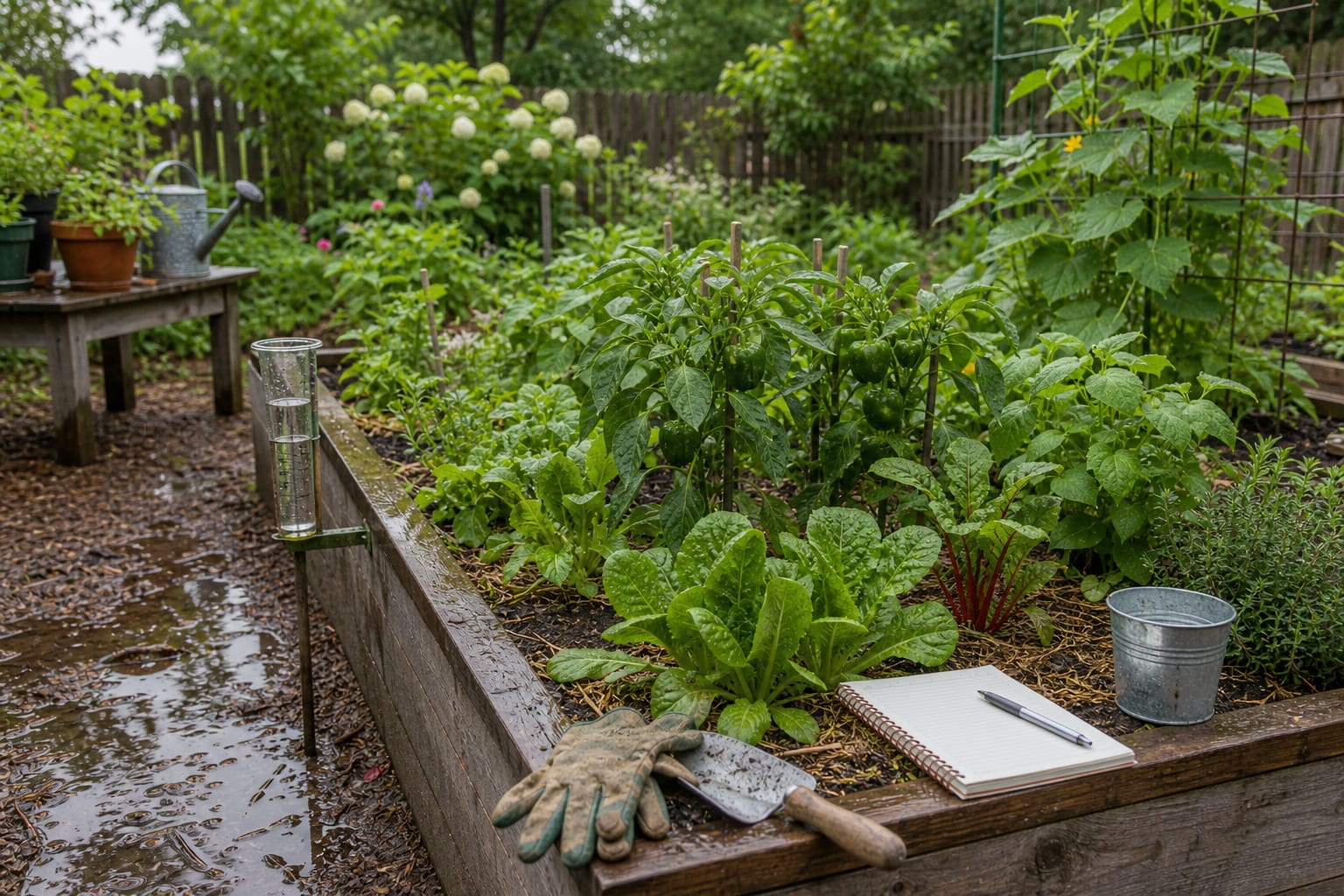
What to Do After Heavy Rain in a Beginner Vegetable Garden
A calm beginner guide for checking a vegetable garden after heavy rain: puddles, washed mulch, soil splash, leaning plants, drainage clues, and what can wait.
Gardening
Raised Beds vs In-Ground Gardening for Beginners
A practical comparison of raised beds and in-ground gardening for beginners who care about budget, effort, and staying consistent.