Before you buy another garden fix, walk the garden slowly enough to see what is actually happening. A beginner garden rarely needs the first product that panic suggests. It usually needs better observation, a smaller next step, and a little more patience before money enters the decision.
That is not a romantic answer, but it is a useful one. Gardens teach through patterns. The plant that looked terrible at noon may look fine after evening water. The bed that seems full of weeds may really be showing you where mulch is missing. The leaves that make you want to buy fertilizer might be telling a different story about heat, watering, roots, or pests.
The rose that made me slow down
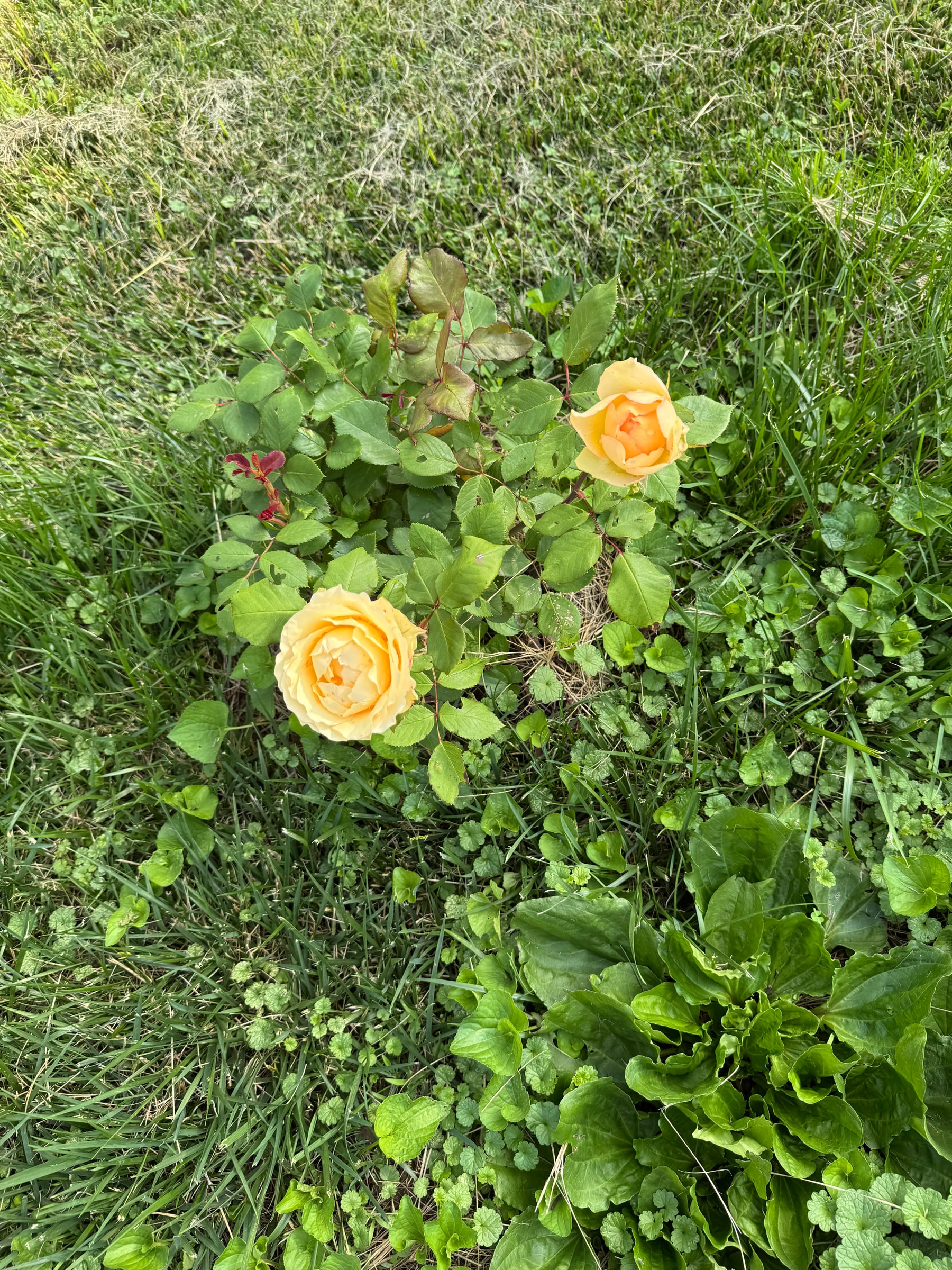
The rose in the photo is not staged in a perfect bed. It is sitting in real grass and weeds, with good growth, a couple of beautiful blooms, and plenty of unfinished work around it. That is exactly why I like the picture. It tells the truth better than a polished garden scene would.
When I first noticed it blooming, my brain did what beginner brains do. I saw the flower, then immediately saw everything around it that was not finished. The grass was too high. The edges were messy. There were weeds tucked around the plant. Part of me wanted to turn the moment into a list.
But standing there a little longer changed the lesson. The plant was also showing me what was working. It had survived the spot. It had enough energy to bloom. It was giving me information before I had earned the right to start throwing fixes at it. That is the kind of pause I want more of in the garden.
Look before you fix
The first rule of a beginner garden walk is simple: do not start by fixing. Start by looking. Walk the same rough path each time and notice what changed. Which plants perked up? Which ones wilted? Where is the soil cracking? Where is it staying wet? Which weeds keep returning? Where are leaves chewed, yellowed, curled, or shaded?
This protects you from the most expensive beginner habit: treating every symptom like a shopping list. Observation gives you a better question before you reach for a solution.
Separate urgent from ordinary
A garden is always changing, so not every problem deserves the same response. Some things need action today. Some need observation. Some are normal seasonal mess. Beginners waste energy when every imperfect leaf gets treated like an emergency.
Write down patterns, not just chores
The notebook matters because memory gets fuzzy fast. You think you will remember when you watered, which plant looked off, and whether the yellowing started before or after the hot stretch. Then life keeps moving, the garden changes again, and you are back to guessing.
You do not need a fancy garden journal. A small notebook, a note on your phone, or a clipboard in the shed is enough. The point is to build a record of cause and effect.
Do one small fix
The best garden walk usually ends with one small fix, not a giant rescue plan. Pull weeds around one plant. Move mulch back from a stem. Water deeply where the soil is actually dry. Tie up one leaning tomato. Cut one dead stem. Pick the beans before they get tough. Then stop.
Stopping matters because it lets you learn. If you change five things at once, you may never know what helped. Beginners need feedback more than intensity.
When buying something makes sense
I am not against buying garden tools or supplies. I am against buying before the garden has been heard. A purchase makes sense when the observation walk keeps pointing to the same bottleneck and the item solves that specific problem.
What can wait
A beginner garden can tempt you into buying a whole second garden around the first one: sprays, fertilizers, trellises, decorative labels, specialty tools, soil amendments, pest gadgets, and new plants to distract from the ones already asking for attention.
Most of that can wait. First learn the walk. Learn where water goes. Learn where weeds win. Learn which plants recover after heat and which ones keep struggling. Learn what your family will actually maintain on a tired week.
A realistic beginner scenario
Say your squash leaves look rough, the tomatoes are leaning, and one pepper plant is yellowing. The panic version sends you shopping for fertilizer, pest spray, cages, and a new soil blend. The observation version is calmer.
You check soil moisture. You look under leaves. You note whether the damage is old or spreading. You tie the tomato today because that is obvious. You pull weeds around the pepper and wait before feeding it. You take a photo of the squash leaves and check again in two days. That is not doing nothing. That is learning before spending.
The real win
A garden observation walk is not impressive content. It is better than that. It is the ordinary habit that keeps a beginner garden from becoming a pile of guesses, rushed purchases, and half-understood fixes.
Walk first. Notice what changed. Write down the pattern. Make one small correction. Then give the garden enough time to answer. That steady loop will teach you more than a cart full of fixes ever could.
Keep the garden readable
When the garden starts looking messy, slow down before you start over.
The messy-garden guide will help you decide what to clean up, what to leave alone, and what is just part of the first-season learning curve.
Read the messy garden guideRecommended next reads
Read the next garden guides
These will help you connect observation to watering, cleanup, and the small tools that keep maintenance repeatable.
Gardening
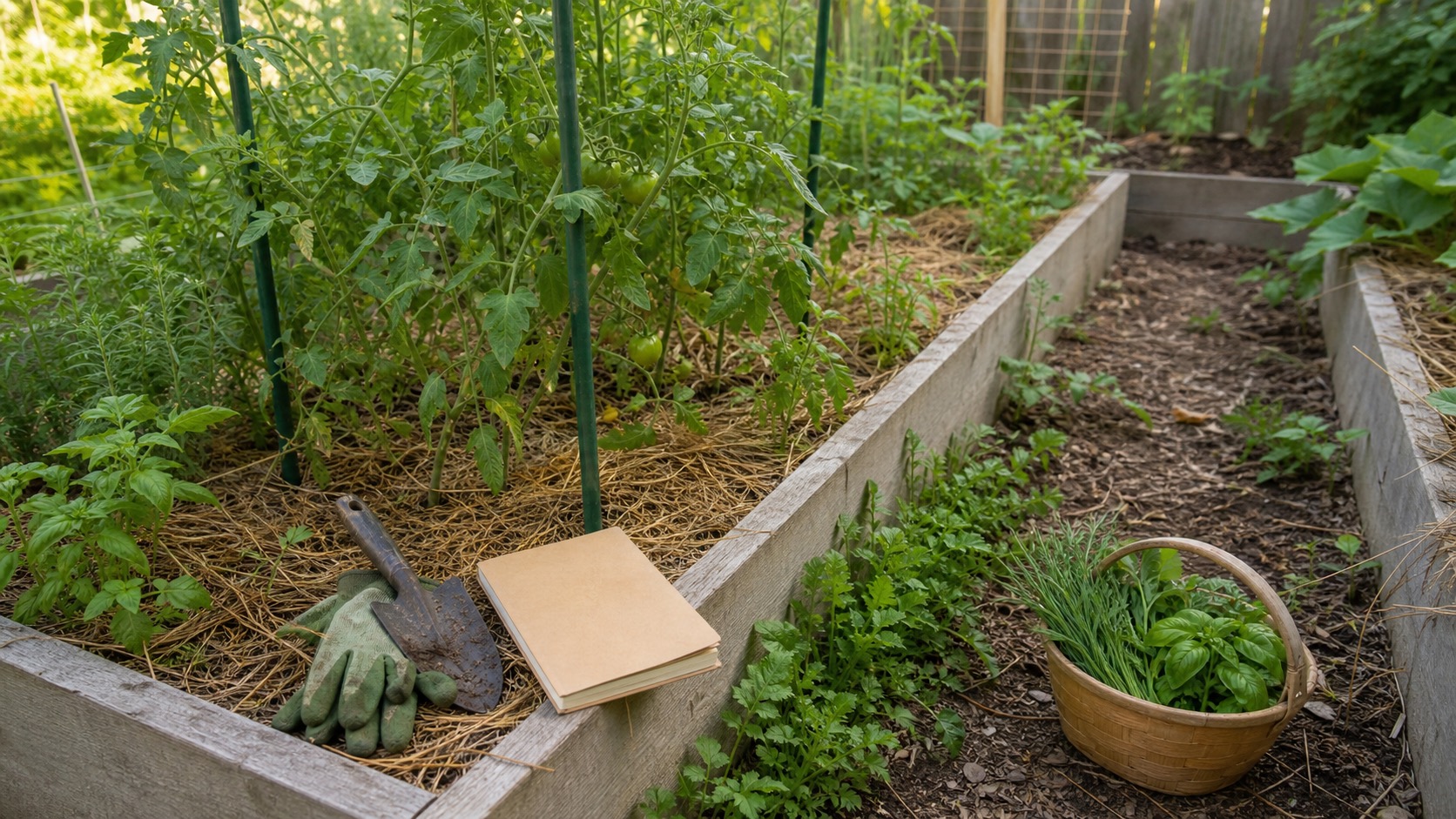
What to Do When Your First Garden Starts Looking Messy
A calm beginner guide for the moment your first vegetable garden starts looking messy: what to fix first, what to ignore, and how to recover without starting over.
Gardening
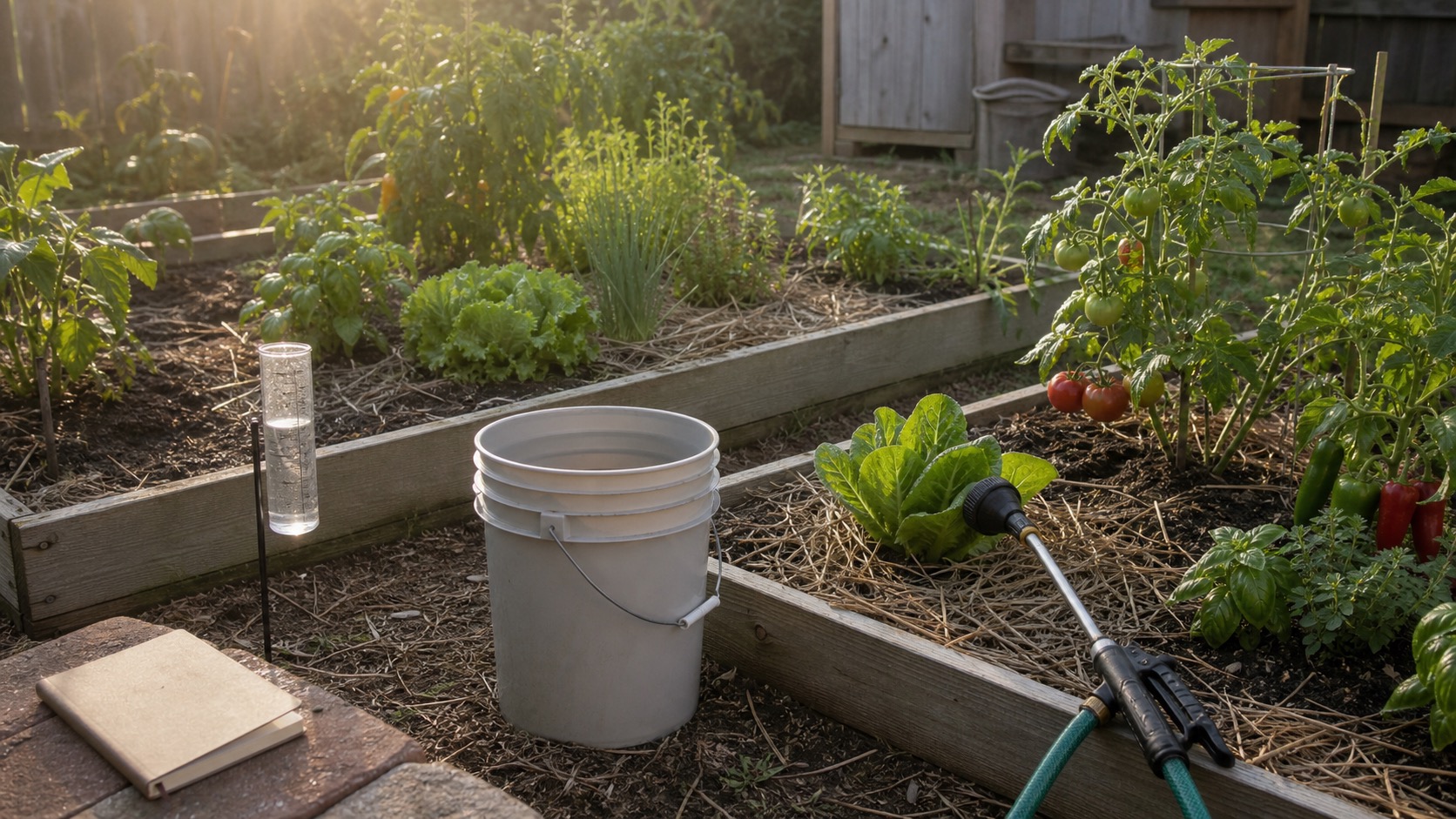
How to Water a Beginner Vegetable Garden Without Guessing
A practical beginner watering guide for small vegetable gardens: how much water plants need, how to check soil moisture, when to water, and what to stop doing.
Tools
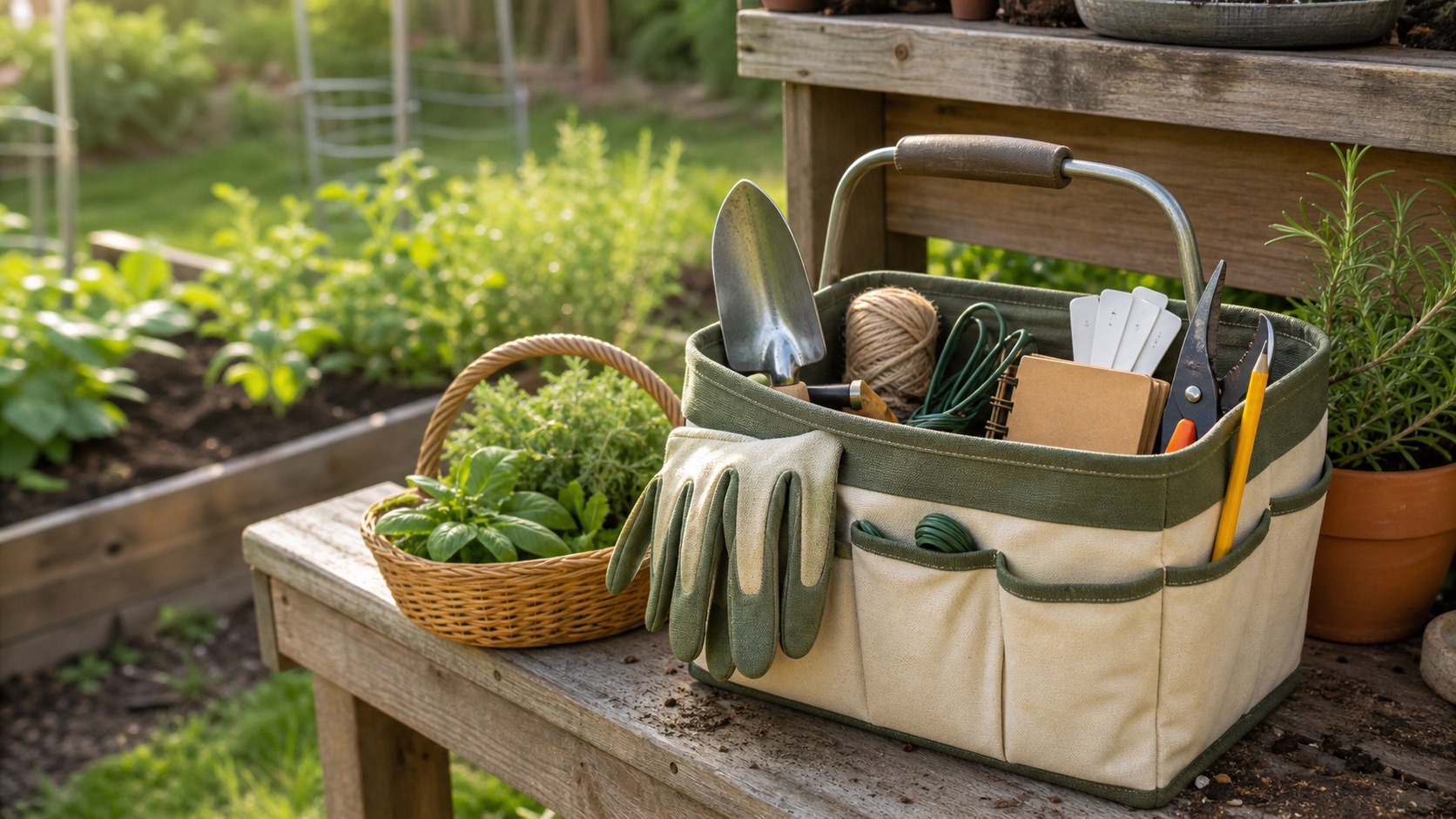
What to Keep in a Beginner Garden Tool Caddy
A practical beginner garden tool caddy setup: what to keep handy, what can wait, how to stop losing tools, and which small buys actually help.
Frequently asked questions
What is a garden observation walk?
A garden observation walk is a short, regular pass through the garden where you look before you fix. You check water, weeds, plant color, leaf damage, mulch, pests, drainage, and what changed since the last walk.
How often should a beginner walk the garden?
In active growing season, a quick daily or every-other-day walk is useful. It does not need to be long. Ten quiet minutes can catch water stress, pest pressure, broken supports, or weed problems before they become bigger jobs.
Should I buy fertilizer when plants look bad?
Not automatically. First check water, heat, transplant stress, soil moisture, weeds, pests, root disturbance, and whether the plant is simply adjusting. Fertilizer can help in the right situation, but guessing can waste money or create new problems.
What should I bring on a garden walk?
Bring a notebook or phone, pruners if small cleanup is likely, and a simple way to check soil moisture. The point is to record patterns and handle small obvious tasks, not carry the whole shed.
Recommendations
Useful tools and resources for this decision
These are included only where they reduce repeated friction, clarify a next step, or help you avoid buying the wrong thing first.
Observation tool
Waterproof garden notebook
A small weather-resistant notebook makes it easier to track what you saw, what you changed, and whether the garden actually improved.
Best for: Beginners who forget what they watered, pruned, fed, or noticed last week
Check current priceOptional check
Basic soil moisture meter
A simple moisture meter can help new gardeners compare what the surface looks like with what is happening a few inches down.
Best for: Containers, raised beds, and beginners still learning the feel of wet vs. dry soil
Check current priceRelated tool guide
Beginner hand pruners
A dependable pair of bypass pruners handles small dead stems, spent flowers, and cleanup tasks before they become another chore pile.
Best for: Garden walks where small cleanup keeps plants readable
Read the guideTool caddy guide
Small garden tool caddy
A simple caddy keeps the few tools you actually use together so a five-minute garden walk does not become a search through the garage.
Best for: Keeping observation walks short and repeatable
Read the guideRecommended next reads
Read next if it helps the decision
Move into the next guide only if it clarifies the next practical step.
Gardening
What to Do When Your First Garden Starts Looking Messy
A calm beginner guide for the moment your first vegetable garden starts looking messy: what to fix first, what to ignore, and how to recover without starting over.
Gardening
How to Water a Beginner Vegetable Garden Without Guessing
A practical beginner watering guide for small vegetable gardens: how much water plants need, how to check soil moisture, when to water, and what to stop doing.
Tools
What to Keep in a Beginner Garden Tool Caddy
A practical beginner garden tool caddy setup: what to keep handy, what can wait, how to stop losing tools, and which small buys actually help.
Garden gear support
Get the buy-first guide before the first garden collects too much gear.
Use the guide to decide which early garden purchases earn money now, which ones can be borrowed, and which ones can wait until the routine proves itself.
Best for: Beginners who keep seeing useful things online and need a disciplined way to decide what actually earns a place.
- A buy now, borrow, wait, or skip framework
- Starter category shortlists
- A three-question purchase test
Garden planning notes, restrained gear decisions, and the guide first.
After signup, the download will unlock right here so you can save or print it.
About the author
William Mock
Founder, writer, and beginner homesteader
William writes from the beginner side of rebuilding after a layoff: homestead plans, family systems, budgets, tools, and the decisions that make a home feel less fragile.
Read why this site existsRelated Guides
Keep building context
Gardening
What to Do When Your First Garden Starts Looking Messy
A calm beginner guide for the moment your first vegetable garden starts looking messy: what to fix first, what to ignore, and how to recover without starting over.
Gardening
How to Water a Beginner Vegetable Garden Without Guessing
A practical beginner watering guide for small vegetable gardens: how much water plants need, how to check soil moisture, when to water, and what to stop doing.

Gardening
What to Do Before a Hot Week Hits Your Beginner Garden
A calm beginner garden heat plan: what to water, shade, mulch, harvest, delay, and check before a hot week turns into garden panic.