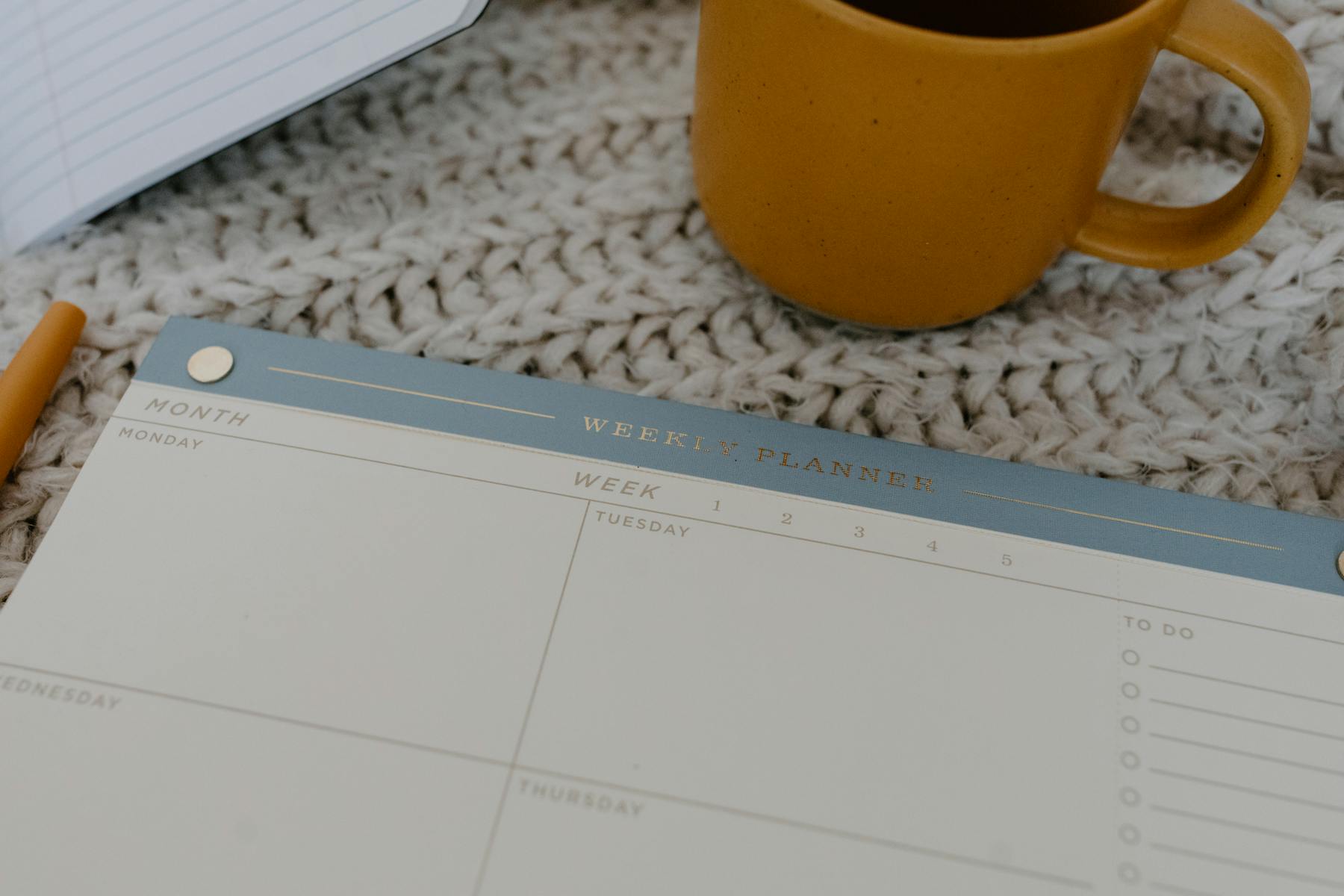
A homestead without rhythm turns every task into a decision. That creates friction quickly. A weekly cadence reduces mental clutter and makes the whole household easier to run.
The core weekly rhythm
The point of a weekly rhythm is not to create a tighter life. It is to stop re-deciding the basics every single day. Once chores, meals, resets, and margin have a home, the household has more room to handle weather, fatigue, and small surprises without turning every week into recovery mode.
What a workable weekly rhythm actually needs
How to build your first version without overcomplicating it
Your first version should be simple enough to remember without performing productivity for yourself. If it needs color coding, five apps, and heroic energy to keep alive, it is too complicated for a household rhythm.
Where weekly rhythm usually breaks down
Weekly rhythm support
Get the weekly reset template
A printable weekly reset planner with anchor slots, a reset checklist, and a drop-delay-delegate review for overloaded weeks.
Best for: Readers who need a calmer household rhythm before they need more projects.
- A weekly anchor planner
- A reset checklist
- A what-to-drop, delay, or delegate review
Low-noise notes on routines, resets, and steadier household systems.
After signup, the download will unlock right here so you can save or print it.
Recommended next reads
Then tighten the purchases your routine has to carry
Once the week has a little structure, these buyer guides help you make calmer decisions about the gear tied to recurring chores.

Chickens
Best Chicken Feeder for Beginners
The best chicken feeder for beginners is usually the one that stays boring: low mess, enough capacity, weather-tolerant, and easy to refill without becoming another daily irritation.

Tools
Best Pruning Shears for Beginners
A practical guide to the best pruning shears for beginners, including what actually matters, what to skip, and which simple pruner styles usually earn their place first.
Budgeting
Homesteading on a Budget: What to Buy First and What Can Wait
If money is tight, the smartest homestead purchases are the ones that reduce friction quickly and keep you from rebuying the same lesson twice.
Frequently asked questions
How do you create a homestead routine without making life feel rigid?
Build anchors, not a minute-by-minute schedule. A short planning session, a few fixed reset points, and predictable task windows usually work better than trying to schedule every task perfectly.
What is the biggest rhythm mistake beginners make?
They add recurring work before they have a simple way to remember, reset, and recover from missed days. Rhythm should lower friction, not create guilt.
Recommended next reads
Read next if it helps the decision
Move into the next guide only if it clarifies the next practical step.
Tools
Best Pruning Shears for Beginners
A practical guide to the best pruning shears for beginners, including what actually matters, what to skip, and which simple pruner styles usually earn their place first.

Homesteading
Our First-Year Homestead Priorities: What We’re Doing Now and Why
A first year goes better when priorities are chosen, not inherited. These are the systems and projects we are focusing on now and the reasons behind them.

Homesteading
Beginner Homesteading: Where to Start When You Feel Overwhelmed
If homesteading feels meaningful but overwhelming, start with a simpler order of operations instead of trying to do everything at once.
Weekly rhythm support
Get the weekly reset planner that keeps the week from scattering.
A print-friendly weekly planner for resets, anchor tasks, and the few routines that make the house feel steadier.
Best for: Readers who need a calmer household rhythm before they need more projects.
- A weekly anchor planner
- A reset checklist
- A what-to-drop, delay, or delegate review
Low-noise notes on routines, resets, and steadier household systems.
After signup, the download will unlock right here so you can save or print it.
About the author
William Mock
Founder, writer, and beginner homesteader
William writes from the beginner side of rebuilding after a layoff: homestead plans, family systems, budgets, tools, and the decisions that make a home feel less fragile.
Read why this site existsRelated Guides
Keep building context
Homesteading
Our First-Year Homestead Priorities: What We’re Doing Now and Why
A first year goes better when priorities are chosen, not inherited. These are the systems and projects we are focusing on now and the reasons behind them.
Chickens
Best Chicken Feeder for Beginners
The best chicken feeder for beginners is usually the one that stays boring: low mess, enough capacity, weather-tolerant, and easy to refill without becoming another daily irritation.

Homesteading
What I Wish I Knew Before Trying to Build a Simpler Life
A simpler life is not built by adding the right aesthetic. It is built by subtracting noise, choosing better systems, and learning what really matters.