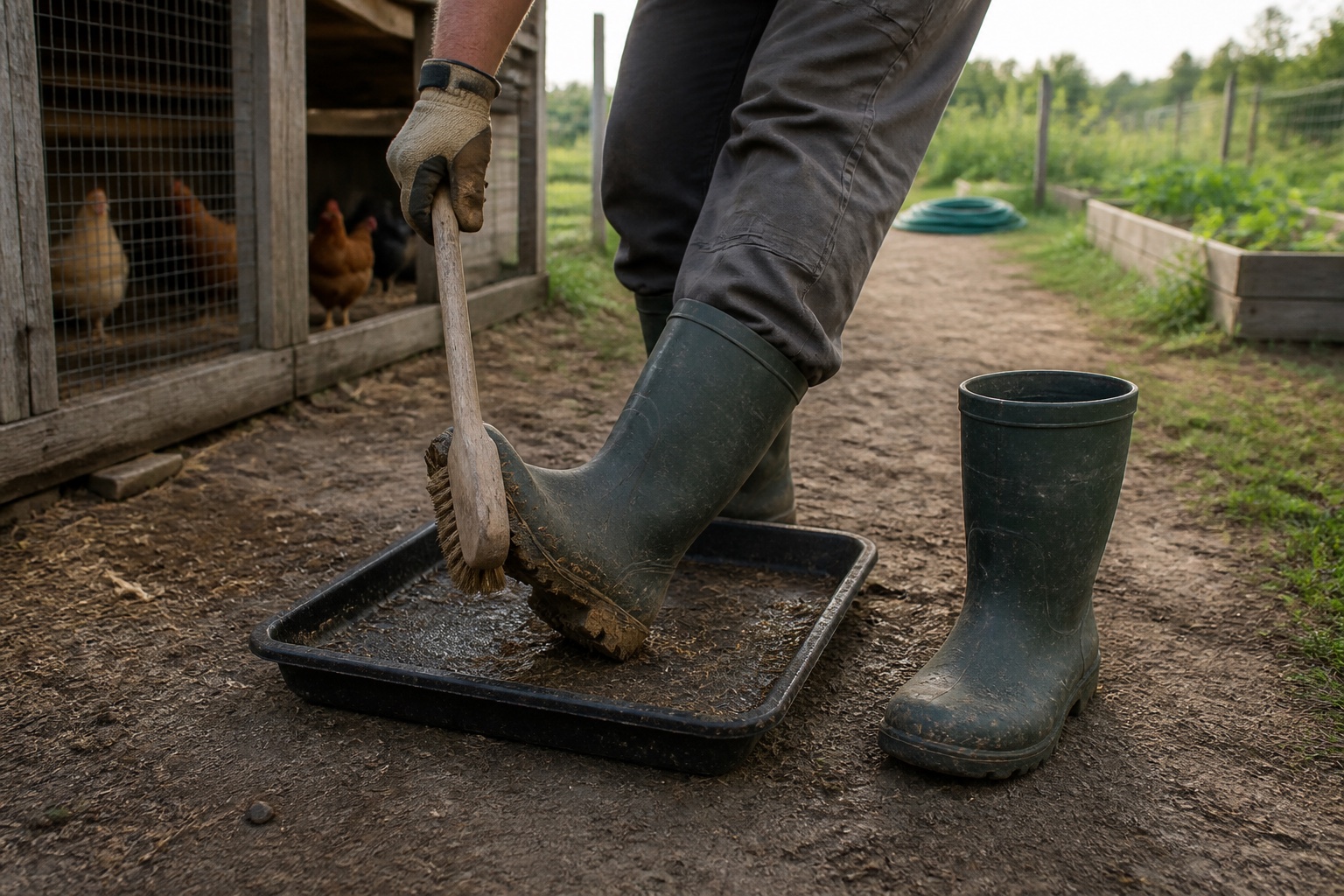
The best rubber boots for chicken coop chores are a dedicated, washable pair with secure heel fit, enough toe room, practical tread, and enough shaft height for the mud, bedding, and splashes you actually meet. A mid-height rubber chore boot is the best all-around starting point for many beginners. Use a separate pair for garden-only work, and choose a more supportive waterproof work boot when the job means long walking, heavy tools, ladders, or rough dry ground.
Practical homestead tools
Buy for the work that keeps repeating
The tools hub connects straightforward buying guides, maintenance routines, and equipment choices that earn their space through regular use.
Explore homestead toolsThe muddy-shoe problem was really a boundary problem
One evening, I found myself at the door looking down at muddy shoes and doing that little calculation families know too well: leave them in the way, carry the mess farther inside, or deal with one more loose end when I was already ready to be done. It was not a dramatic homestead failure. It was the kind of small friction that quietly repeats until the house starts absorbing every outdoor job.
After being laid off, I became suspicious of purchases that looked like progress but did not remove a real problem. I did not need boots to make me look more like a homesteader. I needed a clear answer to where dirty footwear stopped. A washable pair with a permanent home outside was useful because it created that answer before I was tired, wet, and standing at the door.
That changed the way I judge chore footwear. The first question is not which brand has the toughest-looking sole. It is whether the boots fit the route, the mess, the person, and the boundary around the work. A good pair should make the ordinary handoff from outside to inside simpler. If it creates another storage problem or still gets worn through the kitchen, the system is unfinished.
Decide where the boots are allowed to go
The CDC's backyard poultry guidance says to wear shoes set aside for poultry care and keep them outside the home. That advice matters because poultry can carry germs even when they look healthy. Dedicated does not have to mean expensive. It means the pair has one job, one storage spot, and a route that does not wander through the house.
If your property is small, color, a large tag, or a clearly labeled outdoor shelf can keep pairs from getting mixed up. Store them where children and pets will not play with them and where rainwater will not fill them. The boundary should be obvious enough that nobody has to remember a complicated rule.
Choose the boot type before the brand
Start with the messiest repeated ten minutes, not the rarest storm. If bedding routinely reaches above an ankle boot, move up. If most garden checks happen on dew-covered grass and clean paths, a tall boot may be needless heat and weight. If the chore lasts two hours over uneven ground, comfort and support may outweigh hose-off convenience.
Run a real fit check before keeping the boots
Fit beats reputation. Two boots with similar specifications can hold the heel and calf very differently. If the researched pick slips, pinches, folds painfully, or makes your footing less certain, it is the wrong boot for you.
My researched all-around pick
For repeated wet coop and yard chores, my researched starting point is the Muck Chore Classic Mid. The manufacturer lists waterproof construction, a 5 mm neoprene upper, reinforced toe and heel areas, mesh lining, and a removable EVA footbed. The mid-height design is the reason it leads this comparison: it offers more coverage than an ankle boot without automatically committing a beginner to the heat and bulk of a tall shaft.
I have not worn this exact model through enough seasons to call this personal durability testing. This is a task-and-specification recommendation. Verify the current model, size chart, calf fit, materials, care directions, temperature guidance, warranty, seller, and return terms before buying. Choose a different boot if its shape does not hold your foot securely or if your work calls for protection this model is not designed to provide.
Researched all-around option
Check the Muck Chore Classic Mid
Confirm the exact model, size, seller, and return terms before ordering. This retailer link may earn me a commission at no extra cost to you.
View the current boot listingTwo honest alternatives
The BOGS Classic Seamless Mid is the alternative I would compare when cushioning and a different heel shape matter. BOGS describes it as waterproof, seamless, and built with a cushioned Rebound midsole. It is not automatically better than the Muck; it is another credible last and construction for the person whose foot does not agree with the first option.
For short chores and a tighter budget, the plain-toe Dunlop Chesapeake shows what a basic dedicated pair can look like: tall waterproof PVC construction, pull tabs, and a channeled outsole without a premium comfort package. I would choose this route when establishing the poultry boundary matters now and the jobs are short. I would not choose it blindly for hours of walking.
Clean the debris before disinfecting
USDA Defend the Flock biosecurity guidance emphasizes removing manure, mud, and other debris before disinfection because organic material can keep a disinfectant from working as intended. That makes a dedicated stiff brush, an outdoor cleaning spot, and enough tread visibility practical parts of the boot purchase. Deep aggressive lugs may grip one surface well and still become frustrating if they hold packed litter you never remove.
Build the whole cleanout route
Connect the boots to a beginner coop-cleaning routine
The coop-cleaning guide covers preparation, bedding removal, inspection, dry cleaning, wet cleaning, drying, and the point where poultry-area equipment stops.
Read the coop-cleaning guideWhat matters now and what can wait
Imagine a beginner with six hens, a muddy twenty-yard route, ten-minute morning checks, and a deeper weekend cleanout. A washable mid-height coop-only boot beside a brush and tray solves the repeated problem. A second garden pair can wait until garden mud is actually carrying through the house. An insulated tall boot can wait until cold-weather use proves the need. The smallest complete system is better than three pairs without a boundary.
A broader buying rule
See which tools earn space on a working homestead
My cornerstone tools guide explains why repeated work, maintenance, storage, and repair matter more than collecting equipment for an imagined future.
Read the homestead tools guideThe decision in one sentence
Choose the least complicated washable boot that fits your foot and repeated chore, then make it useful with a firm boundary, outdoor storage, debris removal, and care you will actually complete.
Frequently asked questions
What are the best boots for cleaning a chicken coop?
For most routine coop cleaning, start with a dedicated waterproof rubber boot that has a washable exterior, enough shaft height for your bedding and mud, secure heel fit, and tread you can inspect and clean. Keep that pair outside the home and reserved for poultry care. If the job includes hazards that require protective footwear, follow the task, product manual, and applicable safety requirements rather than relying on an ordinary soft-toe chore boot.
Can I wear the same rubber boots in the chicken coop and garden?
A boot style can work well in either place, but a pair used in the coop should stay dedicated to the poultry zone. Do not carry manure, litter, or mud from the coop into the house or around other animal areas. If you want rubber boots for both kinds of work, use separate clearly stored pairs or a deliberate cleaning and disinfection process appropriate to the footwear and current animal-health guidance.
Are ankle boots or mid-height rubber boots better for garden chores?
Ankle boots are easier to step into and may feel cooler for quick garden checks on shallow mud. Mid-height boots provide more splash, bedding, and mud coverage and are the better all-around starting point for many coop and wet-yard chores. Tall boots add coverage but can feel hotter, heavier, and more restrictive. Match height to the deepest repeated mess, not the most dramatic weather you can imagine.
Are rubber boots good for all-day homestead work?
Some cushioned rubber chore boots can suit longer wet jobs when they fit correctly, but many people will prefer a supportive waterproof work boot for long walking, uneven dry ground, ladder work, or heavy tasks. Test heel hold, toe room, calf clearance, flex, and comfort with the socks you will actually wear. Stop using footwear that causes pain, numbness, blisters, or unstable footing.
How should I clean chicken coop boots?
Keep the boots outdoors. First remove visible manure, litter, soil, and mud with a dedicated brush because organic debris can interfere with disinfection. Then follow current animal-health guidance and the exact cleaner or disinfectant label, including dilution, contact time, rinsing, drying, and footwear-material compatibility. Never mix chemicals, and replace boots that are cracked or cannot be cleaned effectively.
Recommendations
Useful tools and resources for this decision
These are included only where they reduce repeated friction, clarify a next step, or help you avoid buying the wrong thing first.
Best researched all-around option
Muck Chore Classic Mid
A mid-height waterproof chore boot with a rubber exterior, 5 mm neoprene upper, reinforced toe and heel areas, mesh lining, and removable EVA footbed according to the manufacturer.
Best for: Repeated wet and muddy chores when a washable mid-height boot fits your foot, heel, calf, socks, and working temperature
Check current priceManufacturer model source
Muck Chore Classic Mid product page
The manufacturer's current specifications, sizing resources, care information, warranty terms, and exact model details for the researched pick.
Best for: Verifying the current model, materials, fit guidance, temperature guidance, and care instructions before buying
View resourceCushioned alternative
BOGS Classic Seamless Mid
A waterproof mid-height farm boot with seamless construction, a cushioned Rebound midsole, and a manufacturer's emphasis on reduced weight and fewer leak points.
Best for: Shoppers who want a cushioned mid-height alternative and find its last and heel shape more secure
View resourceBudget washable option
Dunlop Chesapeake plain-toe PVC boot
A basic waterproof PVC boot with a tall shaft, pull tabs, and a channeled outsole, sold as a simple lower-cost option for wet work.
Best for: A washable dedicated pair for short chores when simple construction and a lower purchase price matter more than cushioning
View resourcePublic-health source
CDC backyard poultry guidance
Current public-health guidance for keeping backyard poultry, including dedicated footwear and keeping poultry equipment outdoors.
Best for: Setting a sensible boundary between poultry chores and the home
View resourceBiosecurity source
USDA Defend the Flock biosecurity resources
Practical poultry biosecurity guidance covering dedicated footwear and removal of manure, mud, and debris before disinfection.
Best for: Building a footwear cleaning routine around current flock-health guidance
View resourceFree buying guide
What to Buy First guide
A free worksheet for ranking footwear or any other homestead purchase by repeated work, safety, time saved, maintenance, storage, and real need.
Best for: Deciding whether dedicated chore boots solve a current problem or can wait
Read the guideRecommended next reads
Read next if it helps the decision
Move into the next guide only if it clarifies the next practical step.
Chickens
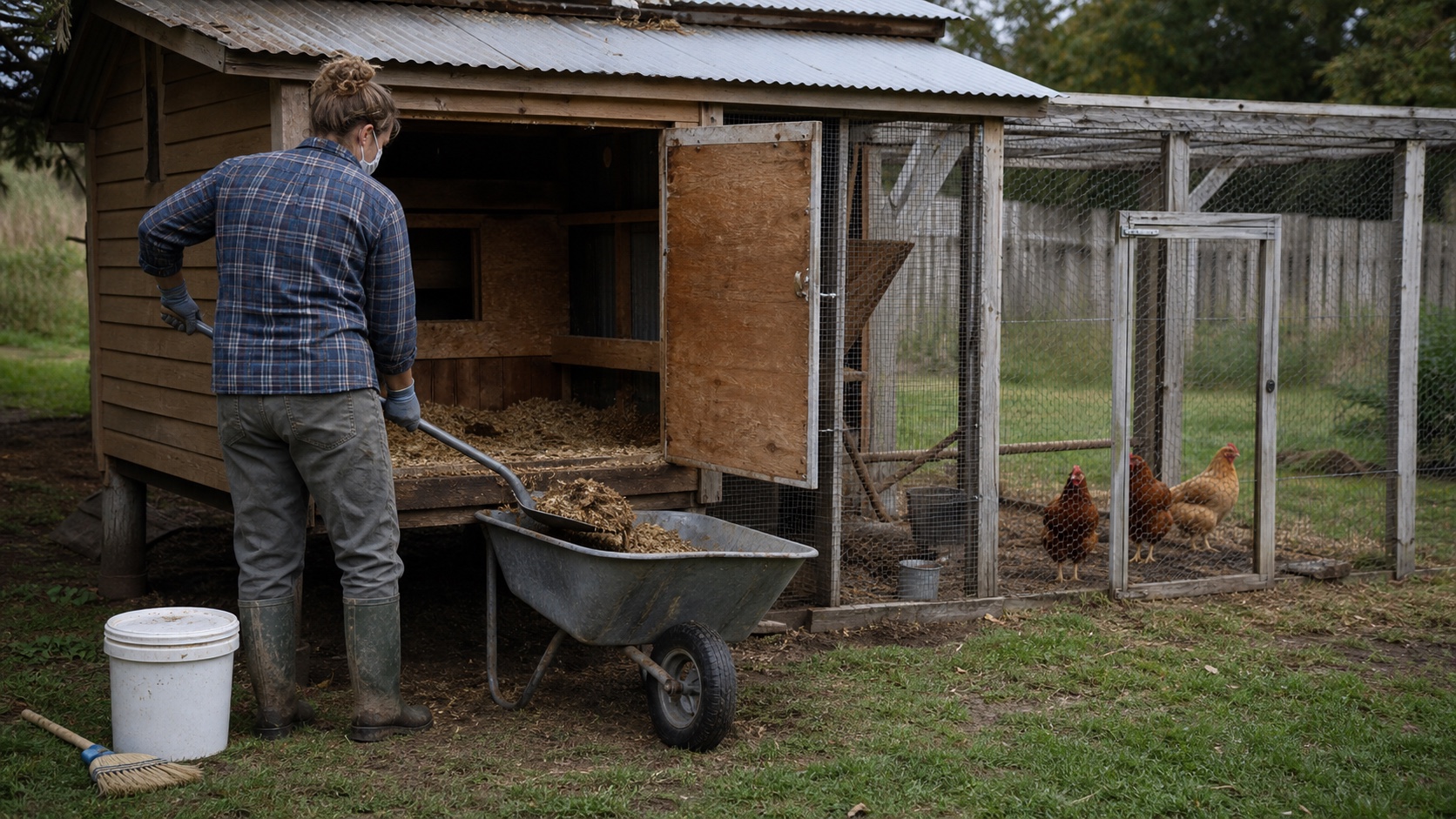
How to Clean a Chicken Coop: A Beginner Schedule
Clean a chicken coop without turning every week into a full cleanout. Use condition-based checks, a safe step-by-step method, and a realistic beginner schedule.

Tools
Best Beginner Work Gloves for Garden and Coop Work
A practical guide to choosing beginner work gloves for garden, coop, and yard work without overbuying or buying the wrong kind.
Tools
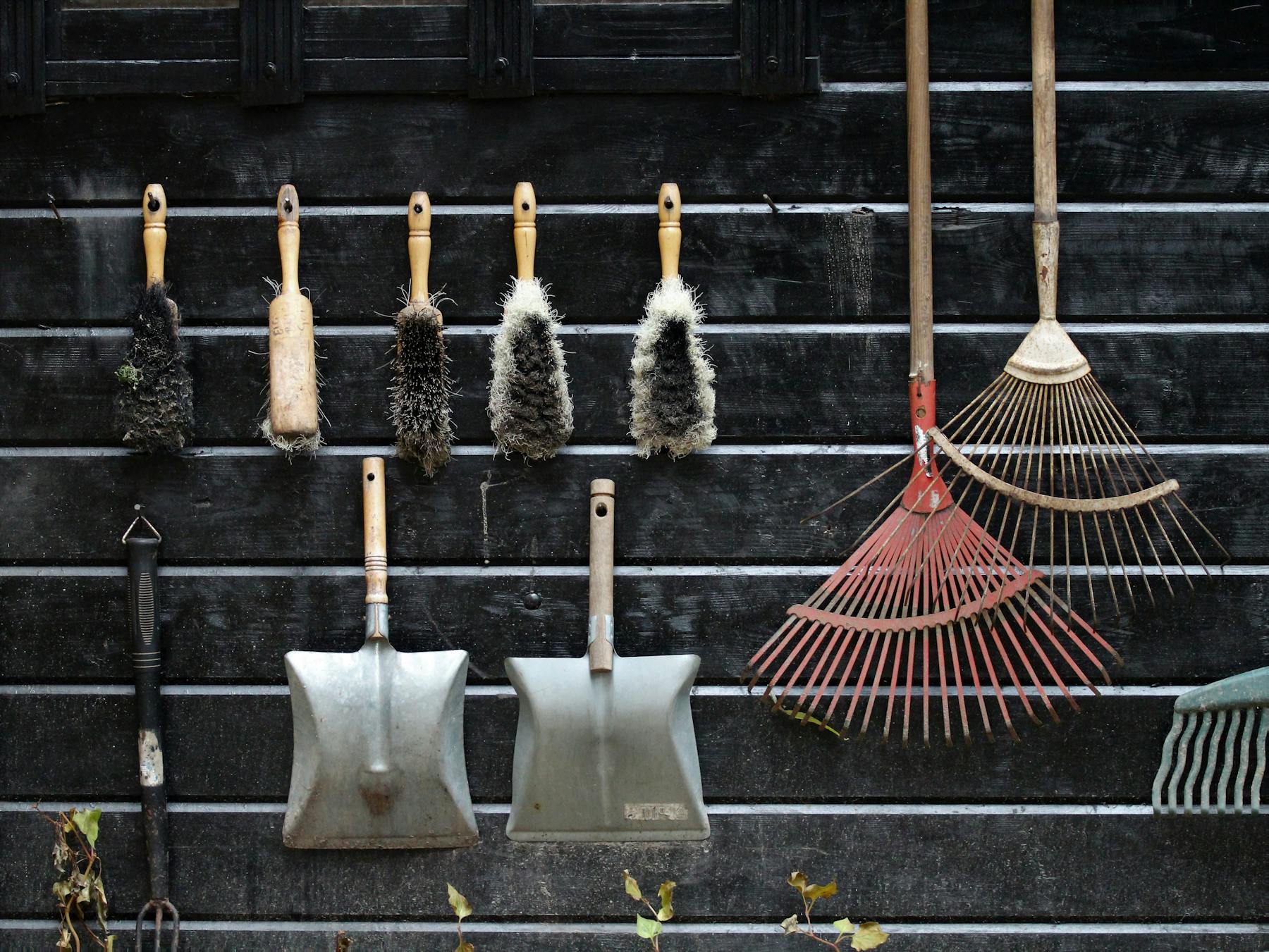
Tools I Actually Use on Our Homestead
A small list of genuinely useful tools beats a big fantasy shopping cart. These are the kinds of things that keep earning their place.
Buy-first support
Get the buy-first guide before you add another tool.
Use the buy-first guide to decide what earns money now, what can be borrowed, and what belongs on the wait list.
Best for: Beginners who keep seeing useful things online and need a disciplined way to decide what actually earns a place.
- A buy now, borrow, wait, or skip framework
- Starter category shortlists
- A three-question purchase test
Practical tool notes, restrained gear decisions, and one disciplined guide first.
After signup, the download will unlock right here so you can save or print it.
About the author
William Mock
Founder, writer, and beginner homesteader
William writes from the beginner side of rebuilding after a layoff: homestead plans, family systems, budgets, tools, and the decisions that make a home feel less fragile.
Read why this site existsRelated Guides
Keep building context
Tools
Best Beginner Work Gloves for Garden and Coop Work
A practical guide to choosing beginner work gloves for garden, coop, and yard work without overbuying or buying the wrong kind.
Chickens
How to Clean a Chicken Coop: A Beginner Schedule
Clean a chicken coop without turning every week into a full cleanout. Use condition-based checks, a safe step-by-step method, and a realistic beginner schedule.
Tools
Tools I Actually Use on Our Homestead
A small list of genuinely useful tools beats a big fantasy shopping cart. These are the kinds of things that keep earning their place.