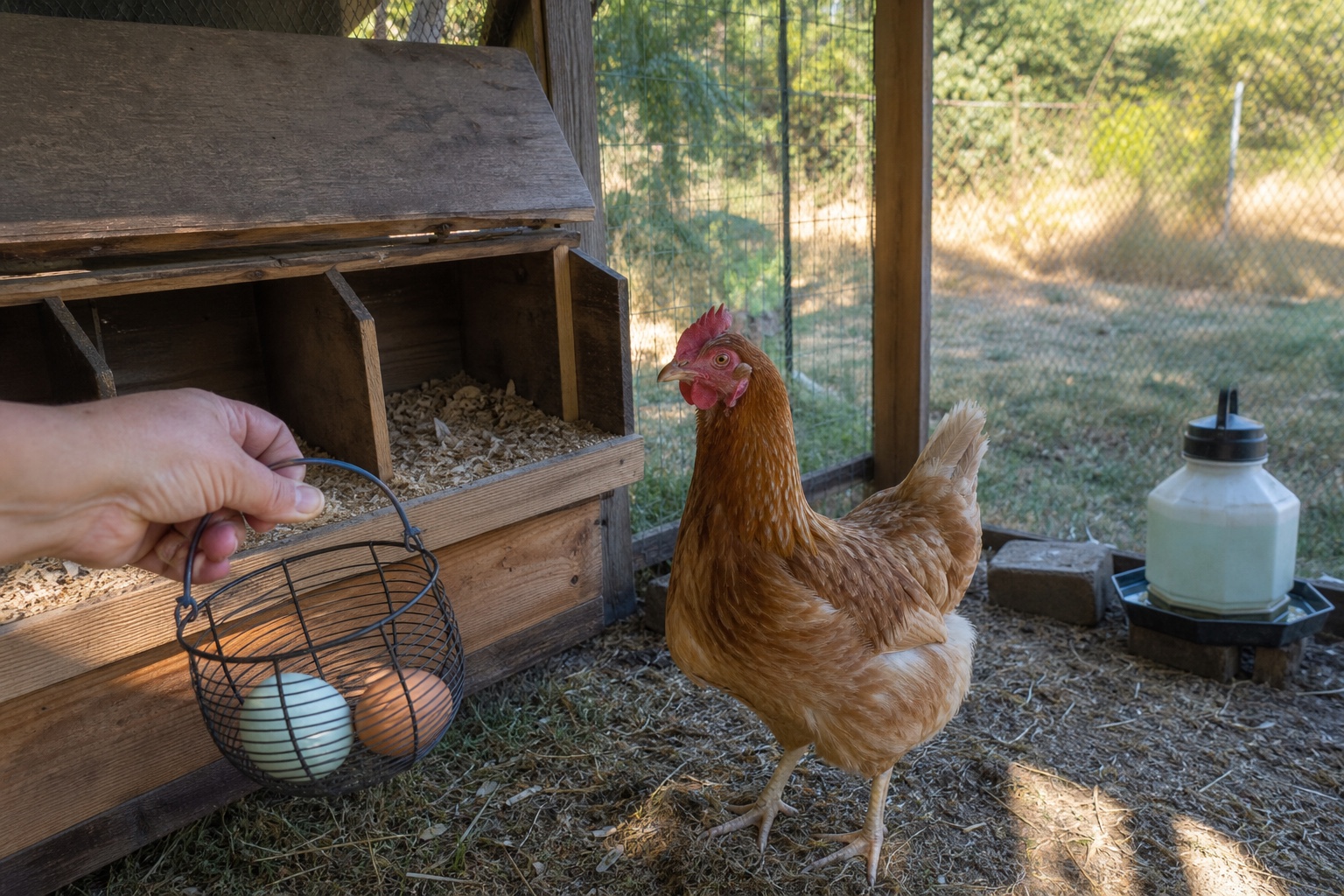
Chickens can lay fewer eggs during hot summer weather because heat changes how much they eat, drink, rest, and spend energy on staying cool. Egg size and shell quality may change before the basket becomes obviously lighter.
But heat should not become the automatic answer for every missing egg. A beginner still needs to check the birds, water, feed, nests, age, broodiness, molt, parasites, predators, and illness signs in a sensible order.
The basket got quieter before the flock looked different
I still remember how much that first blue egg changed the feeling of the work. Feed bags, water checks, bedding, and coop latches had been a string of inputs. One small egg in my hand was the first visible answer from the system.
The strange part comes later, when eggs stop feeling surprising. The basket becomes ordinary enough that you start using it like a scoreboard. On a hot week, two eggs instead of the usual handful can feel like a verdict before you have even looked closely at a hen. I have had to learn to reverse that order: birds first, basket second.
That shift changes the whole check. Are the hens alert? Are they reaching clean water without crowding? Are they eating their balanced feed, or have treats taken over because everybody is trying to cool them down? Is one bird hiding, panting harder, or moving differently? The egg count matters, but it makes more sense after the flock tells you how the day feels.
How summer heat changes egg production
A chicken has to keep her body temperature within a narrow working range while wearing feathers and producing metabolic heat. As outdoor temperature and humidity rise, she changes behavior to lose heat. She may seek shade, hold her wings away from her body, pant, drink more, move less, and eat less.
University of Minnesota Extension notes that poultry begin changing behavior and reducing feed intake and production as temperatures move toward 85 degrees Fahrenheit, although humidity, housing, airflow, breed, body size, and individual condition change the risk. Penn State Extension likewise connects increasing heat with lower feed consumption, smaller eggs, poorer shell quality, and declining egg production.
That reduced feed intake matters because an egg is not made from summer air. A hen still needs a complete layer ration, adequate protein and energy, calcium for shell formation, and constant access to water. When staying cool becomes the body's first job, production can lose the competition.
What to check before you blame the heat
Check water first because feed follows water
During heat stress, chickens may drink two to four times their normal amount according to University of Minnesota Extension. That makes a water problem larger than an inconvenience. A tipped waterer, clogged nipple, algae film, hot sun, or dominant bird blocking access can affect the flock quickly.
Feed, treats, and shell quality
Hot hens often eat less. That makes every bite of the regular ration more important, not less. Balanced layer feed should remain the foundation. Watermelon, frozen produce, scratch, and kitchen extras may encourage activity or provide a small treat, but they should not displace the feed formulated to support the hen.
Thin or soft shells during heat can be related to reduced feed intake and physiological changes from panting. Do not respond by pouring random supplements into everything. Keep the layer ration consistent, offer calcium appropriately for laying hens, protect water intake, and use Extension or veterinary guidance when shell problems persist.
Other reasons summer eggs go missing
Not every lighter basket means the hens made fewer eggs. Summer changes the whole yard. Hens may find hidden nests under vegetation or in outbuildings. Predators may learn the route to a nest. Broken eggs can lead to egg-eating behavior. A broody hen may sit instead of producing normally. Older hens may simply be past peak production.
When a lighter basket needs outside help
Egg production is useful information, but it is not enough to diagnose a flock. A severe or sudden drop paired with illness signs deserves more than an internet checklist. Contact a poultry veterinarian, local Extension office, or state poultry diagnostic laboratory when birds are weak, struggling to breathe, showing neurological signs, producing persistent abnormal eggs, or dying unexpectedly.
Do not start leftover antibiotics, dewormers, mite treatments, calcium loading, or homemade water additives just because the basket is light. Treatment depends on the cause, and products used in laying hens may have egg-withdrawal or approval considerations.
What is worth buying and what can wait
A second easy-clean waterer is worth considering when the flock depends on one container. A simple shaded thermometer and humidity display can help when the coop feels different from the weather report. Poultry electrolytes may earn a place for short heat events if you will follow the label and keep plain water available.
What can wait is the shelf full of production boosters. More supplements, more artificial light, expensive automatic nest boxes, and a complete feed change are not sensible first answers to a one-week summer dip. Fix water, shade, airflow, balanced feed, observation, and nest security before buying a promise in a pouch. Supplemental light belongs to a separate winter daylight and production decision, not a heat-stress response.
Heat comes first
Make the flock safer before chasing the egg count
Use the beginner summer chicken guide to check shade, water, ventilation, space, and heat-stress warning signs in a practical order.
Use the summer chicken checklistBirds first, basket second
A lighter egg basket is worth noticing. It is not worth panicking over before you have watched the flock. The most useful summer routine is simple: look at the hens, check water and feed, inspect the nests, write down the pattern, and respond to the cause you can actually see.
The first blue egg taught me that the flock's work could become visible in one small thing. The quieter basket taught the other half of the lesson: the birds are not machines behind the product. Take care of the system and let production be feedback, not the only measure of whether the day went well.
Recommended next reads
Keep the flock steady through summer
These guides cover the next useful decisions: reducing heat load, building a reliable daily check, and understanding the recurring feed cost behind every egg.
Chickens
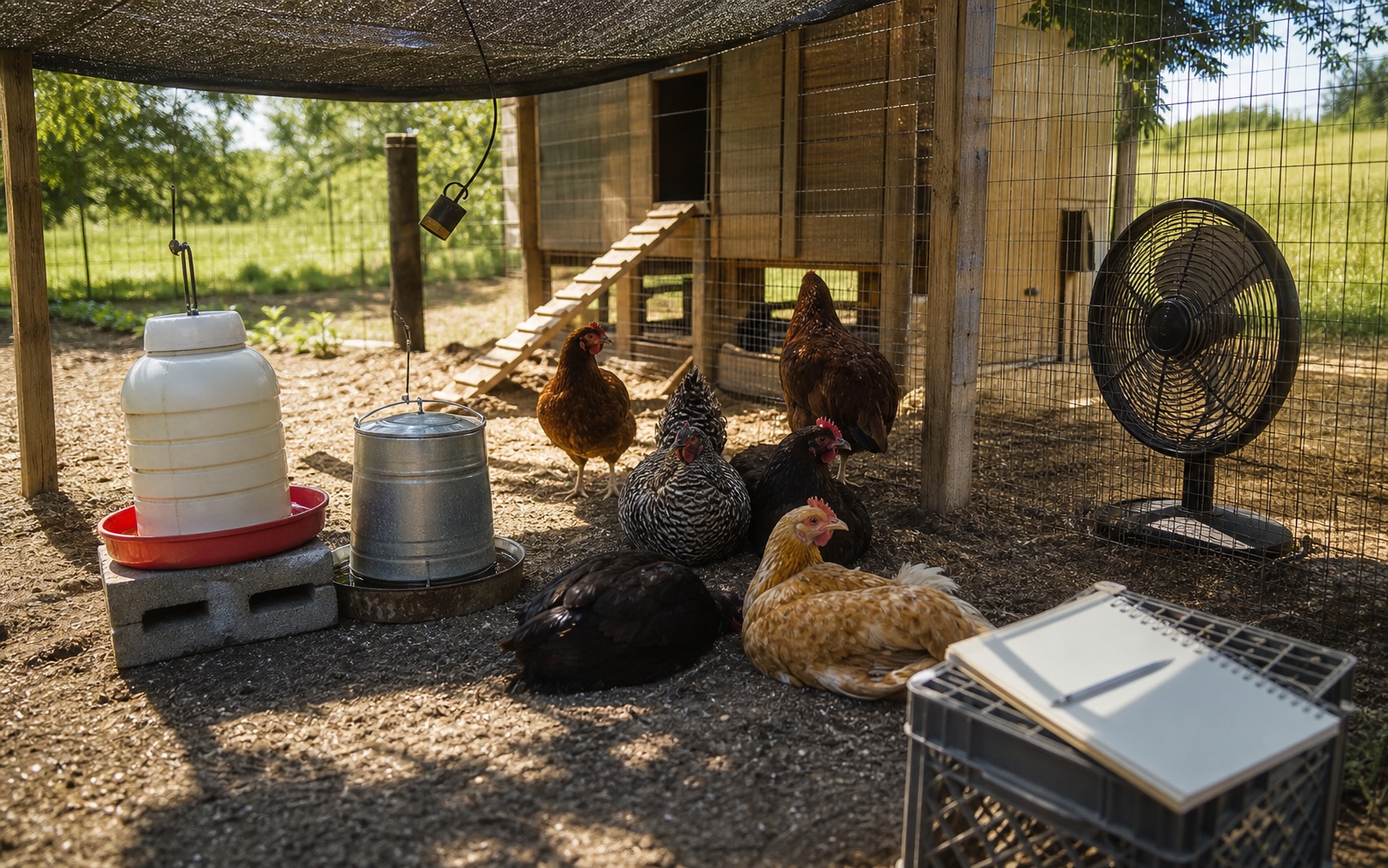
How to Keep Backyard Chickens Cool in Summer
A practical summer heat guide for backyard chickens: water, shade, airflow, feeding timing, warning signs, and the beginner mistakes that make hot days harder.
Chickens
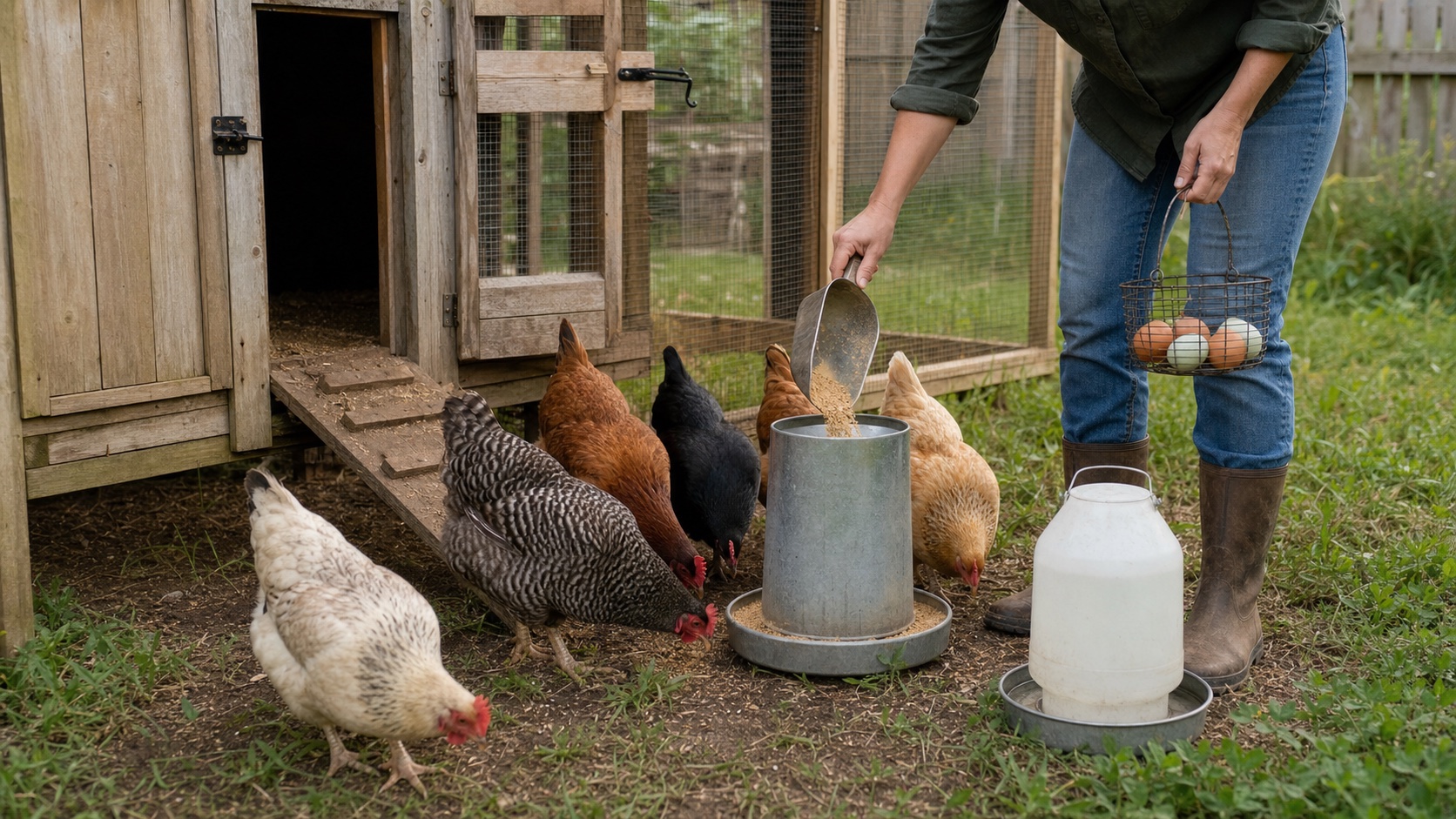
Daily Chicken Care Routine for Busy Families
A realistic morning and evening chicken-care routine built around fresh water, feed, eggs, observation, a secure coop, and the few checks busy families should not skip.
Chickens
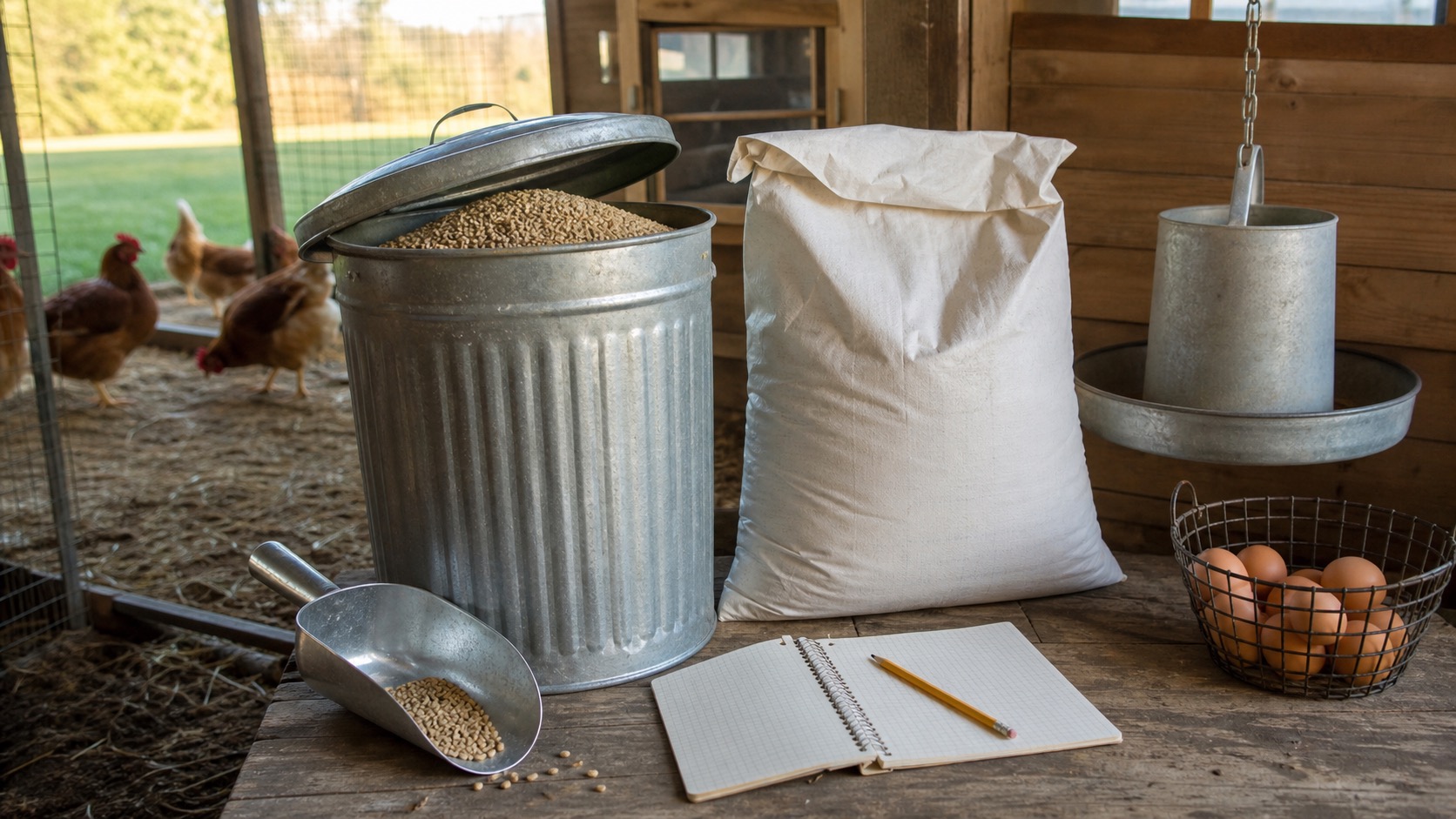
Chicken Feed Costs for Beginners: Monthly Numbers That Actually Matter
A practical guide to monthly chicken feed costs for beginners, including feed math, flock size, waste, storage, and the recurring costs that make egg math more honest.
Keep it practical
Start your first flock with fewer surprises
Get the beginner chicken checklist for a calmer look at flock size, coop basics, feed, water, predator protection, and what to have ready before birds arrive.
Practical notes from the work in progress. Low-noise and easy to leave.
Frequently asked questions
Do chickens lay fewer eggs when it is hot?
Yes. Hot weather can reduce feed intake, egg size, shell quality, and egg production. A mild gradual dip during a hot stretch can be weather-related, but severe panting, lethargy, weakness, pale combs, abnormal droppings, respiratory signs, or a sudden unexplained flock-wide drop deserve faster investigation.
How long does it take egg production to return after heat stress?
That depends on how severe and prolonged the stress was, the hens' age and health, and whether they resumed normal eating and drinking. A mild dip may improve after temperatures moderate. Mississippi State University Extension notes that production after significant heat stress may take as long as a month to return to normal.
Should I give chickens electrolytes during hot weather?
Electrolytes can be useful for short heat-stress periods when used according to a poultry product label. University of Minnesota Extension discusses providing them for up to three days. They do not replace unlimited clean, cool water, shade, ventilation, or veterinary help for a bird in distress.
Should I add more light when hens lay fewer eggs in summer?
Usually not. Summer already provides long natural days in much of the United States, and a heat-related production dip is not solved by making the birds' day longer. Abrupt or excessive supplemental lighting can create additional problems. Check heat, water, feed, bird behavior, hidden nests, broodiness, molt, and health first.
When should a drop in egg production worry me?
Act promptly when the drop is sudden and flock-wide without an obvious weather pattern, or when any hen also shows severe panting, weakness, isolation, poor appetite, respiratory signs, diarrhea, neurological signs, injury, unusual shell changes, or abnormal mortality. Contact a poultry veterinarian, local Extension office, or state poultry diagnostic resource rather than guessing with medication.
Recommendations
Useful tools and resources for this decision
These are included only where they reduce repeated friction, clarify a next step, or help you avoid buying the wrong thing first.
Compare poultry waterers
Second shaded poultry waterer
A second clean water point can reduce crowding and provide backup if one waterer tips, clogs, heats up, or gets dirty during a hot day.
Best for: Small flocks that rely on one water source during summer heat
Buy for easy cleaning, stable placement, and enough capacity for your flock. A larger dirty waterer is not an upgrade.
Check current priceCompare thermometers
Simple coop thermometer and hygrometer
A basic temperature and humidity display can help connect changes in flock behavior and egg production to the actual conditions around the coop and run.
Best for: Keepers who are judging heat only by the weather app
Mount it at bird level in shade and out of pecking range. Direct sun can give you a dramatic number that does not describe the birds' shaded space.
Check current priceCompare poultry electrolytes
Poultry electrolyte packets
A poultry-labeled electrolyte can be useful for a short, anticipated heat-stress period when mixed and offered exactly as directed.
Best for: Short periods of significant heat stress, not routine year-round use
Keep plain fresh water available and follow the product label. Do not use supplements to delay care for a bird showing serious heat-stress or illness signs.
Check current priceRead the heat-stress guide
University of Minnesota Extension heat-stress guide
A current poultry guide covering temperature, humidity, panting, water intake, ventilation, feed timing, electrolytes, and warm-weather declines in egg production and shell quality.
Best for: Source-backed summer flock care and heat-stress warning signs
View resourceReview hot-weather guidance
Penn State Extension hot-weather poultry guide
A practical temperature-and-symptom reference explaining how heat affects feed intake, egg size, shell quality, and production.
Best for: Connecting flock changes to increasing heat conditions
View resourceRead the backyard heat guide
Mississippi State Extension backyard chicken heat guidance
A recent backyard-flock article covering early heat-stress signs, shade, ventilation, fresh water, emergency cooling, and recovery of egg production.
Best for: Recognizing when a summer production dip is becoming a health emergency
View resourceRecommended next reads
Read next if it helps the decision
Move into the next guide only if it clarifies the next practical step.
Chickens
How to Keep Backyard Chickens Cool in Summer
A practical summer heat guide for backyard chickens: water, shade, airflow, feeding timing, warning signs, and the beginner mistakes that make hot days harder.
Chickens
Daily Chicken Care Routine for Busy Families
A realistic morning and evening chicken-care routine built around fresh water, feed, eggs, observation, a secure coop, and the few checks busy families should not skip.
Chickens
Chicken Feed Costs for Beginners: Monthly Numbers That Actually Matter
A practical guide to monthly chicken feed costs for beginners, including feed math, flock size, waste, storage, and the recurring costs that make egg math more honest.
Chicken setup support
Get the chicken setup checklist before you buy more flock gear.
Use the first-year checklist to price the flock honestly, cover the starter essentials, and delay the upgrades that can wait.
Best for: Readers trying to price a first flock honestly and avoid a scattered chicken setup.
- A pre-chick setup checklist
- A recurring-cost planning section
- A simple weekly flock-care rhythm
Chicken setup notes, beginner flock lessons, and the checklist first.
After signup, the download will unlock right here so you can save or print it.
About the author
William Mock
Founder, writer, and beginner homesteader
William writes from the beginner side of rebuilding after a layoff: homestead plans, family systems, budgets, tools, and the decisions that make a home feel less fragile.
Read why this site existsRelated Guides
Keep building context

Chickens
The Real Cost of Getting Started With Backyard Chickens
Backyard chickens can be a strong first step into homesteading, but the startup costs and recurring work deserve an honest look.

Chickens
When Do Chickens Start Laying Eggs? First Egg Signs and What to Do Next
A practical beginner guide to when pullets usually start laying eggs, what signs to watch for, and how to handle the first eggs without overbuying gear.
Chickens
How to Keep Backyard Chickens Cool in Summer
A practical summer heat guide for backyard chickens: water, shade, airflow, feeding timing, warning signs, and the beginner mistakes that make hot days harder.