
Many backyard chickens start laying eggs somewhere around 18 to 24 weeks old, but that range is a planning estimate, not a promise. Breed, daylight, season, feed, stress, health, weather, and the individual bird all matter. The better beginner question is not just when will they lay? It is what should I have ready before the first egg shows up?
A first egg feels like a finish line, but it is really the beginning of a new routine: nest boxes, daily collection, clean handling, storage, feed consistency, and watching whether the pullets are settling into laying without avoidable stress.
The first blue egg that made the work feel real
The eggs in the photo are not staged like a magazine spread. They are just sitting in a hand outside, a little dirty, different colors, proof that the flock did something useful while the rest of the household was busy with ordinary life. That is what made the moment stick for me.
There is a strange little shift when the first eggs appear. Chicks were cute. Feed bags were expensive. Coop chores were real. But that first blue egg made the whole system feel less theoretical. It was not a huge harvest. It was one small answer from the work.
It also reminded me that the egg is not the whole story. The nest had to be clean enough. The bird had to be healthy enough. Someone had to collect it, handle it well, and know what to do next. A first egg is exciting, but the routine around it is what keeps the excitement from turning into confusion.
Age is a range, not a deadline
Pullets are young female chickens before they become mature laying hens. Many beginner guides use the 18-to-24-week range because it is a useful expectation for plenty of common laying breeds. Some birds start earlier. Some take longer. Heavy breeds, heritage breeds, short winter days, heat stress, diet problems, predator pressure, moving stress, and individual development can all change the timeline.
That is why I would not panic if one bird starts and another waits. Flocks do not always begin laying as a group announcement. You may get one small egg, then nothing for a day or two, then another bird starts. Early laying can feel uneven because the pullets are still settling into a new body rhythm.
Signs a pullet is close to laying
You will usually see signs before the first egg. None of them are perfect on their own, but together they tell you the flock is moving toward the laying stage.
The squat is the sign beginners often notice because it feels so obvious once it starts. A pullet that used to dodge your hand may suddenly flatten down and hold still. That does not mean an egg will appear that hour, but it is a good hint that maturity is close.
Set up the nest before the first egg
Do not wait for the first egg to teach the flock where eggs belong. Have nest boxes ready before the laying window begins. They should be clean, quiet, easy for the birds to enter, and less tempting as sleeping spots than the roost.
If pullets start laying on the floor, under a ramp, or in a corner of the run, you may have to retrain the habit. A clean nest box does not guarantee perfect behavior, but it gives the flock the right answer before they invent their own.
What to do with the first eggs
First eggs are often smaller than later eggs. They may show up at odd times, have slightly different shapes, or arrive inconsistently. That does not automatically mean something is wrong. The reproductive system is getting started.
The practical routine is simple: collect eggs daily, wash hands afterward, keep nest boxes clean, discard cracked eggs when you are unsure how long they have been damaged, and store eggs consistently. CDC backyard poultry guidance emphasizes handwashing after touching birds, eggs, or anything in their environment. USDA shell-egg safety guidance also points people toward refrigeration and careful handling for food safety.
Feed changes when laying starts
Eggs do not come from scraps and hope. Laying hens need steady access to appropriate feed, and the grower-to-layer transition should follow the feed label and reliable poultry guidance. Layer feed is designed with laying birds in mind, including calcium needs that are different from chicks and growing pullets.
This is where beginners can get excited and accidentally make the diet messier. Treats, scratch, garden extras, and kitchen scraps should not crowd out balanced feed. If egg production is starting, this is the moment to make the feed routine more boring, not more experimental.
Recommendations
Useful egg tools and references
Useful after eggs are regular
Small wire egg basket
A modest basket keeps eggs from riding loose in coat pockets or kid hands on the way back from the coop.
Best for: Families collecting more than one or two eggs at a time from an outdoor coop
Check current priceClean-nest support
Washable nesting box pads
Washable pads can make nest boxes easier to refresh when eggs are getting dirty or bedding keeps being kicked out.
Best for: Coops where clean bedding is not staying in the nest boxes
Check current priceStorage helper
Egg date stamp or pencil
A simple date mark helps a busy household rotate backyard eggs without relying on memory.
Best for: Families collecting enough eggs that freshness tracking starts to get fuzzy
Check current priceFree Extension reference
University of Minnesota Extension chicken guide
A practical small-flock reference covering raising chickens for eggs, housing, equipment, feeding, egg handling, health, and flock care.
Best for: Checking beginner egg expectations against source-backed chicken-care guidance
View resourceFree hygiene guidance
CDC backyard poultry hygiene guidance
CDC guidance covers handwashing and healthy habits around backyard poultry, eggs, children, and coop equipment.
Best for: Families collecting eggs with kids or sharing coop chores
View resourceWhat can wait
You do not need a countertop egg display, fancy egg skelter, decorative carton labels, nesting box curtains, specialty supplements, or a complicated washing station before the first egg. Most beginners need clean boxes, daily collection, good feed, and a simple kitchen rule.
A realistic beginner scenario
Say your pullets are 21 weeks old in early summer. Two combs are turning bright red, one bird squats when you reach toward her, and somebody is digging around in the nest box bedding. You find one small egg in the corner of the coop instead of the box.
The steady response is not panic and not a shopping spree. Clean and improve the nest box, place a simple fake egg or clean marked egg if you use that training method, collect daily, keep feed consistent, and watch the next week. If eggs keep appearing outside the box, adjust the nest location, bedding, light, or access before buying more gear.
The real rule
The first egg is worth enjoying. Stop and enjoy it. Take the picture. Let the kids see that the boring work turned into something real.
Then build the routine that lets the next eggs stay clean, safe, and useful: steady feed, clean nest boxes, daily collection, simple storage, and enough patience to let young hens become laying hens without turning every odd first egg into a crisis.
Next practical step
The daily chicken-care routine shows how to fold egg checks into water, feed, flock observation, and the evening close.
Recommended next reads
Keep going
Move into the next guide only if it clarifies the next practical step.
Chickens
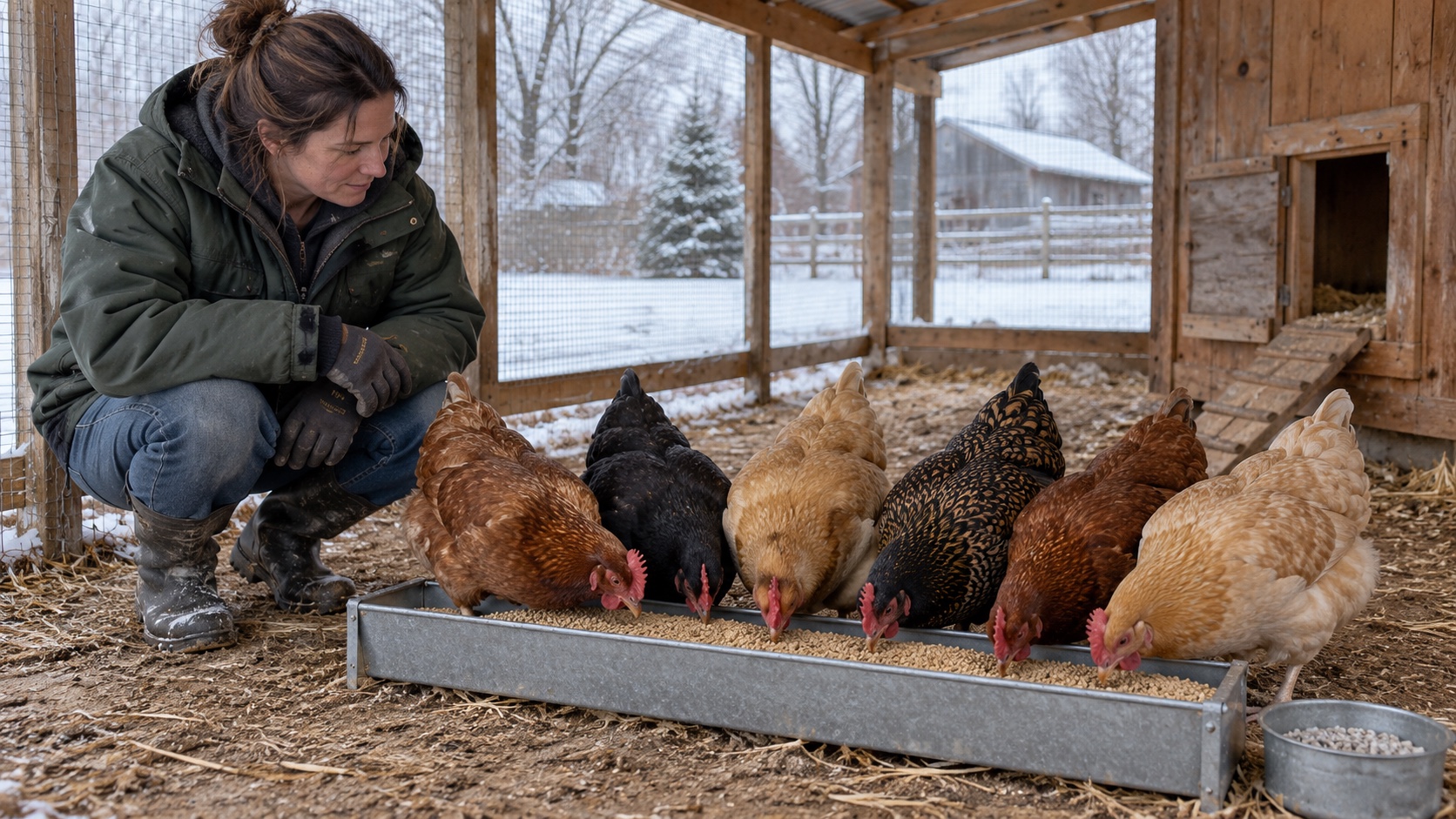
What Should Chickens Eat in Winter? A Beginner Feeding Plan
Keep a complete age-appropriate ration and liquid water available, expect some flocks to eat more in cold weather, limit scratch and treats, and watch individual birds instead of rebuilding the menu for winter.
Chickens
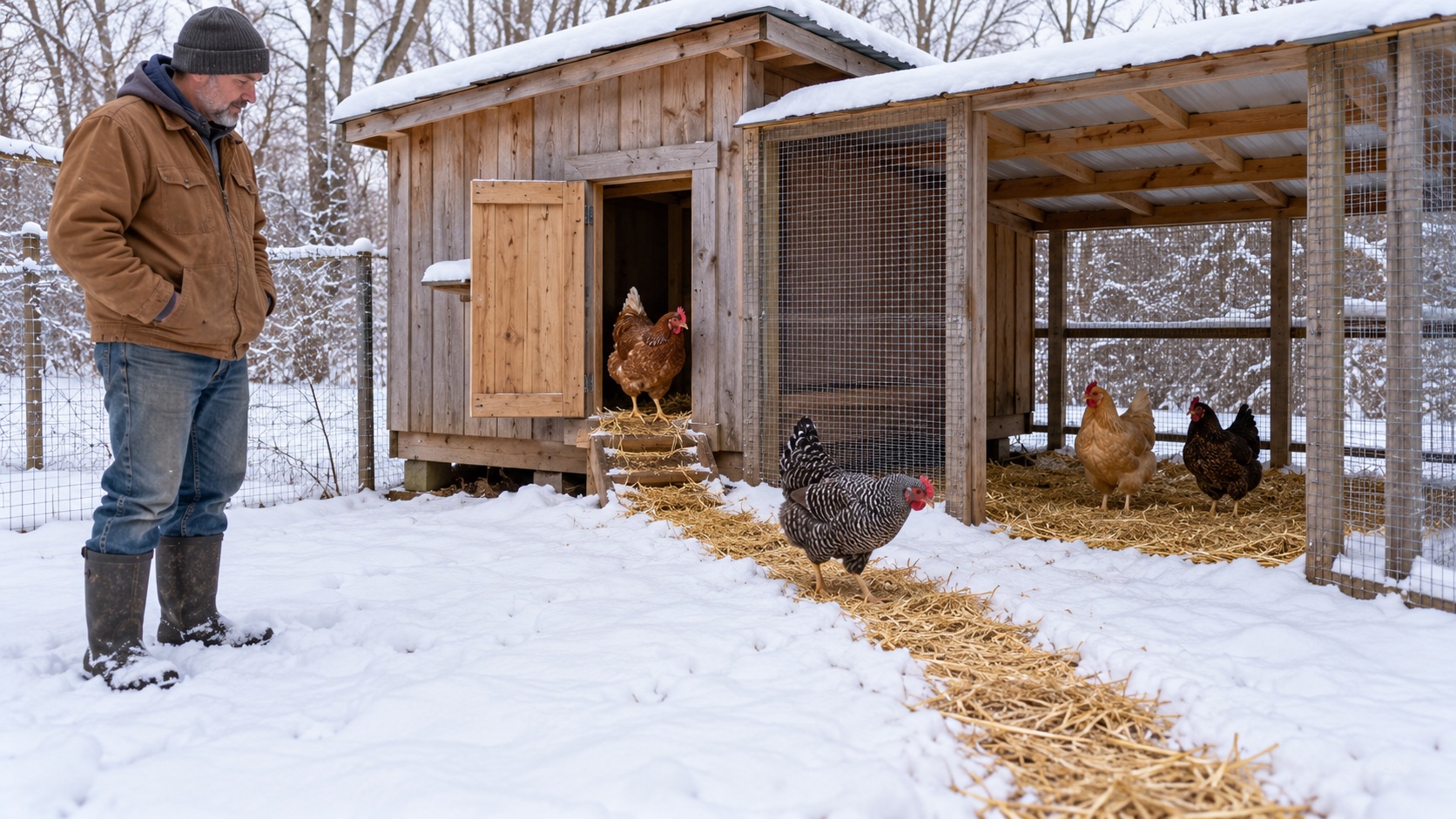
Can Chickens Go Out in Snow? A Safe Winter Guide
Healthy adult chickens can usually choose to enter a secure winter run, but snow, ice, wind, wet feathers, and individual bird condition change the decision. Use this simple check before opening the coop.
Chickens
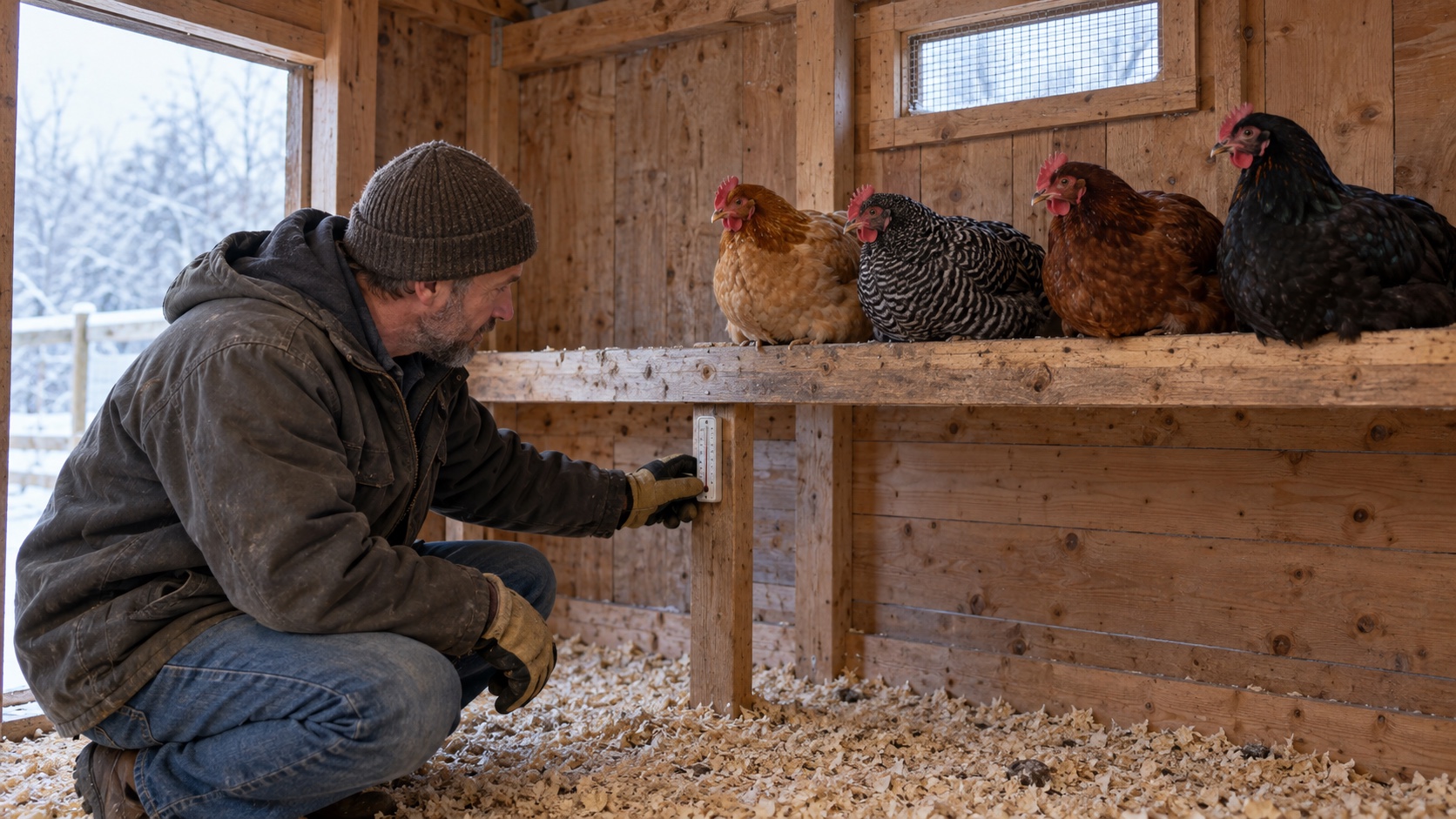
Do Chickens Need Heat in Winter? How to Decide Safely
Most adult chickens do not need a coop warmed for human comfort, but cold tolerance varies. Use bird condition, coop moisture, wind, measured temperature, and local guidance to make the decision safely.
Frequently asked questions
When do chickens usually start laying eggs?
Many pullets start laying somewhere around 18 to 24 weeks, but breed, season, daylight, nutrition, stress, health, and individual development can move that earlier or later. Use age as a planning range, not a deadline.
What are the signs a pullet is close to laying?
Common signs include a redder comb and wattles, more interest in nest boxes, squatting when approached, more mature body shape, louder or different vocalizing, and occasional practice behavior around the coop.
Are the first chicken eggs safe to eat?
Clean, intact eggs from healthy hens can be used, but handle them with ordinary food-safety care. Wash hands after collecting eggs, keep nest boxes clean, discard cracked or heavily soiled eggs when safety is uncertain, and cook eggs thoroughly.
Do I need special egg gear before the first egg?
No. You need clean nest boxes, a safe way to collect eggs, and a simple storage routine. Egg baskets, date stamps, nesting pads, and other tools can wait until you know what problem they are solving.
Recommendations
Useful tools and resources for this decision
These are included only where they reduce repeated friction, clarify a next step, or help you avoid buying the wrong thing first.
Useful after eggs are regular
Small wire egg basket
A modest basket keeps eggs from riding loose in coat pockets or kid hands on the way back from the coop.
Best for: Families collecting more than one or two eggs at a time from an outdoor coop
Check current priceClean-nest support
Washable nesting box pads
Washable pads can make nest boxes easier to refresh when eggs are getting dirty or bedding keeps being kicked out.
Best for: Coops where clean bedding is not staying in the nest boxes
Check current priceStorage helper
Egg date stamp or pencil
A simple date mark helps a busy household rotate backyard eggs without relying on memory.
Best for: Families collecting enough eggs that freshness tracking starts to get fuzzy
Check current priceFree Extension reference
University of Minnesota Extension chicken guide
A practical small-flock reference covering raising chickens for eggs, housing, equipment, feeding, egg handling, health, and flock care.
Best for: Checking beginner egg expectations against source-backed chicken-care guidance
View resourceFree hygiene guidance
CDC backyard poultry hygiene guidance
CDC guidance covers handwashing and healthy habits around backyard poultry, eggs, children, and coop equipment.
Best for: Families collecting eggs with kids or sharing coop chores
View resourceRecommended next reads
Read next if it helps the decision
Move into the next guide only if it clarifies the next practical step.
Chickens
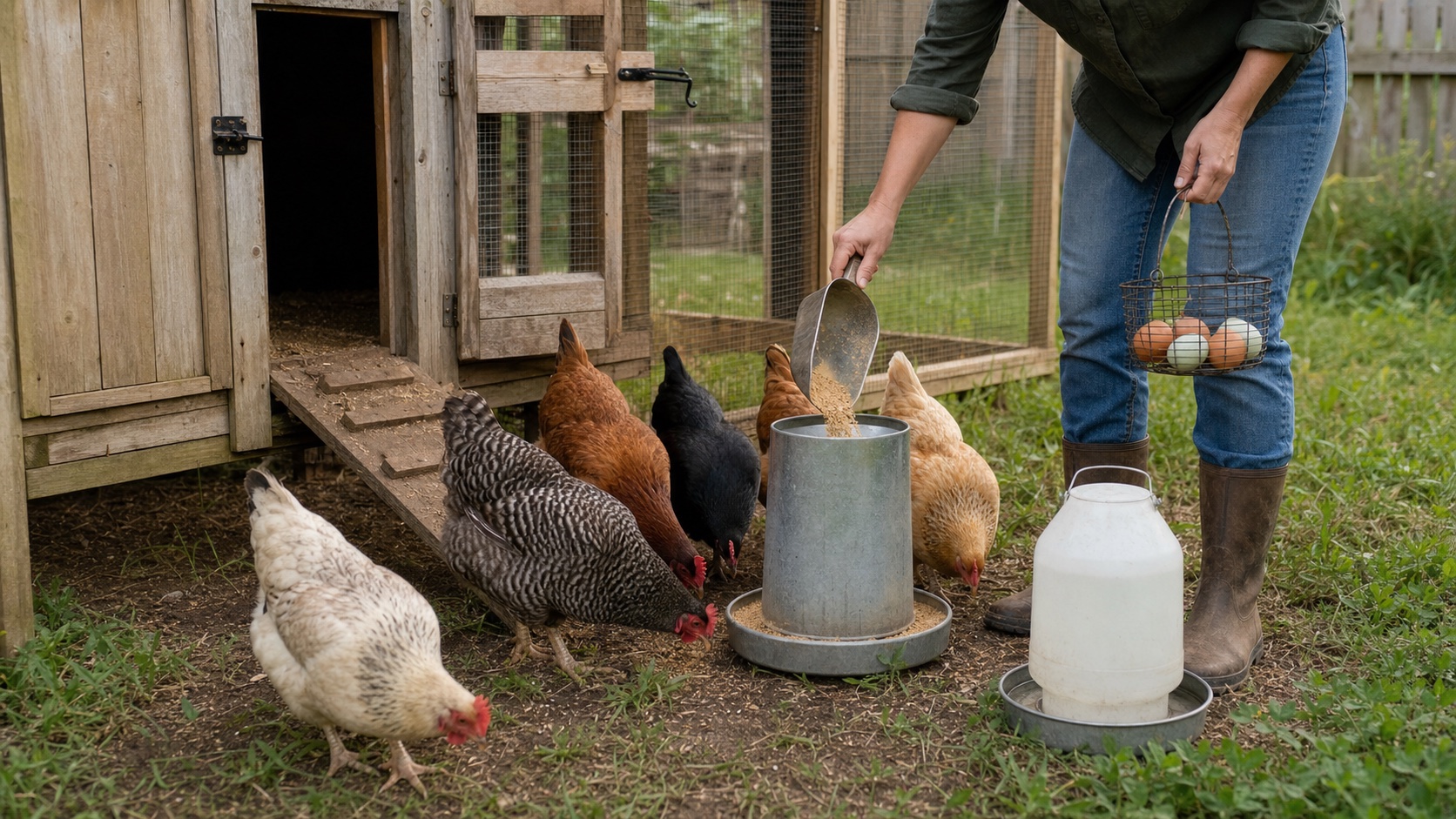
Daily Chicken Care Routine for Busy Families
A realistic morning and evening chicken-care routine built around fresh water, feed, eggs, observation, a secure coop, and the few checks busy families should not skip.
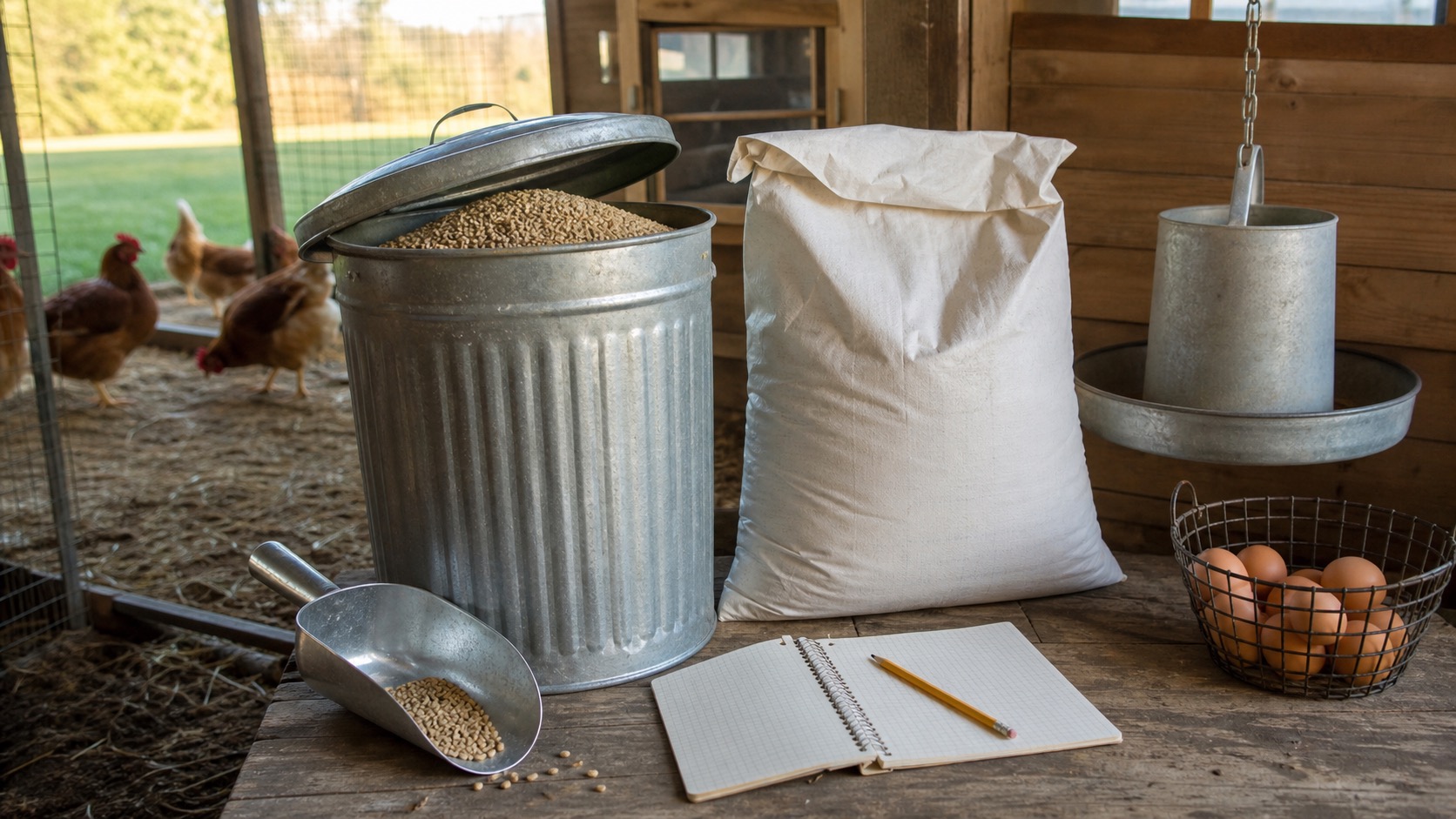
Chickens
Chicken Feed Costs for Beginners: Monthly Numbers That Actually Matter
A practical guide to monthly chicken feed costs for beginners, including feed math, flock size, waste, storage, and the recurring costs that make egg math more honest.
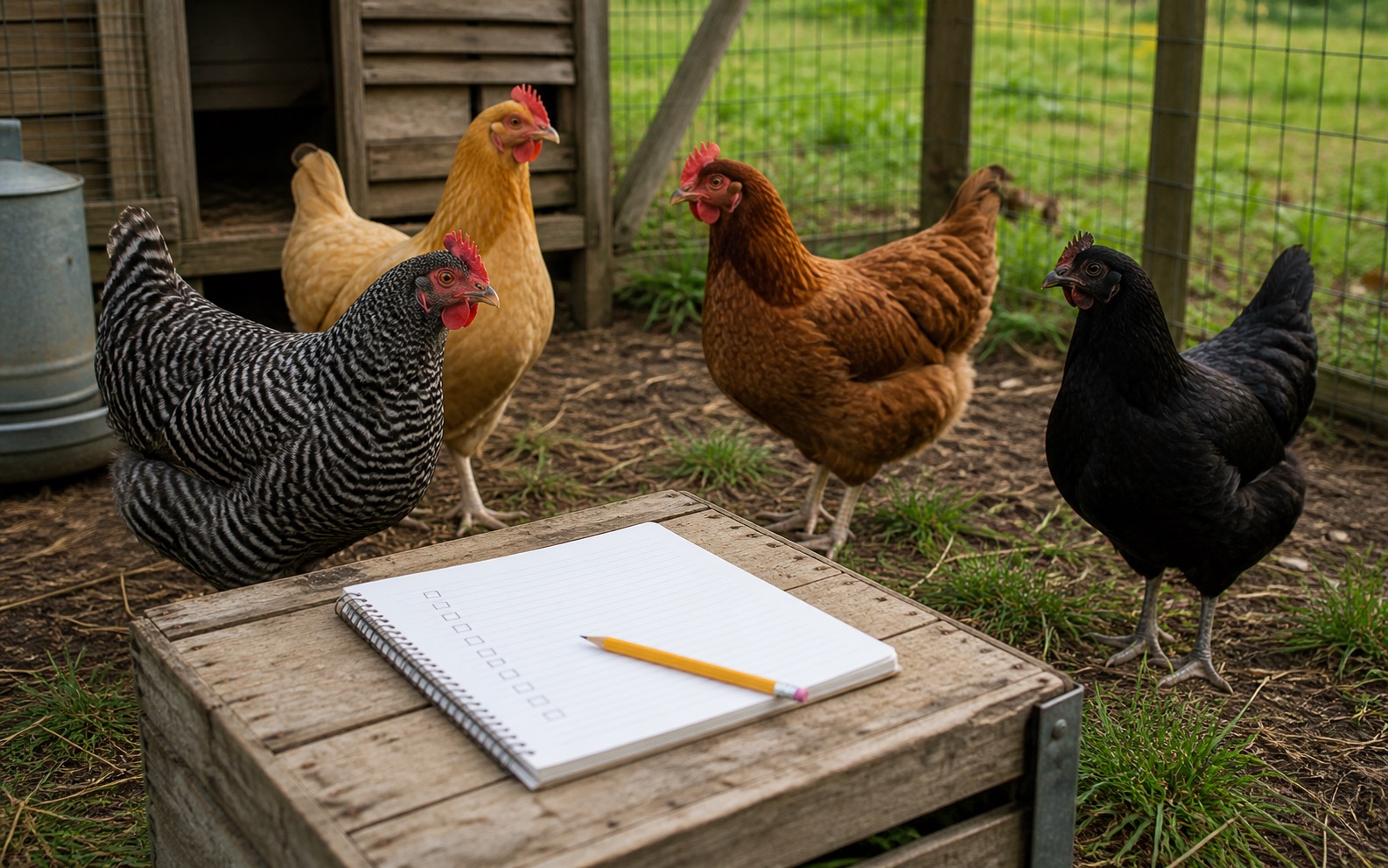
Chickens
Best Chicken Breeds for Beginners
A practical beginner guide to choosing chicken breeds by temperament, climate, egg goals, local rules, and daily care instead of chasing every egg color at once.
Chicken setup support
Get the chicken setup checklist before you buy more flock gear.
Use the first-year checklist to price the flock honestly, cover the starter essentials, and delay the upgrades that can wait.
Best for: Readers trying to price a first flock honestly and avoid a scattered chicken setup.
- A pre-chick setup checklist
- A recurring-cost planning section
- A simple weekly flock-care rhythm
Chicken setup notes, beginner flock lessons, and the checklist first.
After signup, the download will unlock right here so you can save or print it.
About the author
William Mock
Founder, writer, and beginner homesteader
William writes from the beginner side of rebuilding after a layoff: homestead plans, family systems, budgets, tools, and the decisions that make a home feel less fragile.
Read why this site existsRelated Guides
Keep building context
Chickens
Daily Chicken Care Routine for Busy Families
A realistic morning and evening chicken-care routine built around fresh water, feed, eggs, observation, a secure coop, and the few checks busy families should not skip.
Chickens
Chicken Feed Costs for Beginners: Monthly Numbers That Actually Matter
A practical guide to monthly chicken feed costs for beginners, including feed math, flock size, waste, storage, and the recurring costs that make egg math more honest.
Chickens
Best Chicken Breeds for Beginners
A practical beginner guide to choosing chicken breeds by temperament, climate, egg goals, local rules, and daily care instead of chasing every egg color at once.