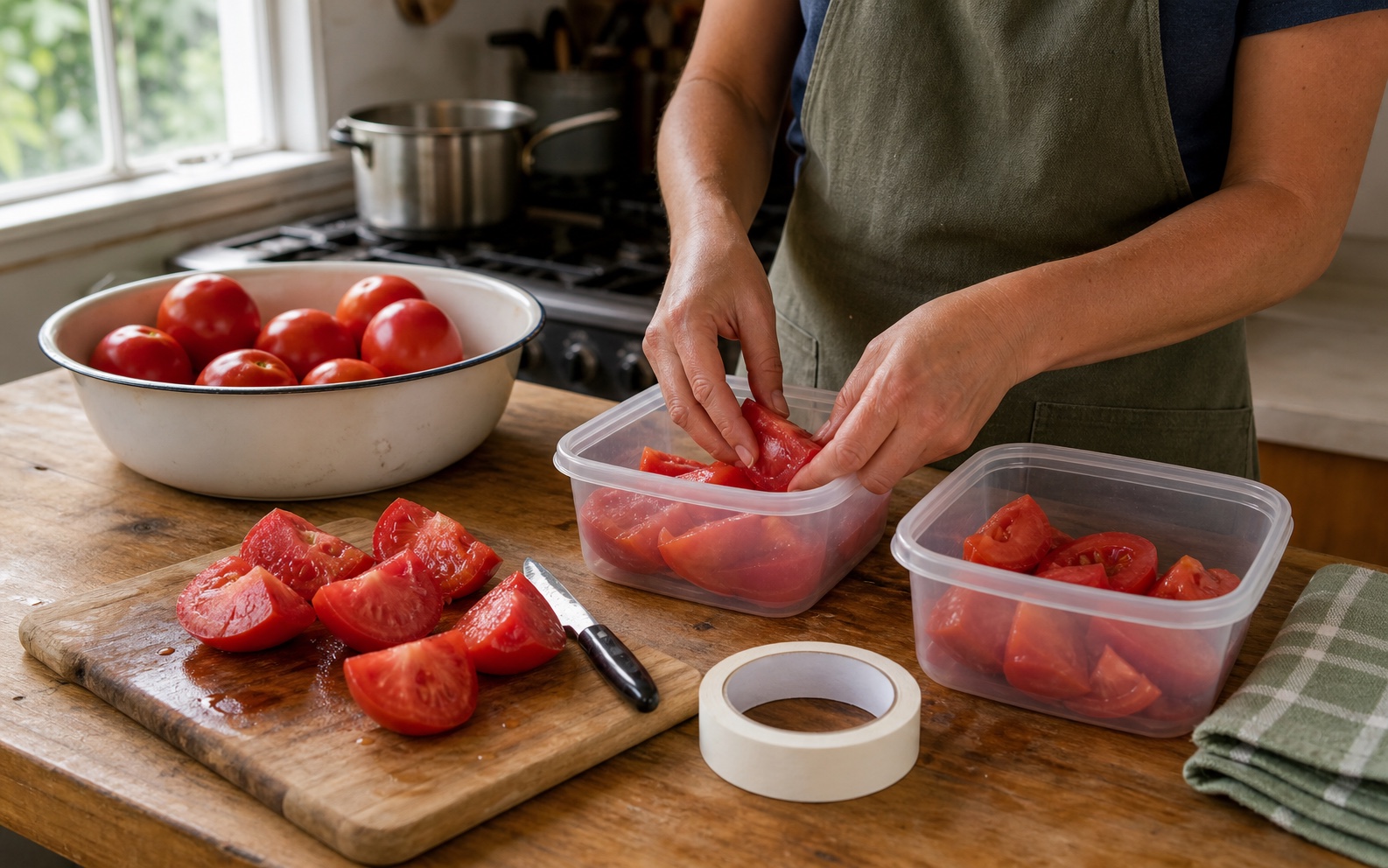
You can freeze ripe tomatoes now and turn them into sauce later. Use firm, sound tomatoes, loosen and remove the skins, core them, and freeze them whole or in pieces in freezer-safe containers with one inch of headspace. They will thaw soft and watery, which is exactly why sauce, soup, chili, and stew are better destinations than sandwiches or salad.
Freezing is the useful middle path when the harvest is ready but a full sauce day is not. It protects the tomatoes without forcing you to rush into canning, buy a shelf of equipment, or pretend the family calendar has an empty afternoon hiding in it.
The bowl of tomatoes that kept moving around the kitchen
I know the bowl that keeps changing places. It starts on the counter because the tomatoes look too good to hide. Then it moves beside the stove because sauce feels like tomorrow's project. By the next evening it is in the way of dinner, so somebody slides it to the table. The tomatoes are still ripening while the family week keeps moving around them.
That bowl can turn something good into pressure. I start imagining the proper preservation day: every tomato processed, sauce simmering, containers lined up, kitchen cleaned before bed. The bigger I make the project in my head, the easier it is to delay one more day.
The better lesson has been to separate saving the harvest from finishing the recipe. I do not need to know whether every tomato becomes marinara, chili, soup, or stew. I need to keep sound fruit from crossing the line into waste. A few freezer packages can buy that decision back without turning a weeknight into a homesteading performance.
Harvest before preserving
Pick the crops that lose quality fastest
Use the beginner harvest guide to decide what belongs in the kitchen today and what can stay in the garden a little longer.
Use the beginner harvest guideStart with tomatoes worth saving
Freezing pauses change; it does not reverse it. Begin with firm, ripe tomatoes with good color and clean, sound flesh. Wash your hands, clean the work surface and utensils, and rinse the tomatoes under cool running water before cutting.
Discard tomatoes with mold, sour or fermented odor, spreading rot, leaking decay, or questionable insect damage. Penn State Extension also advises against preserving diseased tomatoes. If the fruit came from dead, frost-killed, or visibly diseased vines, use qualified local guidance rather than trying to rescue it through the freezer.
After a heavy rain
Sort cracked tomatoes before they become a preservation question
Learn what a tomato split means, what to discard, and why damaged fruit does not belong in a home-canning batch.
Read the cracked-tomato guideHow to freeze raw tomatoes for future sauce
The method below follows the National Center for Home Food Preservation guidance for raw tomatoes. Read the current source before beginning, especially if the official instructions have changed since this guide was published.
Peel before freezing if you want the cleanest sauce shortcut
Tomato skins often separate and curl during cooking. You can eventually strain or blend a sauce, but removing skins before freezing keeps that job out of a colder, wetter stage later. The NCHFP raw-freezing method uses a 30-second boiling-water dip specifically to loosen them before coring and peeling.
If the goal is weeknight sauce, do the small amount of knife and peeling work now while the tomatoes are firm. Do not add extra steps just to make the package look polished. Uniform cubes, seed removal, and a special tomato mill can wait unless the final recipe truly needs them.
Use freezer containers, real headspace, and meal-sized portions
Tomatoes are mostly water, and water expands as it freezes. Leave the full one inch of headspace specified by the NCHFP method rather than packing a rigid container to the lid. Use containers or bags made for freezer storage, not a thin takeout tub that may crack or a glass jar not rated for freezing.
University of Minnesota Extension notes that smaller containers freeze more quickly and let you thaw smaller amounts. That is the practical reason to package for real meals. A giant container may look efficient on processing day and become inconvenient every time dinner needs two cups.
Raw tomatoes now or cooked sauce now?
Freeze prepared raw tomatoes when time is the limiting factor and you want to choose the recipe later. Cook sauce first when freezer space is tight, the tomatoes are all ready at once, and the family has enough uninterrupted time to reduce and cool the batch properly.
Neither choice proves more commitment. The useful choice is the one that protects good food without exhausting the day. A freezer package of peeled tomatoes is not unfinished homesteading. It is a decision intentionally postponed.
How to thaw frozen tomatoes and turn them into sauce
Penn State Extension advises thawing frozen tomatoes in the refrigerator or in the microwave at the start of cooking. You can also add an appropriately sized frozen package directly to a pot when the recipe and cookware allow it, then heat it safely and stir as it releases liquid. Do not leave a large package on the counter for hours.
Expect water. Freezing ruptures cell walls, so thawed tomatoes collapse and release juice. That is not freezer failure. Add the liquid to soup or chili, or simmer the tomatoes uncovered when making sauce so excess water can evaporate. A wider pot generally exposes more surface area than a narrow one, but steady stirring and avoiding scorching matter more than specialized cookware.
Do not carry freezer flexibility into home canning
Freezing and canning are different preservation systems. Freezer recipes allow more flexibility because the food stays frozen. Shelf-stable canning depends on tested acidity, ingredient ratios, container size, preparation, processing method, time, and altitude adjustments. A freezer shortcut is not evidence that the same change is safe in a canning recipe.
Oregon State Extension does not recommend using thawed frozen tomatoes in a salsa canning recipe that calls for fresh tomatoes because the texture and moisture balance change. If you want an original salsa recipe, freeze the finished salsa. If you want shelf-stable salsa, choose a current research-tested recipe and follow it exactly.
What matters and what can wait
Another summer freezer job
Freeze zucchini in portions that match the future meal
Zucchini needs a different crop-specific method, including the right blanching approach and realistic texture expectations.
Read the zucchini-freezing guideWhere one optional freezer tool may earn its space
Use the freezer containers and bags you already own for the first batch. A dedicated portion tray makes sense only after you know that cooled sauce, soup, or stock repeatedly gets frozen in awkward amounts. The product should solve a pattern, not create a new preservation identity to shop for.
The Souper Cubes one-cup tray is a specific option for measured portions of cooled finished sauce. It makes four one-cup blocks, which can help when recipes call for predictable amounts. I would skip it for occasional freezing, a very small freezer, or a household that normally uses an entire large batch at once. Bags or ordinary freezer containers remain the cheaper answer.
Recommendations
One optional tool and the sources behind this guide
Optional sauce-portioning tool
Souper Cubes 1-cup freezer tray
A lidded silicone tray that freezes four measured one-cup portions of cooled tomato sauce, soup, stock, or other cooked food.
Best for: Households that repeatedly freeze cooked sauce in one- or two-cup meal portions
Freezer bags or containers you already own are enough. Buy a dedicated tray only if awkward portions are a repeated problem.
Check current pricePrimary preservation reference
National Center for Home Food Preservation tomato-freezing method
The research-based method for selecting, peeling, packing, and freezing raw tomatoes, tomato juice, or stewed tomatoes.
Best for: Following a clear preservation method instead of relying on social-media shortcuts
View resourceFreezer-quality reference
University of Minnesota Extension freezing guide
A practical guide to freezer containers, expansion, texture changes, package sizes, and produce quality after thawing.
Best for: Understanding why package size and expected texture matter
View resourceTomato preservation overview
Penn State Extension tomato preservation guide
Current guidance on selecting tomatoes and choosing among freezing, drying, and research-tested canning methods.
Best for: Comparing preservation methods without confusing their safety rules
View resourceSave the tomatoes without losing the week
The bowl does not need to become a crisis or a full-day project. Process the sound tomatoes with a trusted method, package the amount dinner will use, and let the freezer hold the recipe decision until the week has room for it.
That is the kind of preservation system I want in our fresh start: not one that proves we can do everything at harvest time, but one that keeps good food useful and leaves enough energy for the rest of family life.
Build the garden around ordinary weeks
Plan a first garden that you can harvest and use
Connect crop choices, bed size, watering, harvest timing, and preservation capacity before next season gets bigger.
Read the beginner garden planKeep learning
Browse practical beginner gardening guides
Find help with planning, watering, weather, harvest timing, tomato problems, fall planting, and preserving the food your garden actually grows.
Browse the gardening hubRecommended next reads
Use the rest of the summer harvest
These guides cover the next practical decisions around cracked tomatoes, freezing zucchini, and picking beginner crops at the right time.
Gardening
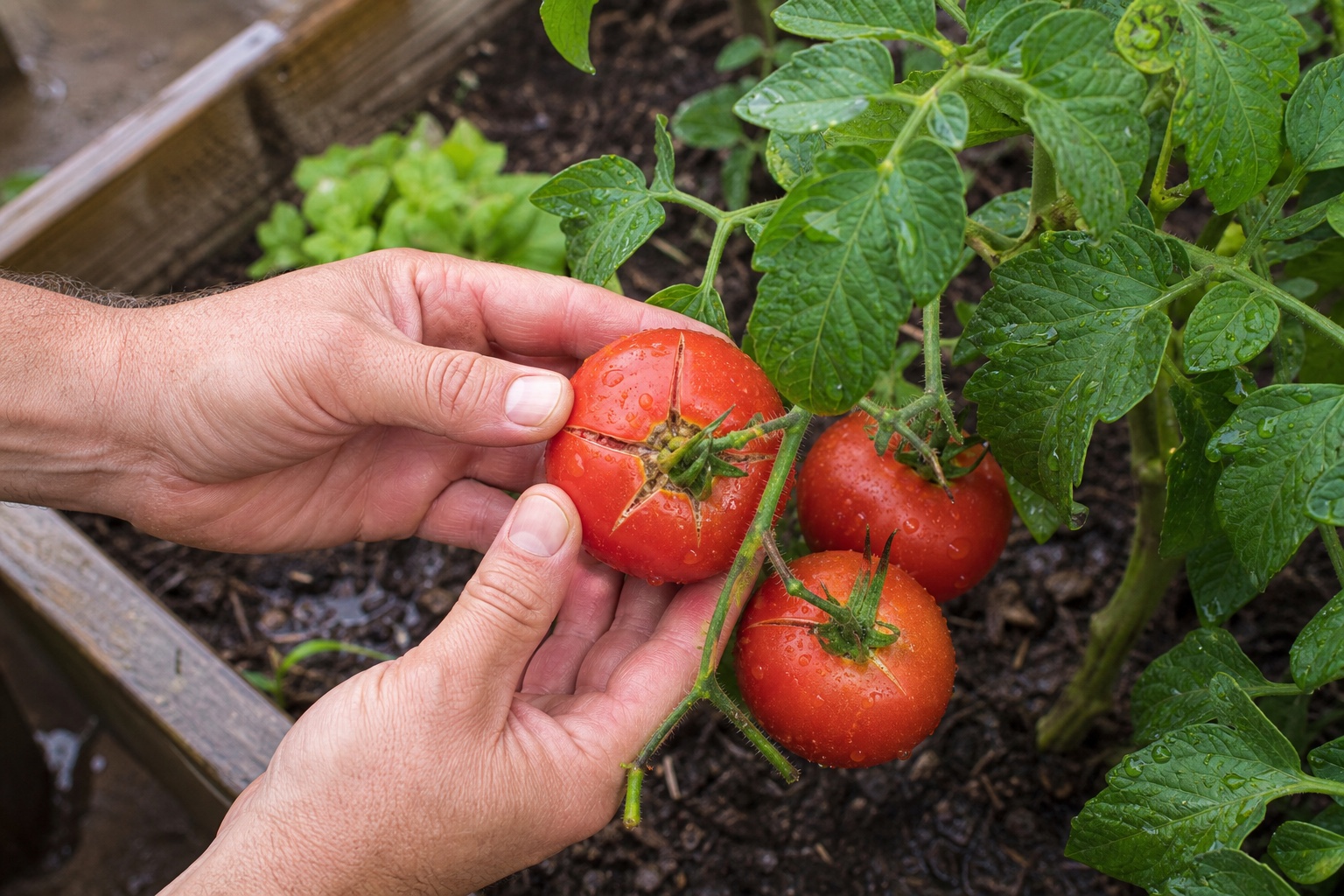
Why Tomatoes Split After Rain and What to Do Next
Tomatoes often split when dry soil turns suddenly wet. Here is how to sort the fruit, reduce the next round of cracks, and stop blaming the wrong garden problem.
Gardening
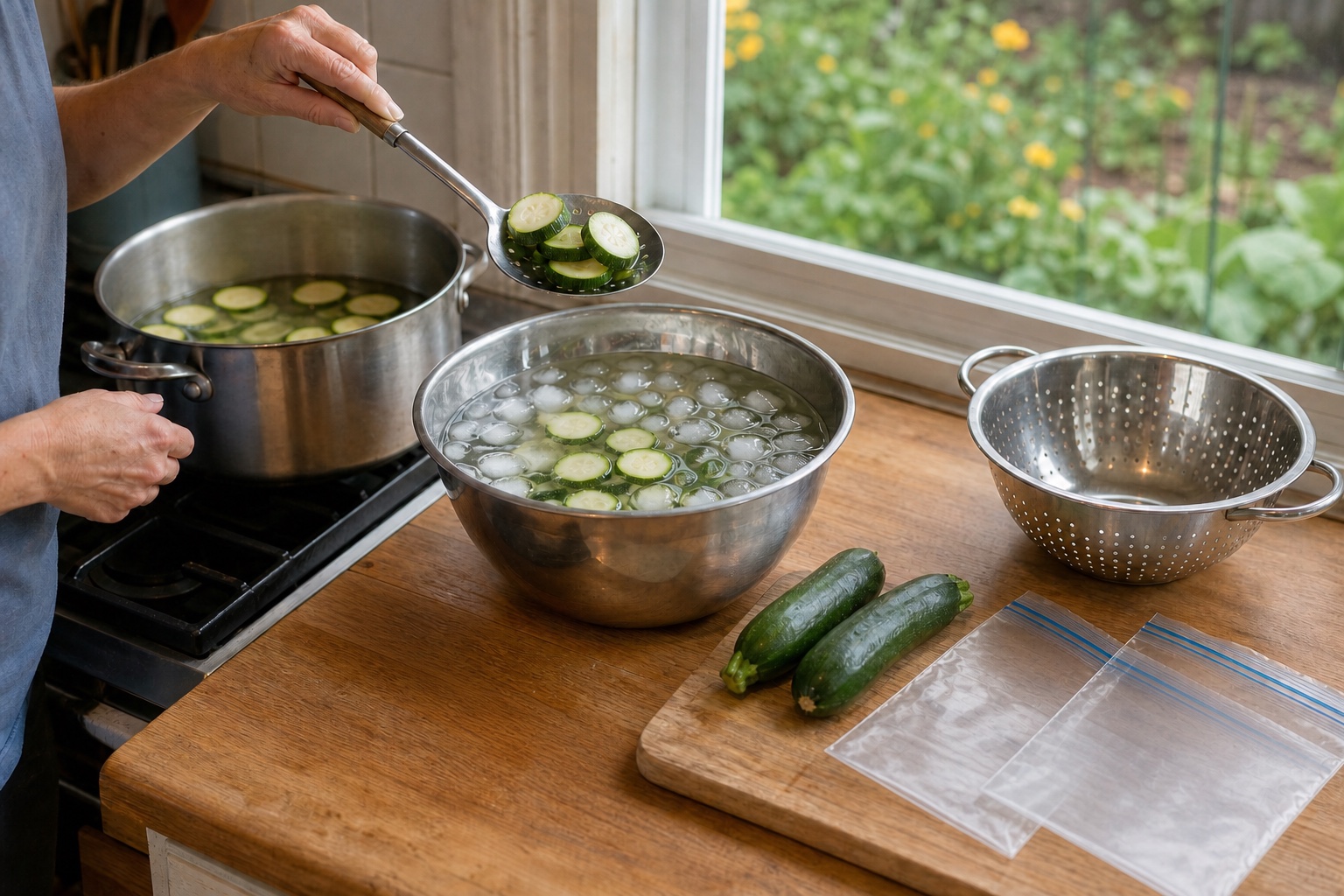
How to Freeze Zucchini Without Ending Up With a Watery Mess
Frozen zucchini will soften, but it does not have to become a forgotten bag of ice and mush. Choose slices or shreds by the meal, blanch correctly, drain well, and freeze useful portions.
Gardening
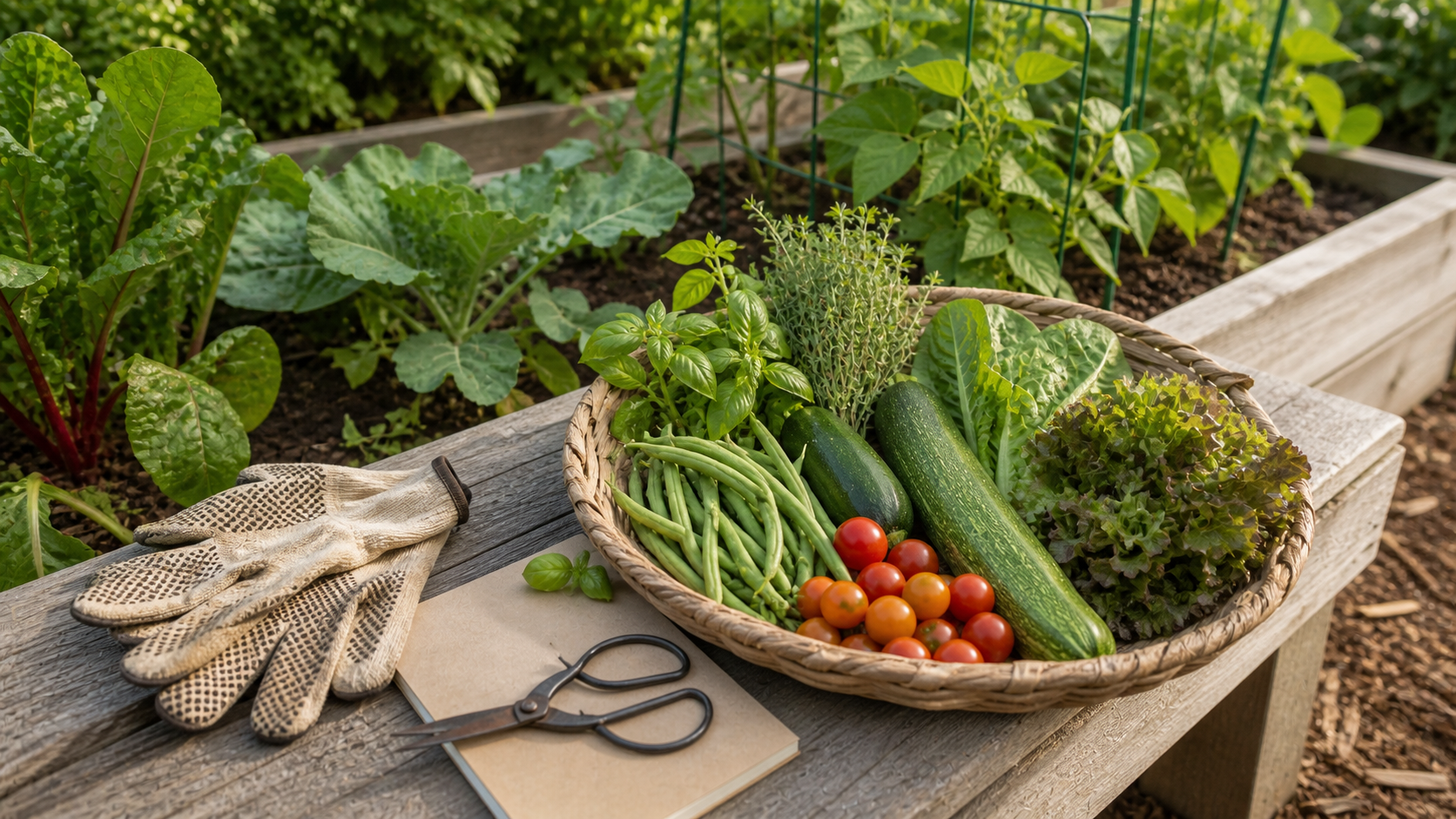
What to Harvest First in a Beginner Vegetable Garden
A practical beginner guide to the first garden harvest: what to pick early, what to leave longer, how to avoid waste, and how to build confidence without overthinking it.
Frequently asked questions
Can you freeze fresh tomatoes to make sauce later?
Yes. The National Center for Home Food Preservation provides a method for freezing firm, ripe tomatoes whole or in pieces after washing, loosening and removing the skins, and coring them. Thawed tomatoes will be soft, so plan to use them in sauce, soup, stew, or another cooked dish rather than a fresh salad.
Do tomatoes need to be blanched before freezing?
For the NCHFP raw-tomato freezing method, dip washed tomatoes in boiling water for 30 seconds to loosen the skins, then core and peel them before freezing. This brief hot-water step is for peeling; it is not the same timed blanching process used for many other vegetables.
How much headspace should I leave when freezing tomatoes?
The NCHFP tomato-freezing method calls for one inch of headspace in the freezer container. Tomatoes contain a great deal of water, and that room allows the contents to expand as they freeze.
Can frozen tomatoes be used in a home-canned salsa recipe?
Do not substitute thawed tomatoes into a tested canning recipe unless that specific research-tested recipe permits it. Oregon State Extension does not recommend thawed frozen tomatoes in salsa recipes calling for fresh tomatoes because freezing changes their moisture and quality. Freeze the finished salsa instead, or follow a current tested canning recipe exactly.
Why are thawed tomatoes watery and mushy?
Water expands during freezing and ruptures plant cell walls. University of Minnesota Extension explains that this makes thawed tomatoes soft and watery. The texture change is expected and is less noticeable once the tomatoes are cooked into sauce, soup, or stew.
Recommendations
Useful tools and resources for this decision
These are included only where they reduce repeated friction, clarify a next step, or help you avoid buying the wrong thing first.
Optional sauce-portioning tool
Souper Cubes 1-cup freezer tray
A lidded silicone tray that freezes four measured one-cup portions of cooled tomato sauce, soup, stock, or other cooked food.
Best for: Households that repeatedly freeze cooked sauce in one- or two-cup meal portions
Freezer bags or containers you already own are enough. Buy a dedicated tray only if awkward portions are a repeated problem.
Check current pricePrimary preservation reference
National Center for Home Food Preservation tomato-freezing method
The research-based method for selecting, peeling, packing, and freezing raw tomatoes, tomato juice, or stewed tomatoes.
Best for: Following a clear preservation method instead of relying on social-media shortcuts
View resourceFreezer-quality reference
University of Minnesota Extension freezing guide
A practical guide to freezer containers, expansion, texture changes, package sizes, and produce quality after thawing.
Best for: Understanding why package size and expected texture matter
View resourceTomato preservation overview
Penn State Extension tomato preservation guide
Current guidance on selecting tomatoes and choosing among freezing, drying, and research-tested canning methods.
Best for: Comparing preservation methods without confusing their safety rules
View resourceRecommended next reads
Read next if it helps the decision
Move into the next guide only if it clarifies the next practical step.
Gardening
Why Tomatoes Split After Rain and What to Do Next
Tomatoes often split when dry soil turns suddenly wet. Here is how to sort the fruit, reduce the next round of cracks, and stop blaming the wrong garden problem.
Gardening
How to Freeze Zucchini Without Ending Up With a Watery Mess
Frozen zucchini will soften, but it does not have to become a forgotten bag of ice and mush. Choose slices or shreds by the meal, blanch correctly, drain well, and freeze useful portions.
Gardening
What to Harvest First in a Beginner Vegetable Garden
A practical beginner guide to the first garden harvest: what to pick early, what to leave longer, how to avoid waste, and how to build confidence without overthinking it.
Garden gear support
Get the buy-first guide before the first garden collects too much gear.
Use the guide to decide which early garden purchases earn money now, which ones can be borrowed, and which ones can wait until the routine proves itself.
Best for: Beginners who keep seeing useful things online and need a disciplined way to decide what actually earns a place.
- A buy now, borrow, wait, or skip framework
- Starter category shortlists
- A three-question purchase test
Garden planning notes, restrained gear decisions, and the guide first.
After signup, the download will unlock right here so you can save or print it.
About the author
William Mock
Founder, writer, and beginner homesteader
William writes from the beginner side of rebuilding after a layoff: homestead plans, family systems, budgets, tools, and the decisions that make a home feel less fragile.
Read why this site existsRelated Guides
Keep building context
Gardening
Why Tomatoes Split After Rain and What to Do Next
Tomatoes often split when dry soil turns suddenly wet. Here is how to sort the fruit, reduce the next round of cracks, and stop blaming the wrong garden problem.
Gardening
How to Freeze Zucchini Without Ending Up With a Watery Mess
Frozen zucchini will soften, but it does not have to become a forgotten bag of ice and mush. Choose slices or shreds by the meal, blanch correctly, drain well, and freeze useful portions.
Gardening
What to Harvest First in a Beginner Vegetable Garden
A practical beginner guide to the first garden harvest: what to pick early, what to leave longer, how to avoid waste, and how to build confidence without overthinking it.