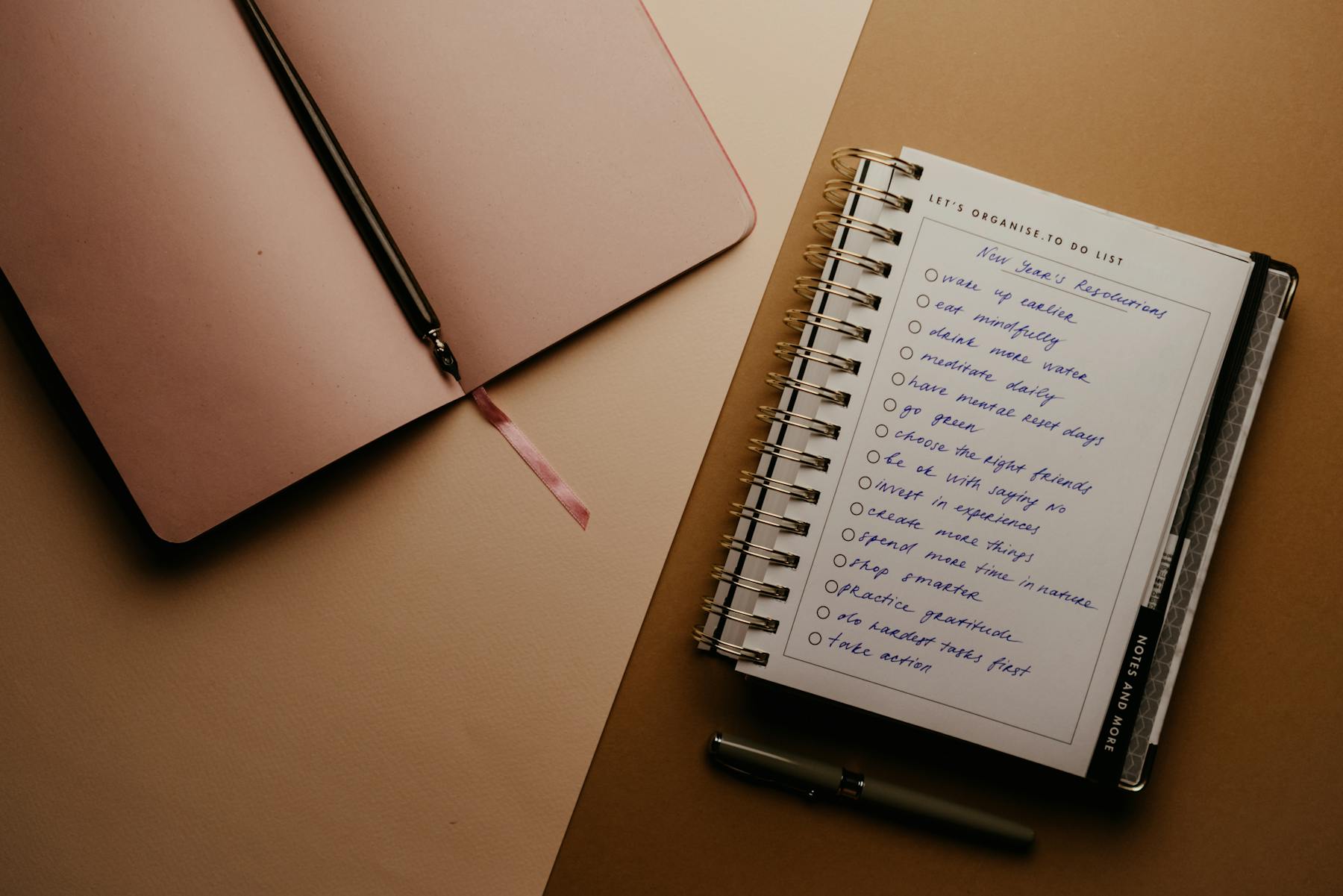
A first-year homestead can become a pile of disconnected ambitions very quickly. We are trying to resist that by choosing a short list of priorities that support each other and fit our current season of life.
What we are prioritizing right now
Why these priorities made the cut
Each one supports the others. A calmer weekly rhythm makes food systems easier to manage. A restrained spending plan protects momentum. Honest documentation keeps us from hiding the lessons that would actually help someone else starting from scratch.
What almost made the list and why it did not
There were plenty of ideas that almost made the first-year list because they felt exciting or useful. More garden space. More tools. More infrastructure. More future-proofing than the current season could honestly support. None of those ideas were bad by themselves. The problem was that each one wanted time, money, storage, maintenance, and attention from the same week.
The deciding moment was less romantic than I wanted it to be. It was looking at the actual week and asking what would still get done when work ran long, the house was loud, the weather changed, and nobody had extra energy. Some projects sounded like progress until they had to fit beside meals, laundry, budget checks, kid needs, and the normal friction of a family trying to rebuild with steadiness.
So the list got smaller on purpose. That restraint is not a lack of ambition. It is the way we are trying to make sure the first year teaches us something useful instead of becoming a collection of half-started proof that we were serious.
What we actually want year one to prove
We do not need year one to look impressive. We need it to prove that a smaller set of systems can survive real weeks. If the routines hold under weather, fatigue, schedule pressure, and imperfect execution, then they are worth deepening later.
What we are deliberately not doing yet
The first year is not the time to prove how much you can hold. It is the time to learn what actually strengthens the household and what only feels productive from a distance.
That also means this article is intentionally narrower than the beginner guide. It is not trying to tell every reader what their first year should be. It is documenting what we are choosing in this season, why those choices made the cut, and what we are deliberately leaving for later.
What I would copy if I were helping another beginner start
Translate Priorities Into Purchases
Use the buyer guides when the next decision turns concrete.
If chickens or the garden are part of your first-year plan, narrow the next gear decision before momentum turns into scattered buying.
Read the chicken feeder guideFrequently asked questions
What should a first-year homestead focus on?
Usually one manageable food system, better household rhythm, restrained spending, and enough documentation to learn from mistakes instead of hiding them.
What should wait until later?
Most extra animal systems, aesthetic upgrades, and specialty gear can wait until the first core routines are stable and genuinely worth expanding.
Recommended next reads
Read next if it helps the decision
Move into the next guide only if it clarifies the next practical step.
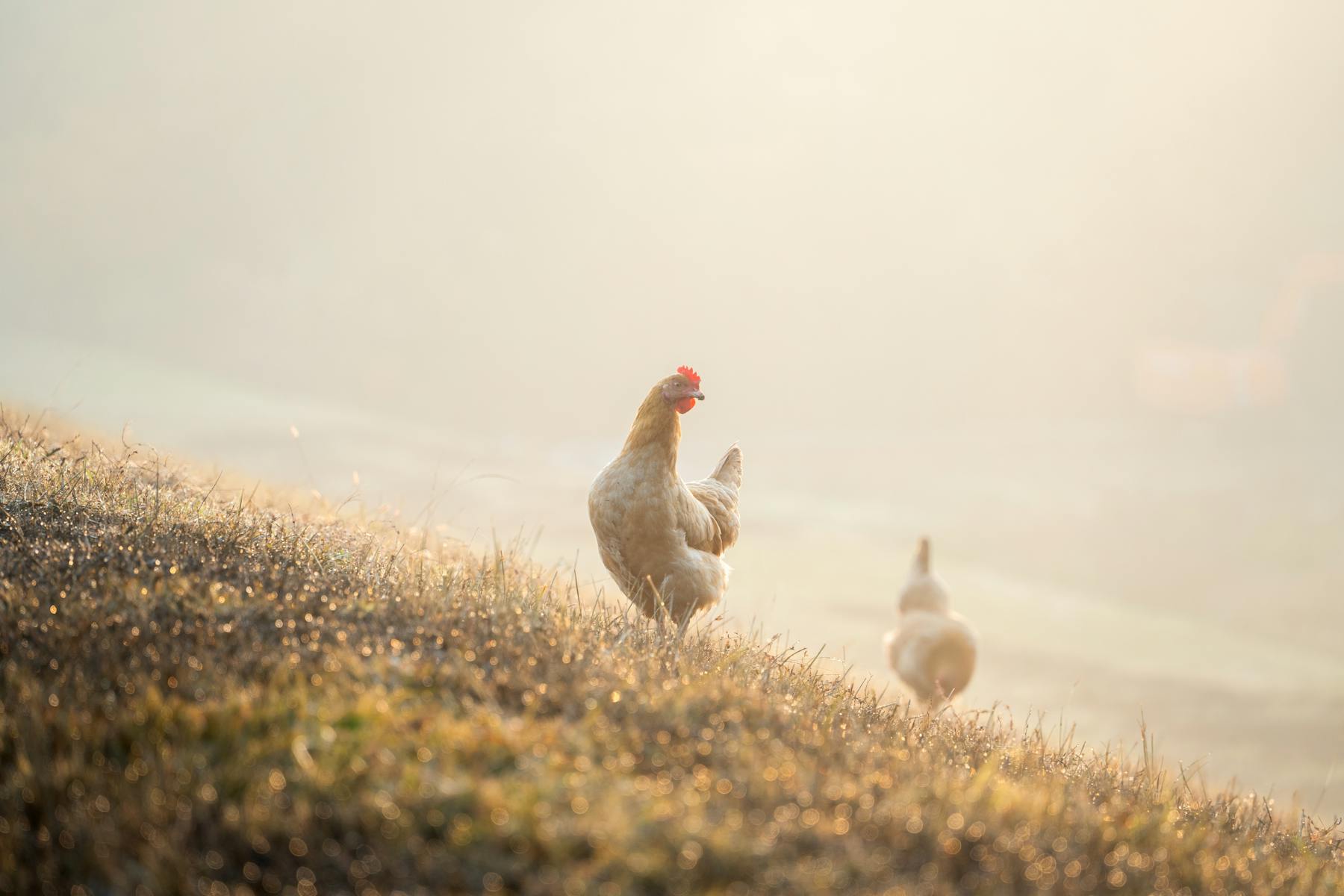
Chickens
Best Chicken Feeder for Beginners
The best chicken feeder for beginners is usually the one that stays boring: low mess, enough capacity, weather-tolerant, and easy to refill without becoming another daily irritation.
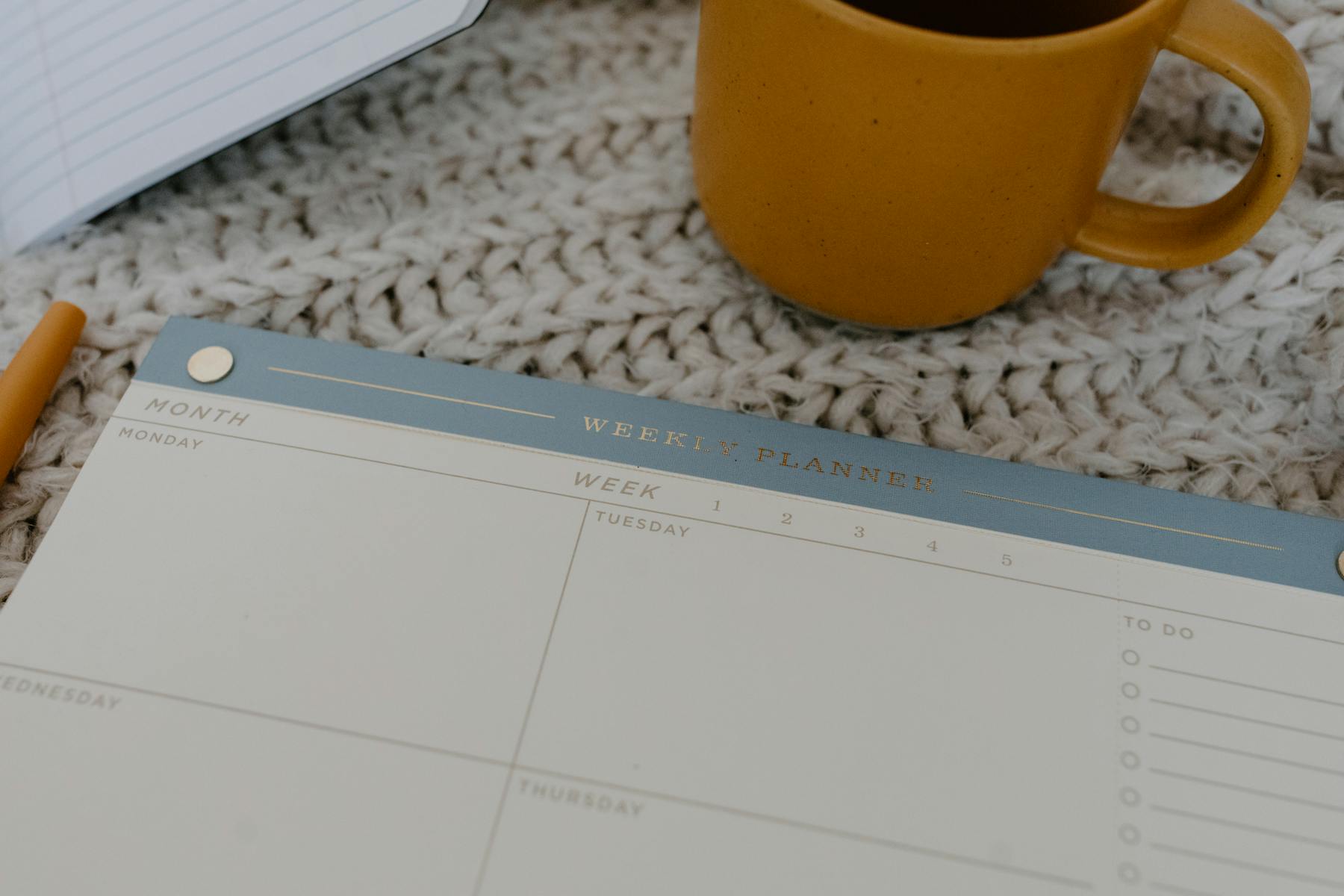
Systems
How to Build a Calmer Weekly Homestead Rhythm
A workable weekly rhythm matters more than bursts of motivation. This is how to structure a steadier, lower-drama home system.
Budgeting
Homesteading on a Budget: What to Buy First and What Can Wait
If money is tight, the smartest homestead purchases are the ones that reduce friction quickly and keep you from rebuying the same lesson twice.
First-Step Support
Get the first-step checklist before the bigger idea turns into too many projects.
A practical worksheet for choosing one system, setting a first-stage budget, and narrowing the next move while the picture is still forming.
Best for: Beginners who need a first-season plan with limits, not more tabs or more gear.
- A first-season decision checklist
- A one-system starter plan
- A buy-now versus wait-later filter
Beginner-friendly notes, useful guides, and the checklist first.
After signup, the download will unlock right here so you can save or print it.
About the author
William Mock
Founder, writer, and beginner homesteader
William writes from the beginner side of rebuilding after a layoff: homestead plans, family systems, budgets, tools, and the decisions that make a home feel less fragile.
Read why this site existsRelated Guides
Keep building context
Homesteading
Beginner Homesteading: Where to Start When You Feel Overwhelmed
If homesteading feels meaningful but overwhelming, start with a simpler order of operations instead of trying to do everything at once.

Tools
Best Pruning Shears for Beginners
A practical guide to the best pruning shears for beginners, including what actually matters, what to skip, and which simple pruner styles usually earn their place first.
Systems
How to Build a Calmer Weekly Homestead Rhythm
A workable weekly rhythm matters more than bursts of motivation. This is how to structure a steadier, lower-drama home system.