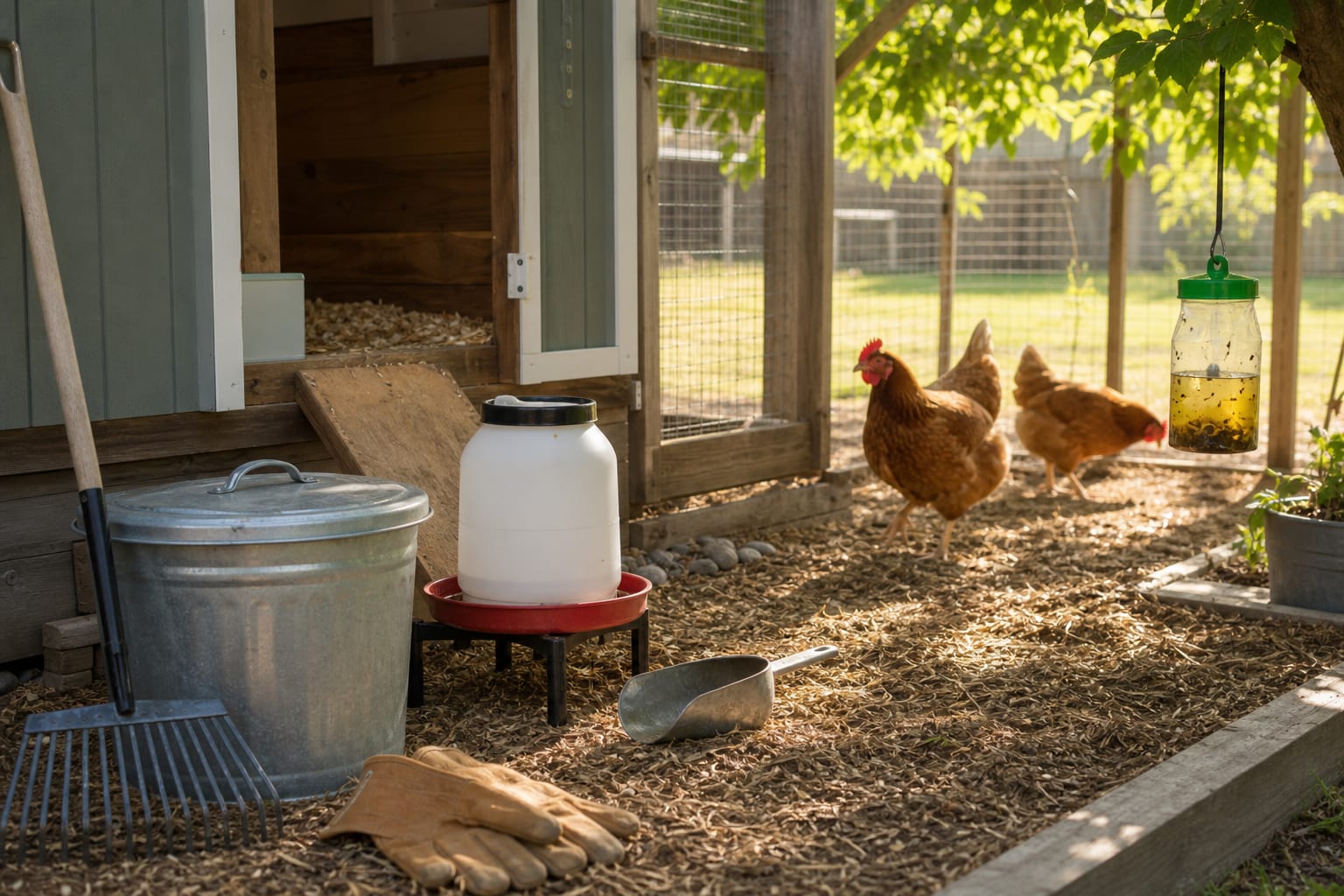
Flies around a chicken coop are not just annoying. They are usually a sign that something in the system is staying wet, exposed, spilled, or ignored long enough to become attractive. A beginner does not need to panic, but summer is the season when small coop chores get loud fast.
The useful answer is not to hang a trap and pretend the source does not matter. The useful answer is to find what the flies are using: wet bedding, manure, spilled feed, broken eggs, leaky water, damp shade, or a compost bucket sitting too close to the flock.
The summer coop lesson
There is a moment in summer when the coop tells on your routine. Everything may look good from the kitchen window. The birds are walking around. The door is shut. The feeder is not empty. Then you get close and realize the area around the waterer is damp, a little feed has been scratched into bedding, and the corner you meant to clean yesterday has become the place flies noticed first.
That is the kind of lesson I respect even when I do not enjoy it. Flies are not subtle, but they are honest. They show where the chore rhythm is too loose, where water is making mud, where feed is being wasted, and where the coop setup is asking for more maintenance than the family can realistically keep up with.
I would rather learn that from a small fly problem than from a coop that turns sour, a waterer that keeps leaking, or a daily routine nobody wants to do anymore. The goal is not a sterile chicken setup. The goal is a dry, observable, manageable one.
Start with moisture, not traps
Moisture is the first place I would look. Wet bedding, leaking waterers, muddy traffic spots, roof runoff, spilled water, and shaded damp corners all make fly pressure harder to control. If the coop or run stays wet, traps become a way to chase symptoms while the source keeps producing more flies.
Walk the coop slowly and look at the ground instead of the birds first. Is the bedding under the roost wet? Is the waterer sitting in a muddy ring? Is feed collecting under the feeder? Is the manure board or bedding layer heavier than the current cleaning rhythm can handle? Those are the useful clues.
Fix the waterer zone first
A waterer that leaks, tips, sits too low, or gets packed with bedding can turn one small spot into a fly magnet. In summer, that spot can go from damp to sour quickly. The fix may be as simple as raising the waterer slightly, setting it on a stable block, moving it out of the main scratching path, or scrubbing it more often.
Do not make the water harder for chickens to reach. The goal is stable and clean, not clever. If birds have to fight the setup to drink, you solved the wrong problem. If the waterer stays cleaner and the ground under it stays drier, you are moving in the right direction.
Manage manure before it builds
Manure is normal. A chicken coop is not a living room. But summer manure management needs a tighter rhythm because heat and humidity make small delays more obvious. If your current cleanup schedule works in mild weather but fails in July, that does not mean you are failing. It means the schedule needs a summer version.
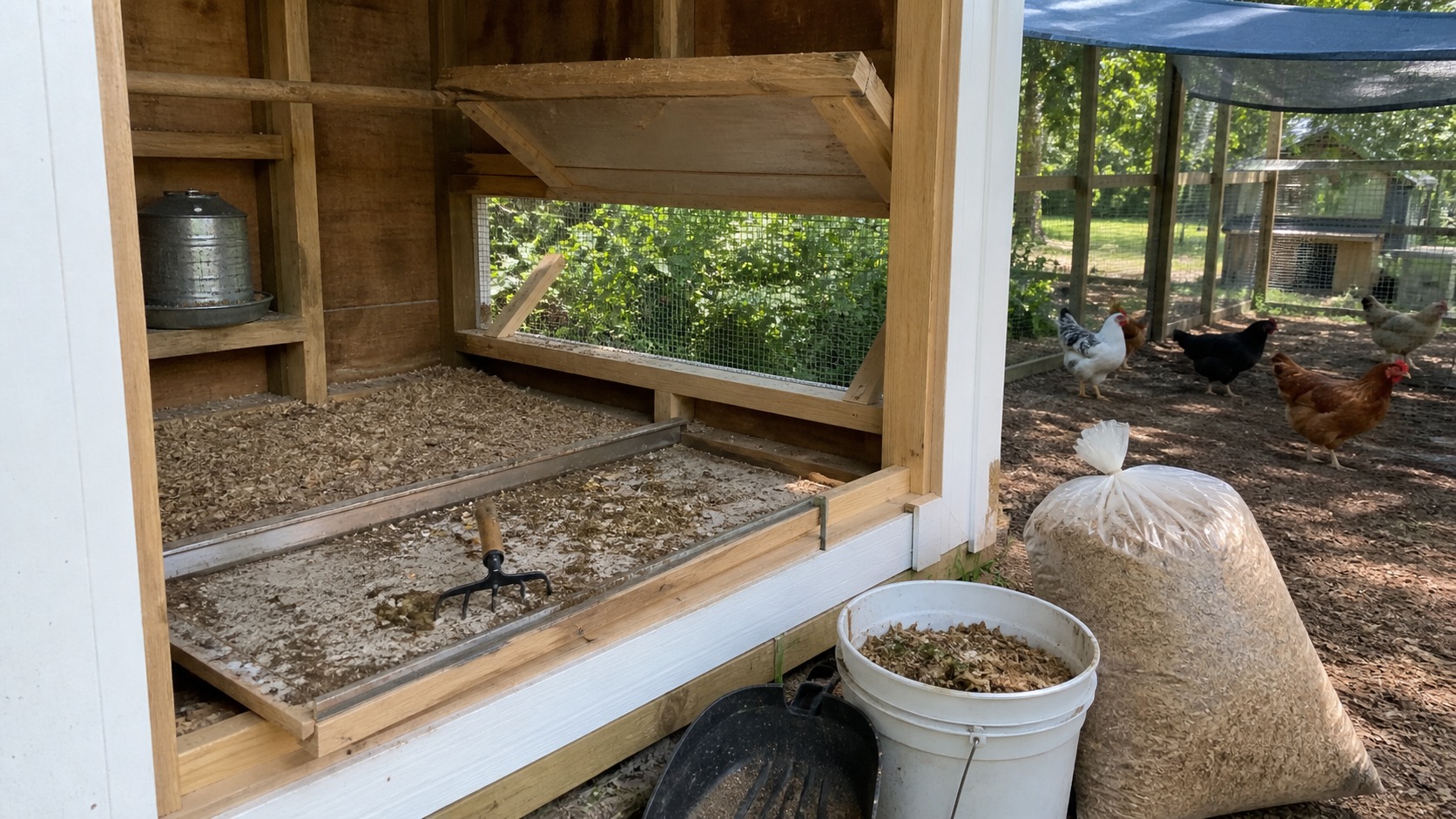
For a small flock, a quick daily or every-other-day pickup in the heaviest spots may be enough to keep the full cleanout from becoming miserable. Droppings boards, bedding refreshes, and a lidded bucket can make the job less dramatic. The best system is the one you will still do when work, heat, kids, errands, and dinner are all competing for attention.
Do not ignore feed spills and broken eggs
Feed spills can look harmless because chickens often scratch through them, but wet feed is different. Once feed gets damp, packed into bedding, or mixed with manure, it can become one more attractant. The same is true for broken eggs or dirty nesting material left too long.
This connects directly to the feed-storage system. Dry feed, a feeder that wastes less, and a quick scoop under the feeder can reduce flies and save money at the same time. If feed waste is showing up every day, the issue is not only fly control. It is budget control.
Where fly traps actually fit
Fly traps can help, but placement matters. Some traps attract flies before catching them, which means hanging them at the coop door can make the main chore area feel worse. Keep traps away from feed, water, eggs, nest boxes, and anywhere chickens can peck, tip, or drink from them.
A trap belongs outside the daily care lane. Think edge of the yard, downwind if your setup allows it, and out of reach of birds, pets, and kids. Follow the product label. If the trap smells terrible, that is not a reason to move it closer to the coop. It is a reason to place it more thoughtfully or choose a different approach.
Recommendations
Useful fly-control tools that do not replace cleanup
Place carefully
Outdoor hanging fly trap
Use it as a backup after reducing wet bedding, exposed manure, and feed spills.
Best for: Reducing adult fly pressure away from the coop entrance
Check current priceBoring but useful
Lidded metal manure bucket
A simple lidded bucket keeps quick cleanups contained until you move material to compost or disposal.
Best for: Small flock manure pickup and wet bedding removal
Check current priceChore friction reducer
Small coop rake and scoop
Small tools make quick spot cleanup easier than dragging out full-size yard tools.
Best for: Wet bedding, feed spills, manure clumps, and fast daily checks
Check current priceBe careful with sprays around birds
I would not make insecticide spray the beginner default around a coop. Chickens live close to their bedding, feed, water, dust bath, and eggs. A product that is not labeled for the exact use can create a bigger problem than the flies. If you ever use a pesticide, read the label fully and follow it exactly.
For most beginner coop situations, the first win is not chemical. It is removing wet material, keeping feed dry, cleaning waterers, moving waste away from the coop, and tightening the chore rhythm. That approach also fits public-health guidance better because chicken areas should stay separated from household food areas and be handled with good handwashing habits.
A simple summer fly-control rhythm
The routine does not have to be complicated. It has to be visible enough that you do it before the coop gets away from you. In summer, I would rather have a five-minute spot check repeated often than a heroic cleanout that only happens after everyone avoids the coop.
What matters first, and what can wait
What matters first is a dry, cleanable setup. The waterer should not create mud. Feed should not sit wet in bedding. Manure should not pile up until the coop announces itself from across the yard. Tools should live close enough that cleanup is not a whole production.
What can wait is the perfect fly-control system. You do not need every trap, spray, powder, fan, herb bundle, and coop gadget at once. Start by removing the source and making the daily chore easier. Then add one backup tool if the problem still needs help.
That is the practical homestead lesson hiding inside a fly problem. The small irritating thing is usually pointing at the system. Fix the system and the chores get calmer. Ignore it and every purchase starts feeling urgent.
Next step
Fix the summer coop rhythm before it turns sour.
If flies are part of a bigger coop-maintenance problem, start with the summer coop smell guide and tighten the wet bedding, ventilation, manure, and waterer routine.
Read the summer coop smell guideRecommended next reads
Keep going with practical chicken-care systems
These guides connect fly pressure to the rest of the daily chicken setup.
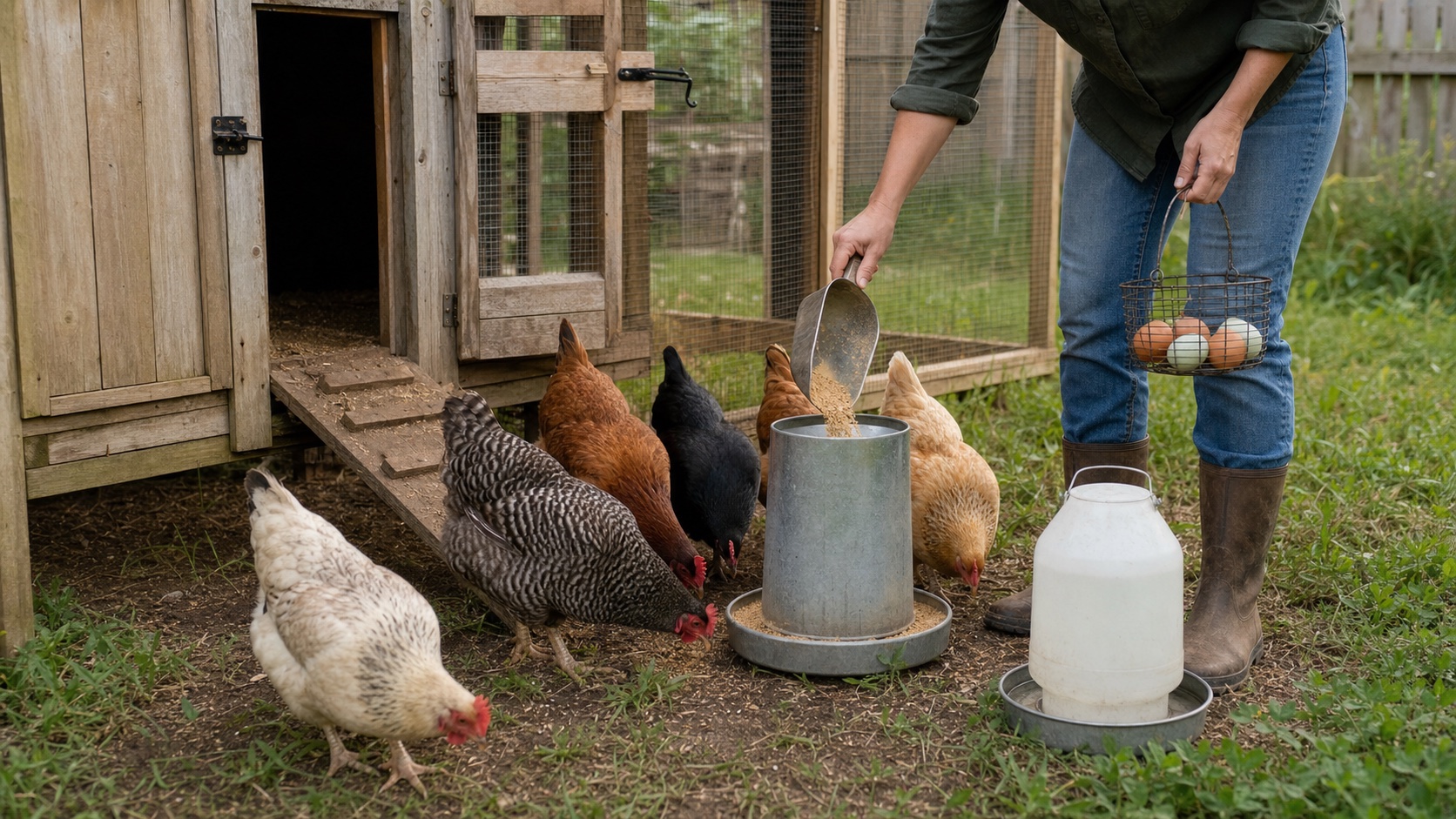
Chickens
Daily Chicken Care Routine for Busy Families
A realistic morning and evening chicken-care routine built around fresh water, feed, eggs, observation, a secure coop, and the few checks busy families should not skip.
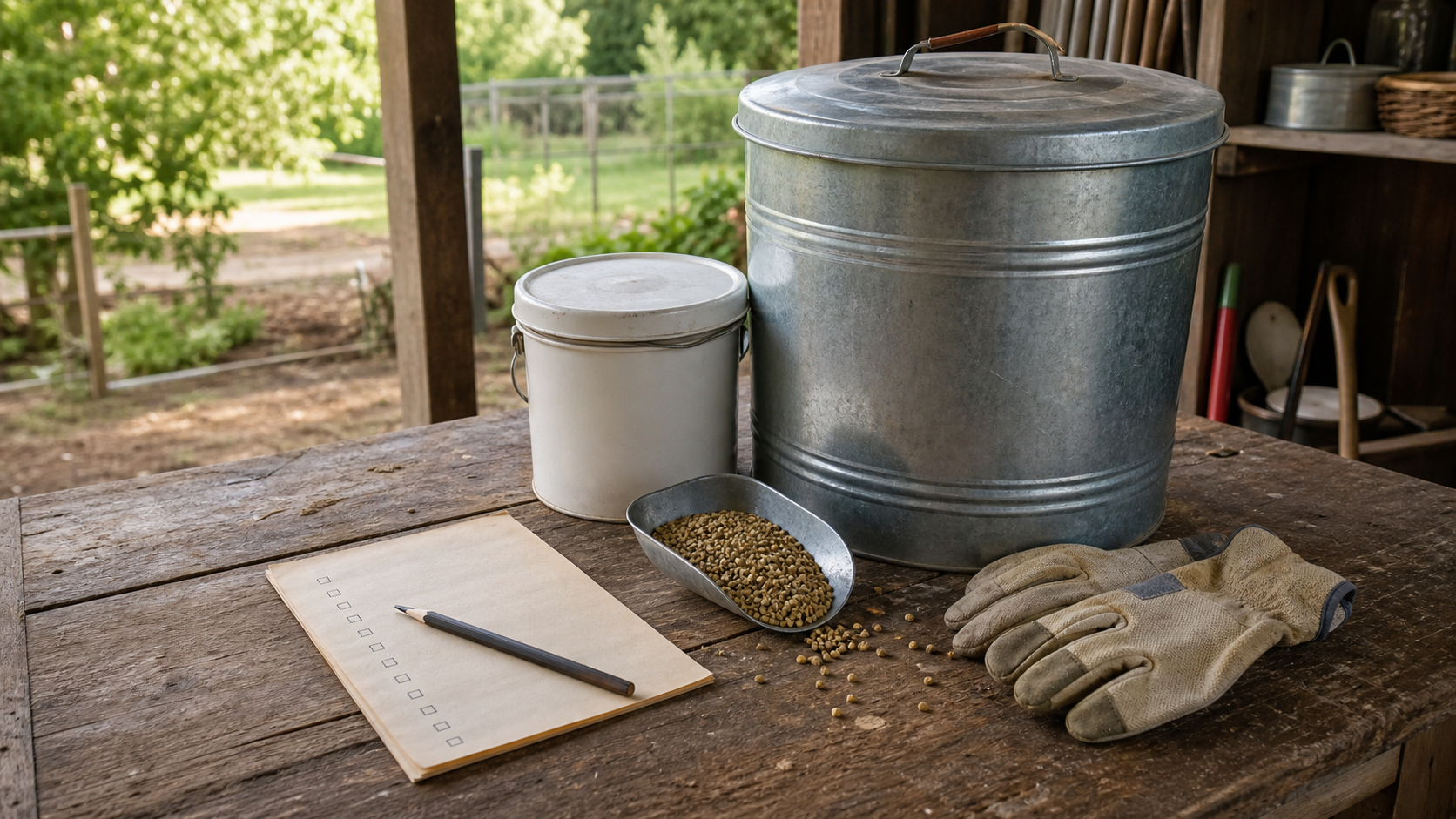
Chickens
How to Store Chicken Feed Without Attracting Mice
A beginner-friendly chicken feed storage guide for keeping feed dry, easier to use, and less attractive to mice, moisture, and daily chore friction.
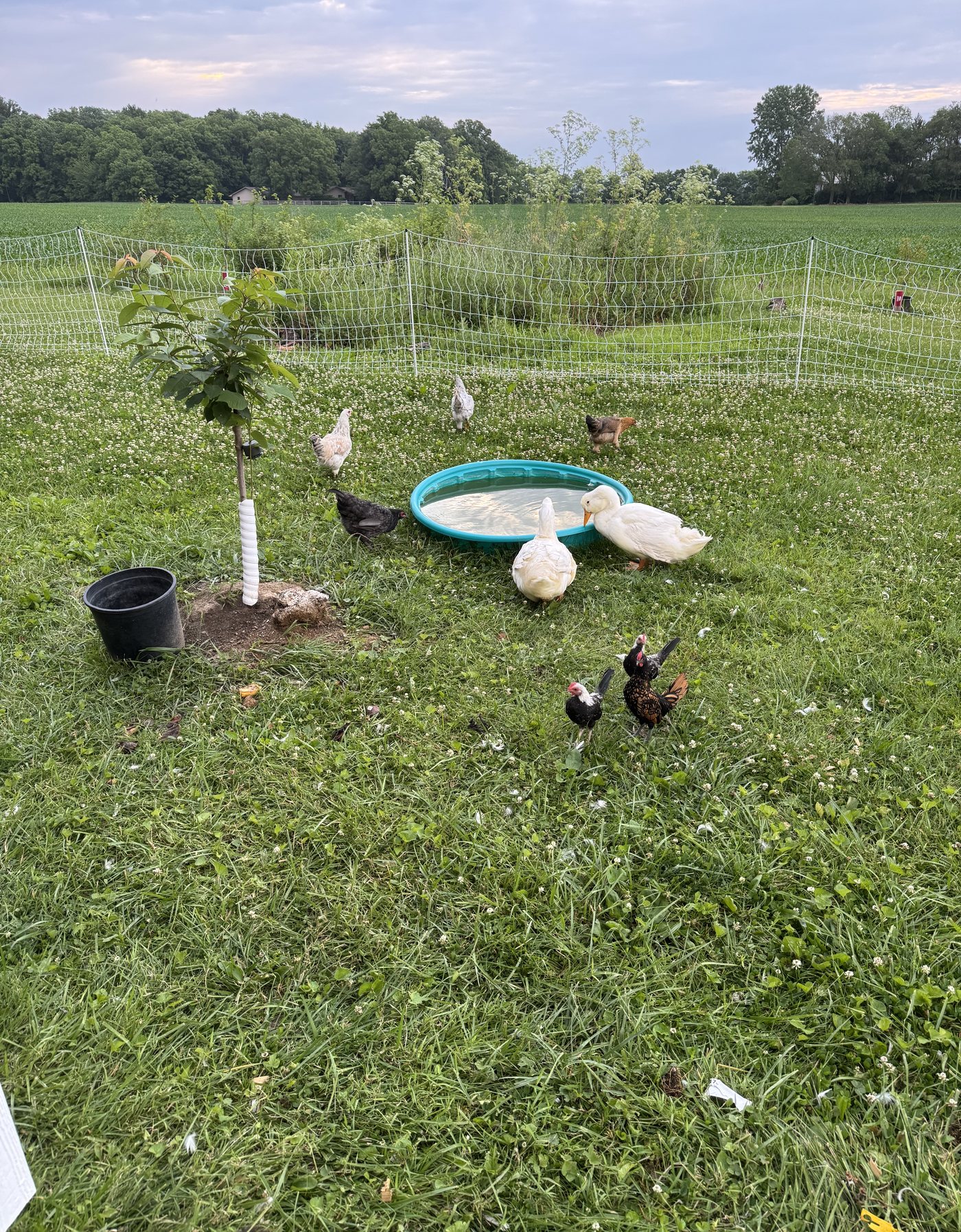
Chickens
Beginner Chicken Yard Setup: What to Put Inside the Run
A practical beginner guide to setting up a chicken yard or run with shade, water, dust bathing, fencing, storage, and daily-care access that actually works.
Frequently asked questions
What causes flies around a chicken coop?
Flies usually build around wet bedding, manure, spilled feed, broken eggs, dirty waterer areas, damp corners, and compost or trash too close to the coop. The best first fix is removing what attracts them.
Are fly traps safe around chickens?
Some outdoor fly traps can be useful, but keep them where chickens cannot peck them, knock them over, or drink from them. Follow the product label and place traps away from the coop door and daily chore path.
How often should I clean chicken manure in summer?
It depends on flock size, bedding, heat, humidity, and coop design, but summer usually needs a tighter rhythm. Remove wet or heavy manure spots quickly, refresh damp bedding, and schedule a weekly reset instead of waiting until the coop smells.
Should I spray insecticide in my chicken coop for flies?
Do not spray casually around birds, feed, water, eggs, bedding, or nest boxes. If a pesticide is truly needed, use only products labeled for the setting and follow the label exactly. For beginners, source control is the safer first move.
Recommendations
Useful tools and resources for this decision
These are included only where they reduce repeated friction, clarify a next step, or help you avoid buying the wrong thing first.
Use away from birds
Outdoor hanging fly trap
A hanging trap can reduce pressure around the yard when it is placed away from the coop door, feed, water, and bird access.
Best for: Coop areas where source control is improving but flies still gather nearby
Check current priceSimple cleanup tool
Lidded metal manure bucket
A lidded bucket gives manure and wet bedding a temporary landing place so cleanup does not sit open beside the coop.
Best for: Small flock owners doing quick daily or every-other-day manure pickup
Check current priceLow-friction chore helper
Small coop rake and scoop
A small rake and scoop make it easier to pull wet bedding, spilled feed, and manure clumps without turning cleanup into a full project.
Best for: Fast summer coop checks before fly pressure gets ahead of you
Check current priceHealth source
CDC backyard poultry hygiene guidance
Public-health guidance for handling backyard poultry, eggs, coop areas, and cleanup with better handwashing and separation habits.
Best for: Keeping chicken chores safer for the household
View resourceRecommended next reads
Read next if it helps the decision
Move into the next guide only if it clarifies the next practical step.
Chickens
How to Keep a Chicken Coop From Smelling Bad in Summer
A practical summer coop odor guide for beginners: ventilation, dry bedding, manure under roosts, water leaks, run drainage, ammonia warning signs, and what not to cover up.
Chickens
Daily Chicken Care Routine for Busy Families
A realistic morning and evening chicken-care routine built around fresh water, feed, eggs, observation, a secure coop, and the few checks busy families should not skip.
Chickens
Beginner Chicken Yard Setup: What to Put Inside the Run
A practical beginner guide to setting up a chicken yard or run with shade, water, dust bathing, fencing, storage, and daily-care access that actually works.
Chicken setup support
Get the chicken setup checklist before you buy more flock gear.
Use the first-year checklist to price the flock honestly, cover the starter essentials, and delay the upgrades that can wait.
Best for: Readers trying to price a first flock honestly and avoid a scattered chicken setup.
- A pre-chick setup checklist
- A recurring-cost planning section
- A simple weekly flock-care rhythm
Chicken setup notes, beginner flock lessons, and the checklist first.
After signup, the download will unlock right here so you can save or print it.
About the author
William Mock
Founder, writer, and beginner homesteader
William writes from the beginner side of rebuilding after a layoff: homestead plans, family systems, budgets, tools, and the decisions that make a home feel less fragile.
Read why this site existsRelated Guides
Keep building context
Chickens
How to Keep a Chicken Coop From Smelling Bad in Summer
A practical summer coop odor guide for beginners: ventilation, dry bedding, manure under roosts, water leaks, run drainage, ammonia warning signs, and what not to cover up.
Chickens
Daily Chicken Care Routine for Busy Families
A realistic morning and evening chicken-care routine built around fresh water, feed, eggs, observation, a secure coop, and the few checks busy families should not skip.
Chickens
How to Store Chicken Feed Without Attracting Mice
A beginner-friendly chicken feed storage guide for keeping feed dry, easier to use, and less attractive to mice, moisture, and daily chore friction.