You can store potatoes without a root cellar if you stop trying to copy a root cellar and start managing the conditions you actually have. Harvest only mature storage potatoes, cure them unwashed for about two to three weeks in a dark, humid, ventilated place near 50 to 60 degrees F, then move sound tubers to the coolest stable dark space you can keep above freezing. Monitor that space, use ventilated containers, inspect weekly, and shorten the storage plan when your house cannot hold ideal conditions.
The root cellar I kept putting between us and the next useful step
For a while, a root cellar sat in my picture of the future homestead like a requirement. I could see the shelves, crates, stone walls, and a winter's worth of food tucked away in the dark. After the layoff, that picture was appealing because it made resilience look like a place we could eventually reach. It also gave me a convenient reason to leave food storage for later.
The useful change happened at the kitchen table, not underground. I put the ideal conditions on one side of a page and the spaces we actually have on the other: pantry, closet, garage, cooler corners, and the refrigerator. None earned a perfect score. The pantry was easy but warm. The garage might be cool and then suddenly freezing. A hidden corner might be dark but have poor airflow.
That imperfect list made the next move clearer. I did not need to pretend one space was a root cellar. I needed to measure it, store less, and build meals around the shorter window it could honestly provide. The lesson was bigger than potatoes: when the future property becomes a prerequisite for every useful skill, the dream has started blocking the work.
Build food security with the house you have
Start with the pantry before waiting for future land
The pre-move food-security guide shows how meal planning, pantry rotation, freezer habits, and one small growing skill can begin long before a root cellar or larger property exists.
Build food security nowCuring and storing potatoes are two different jobs
Curing is the short period after harvest when minor wounds heal and skins toughen. Storage is the longer period when lower temperatures, darkness, humidity, and ventilation slow sprouting, shriveling, greening, and decay. The conditions overlap, but they are not identical. Moving potatoes directly from soil into their coldest storage spot skips the healing stage that helps sound mature tubers last.
Start with potatoes built for storage
New potatoes are harvested young for tender skins and immediate eating. They are not the right candidates for a winter-storage experiment. Storage potatoes should be full size with mature skins that resist rubbing off under a thumb. Utah State Extension recommends waiting until the vines have died and the skins are mature, while Penn State notes that thick-skinned and late-maturing varieties generally store longer than thin-skinned early varieties.
Variety selection is a storage decision made at planting time. If you want potatoes for late fall and winter meals, ask a local supplier or Extension office which late-season varieties perform and store well in your region. A beautiful early potato can still be the wrong crop for a long household storage window.
Harvest without creating the damage you will store
Choose a dry period after the vines have died back and the skins have set. Work from outside the hill or row so the fork or shovel is less likely to pierce the cluster. Lift soil, then use your hands to find tubers instead of driving the tool through every remaining pocket. A potato dropped into a crate may look fine while carrying the bruise that fails later.
A frost can change harvest day
Know what to harvest, cover, or leave before the cold night
The first-frost garden guide helps sort tender crops from cold-tolerant ones and explains why mature potatoes need a different decision than exposed tomatoes or peppers.
Prepare the garden for frostBuild a curing space without turning it into a science project
Penn State recommends curing for two to three weeks in a well-ventilated space around 50 to 60 degrees F and 85 to 90 percent relative humidity. Utah State gives a similar temperature and duration. Those targets describe what supports healing. They do not mean a beginner should put an unsafe heater and humidifier into a closet to force exact numbers.
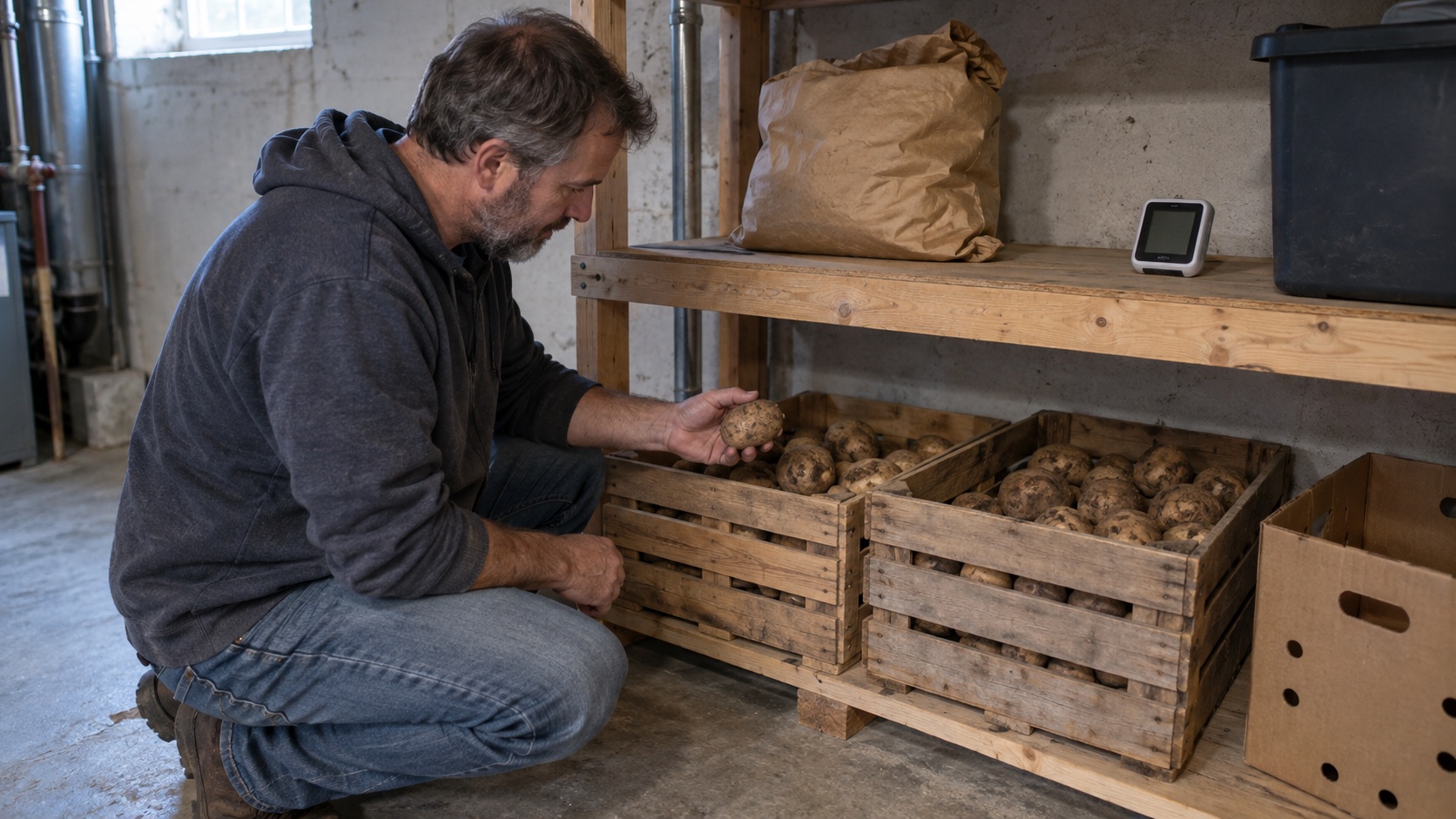
Spread potatoes in shallow ventilated crates, slatted boxes, or ventilated cardboard containers. Avoid a deep heap when a shallow layer or small pile will fit. Cover the crate loosely with paper, cloth, or another breathable light barrier if the room is not fully dark, while keeping air paths open. Darkness matters from harvest onward because light exposure causes greening.
Do not wash the potatoes before curing. Let dry soil fall away, then gently brush loose soil after the curing period. Washing adds moisture and handling at the moment the crop is most vulnerable. Save the running water and vegetable brush for the kitchen just before use.
Choose the best imperfect storage space
After curing, sort the crop again and move only sound potatoes into longer storage. Penn State recommends a dark, cool, moist space around 40 to 46 degrees F with about 90 percent humidity. Utah State recommends darkness, 40 to 45 degrees F, and good air circulation. Most ordinary homes cannot hold those conditions perfectly, which means the honest plan may be fewer potatoes for fewer weeks.
Do not select a space by how cool it feels during one evening. Put a temperature and humidity monitor at crate height and record the high and low for several days, including a warmer afternoon and a colder night. The conditions around the potatoes matter more than the thermostat upstairs or the outdoor forecast.
The one tool that can replace guessing
A simple temperature and humidity monitor is useful because the decision depends on both numbers. The TempPro TP50 is a modest local-display option with current and high-low readings. The manufacturer lists a broad measurement range and states accuracy of about plus or minus 1 degree F and 2 to 3 percent relative humidity through its normal indoor range. It is not waterproof, does not send remote alerts, and cannot cool or humidify the room.
Place the monitor near the crates without burying it inside the pile or setting it against a cold exterior wall. Check the actual potato zone at different times. If the space stays warmer than the recommended range, reduce the quantity and use it faster. If it threatens to freeze, move the crop before the weather test becomes a food-loss test.
Use a container that breathes and blocks light
Vented wooden crates, slatted boxes, and sturdy ventilated cardboard boxes can all work for a small household crop. The container should keep potatoes shaded while allowing air to move around and through them. Do not seal potatoes in an unventilated plastic tote or bag. Trapped moisture and one failing tuber can turn the center of an unseen pile into the first place trouble spreads.
Keep apples and pears elsewhere. Utah State notes that ethylene from those fruits can encourage potato sprouting. Also keep potatoes away from fuels, paint, pesticides, household cleaners, and anything else you would not want sharing air and surfaces with food. A cool room is not useful if it is not a clean food-storage space.
Check the potatoes every week
Stored produce is still alive and changing. Put one weekly inspection on the household rhythm. Smell the area before touching the crates, look for moisture and sprouts, and move through each container gently. Remove a failing potato immediately and inspect the tubers that touched it. One five-minute check is cheaper than discovering a wet box after the odor reaches the stairs.
A sound potato with a small sprout is different from a soft, extensively sprouted, green, or rotting one. Remove sprouts from a firm sound potato before cooking, but do not use preparation as an excuse to salvage obvious spoilage. Penn State advises discarding extensive greening; a bitter taste is also a warning, not a challenge to hide under seasoning.
Plan the storage quantity backward from meals
Before storing fifty pounds, count how often the household actually eats potatoes and how many pounds one meal uses. If two pounds serve one dinner and potatoes appear twice a week, a 20-pound batch represents roughly five weeks. That simple math is more useful than filling every crate because a yield estimate or bulk price looked impressive.
Make stored food part of ordinary meals
Build a rotating pantry that uses what you keep
Longer storage works only when food keeps moving through the kitchen. The rotating-pantry guide shows how to set a modest par level and use older food before buying more.
Build a rotating pantryWhat matters first and what can wait
Mature potatoes, gentle handling, darkness, curing, a measured cool space, airflow, and weekly inspection matter first. A dedicated root cellar, custom racks, remote sensors, perfect crates, and a winter's supply can wait. The first season should teach you what your house and family can manage without turning one harvest into another construction project.
If the best available space runs warmer than ideal, that is not a reason to abandon the skill. Store less and use it sooner. If the garage freezes, take it off the list. If a closet stays dark but warm, treat it as short-term pantry storage. Honest limits protect more food than optimistic labels.
Store the potatoes your house can support
Without a root cellar, the goal is not to force a modern house to hold seven months of potatoes. The goal is to move a sound harvest through curing, choose the best available space with real measurements, and use the crop before that space reaches its limit. A smaller successful batch is a better food system than a large hidden pile you are afraid to inspect.
Start with one variety, one container system, and four to six weeks of normal meals. Write down the conditions and losses. Next year, that page will tell you whether to grow more, choose a better storage variety, improve ventilation, or simply keep the same modest plan. That is how the imagined root cellar stops blocking the work and starts becoming an option instead of a prerequisite.
Frequently asked questions
Do homegrown potatoes need to cure before storage?
Mature potatoes intended for longer storage usually benefit from curing because the warm, humid, ventilated period helps minor harvest wounds heal and skins toughen. Penn State and Utah State Extension both recommend roughly two to three weeks near 50 to 60 degrees F with high humidity and airflow. Do not cure potatoes that are rotting, badly cut, frost-damaged, diseased, or otherwise poor storage candidates; separate them instead.
Where can I store potatoes if I do not have a root cellar?
Look for the coolest stable space you can keep completely dark while still providing ventilation and protection from freezing, moisture, pests, and household chemicals. A cool basement corner, insulated storage room, or carefully monitored garage may work, but every house behaves differently. Measure the actual temperature and humidity for several days before committing the crop, then store only an amount that space can reasonably support.
Should I wash potatoes before curing or storing them?
No. Allow dry soil to fall away and gently brush loose dirt off after curing, but do not wash storage potatoes until you are ready to use them. Added surface moisture and damaged skin work against successful storage. Handle tubers gently, keep them out of light, and wash them under cool running water before cooking.
What temperature is best for storing potatoes?
Home-garden Extension guidance commonly places long-term table-potato storage near 40 to 45 degrees F, in darkness, with high humidity and airflow. Conditions below the upper 30s can increase sugar accumulation, while warmer conditions generally shorten storage through sprouting, shriveling, and decay. An ordinary home rarely holds ideal commercial conditions, so monitor the space and expect to use potatoes sooner when it runs warmer or drier.
How long will potatoes last without a root cellar?
There is no responsible fixed answer. Variety, maturity, skin condition, harvest damage, curing, darkness, temperature, humidity, and ventilation all matter. Properly cured late-season, thick-skinned potatoes can last for months under close-to-ideal conditions, but a warm household closet may provide a much shorter window. Check potatoes weekly and plan meals around the condition you see rather than a calendar promise.
Can I eat potatoes that are green, sprouted, soft, or moldy?
Discard potatoes with extensive greening, rot, mold, strong off odors, leaking tissue, or major softening. Penn State notes that a small green spot may be cut away, but extensive greening should be discarded because the same light exposure that causes green color can accompany increased glycoalkaloids. Remove sprouts from an otherwise firm, sound potato before cooking, but when condition is uncertain, discard it rather than trying to rescue it.
Recommendations
Useful tools and resources for this decision
These are included only where they reduce repeated friction, clarify a next step, or help you avoid buying the wrong thing first.
Check the current price
TempPro TP50 temperature and humidity monitor
A simple local display for checking whether a basement corner, storage room, or insulated garage is actually cool and humid enough to justify a potato-storage trial. It records current and high-low readings without requiring an app or subscription.
Best for: A household storing more than a grocery bag of potatoes for several weeks in a space with unknown conditions
This is a specifications-based recommendation, not a claim of long-term personal testing. The unit measures conditions but does not control them, is not waterproof, and requires you to read it in person. Skip it if you already own a reliable monitor or plan to use the potatoes quickly.
Check current priceRead the potato guide
Penn State Extension potato garden and storage guide
A current home-garden reference covering mature harvest, two- to three-week curing, darkness, long-term temperature and humidity, variety differences, and safe preparation.
Best for: Checking the entire harvest-to-storage sequence against one detailed source
View resourceReview harvest and storage
Utah State Extension home potato guide
A concise reference for the skin-set test, gentle harvest, curing range, winter storage temperature, ventilation, and separating potatoes from apples and pears.
Best for: Reviewing the signs that a potato is mature enough for storage
View resourceCompare home storage spaces
University of Minnesota home vegetable storage guide
A practical explanation of cool-dry, cold-dry, and cold-moist storage, plus the limitations of basements, refrigerators, perforated bags, and root cellars.
Best for: Comparing imperfect household spaces without pretending they perform like a commercial storehouse
View resourceReview green-potato guidance
Penn State Extension green-potato safety guidance
A plain-language food-safety reference explaining light-related greening, glycoalkaloid concerns, and when extensive greening should lead to discarding the potato.
Best for: Making a cautious use-or-discard decision during weekly inspection
View resourceRead the product specifications
TempPro TP50 specifications
The current manufacturer page lists the monitor's range, stated accuracy, high-low records, local LCD display, AAA battery, and lack of remote sensing.
Best for: Checking product capabilities and limits before buying through any retailer
View resourceRecommended next reads
Read next if it helps the decision
Move into the next guide only if it clarifies the next practical step.

Homesteading
The Best First Food System for Beginners: Garden, Chickens, or Pantry?
A practical comparison of three strong first food systems for beginners: pantry depth, a modest garden, or a small flock.
Systems
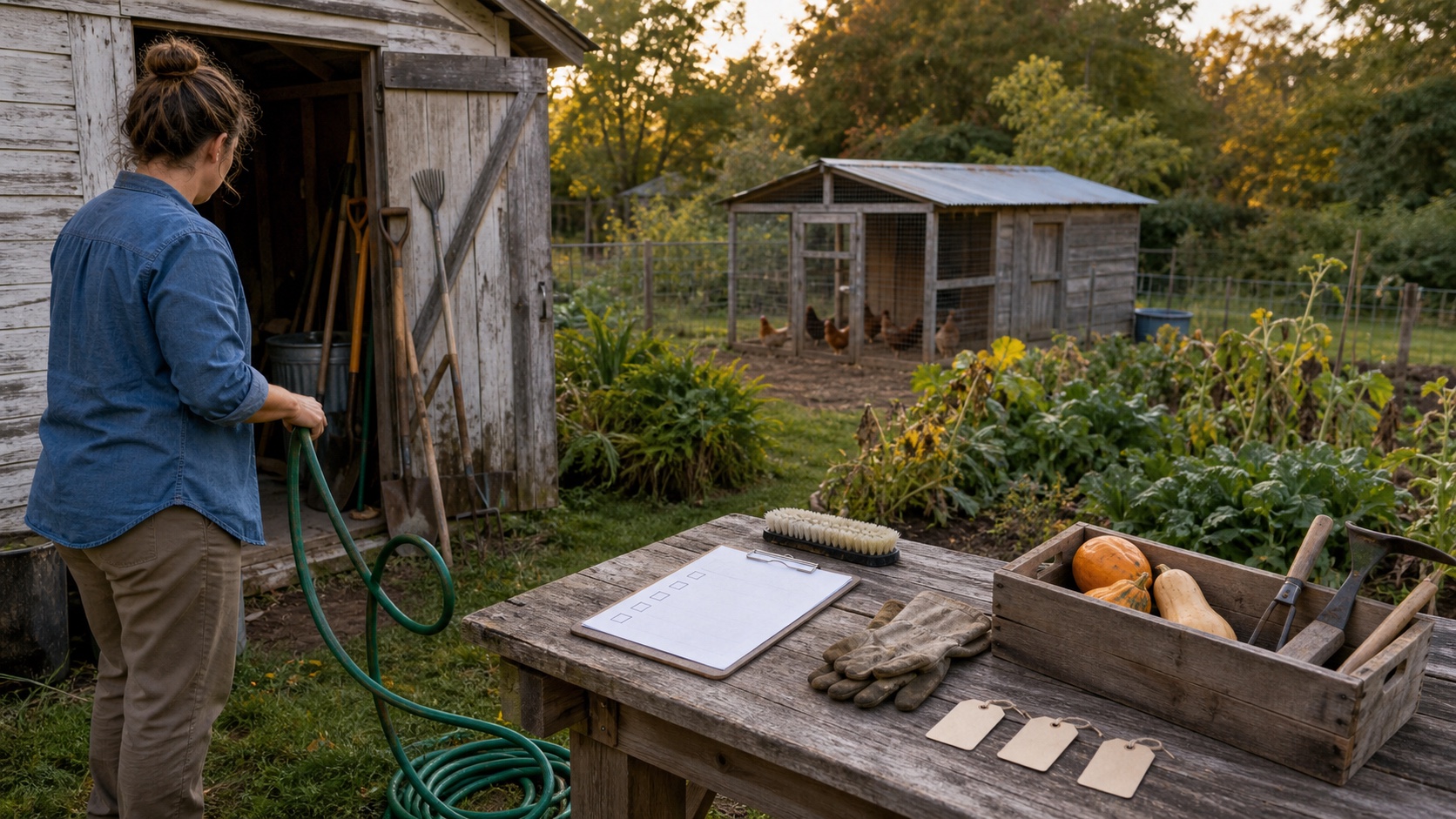
Fall Homestead Checklist for Beginners: What to Finish Before Cold Weather
A practical fall homestead checklist for sorting safety, animals, garden harvests, water, tools, food storage, and unfinished projects before cold weather arrives.
Gardening
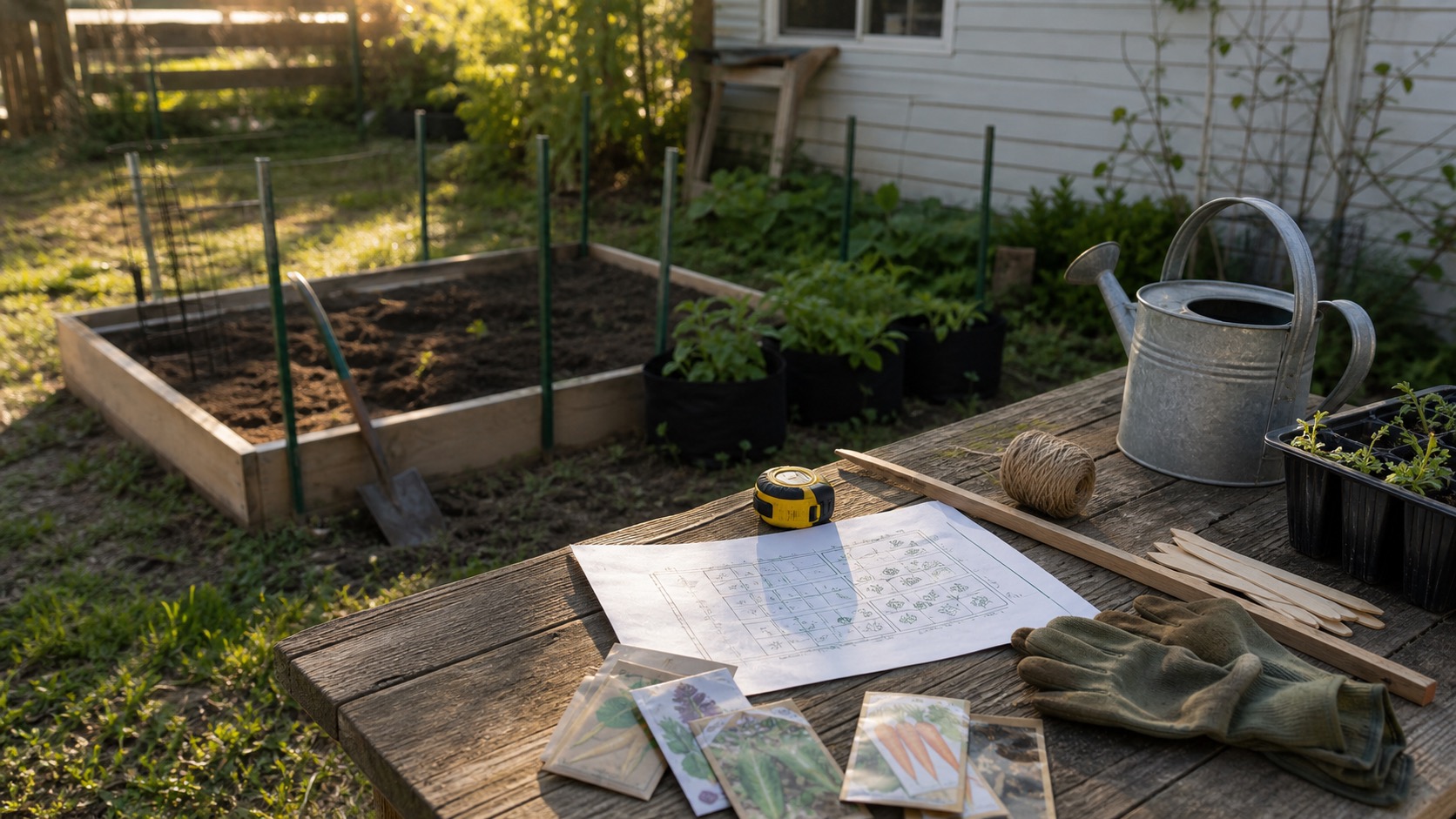
How to Plan Your First Homestead Garden Without Doing Too Much
A successful first garden is smaller, clearer, and less romantic than many beginners expect. That is a good thing.
Garden gear support
Get the buy-first guide before the first garden collects too much gear.
Use the guide to decide which early garden purchases earn money now, which ones can be borrowed, and which ones can wait until the routine proves itself.
Best for: Beginners who keep seeing useful things online and need a disciplined way to decide what actually earns a place.
- A buy now, borrow, wait, or skip framework
- Starter category shortlists
- A three-question purchase test
Garden planning notes, restrained gear decisions, and the guide first.
After signup, the download will unlock right here so you can save or print it.
About the author
William Mock
Founder, writer, and beginner homesteader
William writes from the beginner side of rebuilding after a layoff: homestead plans, family systems, budgets, tools, and the decisions that make a home feel less fragile.
Read why this site existsRelated Guides
Keep building context
Gardening
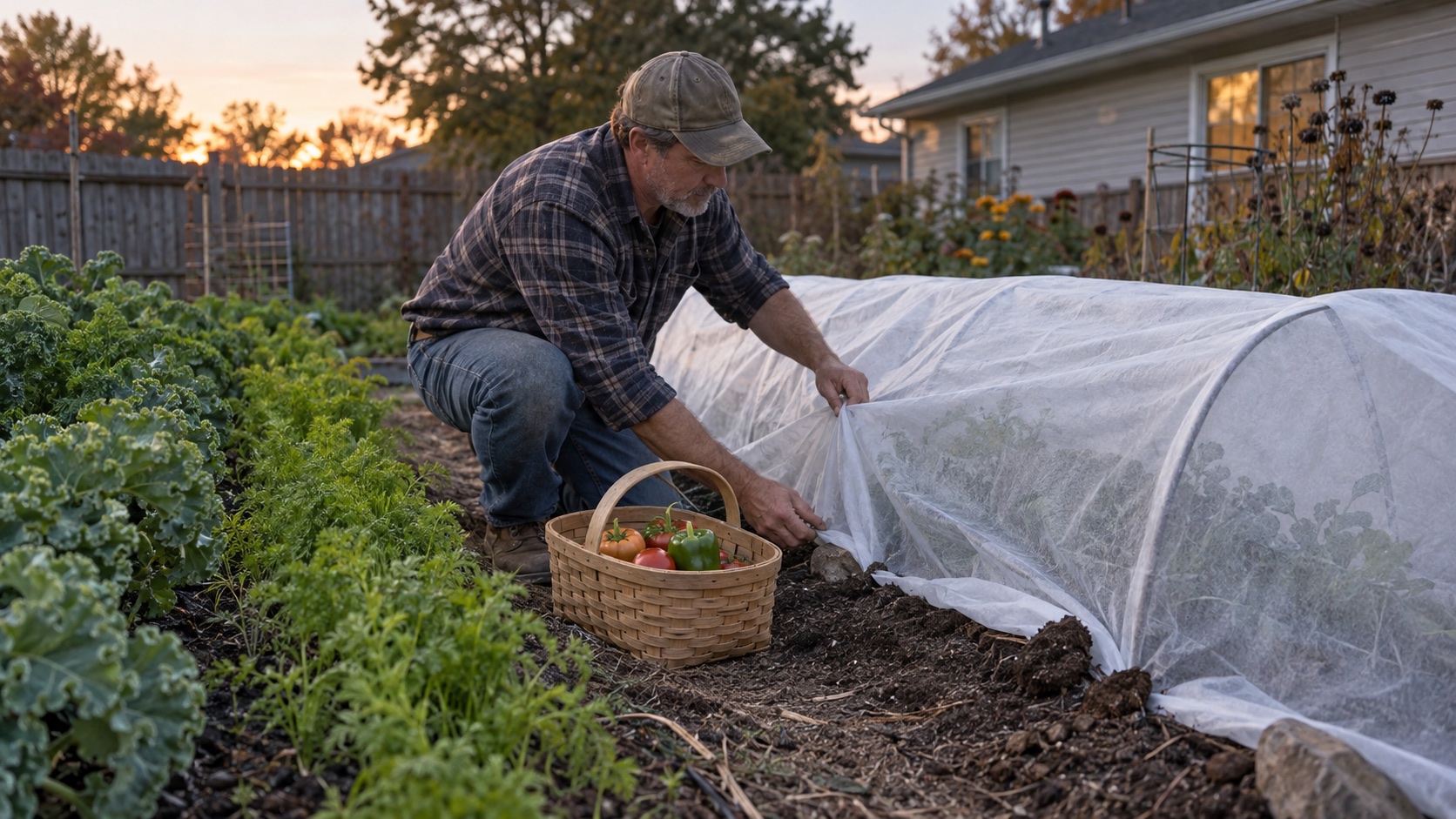
How to Protect a Vegetable Garden From the First Frost
Protect a vegetable garden from frost by harvesting tender crops first, covering only what is worth extending, and leaving cold-tolerant crops alone when conditions allow.
Gardening
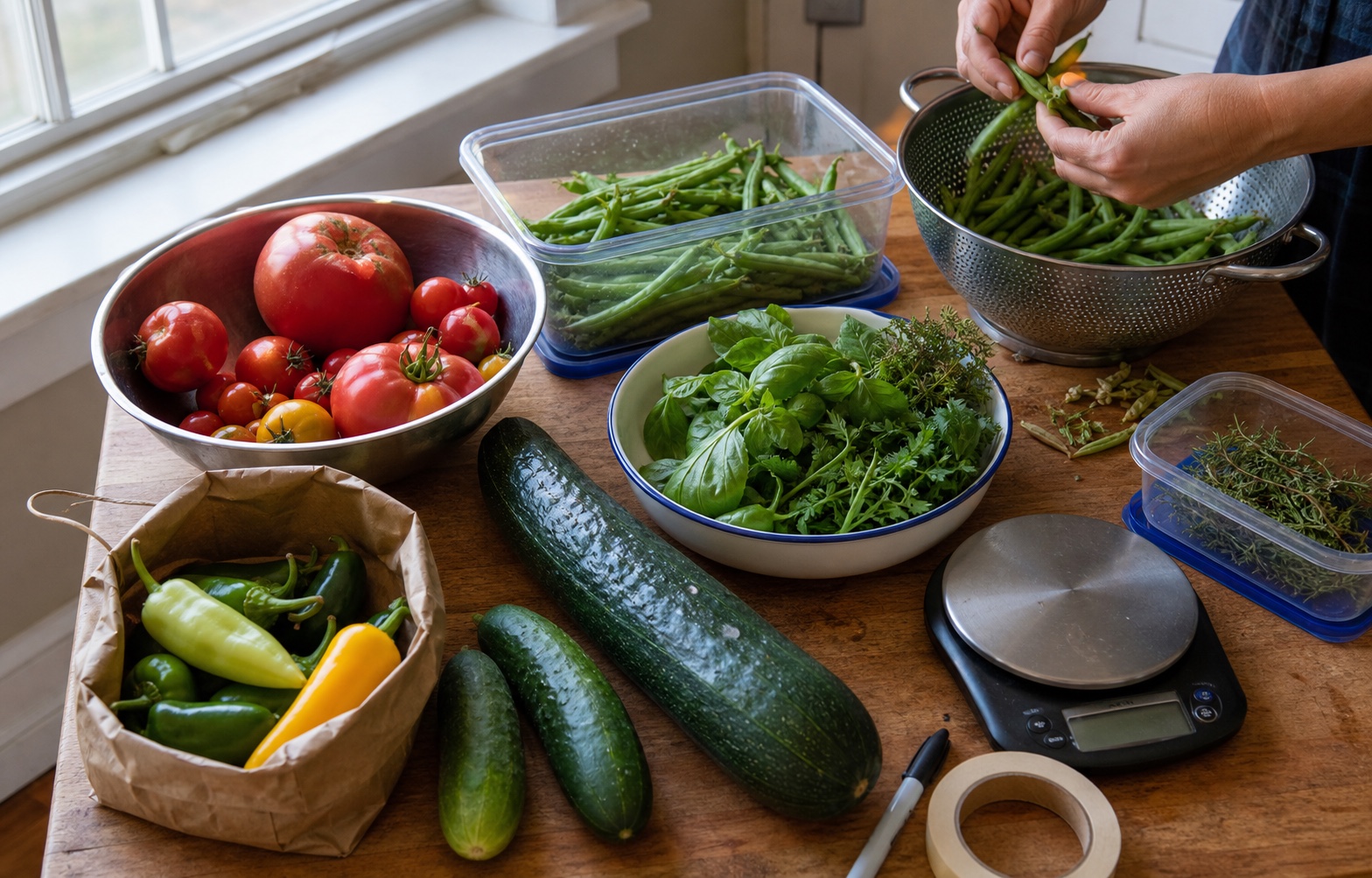
What to Do With Too Much Garden Produce: A 24-Hour Plan
A calm four-lane plan for moving an overflowing garden harvest from the counter into meals, short-term storage, tested preservation, or someone else's kitchen before it becomes waste.
Fresh Start
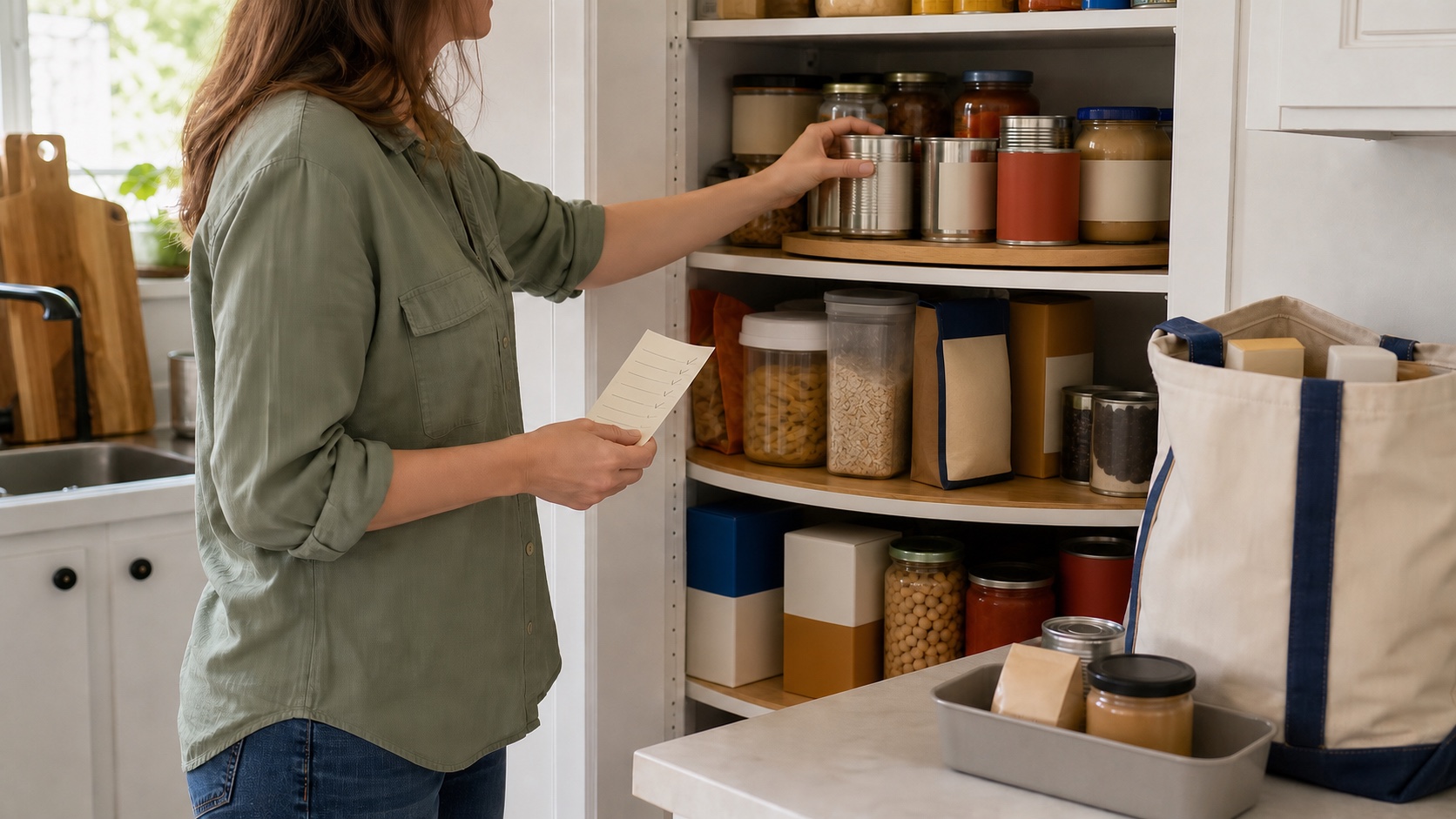
How to Build a Rotating Pantry Without Wasting Food
Build a small rotating pantry around meals your household already eats, then use a simple three-zone system to keep older food visible, useful, and out of the trash.