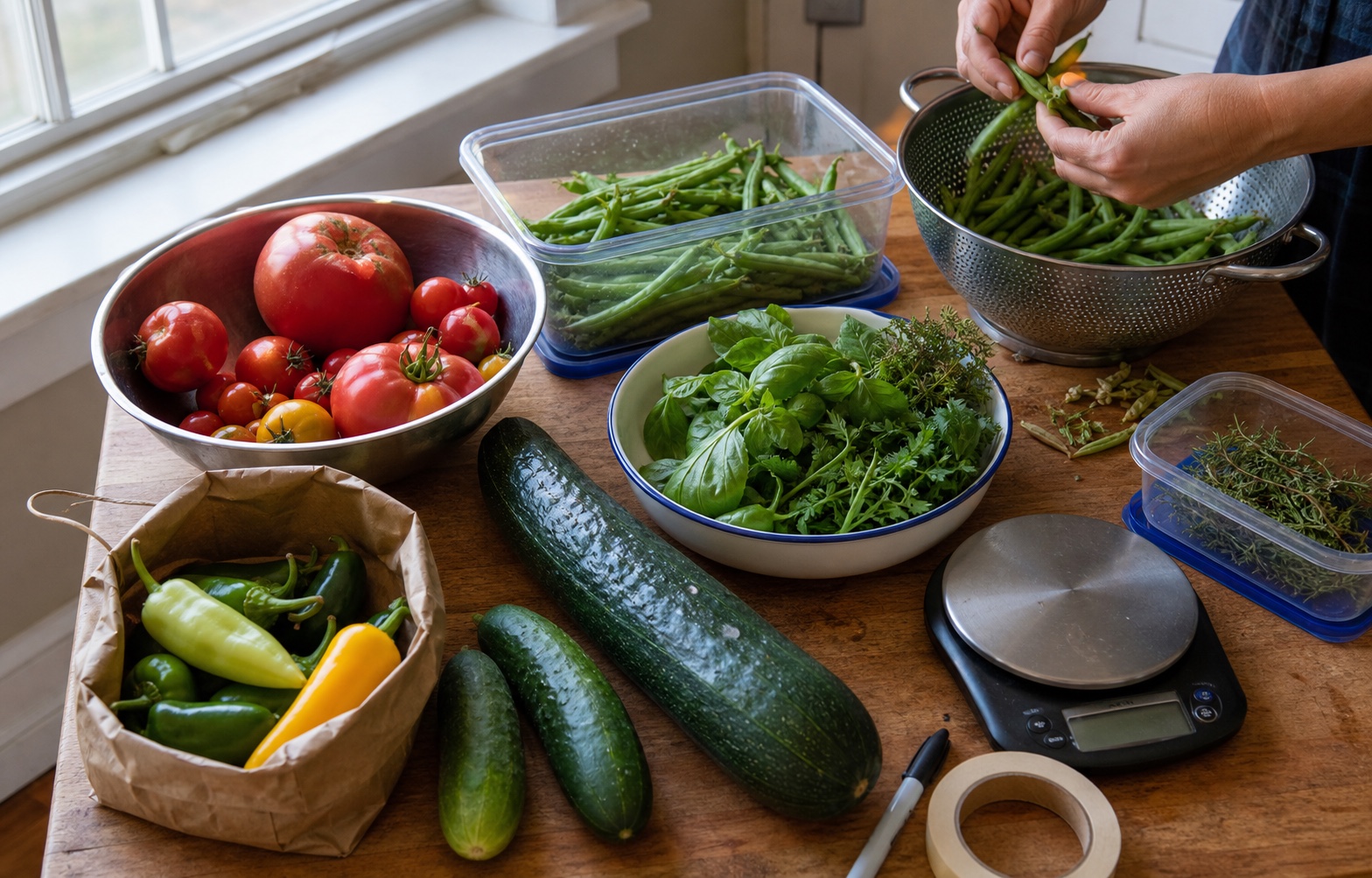
When the garden produces more than you can use, do not begin with a complicated recipe or a new piece of preservation equipment. Sort the harvest into four lanes: eat soon, store correctly, preserve with a tested method, and share while it is still good. Separate anything damaged or decaying, then give the most perishable food a real destination within 24 hours.
The goal is not to preserve every bean, tomato, cucumber, pepper, and herb. The goal is to keep a good harvest from becoming five simultaneous kitchen projects. A smaller amount used well is more valuable than a freezer, counter, and refrigerator full of food nobody has time to finish.
The zucchini that kept growing on the counter
One of the clearest harvest lessons I have learned came from an oversized zucchini. Carrying it inside felt like proof that the garden had worked. It was heavy, ridiculous, and hard to miss. I set it on the counter with the satisfied feeling that comes from bringing food in from outside.
Then I walked past it for another day. The zucchini had stopped growing in the garden, but the decision around it kept getting bigger. Should dinner change? Should I shred it? Freeze it? Bake something nobody had asked for? I had completed the harvest and created a new loose end in the same trip.
That is why I no longer think picking is the finish line. Harvest is a handoff from the garden to the household. If the food does not have a meal, a storage condition, a tested preservation method, or another kitchen waiting for it, the job is still open. The useful move is not heroic preservation. It is closing the next decision while the produce is still good.
Plan for the kitchen before planting more
Keep the first garden small enough to harvest and use
The beginner garden plan connects crop count and bed size to watering, ordinary weeks, meals, and the harvest your household can actually carry.
Read the first garden planDo the first sort before you wash or chop
Put the whole harvest where you can see it. Do not start cutting tomatoes while beans are still hidden under cucumbers. A complete first look prevents the easiest food from absorbing the entire evening while something more perishable waits underneath.
Handle produce gently. University of Minnesota Extension notes that bruises, cuts, and extra handling shorten storage life, and that rotting produce can affect nearby vegetables. Pull questionable items away from sound produce immediately. A cracked tomato that is still wholesome may belong in tonight's sauce; a decaying tomato does not belong pressed against the rest of the bowl.
Match each crop to the right short-term home
The refrigerator is not one universal answer. Vegetables differ in temperature, humidity, airflow, ripening, and curing needs. A leafy green losing moisture, a tomato developing flavor, and a freshly dug onion drying its outer layers are three different storage problems.
Do not wash every crop automatically and then seal it away wet. Storage advice differs by vegetable, and trapped moisture can encourage quality loss. Remove loose soil gently and follow the specific crop guidance. The FDA says to wash produce, including homegrown produce, under running water before eating or preparing it and does not recommend soap, detergent, or commercial produce wash.
Still deciding what must come inside first?
Set the harvest order before the basket gets crowded
Use ripeness, texture, weather risk, pest pressure, and how quickly quality declines to decide what deserves the first trip to the kitchen.
Use the beginner harvest guideBuild one meal around the most perishable food
The first lane is not a meal plan for the whole week. It is one decision that uses the crop most likely to lose quality first. Tender greens, split-but-sound tomatoes, ripe cucumbers, fresh herbs, and soft summer squash usually deserve attention before a sound storage onion or an underripe tomato.
A harvest does not need to create a themed dinner with eight side dishes. Beans can join a meal already planned. Tomatoes can become sauce on a night that already needed sauce. Herbs can go into eggs, soup, or a freezer portion. Let the produce enter family life instead of making the family perform for the produce.
Preserve for a named future meal, not for the feeling of saving food
Preservation works best when the package has a job before the knife comes out. 'Two cups grated zucchini for muffins' is a plan. 'Green vegetables, August' is an obligation moved into colder storage. Choose the future use first, then choose a tested method that fits that crop and use.
When zucchini is the crop taking over
Freeze zucchini for the way you will actually use it
Compare sliced and grated methods, follow tested blanching guidance, drain well, and package portions for a named cooked dish.
Read the zucchini freezing guideWhen tomatoes are ripening faster than dinner
Freeze tomatoes now and make sauce later
Use a low-pressure freezer method that protects ripe tomatoes without pretending today also has to become sauce day.
Read the tomato freezing guideShare good produce before it becomes second-best
Sharing should happen near the beginning of the 24-hour plan, not after the household has taken the best food and watched the rest soften for a week. Neighbors, relatives, coworkers, community refrigerators, meal programs, and food pantries may all be useful destinations, but the recipient should receive food with real quality and usable time left.
There is no prize for preserving food your family does not want. A cucumber shared while it is crisp may do more good than a jar of experimental pickles that nobody opens. Giving food away is not evidence that the garden plan failed. It is one legitimate destination for abundance.
Use a 24-hour harvest clock when the counter is full
The clock is a decision rhythm, not a claim that every vegetable spoils in one day. Its purpose is to prevent the harvest from sitting unsorted while quality and attention decline. Crop-specific storage can extend the timeline after each item reaches the right lane.
Measure enough to make next year's garden more honest
You do not need a farm ledger for six tomato plants. You need enough evidence to remember whether the household used the harvest. A rough note can say: eight pounds of tomatoes this week, two meals, one freezer batch, three pounds shared. That is more useful than remembering August as 'a lot.'
A scale can help when recipe weights, freezer portions, or next-season planting decisions need real numbers. The Escali Primo has simple controls, a tare function, and enough capacity for ordinary kitchen batches. But it is optional. If 'two colanders of beans, one eaten and one shared' gives you the information you need, keep the money.
What matters now and what can wait
A twenty-minute plan for tonight
The counter does not have to be empty tonight. It needs to stop being undecided. Give the tender food the first meal, give storage crops the conditions they require, give one preservation batch a tested plan, and give sound excess away while it can still be enjoyed.
That is the quieter side of food security. It is not the biggest garden or the fullest freezer. It is a household that can receive what the garden produced, use it without panic, and let the record make next season more realistic.
Keep the whole garden season connected
Use the gardening hub for the next crop decision
Move between harvest timing, August maintenance, watering, preservation, garden size, and next-season planning without treating each problem as a separate emergency.
Explore beginner gardening guidesFrequently asked questions
What should I do first when I have too much garden produce?
Sort it before starting a recipe. Separate produce into four lanes: eat soon, store correctly, preserve with a tested method, or share while quality is still high. Pull out damaged or decaying produce so it does not compromise the rest, then give the most perishable crops the first place in your meal plan.
Should I wash garden vegetables before storing them?
Do not assume every crop should be washed and packed the same way. Extra handling and trapped moisture can shorten storage life for some vegetables. Remove loose soil gently, keep damaged produce separate, follow crop-specific Extension storage guidance, and wash produce under clean running water before eating or preparing it. Do not use soap or household cleaners on produce.
Is freezing the easiest way to preserve extra vegetables?
Freezing is often approachable, but the method still depends on the crop. Many vegetables need blanching to protect quality, and freezing does not sterilize food. Use a tested crop-specific process from the National Center for Home Food Preservation or a university Extension source, package meal-size portions, label them, and keep the freezer at 0 degrees Fahrenheit or below.
Can I donate extra vegetables from my home garden?
Many pantries and community organizations accept fresh garden produce, but policies, hours, refrigeration, and preferred crops vary. Contact the organization before harvesting or driving over. Donate sound produce you would be comfortable serving your own family, follow the recipient's handling instructions, and never donate decaying or questionable food.
How can I avoid growing too much produce next year?
Record pounds or rough basket counts by crop, how much the household ate, how much was preserved, how much was shared, and what was wasted. Reduce crops that repeatedly became obligations, succession-plant fast crops where appropriate, and keep the varieties that reliably reached meals. Let actual use guide next year's planting count.
Recommendations
Useful tools and resources for this decision
These are included only where they reduce repeated friction, clarify a next step, or help you avoid buying the wrong thing first.
Optional harvest-measuring tool
Escali Primo digital kitchen scale
A simple two-button kitchen scale with tare, gram and ounce measurements, and an 11-pound capacity for recording harvests and portioning freezer packages.
Best for: Gardeners who preserve by recipe weight, divide harvests into repeatable meal portions, or want useful numbers for next year's planting plan
Skip it if you already own a reliable kitchen scale or if bowl counts are enough for your notes. A large bowl can obscure this model's display, so tare a smaller container or use a plate when practical.
Check current priceStorage reference
University of Minnesota Extension harvest and storage guide
Crop-specific guidance for harvesting and storing home garden vegetables, including temperature and humidity differences that affect quality.
Best for: Checking how a specific vegetable should be handled after harvest
View resourcePreservation reference
National Center for Home Food Preservation freezing guidance
Research-based freezing directions organized by food, including blanching methods and packaging guidance.
Best for: Choosing a tested preservation process instead of improvising from a harvest list
View resourceProduce-safety reference
FDA guide to selecting and serving produce safely
Federal food-safety guidance for washing, trimming, refrigerating, and preparing fresh fruits and vegetables, including homegrown produce.
Best for: Checking safe preparation steps before eating or processing a garden harvest
View resourceProduce-sharing resource
AmpleHarvest.org pantry finder
A location-based tool for finding food pantries that may accept fresh garden produce directly from growers.
Best for: Gardeners with sound excess produce who want to confirm a local donation option
View resourceRecommended next reads
Read next if it helps the decision
Move into the next guide only if it clarifies the next practical step.
Gardening
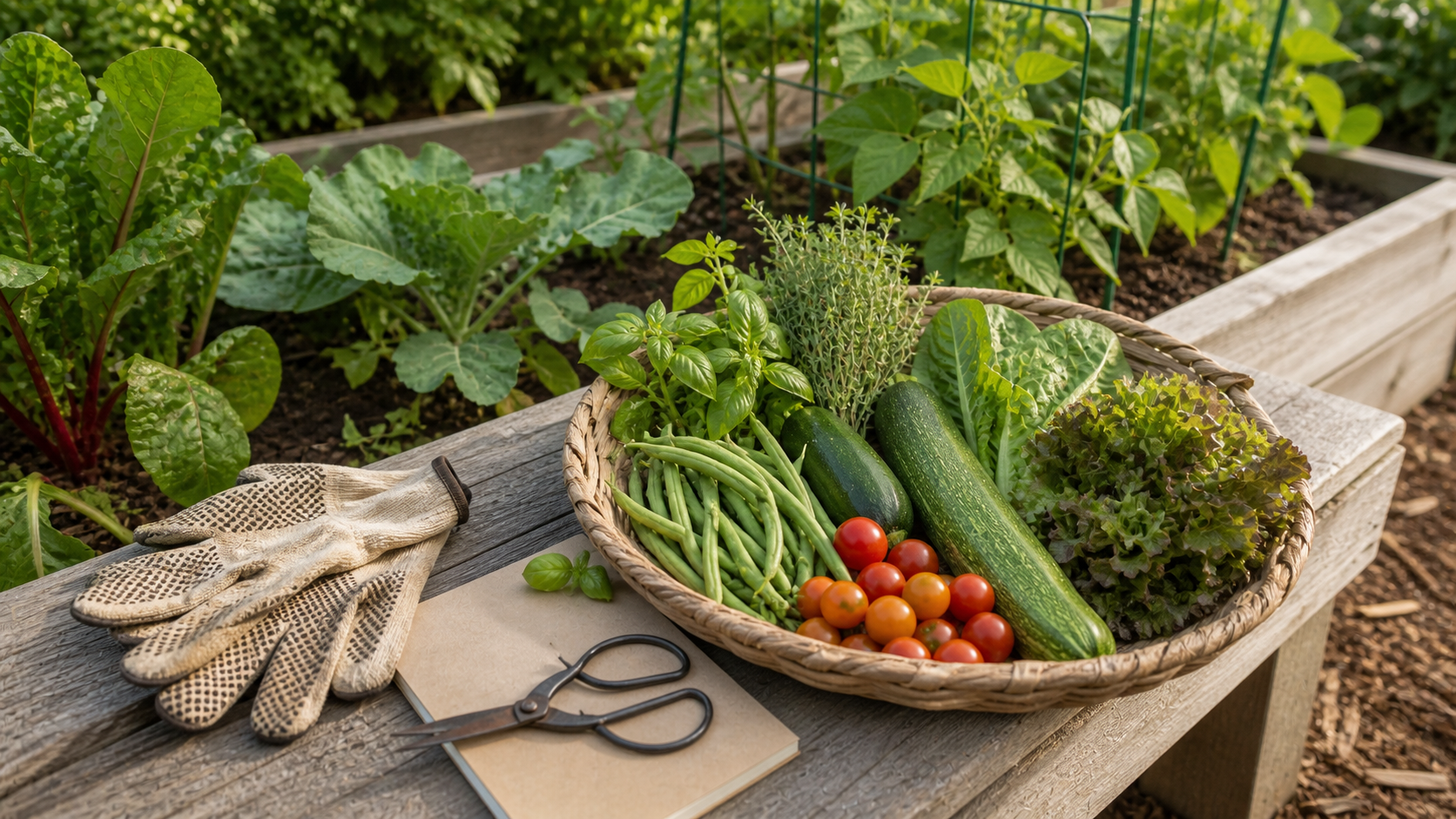
What to Harvest First in a Beginner Vegetable Garden
A practical beginner guide to the first garden harvest: what to pick early, what to leave longer, how to avoid waste, and how to build confidence without overthinking it.
Gardening
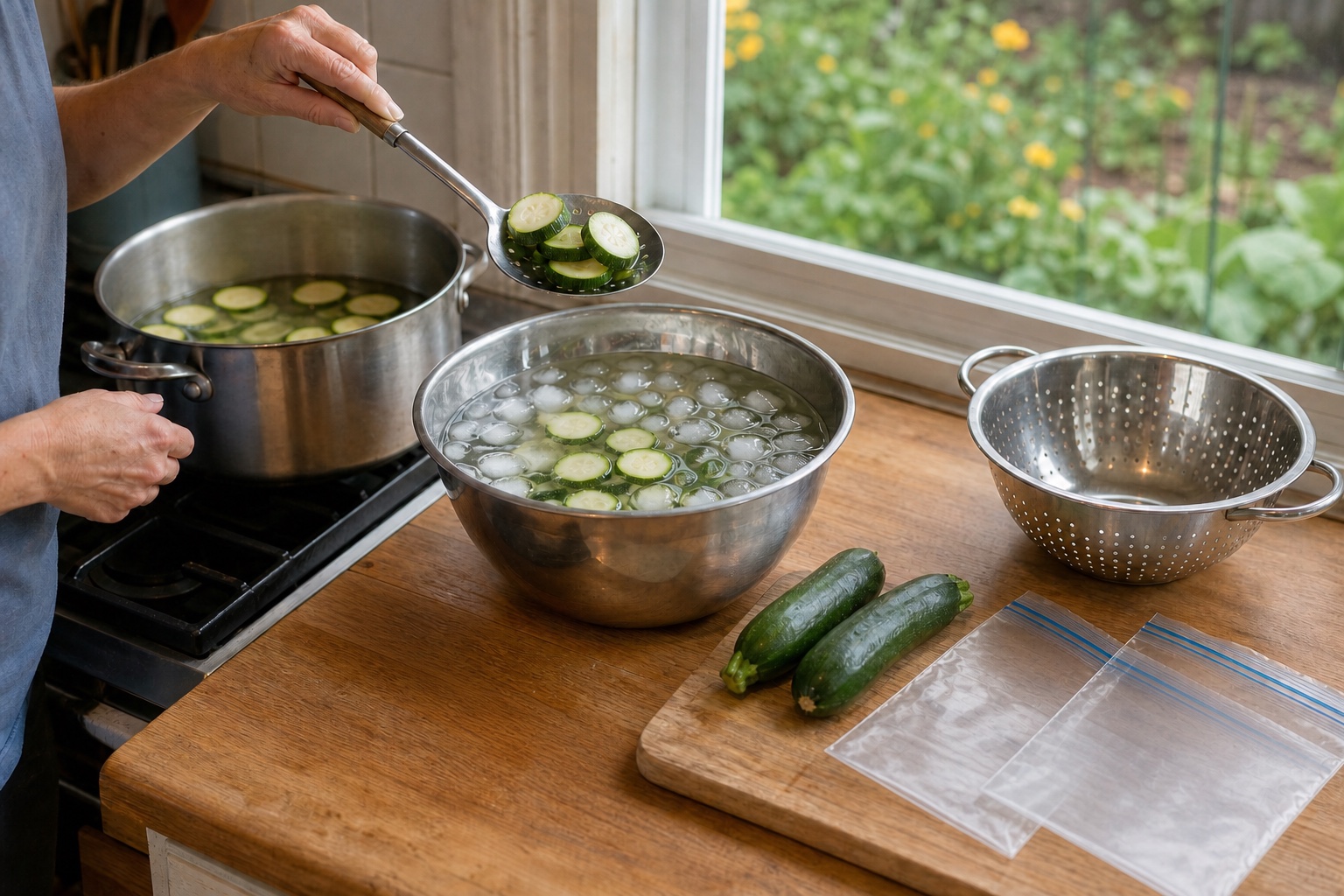
How to Freeze Zucchini Without Ending Up With a Watery Mess
Frozen zucchini will soften, but it does not have to become a forgotten bag of ice and mush. Choose slices or shreds by the meal, blanch correctly, drain well, and freeze useful portions.
Gardening
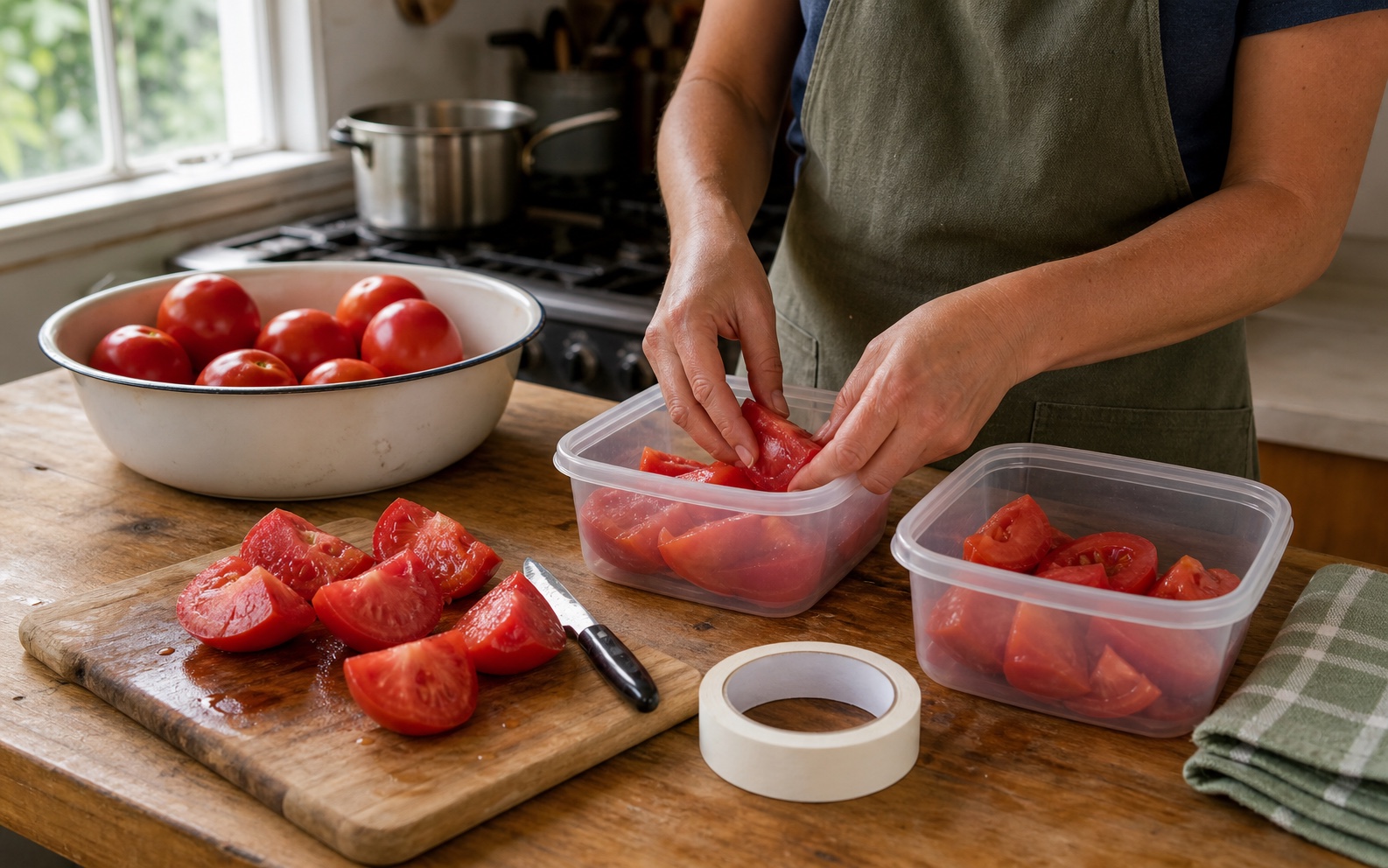
How to Freeze Tomatoes for Sauce Later: A Beginner Method
Freeze ripe tomatoes in meal-sized portions for future sauce without pretending they will thaw firm. This beginner method covers peeling, packing, headspace, labeling, thawing, and the difference between freezing and canning.
Garden gear support
Get the buy-first guide before the first garden collects too much gear.
Use the guide to decide which early garden purchases earn money now, which ones can be borrowed, and which ones can wait until the routine proves itself.
Best for: Beginners who keep seeing useful things online and need a disciplined way to decide what actually earns a place.
- A buy now, borrow, wait, or skip framework
- Starter category shortlists
- A three-question purchase test
Garden planning notes, restrained gear decisions, and the guide first.
After signup, the download will unlock right here so you can save or print it.
About the author
William Mock
Founder, writer, and beginner homesteader
William writes from the beginner side of rebuilding after a layoff: homestead plans, family systems, budgets, tools, and the decisions that make a home feel less fragile.
Read why this site existsRelated Guides
Keep building context
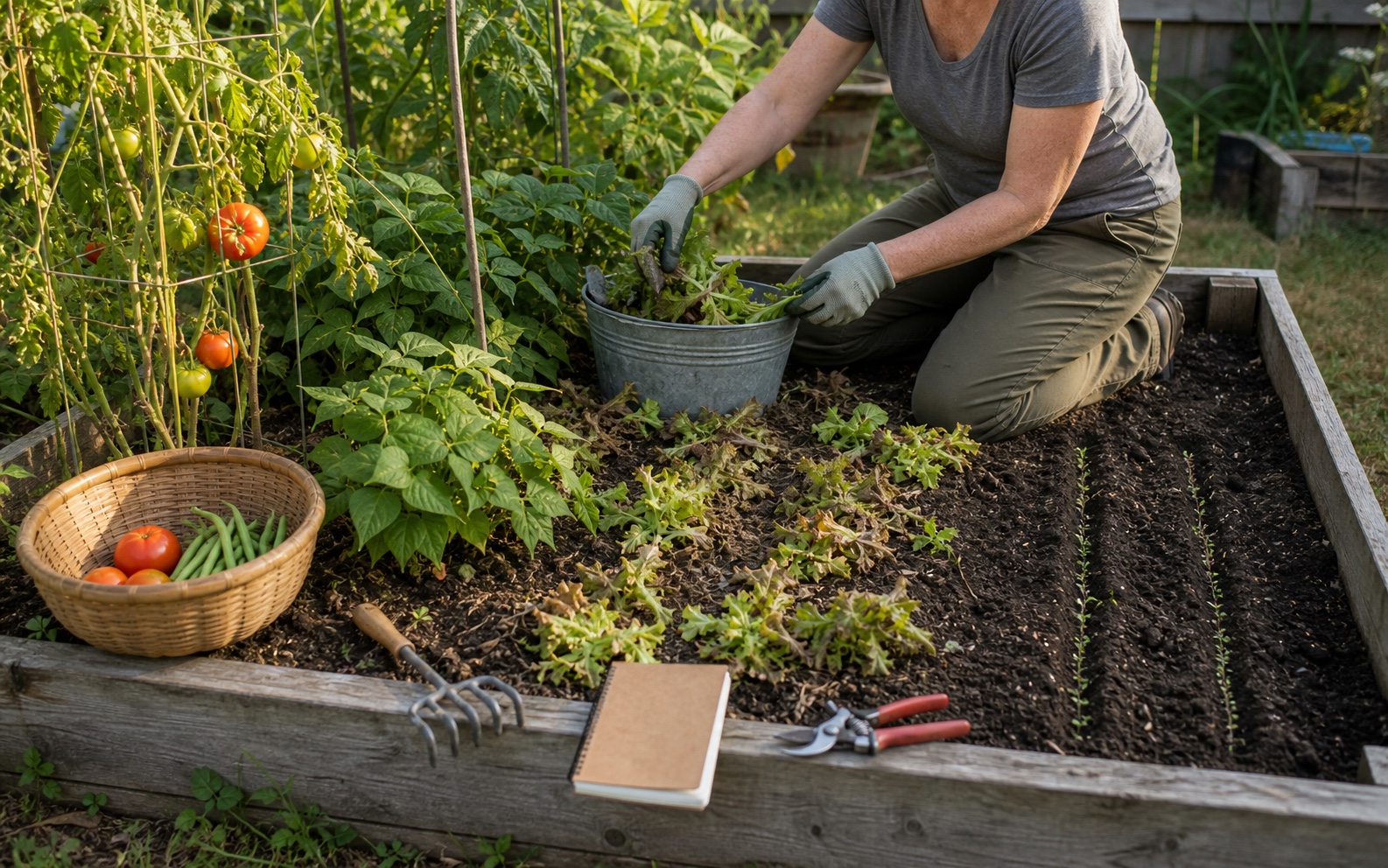
Gardening
August Vegetable Garden Checklist: What to Harvest, Clear, and Plant
A practical August garden reset for deciding what should keep producing, what is truly finished, and whether one small fall planting still fits your local frost window.
Gardening
What to Harvest First in a Beginner Vegetable Garden
A practical beginner guide to the first garden harvest: what to pick early, what to leave longer, how to avoid waste, and how to build confidence without overthinking it.
Gardening
How to Freeze Zucchini Without Ending Up With a Watery Mess
Frozen zucchini will soften, but it does not have to become a forgotten bag of ice and mush. Choose slices or shreds by the meal, blanch correctly, drain well, and freeze useful portions.