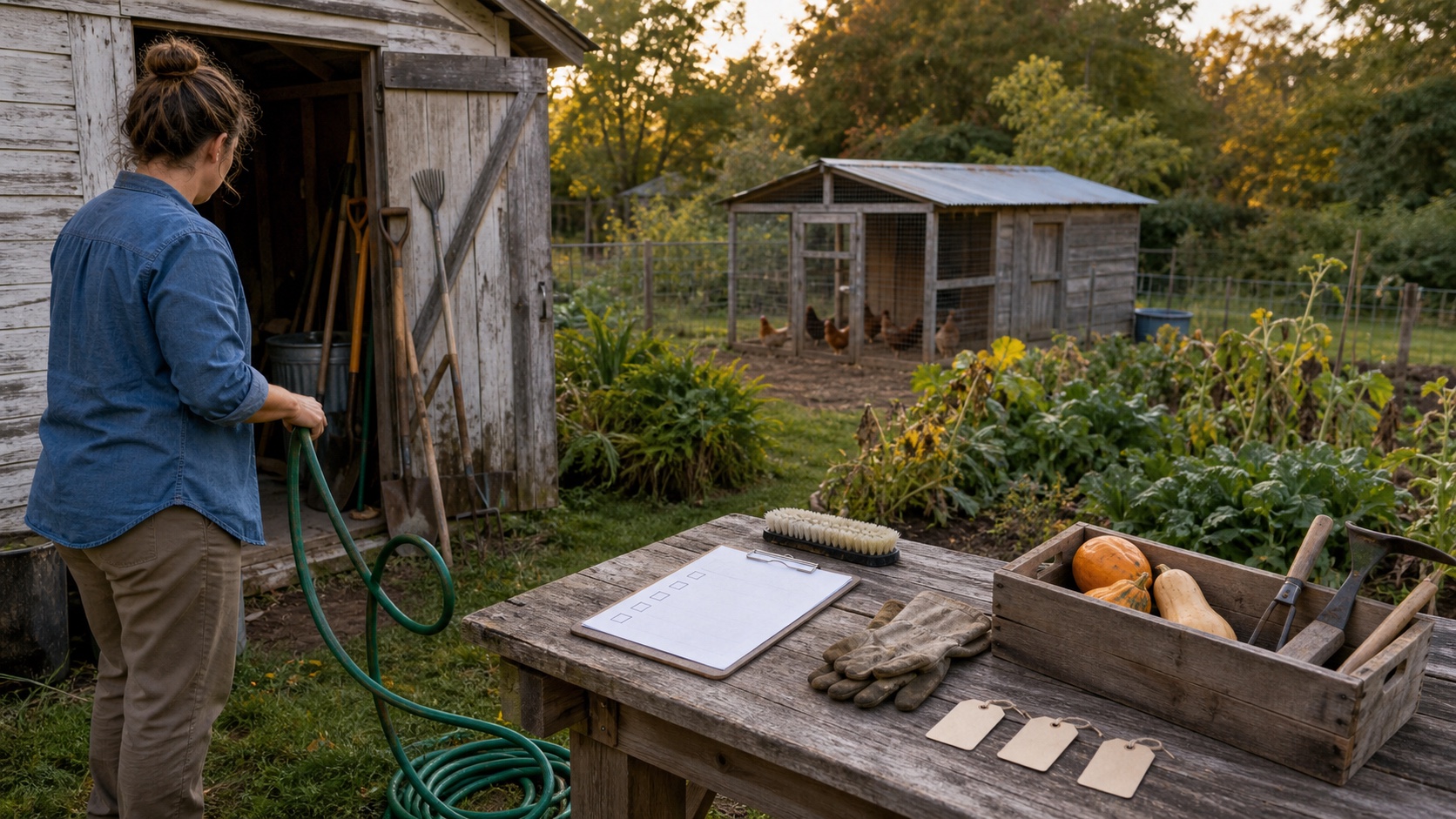
A fall homestead checklist should not be one enormous race against the first freeze. Start with the jobs that protect people, animals, water, shelter, and stored food. Then close the garden and tool loops that will cost more if ignored. Everything else should be finished, documented for later, or deliberately dropped before cold weather turns a long list into a crisis.
Build the rhythm first
Put the fall list inside a week your family can carry
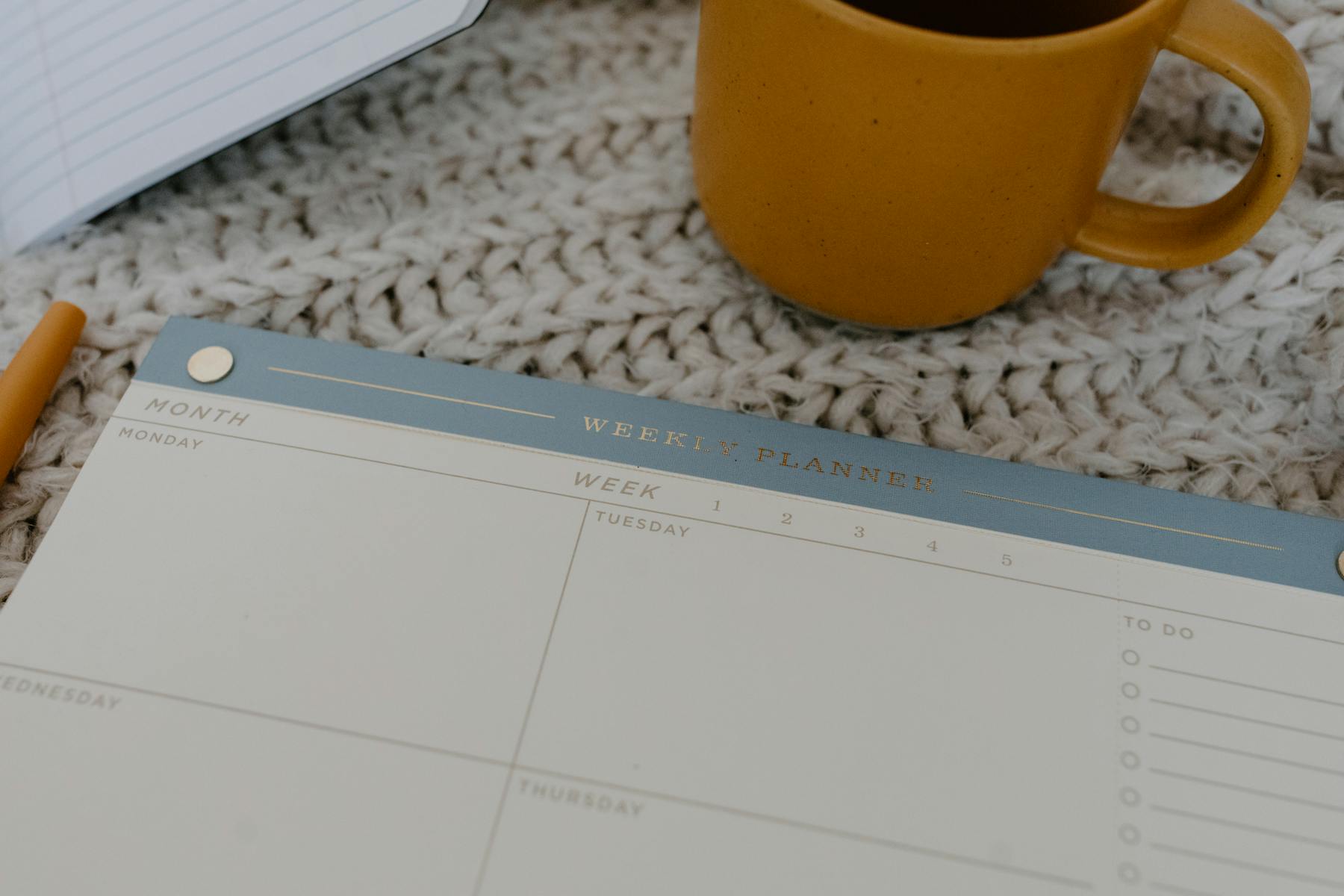
The calmer weekly homestead rhythm helps separate daily care, one seasonal work block, meals, cleanup, and actual rest before the checklist takes over.
Build a calmer weekly rhythmWhen work stopped setting the rhythm
For years, work supplied the hard edges of the week. Meetings started, the commute ended, and weekends carried whatever the job had left behind. When the layoff removed that structure, urgency lost its old shape. What surprised me was how quickly every useful household idea began asking to become the new priority.
A coop repair, a pantry plan, a garden expansion, and one more practical skill could all make a reasonable case. None of them looked reckless alone. Together, they could turn the fresh start into another system that owned the calendar. The old work rhythm had been demanding but obvious; a homestead list can be just as demanding while pretending every task is voluntary and meaningful.
I do not want to rebuild that pressure with better-looking work. That is why I like a seasonal reset more than a seasonal push. A reset asks which loops need to close before conditions change and gives the rest a named place to wait. It does not treat every decent August afternoon as available inventory. The goal is to enter the next season with fewer fragile systems and fewer promises hanging over the house.
Set local triggers before making the list
There is no honest national date for finishing fall homestead preparation. First frost, hard freeze, snowfall, wildfire risk, hurricane season, heavy rain, animal needs, and home construction all vary by location. Start with your local Extension office, National Weather Service forecast office, utility guidance, equipment manuals, and any qualified tradesperson responsible for a system you do not understand.
The trigger is not a deadline you dare yourself to beat. It is the point you work backward from. If a coop repair needs hardware, a water solution needs testing, or a heating-system appointment needs scheduling, the useful start may be weeks before the weather turns.
The five-pass fall homestead reset
Pass one: protect people and the home
Start indoors because the homestead is supposed to serve the household. Ready.gov recommends knowing local hazards, making a family plan, building an emergency supply kit, and keeping ways to receive official alerts. Winter-weather guidance also emphasizes supplies for power outages, household-specific medication or accessibility needs, pets, and vehicles.
Review the alerts already available before buying anything. Make sure phone emergency alerts are enabled, learn the local warning sources, and decide how the household will receive information if internet or power is unavailable. A properly configured NOAA weather-alert radio can add a second path, but it is not useful while boxed, unprogrammed, or missing backup batteries.
Pass two: secure the animal routine
For each animal system, walk through a bad-weather day from the first chore to the last. How will water stay available? Where will feed remain dry and protected from pests? Can the person doing chores see, walk, open gates, and carry supplies safely? Is shelter dry, ventilated, and secure without being sealed tight? Do you have enough ordinary supplies to avoid a dangerous last-minute substitution?
Chicken keepers can use the full winter chicken care checklist for the flock-specific pass. This broad article should not replace climate-aware guidance about ventilation, water, nutrition, health, electricity, or shelter. Its job is to make sure the animal system gets reviewed early enough to fix calmly.
Pass three: close food and garden loops
The useful fall garden is not the one stripped bare on the prettiest weekend. It is the one that protects edible food, prevents avoidable disease carryover, records what worked, and leaves soil and habitat managed for local conditions. Use the focused fall garden cleanup guide to sort spent crops, diseased debris, healthy compost material, standing stems, and leaf litter. Penn State Extension advises removing spent annual vegetable debris after frost while keeping diseased material out of ordinary compost; it also notes that not every perennial needs to be cut down.
Start by matching harvest to capacity. A counter full of produce is still an unfinished task. Eat, refrigerate, freeze, preserve safely, share, or compost it while quality is useful. Then move to the beginner fall-garden timing guide for planting decisions based on crop maturity, frost tolerance, and your local window.
Pass four: drain, clean, test, and store
Water and dirt are two quiet winter-storage problems. Oregon State Extension advises disconnecting and fully draining garden hoses so trapped water does not freeze and split them. Use the garden hose winter storage checklist for the removable hose, nozzle, timer, and reel, then handle the separate outdoor-faucet winterization decision. Built-in irrigation, wells, pumps, livestock water systems, and other household plumbing still require their own manuals and local professional guidance; draining a hose is not the same as winterizing an entire water system.
University of Minnesota Extension recommends cleaning tools and containers before winter storage and removing visible soil and plant debris before disinfecting. Once tools are clean and dry, inspect handles, fasteners, cutting edges, rust, batteries, and moving parts. Follow each equipment manual for fuel, oil, charging, stabilization, and storage rather than using one folk method on every machine.
Pass five: triage the project backlog
This is where the reset becomes more than maintenance. Write every unfinished project on one page, including the small ones hiding in sheds, vehicles, closets, and browser tabs. Then give each project one status: finish before the trigger, make safe and pause, document for spring, or drop. 'Still thinking about it' is not a useful winter storage category.
If the list is already affecting meals, rest, family plans, or every weekend, use the guide to keep homestead projects from taking over family life. Cold weather does not turn every optional improvement into an emergency. Sometimes the right fall project is simply making the unfinished thing safe enough to wait.
A realistic four-week beginner plan
Imagine a household with a small garden, a backyard flock, a shed, ordinary outdoor water, and several half-finished ideas. The risky approach is one giant weekend labeled winterize everything. The steadier approach gives each week one main pass while daily animal care and family life continue normally.
What matters first, and what can wait
Recommendations
One free planning tool and one optional alert layer
Use this first
Weekly Reset and Homestead Rhythm Planner
Print the free planner and give each fall pass one bounded work block beside meals, daily chores, work, family plans, and rest.
Best for: A long checklist that needs to become a realistic month
Read the guideOptional, not automatic
Midland WR120B NOAA Weather Alert Radio
A specific desktop alert radio with localized S.A.M.E. programming and battery backup. It must be configured, tested, and supplied with batteries to add useful redundancy.
Best for: Households without a dependable non-phone path for official local weather alerts
Check current priceA good fall homestead reset does not make the whole place look finished. It leaves the important systems safer, the food accounted for, the equipment protected, and the family clear about what is not happening this season. That is enough. Cold weather will test routines more than ambition, so give the next season fewer loose ends and more room to work.
Weekly rhythm support
Turn the fall checklist into four workable weeks
Get the free Weekly Reset and Homestead Rhythm Planner to place seasonal jobs beside daily chores, meals, family time, and the margin that keeps the plan usable.
Best for: Readers who need a calmer household rhythm before they need more projects.
- A weekly anchor planner
- A reset checklist
- A what-to-drop, delay, or delegate review
Low-noise notes on routines, resets, and steadier household systems.
After signup, the download will unlock right here so you can save or print it.
Recommended next reads
Prepare the two systems most affected by the season
Move next into the flock or garden guide that matches your actual property, then return to the project-boundary guide before adding new fall work.
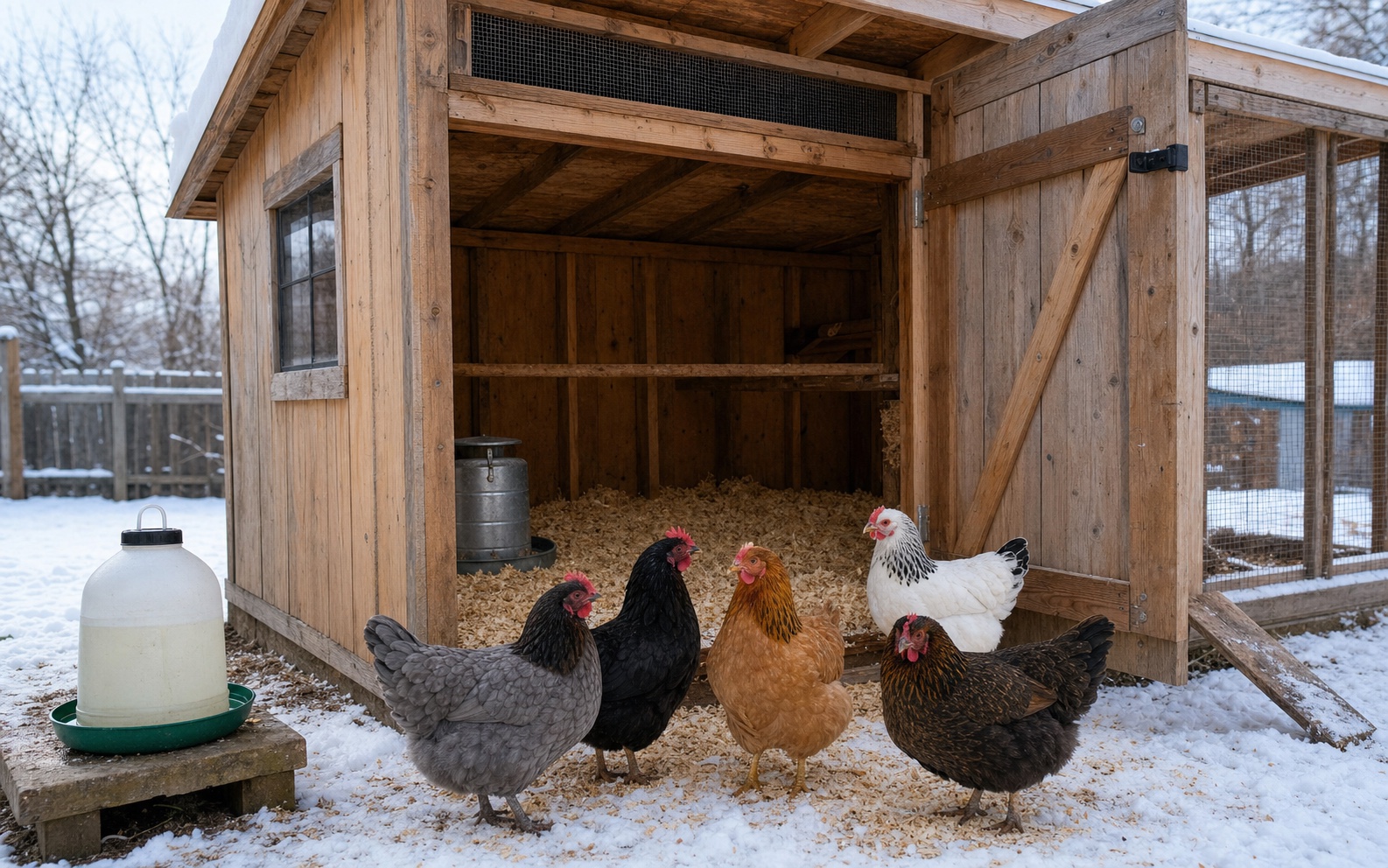
Chickens
Winter Chicken Care for Beginners: Prepare Before the First Freeze
A practical first-winter checklist for unfrozen water, dry bedding, useful ventilation, safe power, flock checks, feed, frostbite risk, and cold-weather routines.
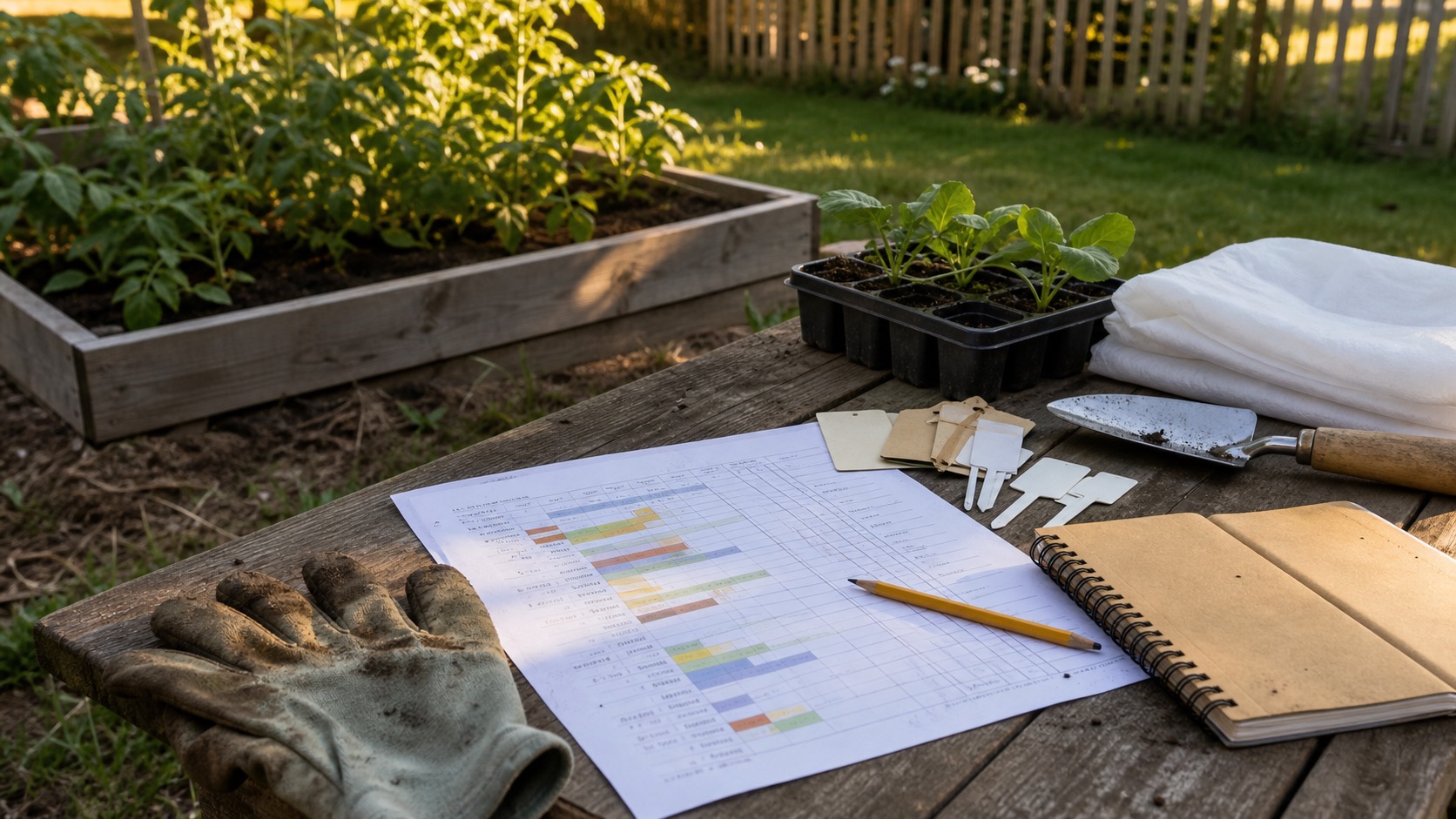
Gardening
When to Start a Fall Garden for Beginners
A practical fall garden timing guide for beginners: how to work backward from first frost, choose cool-season crops, and plant a small second season without guessing.
Systems
How to Keep Homestead Projects from Taking Over Family Life
A practical guide to keeping homestead goals from swallowing evenings, weekends, and the people you are trying to build the life with.
Frequently asked questions
When should I start preparing my homestead for fall and winter?
Start the inventory in late summer, then work backward from your local first-frost patterns and the needs of your animals, water systems, garden, home, and equipment. Jobs involving ordered parts, repairs, shelter, stored feed, or backup supplies deserve more lead time than simple cleanup. Do not rely on a national calendar date; local weather and Extension guidance should set the trigger.
What should be first on a fall homestead checklist?
Put life safety, household heat and alerts, animal water and shelter, freeze-vulnerable plumbing, and any urgent structural repair first. Harvests, tool care, storage, and optional projects matter, but they should not outrank a problem that can harm a person, animal, home, or essential water system.
How do I prepare backyard chickens for winter?
Review the coop for dry bedding, secure predator protection, high ventilation that does not create a direct roost-level draft, dependable liquid water, adequate complete feed, and safe access during bad weather. Avoid sealing the coop tightly or improvising unsafe heat. Use the linked winter chicken guide and local Extension advice for your climate and flock.
Should I remove everything from the garden in fall?
No. Remove spent vegetable plants and manage diseased material carefully, but not every perennial stem or leaf needs to disappear. Some standing plant material can provide winter interest and habitat. Follow local Extension guidance for disease sanitation, beneficial insects, cover crops, mulch, and the crops you still intend to harvest.
What fall homestead projects can wait until spring?
Decorative upgrades, expansions, new systems, nonessential equipment, and projects that open several more unfinished tasks can usually wait. Before postponing anything, make sure delay will not create freeze damage, animal risk, water failure, structural deterioration, or a more expensive repair. Document the first spring step so delayed does not become forgotten.
Recommendations
Useful tools and resources for this decision
These are included only where they reduce repeated friction, clarify a next step, or help you avoid buying the wrong thing first.
Free planner
Weekly Reset and Homestead Rhythm Planner
A free printable for assigning seasonal jobs to real weeks without letting the checklist consume every evening and weekend.
Best for: Beginners turning a long fall list into a workable household rhythm
Read the guideOptional alert layer
Midland WR120B NOAA Weather Alert Radio
A desktop weather-alert radio with S.A.M.E. localized programming, NOAA channels, audible alerts, and battery backup when properly configured.
Best for: Households that want an alert path that does not depend only on a charged phone and app settings
Check current priceFederal source
Ready.gov winter-weather preparedness guidance
Federal guidance for household plans, emergency supplies, alerts, power outages, pets, vehicles, and cold-weather hazards.
Best for: The household safety pass that should happen before optional homestead projects
View resourceExtension source
University of Minnesota fall vegetable-garden guidance
Extension guidance on transitioning the vegetable garden, saving seed, handling harvests, and preparing for the next season.
Best for: Gardeners deciding what to harvest, save, clean, or carry into fall
View resourceExtension source
University of Minnesota tool-cleaning guidance
Extension instructions for removing soil and plant debris and cleaning or disinfecting garden tools before winter storage.
Best for: Garden tools and containers used around diseased plant material
View resourceExtension source
Oregon State Extension hose-storage guidance
A short Extension answer explaining why hoses should be disconnected and fully drained before freezing weather.
Best for: Beginners closing down seasonal watering equipment
View resourceRecommended next reads
Read next if it helps the decision
Move into the next guide only if it clarifies the next practical step.
Systems
How to Build a Calmer Weekly Homestead Rhythm
A workable weekly rhythm matters more than bursts of motivation. This is how to structure a steadier, lower-drama home system.
Chickens
Winter Chicken Care for Beginners: Prepare Before the First Freeze
A practical first-winter checklist for unfrozen water, dry bedding, useful ventilation, safe power, flock checks, feed, frostbite risk, and cold-weather routines.
Gardening
When to Start a Fall Garden for Beginners
A practical fall garden timing guide for beginners: how to work backward from first frost, choose cool-season crops, and plant a small second season without guessing.
Weekly rhythm support
Get the weekly reset planner that keeps the week from scattering.
A print-friendly weekly planner for resets, anchor tasks, and the few routines that make the house feel steadier.
Best for: Readers who need a calmer household rhythm before they need more projects.
- A weekly anchor planner
- A reset checklist
- A what-to-drop, delay, or delegate review
Low-noise notes on routines, resets, and steadier household systems.
After signup, the download will unlock right here so you can save or print it.
About the author
William Mock
Founder, writer, and beginner homesteader
William writes from the beginner side of rebuilding after a layoff: homestead plans, family systems, budgets, tools, and the decisions that make a home feel less fragile.
Read why this site existsRelated Guides
Keep building context
Systems
How to Build a Calmer Weekly Homestead Rhythm
A workable weekly rhythm matters more than bursts of motivation. This is how to structure a steadier, lower-drama home system.
Systems
How to Keep Homestead Projects from Taking Over Family Life
A practical guide to keeping homestead goals from swallowing evenings, weekends, and the people you are trying to build the life with.
Gardening
When to Start a Fall Garden for Beginners
A practical fall garden timing guide for beginners: how to work backward from first frost, choose cool-season crops, and plant a small second season without guessing.