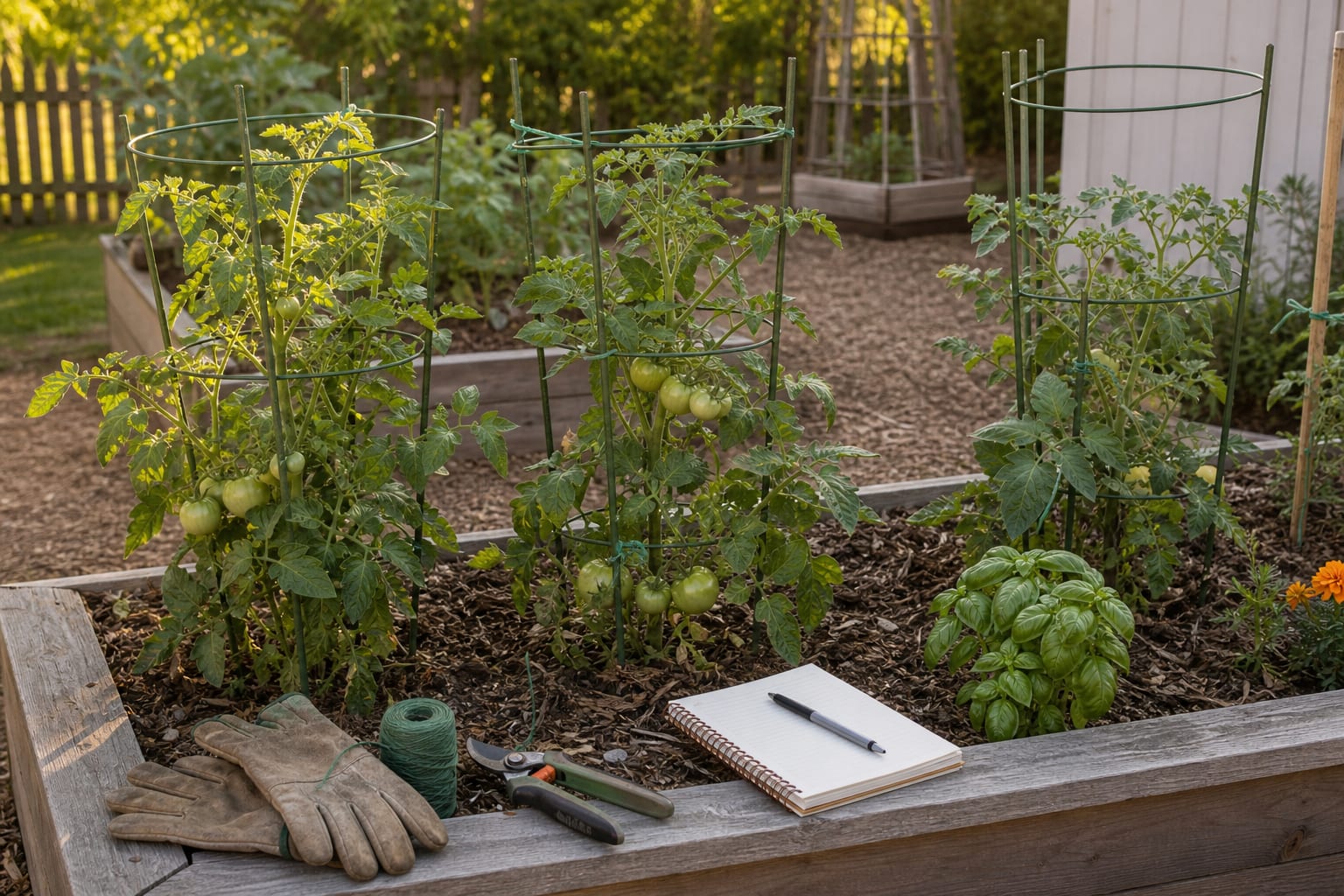
Tomato plants have a way of looking manageable right up until they do not. One week they are tidy little starts with plenty of room around them. A few warm rains later, they are leaning into the path, hiding green fruit, dragging leaves in the mulch, and making you wonder whether you missed the proper tomato-support window.
The beginner answer is not to panic-prune the whole plant or build a complicated trellis system in July. The answer is to give the plant steady support, tie gently, clean up only what needs cleaning, and learn the lesson before next season: tomato supports work best before the plant looks like it needs them.
The tomato plant that taught me about timing
There is a funny kind of confidence that comes with a small tomato transplant. It looks so harmless. You can tuck it into a bed, water it in, and tell yourself there will be plenty of time to deal with support later. That is the kind of thought that sounds reasonable in spring and expensive in July.
The lesson for me was not just about tomatoes. It was about the way homestead work rewards boring preparation. A tomato cage is not exciting when the plant is twelve inches tall. It can even feel like overkill. But when fruit gets heavy and a storm rolls through, that boring early support suddenly looks like wisdom.
That is the part I like about this job. Supporting tomatoes is one of those small garden tasks that quietly teaches sequencing. You are not trying to make the garden look fancy. You are making sure the plant can keep doing its ordinary work without collapsing under its own progress.
Why tomatoes need support
Tomatoes are heavy, sprawling plants, especially vining or indeterminate types. University of Minnesota Extension notes that vining tomatoes need cages, stakes, or trellises, and that supports are best installed at planting time. That is the core idea: the support is not decoration. It is part of how the plant grows well in a managed garden.
Support helps keep fruit easier to see, reduces branches lying on wet soil, improves access for watering and harvest, and makes the plant less likely to split or flop after wind, rain, or heavy fruit set. It also makes the whole bed easier to work around. A tomato sprawled across a path is not only a plant issue. It becomes a watering, weeding, harvesting, and stepping-over issue.
Gardening hub
Keep the first garden practical.
The gardening hub keeps the big first-season decisions together: layout, watering, mulch, support, harvesting, and cleanup without turning the bed into a full-time job.
Open beginner gardening guidesTomato cages, stakes, or trellis?
For beginners, tomato cages are usually the easiest first support because they hold the plant from more than one side. Stakes can work well, especially in tighter spaces, but they ask more from you. You have to tie the plant as it grows, check those ties, and decide which stems to train. Trellises can be strong and tidy, but they are more of a system than a quick fix.
The best choice depends on the plant, the bed, and how much attention you can realistically give it. A compact determinate tomato may be fine with a sturdy cage. A vigorous indeterminate variety may outgrow a flimsy cage and need stronger staking or a taller support. A container tomato needs support that fits the pot without tipping the whole setup.
What I would buy first
If you have a few tomato plants and no support yet, I would buy or borrow sturdy cages first. Not decorative cages. Not the smallest ones you can find because they look less intrusive. Sturdy cages that will still be useful when the plant is full, leafy, and carrying fruit.
The second purchase, if you need one, is soft plant ties. That can be garden tape, soft reusable ties, strips of cloth, or another gentle material that will not cut into the stem. Wire, tight zip ties, and rough knots can damage stems as they thicken and move in wind.
Pruners are useful if you already need to remove broken branches, low leaves, or damaged growth. But do not turn tomato support into a shopping spiral. A sturdy support and gentle ties matter more than a pile of specialty clips.
Recommendations
Support supplies that earn their place
Buy before the plant needs it
Sturdy tomato cages
A stronger cage is the easiest support for most beginner tomato plants because it holds the plant without constant tying.
Best for: A few tomato plants in raised beds or large containers
Check current priceGentle support
Soft plant ties
Soft ties help attach stems to cages or stakes without cutting into growing tomato stems.
Best for: Leaning stems, stake training, and midseason support fixes
Check current priceOnly if needed
Bypass hand pruners
A clean pair of bypass pruners is useful for broken branches, low growth, and careful midsummer cleanup.
Best for: Gardeners who are still pinching and tearing stems by hand
Check current priceHow to support a small tomato plant
The easiest time to support a tomato is when the plant is small enough that you feel a little silly doing it. That is the moment when you can slide a cage around the plant without breaking branches, push stakes into soil without chopping through a large root system, and set the final footprint before nearby crops fill in.
How to fix a tomato plant that is already leaning
If the tomato is already leaning, slow down. A heavy tomato plant is easy to snap when you try to make it stand straight all at once. First, look for the main stem, broken branches, fruit clusters, and where the plant is naturally trying to go. Then decide whether a cage, a stake, or a temporary backup support will help most.
Lift in stages. Support the heaviest branch first. Tie loosely. If a branch has been lying on the ground for a while, it may not need to become perfectly vertical. It may only need to be lifted enough to keep fruit off wet soil and give you access to water, mulch, and harvest.
How tight should tomato ties be?
Tomato ties should be loose enough that the stem can thicken and move. Think support, not restraint. The tie should keep the stem from falling away from the cage or stake, but it should not pinch, scrape, or leave the plant hanging from one hard point.
Check ties after rain, growth spurts, and heavy fruit set. A tie that looked fine two weeks ago can become tight later. This is one reason soft ties are worth having around. They make it easier to adjust the plant without turning every check into a delicate surgery.
What to prune and what to leave
Pruning tomatoes can become a whole debate, but a beginner support fix needs a simpler filter. Remove what is broken. Remove growth that is dragging through wet soil. Remove leaves that are clearly diseased or making the base of the plant impossible to inspect. Then pause.
Do not strip the plant just because it got messy. Leaves feed the plant and shade fruit. Heavy pruning during hot weather or after a stressful support rescue can create new problems. The goal is airflow, access, and damage control, not turning the tomato into a bare stem because a video made it look tidy.
Support and watering work together
A supported tomato is easier to water well. You can reach the soil without soaking the entire plant. You can see whether mulch is too close to the stem. You can spot dry corners, broken branches, and fruit before it disappears under leaves.
This is why tomato support belongs with the rest of the beginner garden system. Layout, mulch, watering, support, and weekly observation all reinforce each other. If one part gets ignored, the others start carrying extra weight.
What can wait
You do not need a permanent tomato tunnel, a full trellis wall, specialty clips in five sizes, or a pruning system that requires a spreadsheet. Those may fit a larger garden later. For a first or second season, the win is simpler: a tomato plant that stays reachable, upright enough, watered at the soil, and easy to harvest.
If the current season is already messy, make the smallest fix that protects the plant and teaches the lesson. Add the cage. Tie the heavy branch. Clean up the broken growth. Write down what you wish you had installed at planting. That note may be more valuable than any gadget you buy today.
Next step
Keep the summer garden from turning into a tangle.
If your tomatoes need support, the rest of the bed may need a quick reset too. Use the messy-garden recovery guide to decide what to fix first and what can wait.
Read the messy garden guideFrequently asked questions
When should I support tomato plants?
The best time is at planting or while the plant is still small. If the plant is already large, support it slowly and gently instead of forcing every stem upright at once.
Are tomato cages or stakes better for beginners?
Cages are usually easier for beginners because they support the plant with less tying and pruning. Stakes can work well, but they require more attention, soft ties, and regular training as the tomato grows.
Can I support a tomato plant after it has already fallen over?
Often yes, if the main stem is not broken. Lift the plant gradually, add a cage, stake, or backup support, tie loosely, and avoid snapping heavy branches while trying to make the plant look perfect.
Should I prune tomato plants when adding support?
Remove broken, diseased, or soil-dragging growth first. Avoid heavy panic pruning if the plant is already stressed. Support the plant, improve airflow, and make smaller pruning decisions over time.
Recommendations
Useful tools and resources for this decision
These are included only where they reduce repeated friction, clarify a next step, or help you avoid buying the wrong thing first.
Easiest first support
Sturdy tomato cages
A good cage gives beginner tomato plants a defined footprint and support before branches get heavy with fruit.
Best for: Beginners growing a few tomato plants in beds or large containers
Check current priceGentle fix
Soft plant ties or garden tape
Soft ties hold stems to cages or stakes without cutting into tender tomato growth as the plant moves and thickens.
Best for: Training tomatoes without using wire, zip ties, or rough string against stems
Check current priceUseful if you already need pruning
Bypass hand pruners
A clean pair of bypass pruners helps remove broken or soil-dragging tomato growth without tearing stems by hand.
Best for: Cleaning up damaged branches, low leaves, and small sucker decisions
Check current priceExtension source
University of Minnesota Extension tomato guide
Extension guidance on growing tomatoes, including using cages, stakes, or trellises to support vining tomato plants.
Best for: Checking the basic horticulture guidance behind the practical steps
View resourceRecommended next reads
Read next if it helps the decision
Move into the next guide only if it clarifies the next practical step.
Gardening
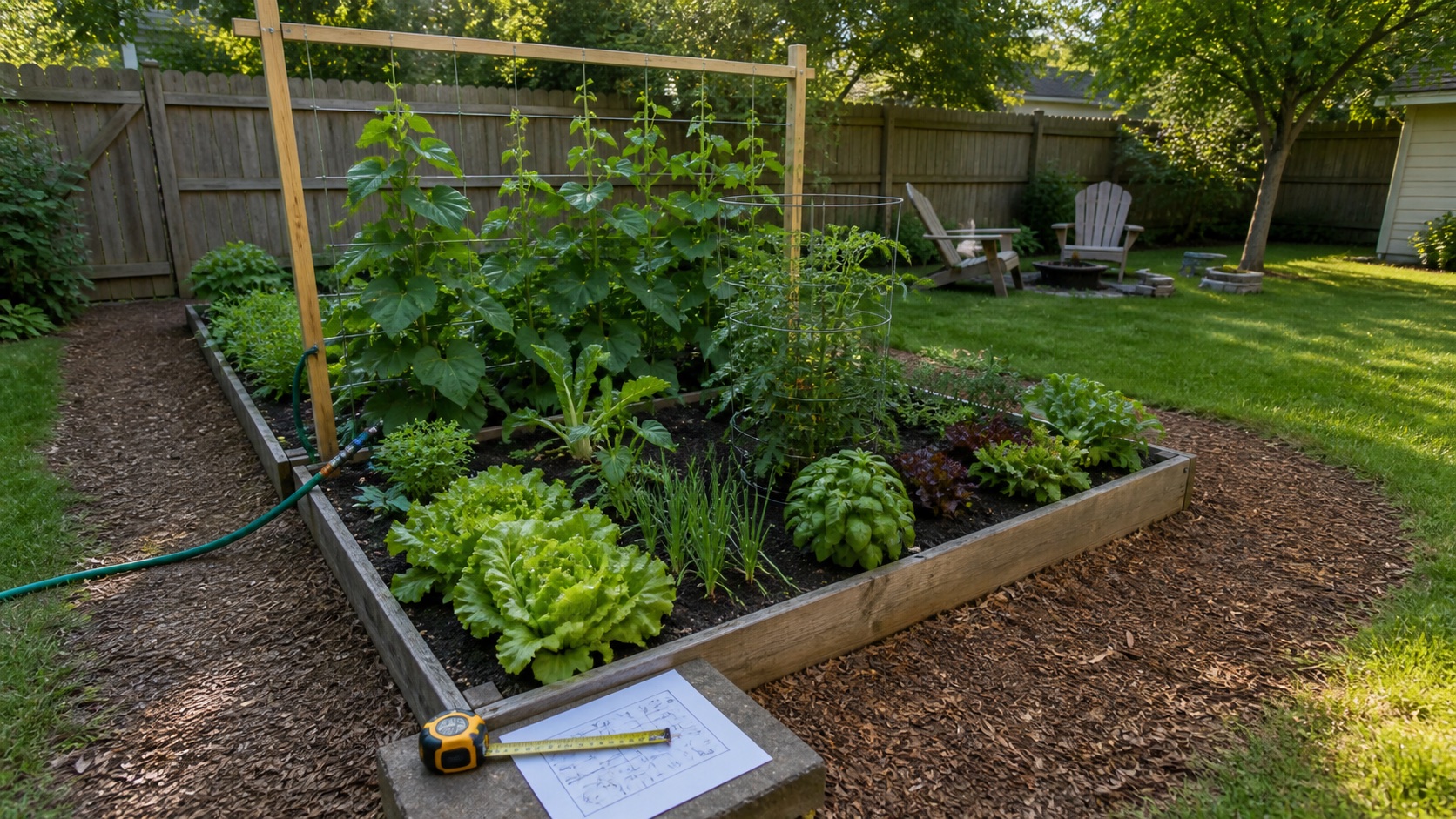
Small Vegetable Garden Layout for Beginners
A practical small vegetable garden layout for beginners, including bed width, paths, sun, water, tall crops, crop zones, and what not to squeeze into the first season.
Gardening
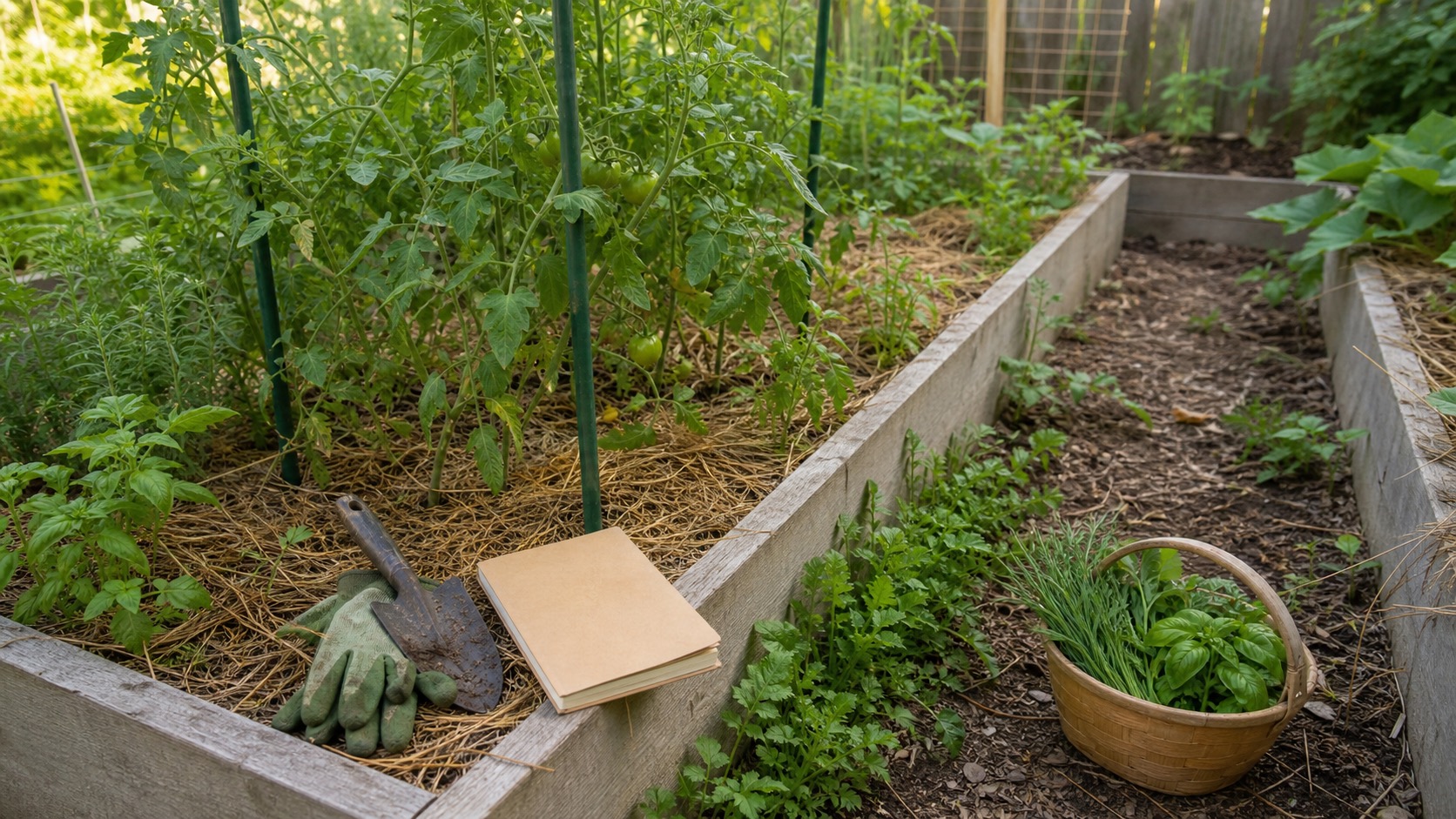
What to Do When Your First Garden Starts Looking Messy
A calm beginner guide for the moment your first vegetable garden starts looking messy: what to fix first, what to ignore, and how to recover without starting over.
Tools
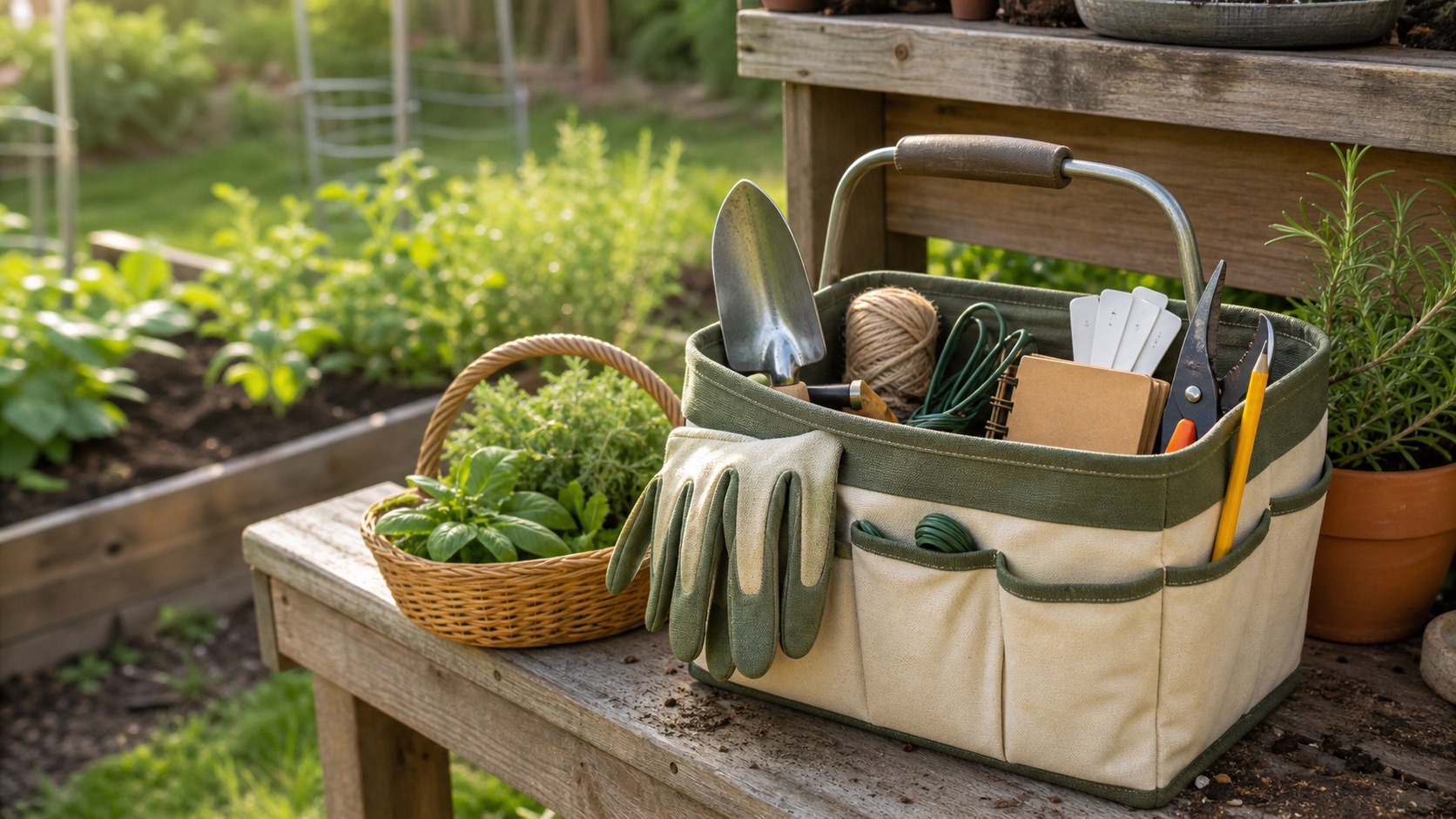
What to Keep in a Beginner Garden Tool Caddy
A practical beginner garden tool caddy setup: what to keep handy, what can wait, how to stop losing tools, and which small buys actually help.
Garden gear support
Get the buy-first guide before the first garden collects too much gear.
Use the guide to decide which early garden purchases earn money now, which ones can be borrowed, and which ones can wait until the routine proves itself.
Best for: Beginners who keep seeing useful things online and need a disciplined way to decide what actually earns a place.
- A buy now, borrow, wait, or skip framework
- Starter category shortlists
- A three-question purchase test
Garden planning notes, restrained gear decisions, and the guide first.
After signup, the download will unlock right here so you can save or print it.
About the author
William Mock
Founder, writer, and beginner homesteader
William writes from the beginner side of rebuilding after a layoff: homestead plans, family systems, budgets, tools, and the decisions that make a home feel less fragile.
Read why this site existsRelated Guides
Keep building context
Gardening
Small Vegetable Garden Layout for Beginners
A practical small vegetable garden layout for beginners, including bed width, paths, sun, water, tall crops, crop zones, and what not to squeeze into the first season.
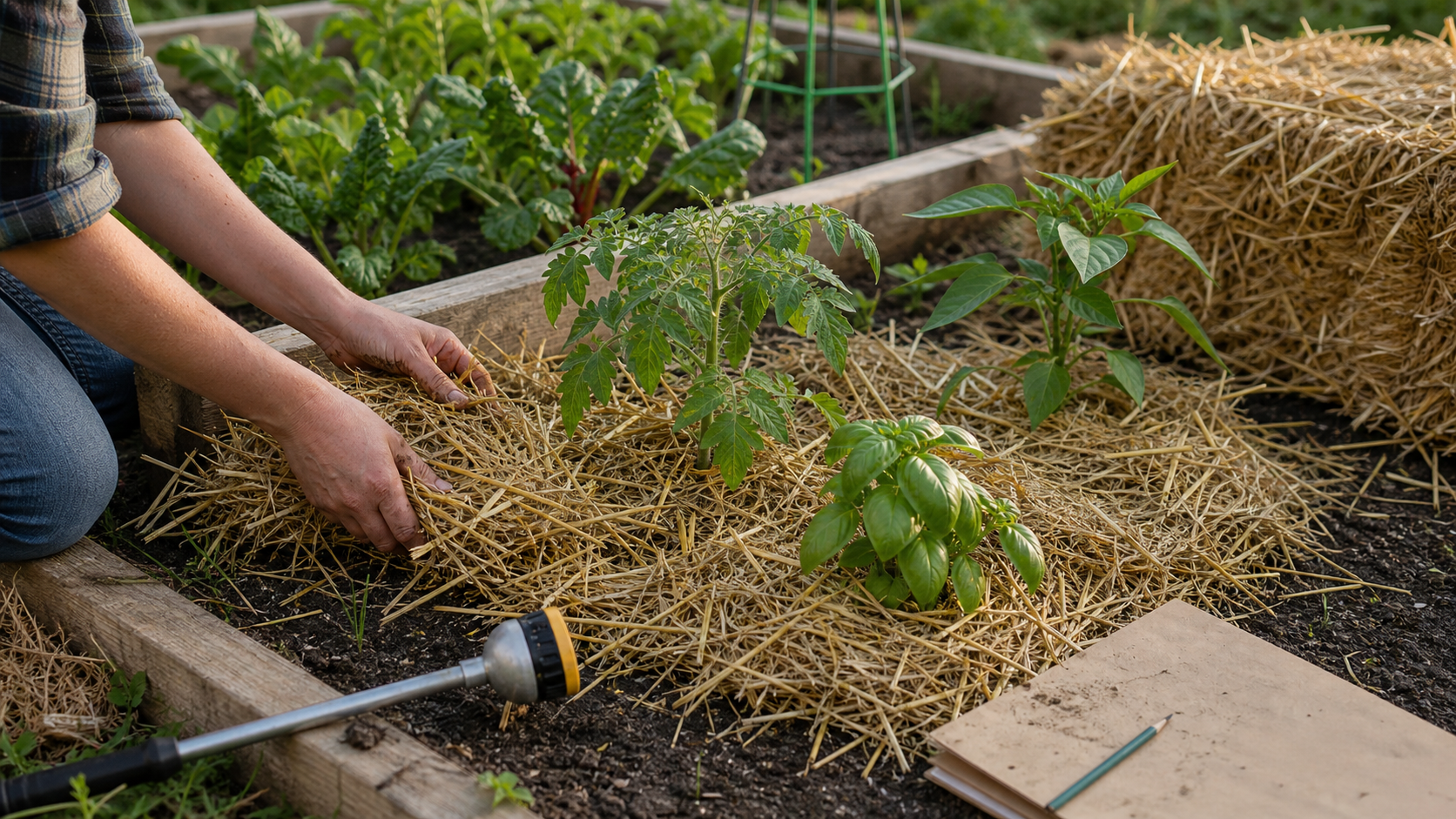
Gardening
How to Mulch a Beginner Vegetable Garden Without Overthinking It
A practical beginner guide to mulching a first vegetable garden: what mulch to use, how deep to apply it, what to keep away from stems, and what can wait.
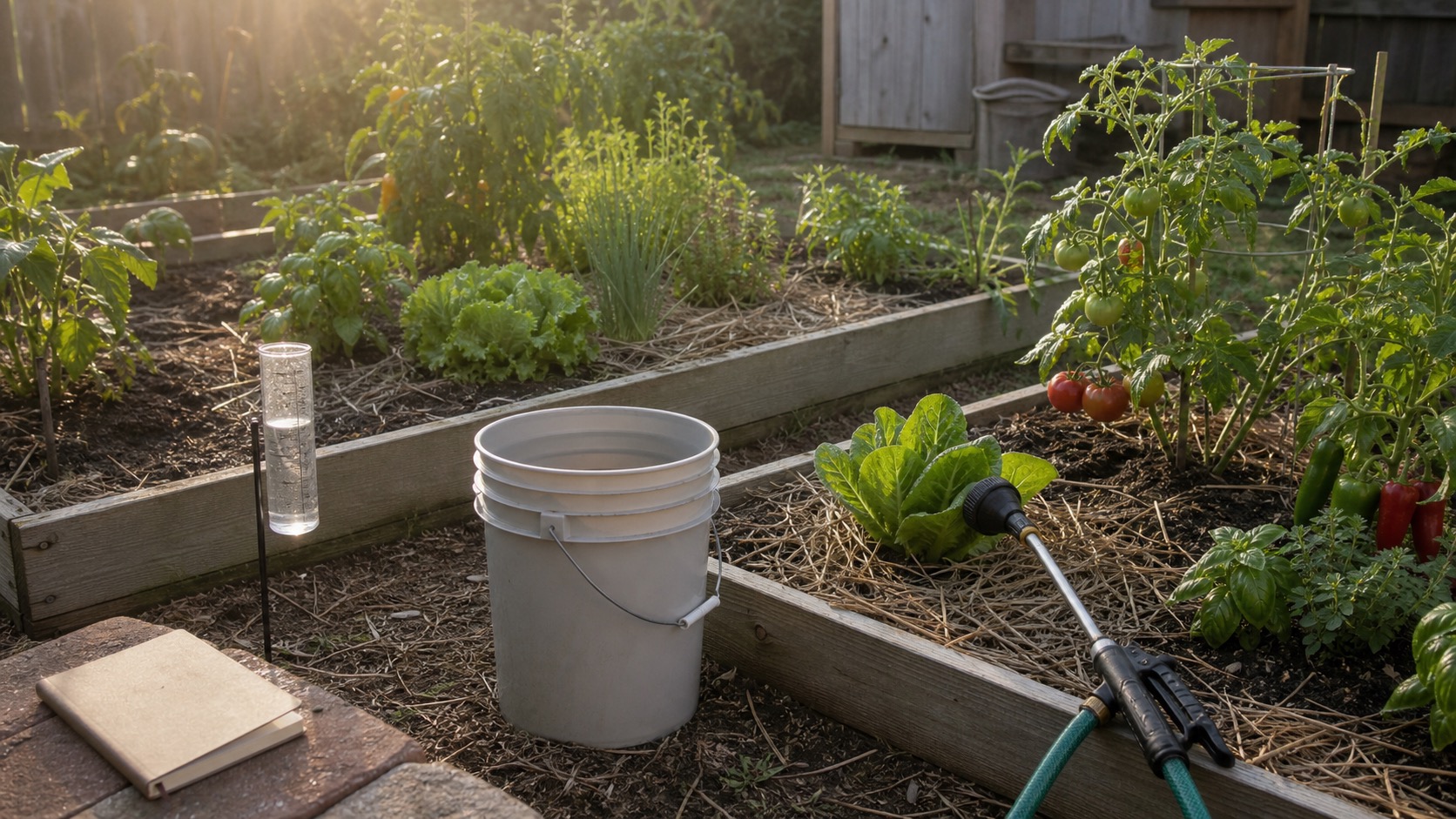
Gardening
How to Water a Beginner Vegetable Garden Without Guessing
A practical beginner watering guide for small vegetable gardens: how much water plants need, how to check soil moisture, when to water, and what to stop doing.