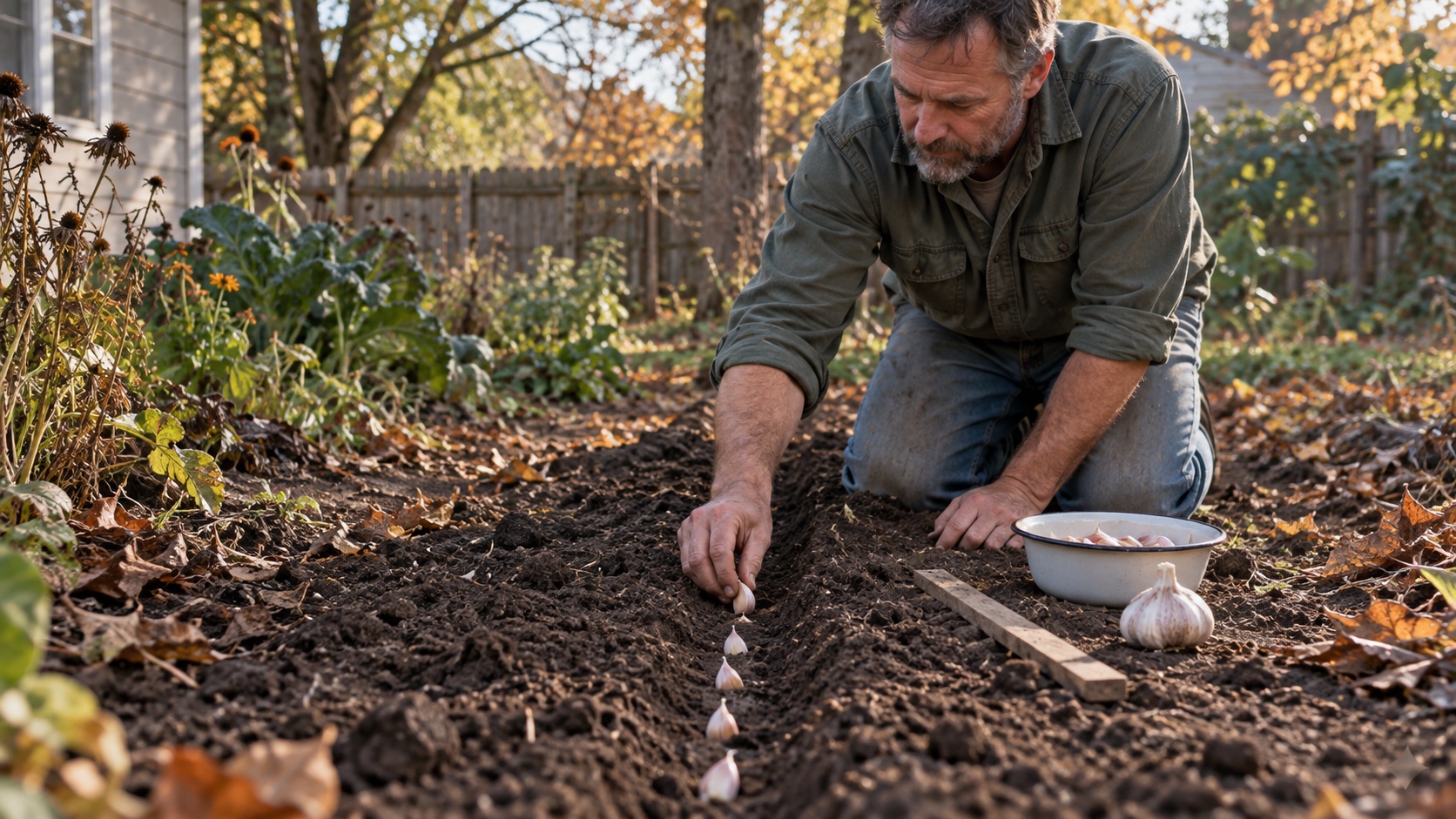
The best time to plant garlic in fall is after hot weather has passed but before the ground freezes solid. You want the cloves to begin making roots without pushing a large stand of tender leaves into winter. That usually puts planting in October or November across much of the colder United States, but your local Extension calendar is more useful than any date printed for the whole country.
The garden bed that starts while everything else is ending
When I first learned where garlic belonged on the calendar, the timing felt backward. Fall had always looked like the season for pulling dead plants, coiling hoses, and admitting which summer projects were not getting finished. Planting something then felt like adding one more job after the garden had already asked enough of us.
That reaction made sense after the layoff. I wanted fresh-start work to be visible. A completed fence, a full pantry shelf, or a green tray of seedlings could prove the day had moved forward. A clove under brown soil offered none of that. It asked me to do a small job correctly, cover it, and trust that quiet preparation still counted.
Garlic became a useful correction to that thinking. Not every homestead project needs to produce an immediate before-and-after picture. A narrow bed planted on time can sit through winter while the family turns its attention elsewhere. That is the kind of system I want more of: one that rewards timing and restraint rather than constant attention.
Keep the first garden manageable
Choose the bed before you choose more crops
Use the first homestead garden guide to settle sun, water access, bed size, and family capacity before another promising packet joins the plan.
Plan your first gardenUse your local freeze pattern, not a national planting date
Garlic needs time to begin rooting before deep winter, but planting too early can produce more leaves than you want exposed to cold. Penn State Extension places planting around mid- to late October in Pennsylvania. Oregon State Extension gives a broader September-to-mid-November window for Oregon. Those are not conflicting instructions. They describe different climates.
Treat the date as a window, not an appointment. If the first Saturday is pouring rain, the crop is usually better served by waiting for workable soil than by packing cloves into mud. If you live where the ground rarely freezes, local advice may place planting later or manage the crop differently. A search for your state university Extension and the words garlic planting is worth five minutes.
Two different fall jobs
Do not confuse garlic timing with a fall vegetable garden
Leafy greens and roots are usually started much earlier so they can size up before light and heat fade. The fall-garden timing guide explains that separate calendar.
See the fall garden timelineChoose garlic that belongs in your climate
Garlic is commonly grouped into hardneck and softneck types. Hardneck varieties are generally better suited to colder winters and produce a flower stalk called a scape. Softneck varieties are generally associated with milder climates, longer storage, and the flexible stems used for braiding. There are exceptions and variety differences inside both groups, so local performance matters more than choosing from a national popularity list.
For a first planting, I would rather buy one or two proven local varieties than a sampler chosen for unusual names. A local nursery, garlic grower, or reputable seed supplier can tell you what handles your winters. That conversation is worth more than a picture of a huge bulb grown somewhere with a different season.
Start with clean planting stock, not the kitchen bulb
Each planted clove becomes one new bulb, which makes the quality of the starting bulb important. Choose firm, healthy bulbs from a reputable source. Leave the bulbs whole until close to planting time, then separate the cloves gently and keep their papery skins intact. Plant the largest sound cloves and use undersized or damaged ones in the kitchen.
This is not a claim that every grocery bulb is diseased. It is a risk decision. Saving a few dollars on the first bulb is not a good trade if the possible cost is introducing a persistent allium disease to the garden. Disease-free stock is the boring purchase that protects future onion and garlic beds.
Pick a bed that will not hold winter water
Garlic wants full sun and well-drained soil. The drainage requirement is not decorative gardening language. Penn State notes that poor drainage encourages bulb disease, and the cloves will spend months in that ground before harvest. A low bed that holds water after fall rain is not improved by adding more cloves or fertilizer.
If you are unsure about fertility or pH, use a soil test rather than copying a fertilizer rate from a commercial garlic guide. A home bed and a production field are not the same calculation. Amend from the test, keep fresh manure out of the planting furrow, and avoid turning the bed into a recipe of products before you know what the soil needs.
How to plant garlic in fall, step by step
Orientation matters because the clove's roots emerge from the flat basal plate and the shoot grows from the point. A sideways clove may still grow, but planting point-up gives it the direct route and produces a more orderly bulb. This is one of the few moments where slowing down for each clove is worth it.
A small bed is enough for the first year
Suppose you clear a strip about 3 feet wide and 6 feet long. Three rows about a foot apart, with cloves roughly 6 inches apart inside each row, will hold around 30 cloves after leaving reasonable margins. That is not a commercial crop. It is enough to practice planting, spring weeding, scape removal if you grow hardneck garlic, harvest timing, curing, and kitchen use without letting one crop own the garden.
The arithmetic also keeps the seed order honest. Thirty plantable cloves might come from only a handful of good bulbs, depending on the variety. Count usable cloves, not catalog photos, and remember that every clove occupies the bed until the following summer. Garlic is low-attention, but it is not zero-space.
Mulch is a climate tool, not a decoration
In cold-winter regions, Extension guides commonly recommend loose straw or leaf mulch after planting. Mulch can reduce frost heaving, moderate soil moisture, and slow spring weeds. Penn State's production guidance describes a 2- to 4-inch straw layer, while home-garden recommendations may be lighter. Follow local advice because rainfall, winter temperature, soil texture, and the tendency of a material to mat all change the result.
Clean straw or loose shredded leaves are easier to manage than a dense mat of whole wet leaves. Do not pile mulch so heavily that the bed stays soggy. Check it when growth begins in spring and loosen anything that has packed into a crust. The goal is a protected bed, not a sealed one.
What happens after winter
Green shoots emerge as conditions warm. Keep weeds from competing with the crop, water during dry periods without saturating the soil, and watch for plants that yellow or collapse in a way their neighbors do not. Do not compost plants you suspect are diseased; bag or dispose of them according to local Extension guidance and ask for help identifying the cause.
Hardneck varieties produce scapes. Cutting them after they curl is a common practice that sends more energy toward the bulb, and the scapes are edible. Bulbs are generally ready when several lower leaves have browned while upper leaves remain green, but harvest timing deserves its own local check. Dig a test bulb rather than pulling the whole bed because calendar dates and varieties differ.
Beginner garlic mistakes that can cost a season
What matters first and what can wait
The first garlic bed does not need to prove that you are serious about homesteading. It needs to teach you what your soil does over winter, which variety handles your climate, how much garlic your kitchen actually uses, and whether you can keep one crop weeded until summer. Those answers are worth more than planting the maximum number of cloves.
Save the rest of the garden
Store leftover seeds before fall cleanup scatters them
Garlic cloves belong in the ground, but dry vegetable seed packets need a labeled, cool, airtight home. Use the simple storage system before next spring's order.
Store leftover garden seedsPlant the row, then let it be quiet
Garlic fits the kind of homestead I am trying to build because it turns one careful fall afternoon into a crop that does not need to dominate every week. Choose the local window. Protect the bed from standing water and questionable planting stock. Put each clove in the right direction, mark the row, and stop expanding when the planned space is full.
Then let the bed look unfinished for a while. Some of the best preparation happens below the surface, without giving us daily proof that it is working. That is true of garlic, and it has been true of more of this fresh start than I expected.
Frequently asked questions
When should I plant garlic in the fall?
Plant garlic late enough that it does not make a large amount of top growth, but early enough for roots to begin establishing before the ground freezes. That often means October or November in colder regions, but the right window changes by climate. Use your local Extension planting calendar and normal ground-freeze timing rather than a national date.
How deep and how far apart should garlic cloves be planted?
A practical beginner range is about 1 to 2 inches deep and 4 to 6 inches between cloves, with the pointed end up. Row spacing varies with the bed and cultivation method; many home-garden guides use roughly 12 inches. Follow local Extension or supplier guidance when it differs because climate, soil, and variety affect the best setup.
Can I plant garlic from the grocery store?
It may sprout, but grocery garlic is a poor default for a new bed. It may be poorly adapted to your climate, may have been treated to delay sprouting, and can carry disease without obvious symptoms. Start with healthy, locally adapted, disease-free planting stock from a reputable nursery, grower, or seed supplier.
Should a beginner plant hardneck or softneck garlic?
Hardneck garlic is generally the safer starting point in colder winters and produces edible scapes. Softneck garlic generally stores longer and is the type commonly braided. Climate matters more than the label alone, so ask a local grower, nursery, or Extension office which types perform reliably where you live.
Should I mulch garlic after planting?
Many cold-climate garden guides recommend a light layer of clean straw or loose leaf mulch to reduce frost heaving, moderate soil moisture, and suppress weeds. Use material that is not matted or diseased, and check local guidance because very wet climates and poorly drained beds need different moisture management.
What if garlic sprouts before winter?
A small amount of fall growth does not automatically ruin the crop. Keep the bed evenly mulched where local guidance recommends it and avoid trying to force more growth with fertilizer. If shoots become substantial or winter conditions are unusual, ask your local Extension office what is normal for your region.
Recommendations
Useful tools and resources for this decision
These are included only where they reduce repeated friction, clarify a next step, or help you avoid buying the wrong thing first.
Read the garlic guide
Penn State Extension garlic growing guide
A practical home-garden reference for choosing garlic types, fall planting, depth, spacing, mulch, spring care, and harvest.
Best for: Checking the full planting-to-harvest sequence in a cold-winter region
View resourceRead the production guide
Penn State Extension garlic production guide
A deeper reference covering fall root establishment, planting depth, spacing, drainage, and the practical role of straw mulch.
Best for: Understanding why timing, drainage, and winter bed management matter
View resourceReview white rot prevention
University of Maryland Extension white rot guidance
A research-backed explanation of why disease-free garlic stock matters and why symptomless grocery bulbs can introduce a long-lived allium disease.
Best for: Understanding the planting-stock decision before garlic enters a clean garden bed
View resourceRead the regional guide
Oregon State Extension fall garlic guide
A regional guide showing why garlic dates vary across the country while the needs for healthy cloves, sun, drainage, and correct orientation stay consistent.
Best for: Comparing fall timing in a milder growing region
View resourceRecommended next reads
Read next if it helps the decision
Move into the next guide only if it clarifies the next practical step.
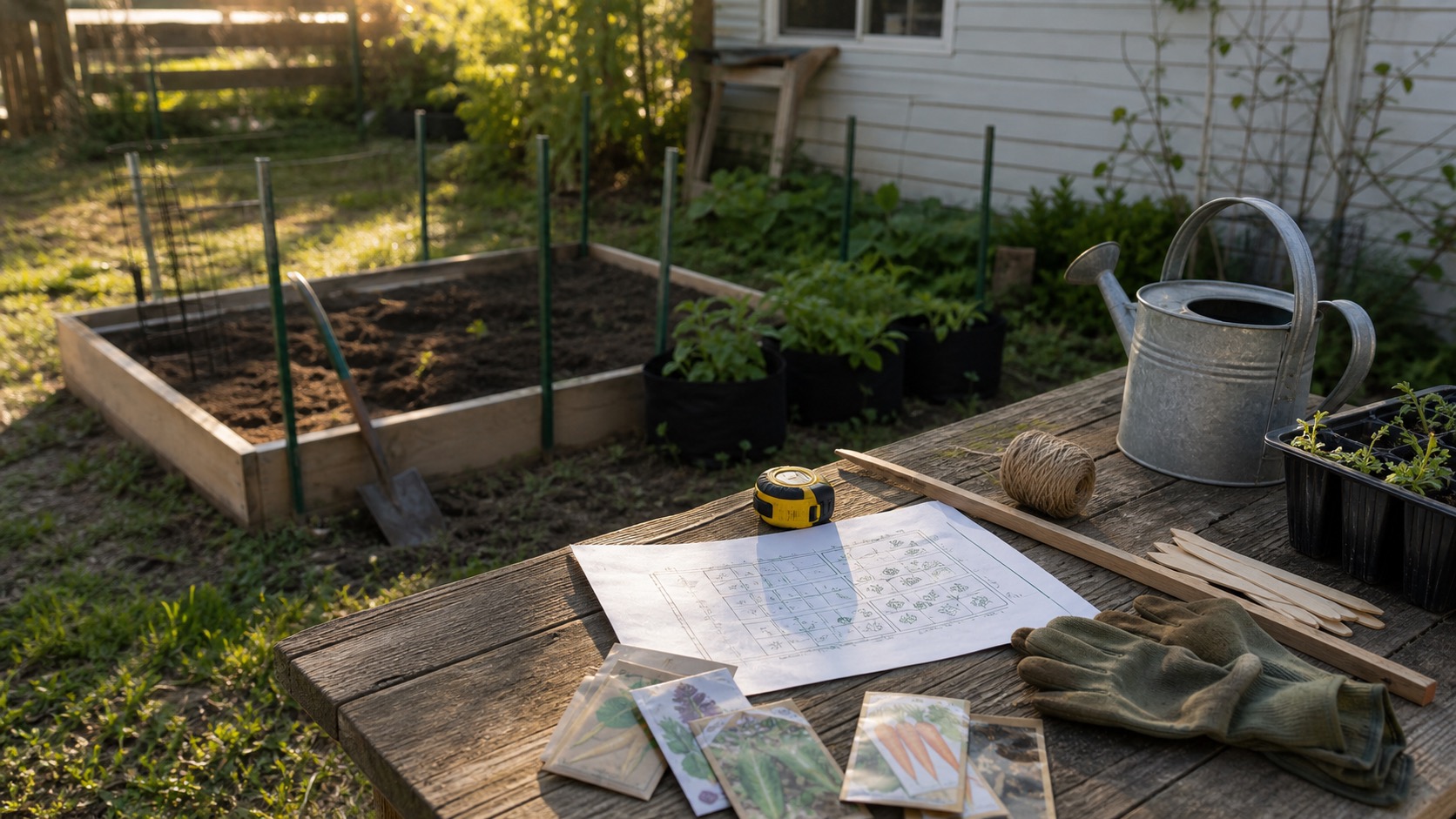
Gardening
How to Plan Your First Homestead Garden Without Doing Too Much
A successful first garden is smaller, clearer, and less romantic than many beginners expect. That is a good thing.
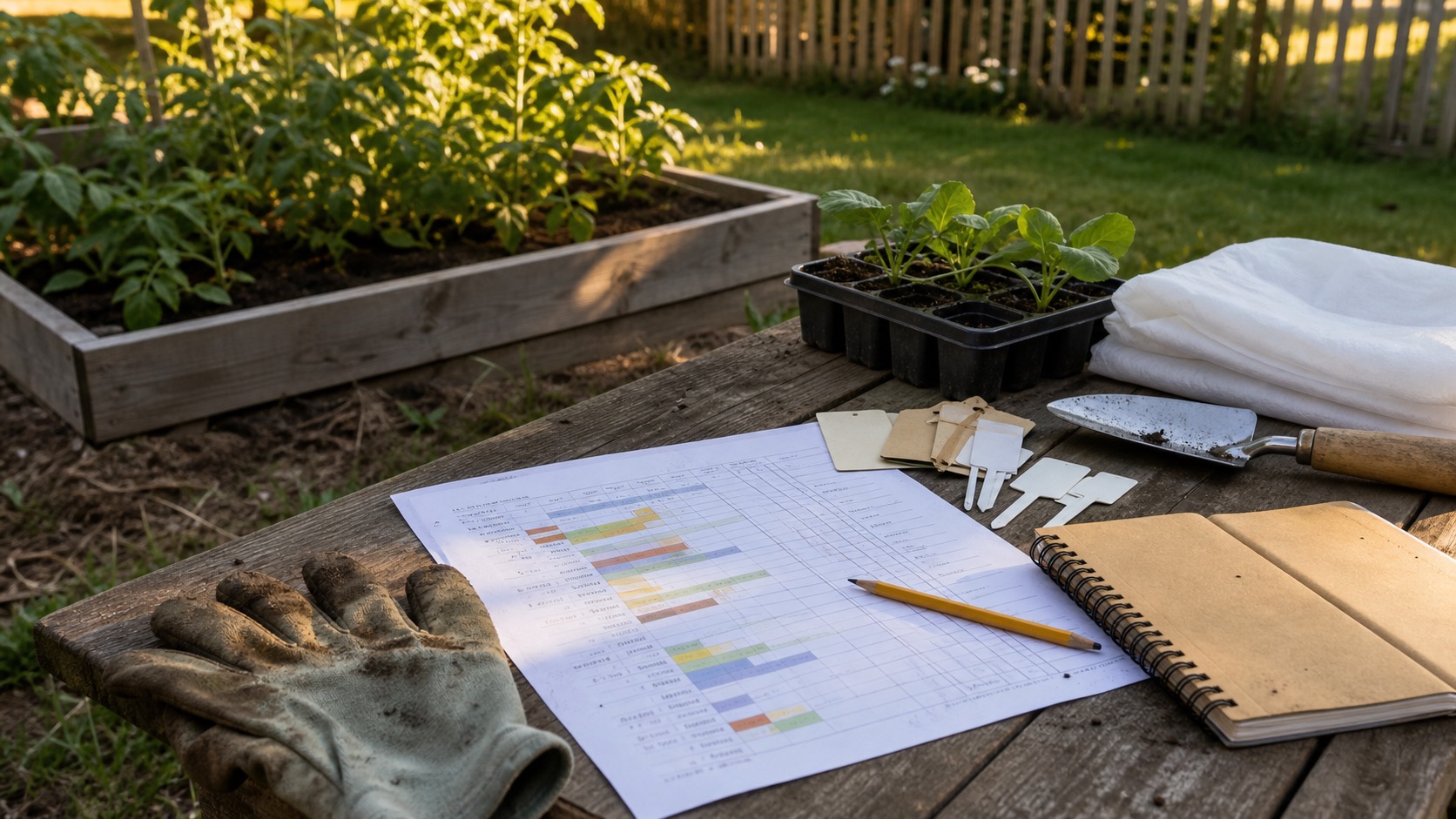
Gardening
When to Start a Fall Garden for Beginners
A practical fall garden timing guide for beginners: how to work backward from first frost, choose cool-season crops, and plant a small second season without guessing.
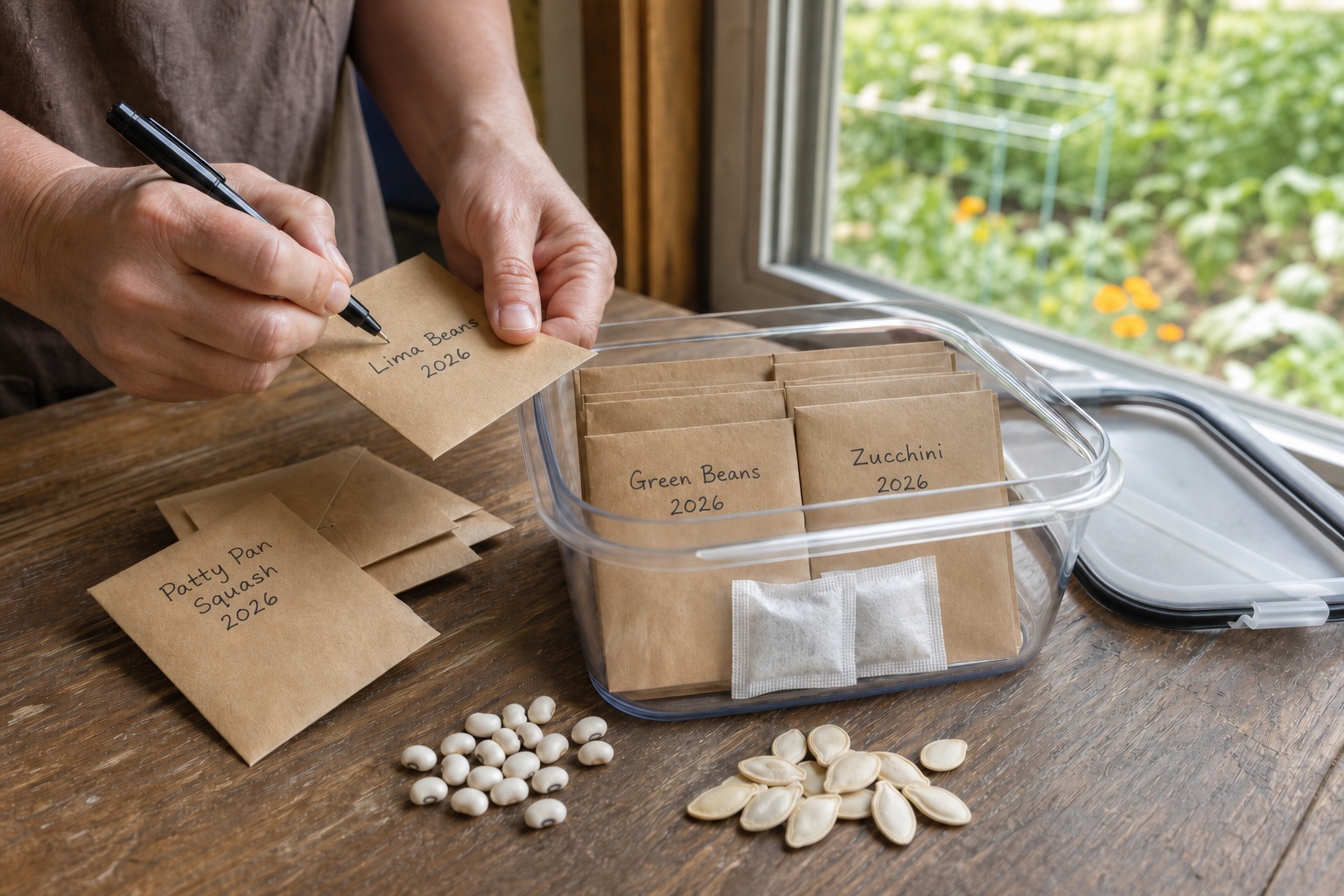
Gardening
How to Store Leftover Garden Seeds Until Next Year
Leftover garden seeds can stay useful for years when they are dry, labeled, sealed, and kept cool. Here is a simple storage system and a germination test for spring.
Garden gear support
Get the buy-first guide before the first garden collects too much gear.
Use the guide to decide which early garden purchases earn money now, which ones can be borrowed, and which ones can wait until the routine proves itself.
Best for: Beginners who keep seeing useful things online and need a disciplined way to decide what actually earns a place.
- A buy now, borrow, wait, or skip framework
- Starter category shortlists
- A three-question purchase test
Garden planning notes, restrained gear decisions, and the guide first.
After signup, the download will unlock right here so you can save or print it.
About the author
William Mock
Founder, writer, and beginner homesteader
William writes from the beginner side of rebuilding after a layoff: homestead plans, family systems, budgets, tools, and the decisions that make a home feel less fragile.
Read why this site existsRelated Guides
Keep building context
Systems
Fall Homestead Checklist for Beginners: What to Finish Before Cold Weather
A practical fall homestead checklist for sorting safety, animals, garden harvests, water, tools, food storage, and unfinished projects before cold weather arrives.

Gardening
What to Plant First in a Beginner Homestead Garden
A practical crop-selection guide for first gardens: what to plant first, what to skip for now, and how to choose crops that teach useful skills without overwhelming the week.
Gardening
How to Mulch a Beginner Vegetable Garden Without Overthinking It
A practical beginner guide to mulching a first vegetable garden: what mulch to use, how deep to apply it, what to keep away from stems, and what can wait.