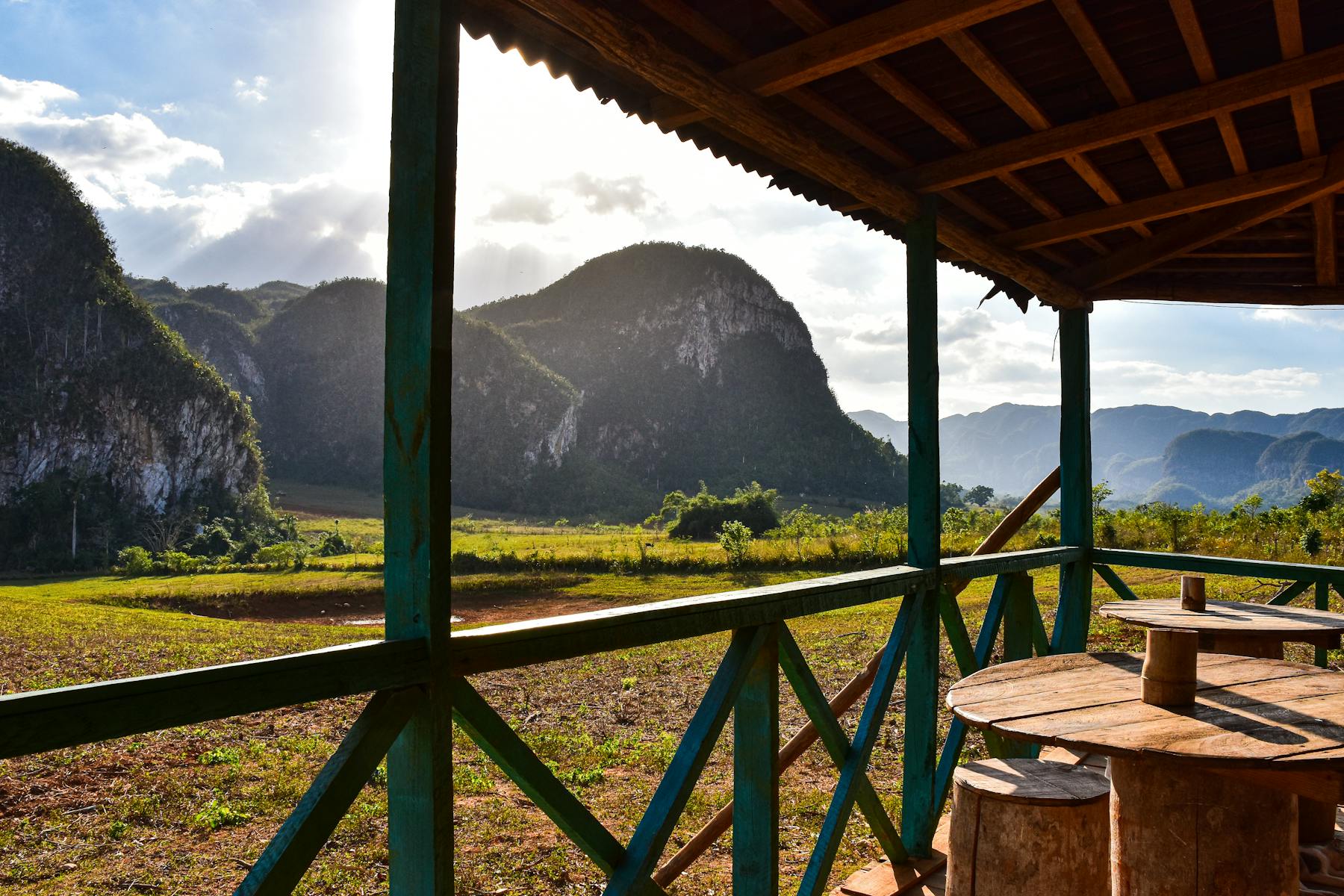
I used to think a simpler life would mostly feel like relief. In reality, it feels more like honesty. You start seeing which habits, purchases, commitments, and rhythms are actually helping your home hold together and which ones are just noise.
Simplicity is more structured than it looks
A calmer life usually rests on clearer budgets, repeatable meals, fewer tools, cleaner storage, better weekly resets, and a stronger sense of what not to say yes to.
What a simpler life is not
The part that surprised me is how often simplicity feels like saying no before it feels like relief. No to purchases that create clutter. No to plans that sound impressive but destabilize the week. No to the idea that calm should already exist before we have built the systems that make it possible.
What I wish I had understood earlier
Where people confuse image for simplicity
A simpler life is not anti-effort. It is anti-friction. It tries to remove the avoidable chaos that keeps the important work from feeling steady. That is why budgeting, storage, meal planning, chore rhythm, and restraint matter so much more than they first appear to.
Make It Practical
Simplicity gets stronger when the weekly rhythm gets clearer.
If this article resonates, the weekly rhythm guide is the best next step into what simpler life looks like on an ordinary Tuesday.
Read the rhythm guideRecommended next reads
Build the practical systems next
These two guides move from philosophy into the decisions that make simplicity workable in real life.
Systems
How to Build a Calmer Weekly Homestead Rhythm
A workable weekly rhythm matters more than bursts of motivation. This is how to structure a steadier, lower-drama home system.
Budgeting
Homesteading on a Budget: What to Buy First and What Can Wait
If money is tight, the smartest homestead purchases are the ones that reduce friction quickly and keep you from rebuying the same lesson twice.
Homesteading
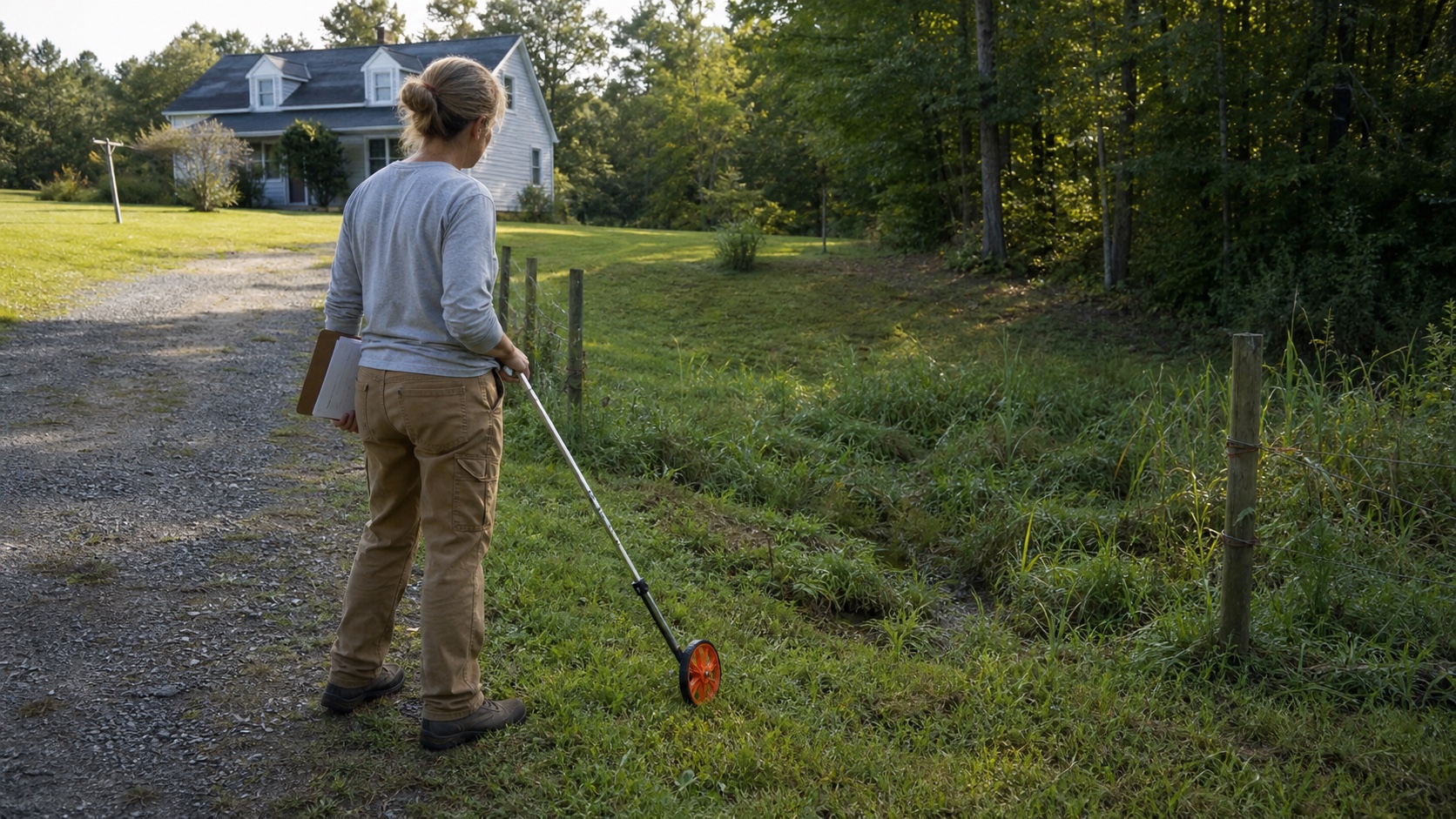
How Much Land Do You Need for a Homestead? A Beginner Reality Check
Choose homestead acreage by usable land, water, infrastructure, local rules, budget, and the projects your family can actually carry, not by a magic number.
Frequently asked questions
Does a simpler life mean doing less?
Not always. It often means doing fewer things badly and more important things with clearer systems, less clutter, and less internal friction.
Can you build a simpler life while money is tight or life feels unstable?
Yes. In those seasons, simplicity often starts with better routines, clearer priorities, less reactive spending, and stronger household systems rather than big lifestyle changes.
Recommended next reads
Read next if it helps the decision
Move into the next guide only if it clarifies the next practical step.
Systems
How to Build a Calmer Weekly Homestead Rhythm
A workable weekly rhythm matters more than bursts of motivation. This is how to structure a steadier, lower-drama home system.
Budgeting
Homesteading on a Budget: What to Buy First and What Can Wait
If money is tight, the smartest homestead purchases are the ones that reduce friction quickly and keep you from rebuying the same lesson twice.

Fresh Start
Why I’m Starting a Homestead After Being Laid Off
A layoff changed more than work. It changed what security meant, and why a slower, more grounded life started to feel worth building.
First-Step Support
Get the first-step checklist before the bigger idea turns into too many projects.
A practical worksheet for choosing one system, setting a first-stage budget, and narrowing the next move while the picture is still forming.
Best for: Beginners who need a first-season plan with limits, not more tabs or more gear.
- A first-season decision checklist
- A one-system starter plan
- A buy-now versus wait-later filter
Beginner-friendly notes, useful guides, and the checklist first.
After signup, the download will unlock right here so you can save or print it.
About the author
William Mock
Founder, writer, and beginner homesteader
William writes from the beginner side of rebuilding after a layoff: homestead plans, family systems, budgets, tools, and the decisions that make a home feel less fragile.
Read why this site existsRelated Guides
Keep building context
Fresh Start
Why I’m Starting a Homestead After Being Laid Off
A layoff changed more than work. It changed what security meant, and why a slower, more grounded life started to feel worth building.
Systems
How to Build a Calmer Weekly Homestead Rhythm
A workable weekly rhythm matters more than bursts of motivation. This is how to structure a steadier, lower-drama home system.
Homesteading
Our First-Year Homestead Priorities: What We’re Doing Now and Why
A first year goes better when priorities are chosen, not inherited. These are the systems and projects we are focusing on now and the reasons behind them.