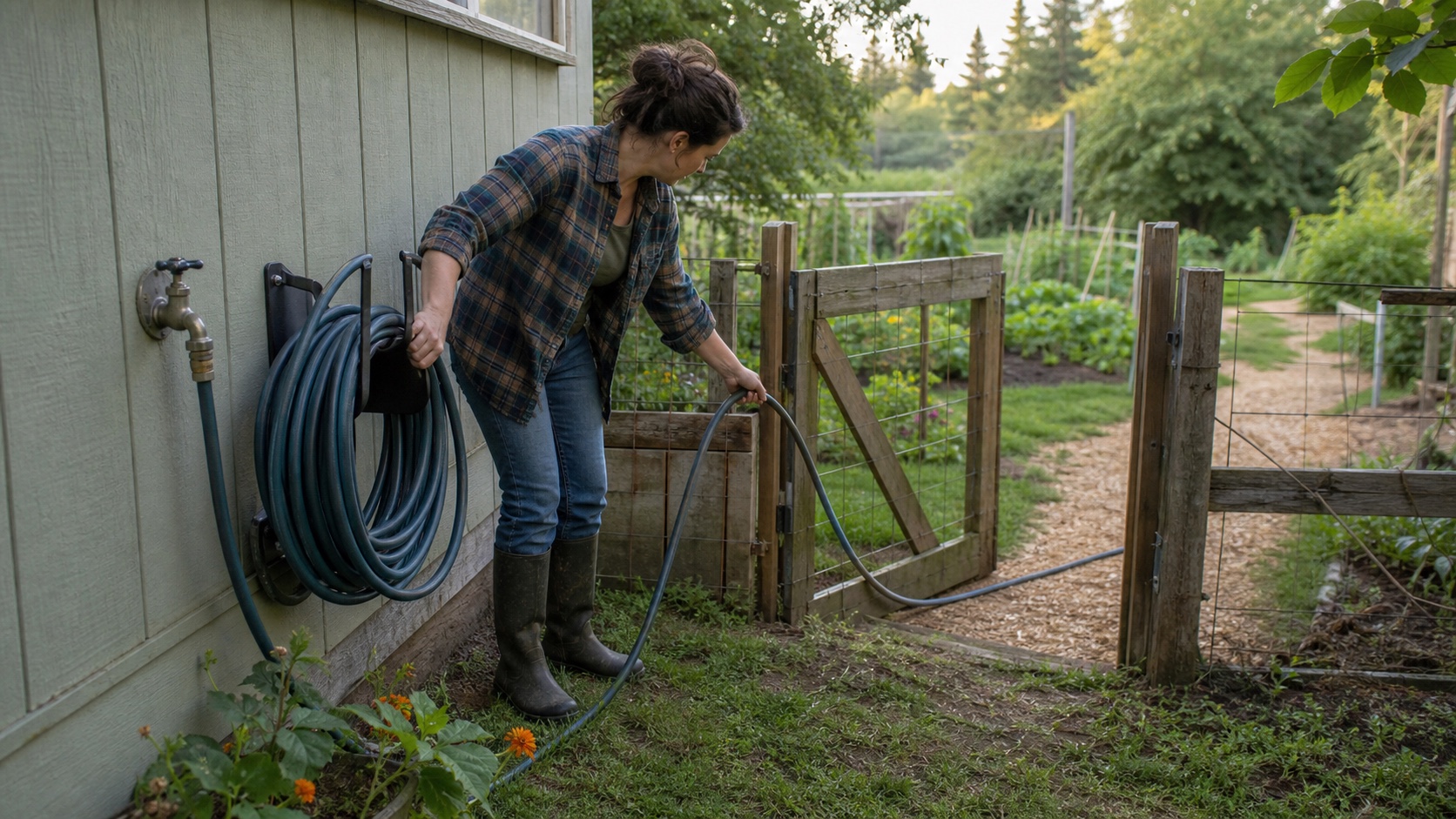
The best garden hose for most beginner homestead chores is a 5/8-inch hose that is only as long as the real route requires, has durable standard fittings, stays manageable when full of water, and can be drained and stored without becoming another loose project. For a typical 50-foot route, my best researched default is the Flexzilla 5/8-inch x 50-foot hose. Choose rubber for a heavier traditional work hose, premium polyurethane when documented materials and repairability matter most, and 3/4-inch only when the job proves it needs more flow.
Buy for work that already repeats
Use the same filter behind my practical tool list
Start with the job, prove the friction, and choose the simplest tool that removes it without creating a larger storage or maintenance problem.
See the tools I actually useThe hose that reached and still did not fit
When I first looked at the sunny strip in our yard as growing space, the hose question seemed like simple math. The spigot was here. The future bed was over there. Measure the distance and buy enough hose. That looked complete on paper.
Then I walked the ordinary route instead of the straight line. The gate still had to swing. The family still needed the path. The hose could not become a trip line every time something needed water. It needed to pass a corner without folding, reach the work without scraping every stem, and return to a place where the next person could find it. The extra feet that looked convenient in a product listing were going to live somewhere every day.
That changed the purchase from “How long a hose can I get?” to “What is the shortest route that works well?” The lesson has held up across tools: reach is only one part of fit. The gate, path, hands, storage, weather, and cleanup are part of the tool too.
Measure the route, not the property line
Do not measure a straight line through the yard unless the hose will actually travel there. Start at the hose connection, follow the building, go around beds and fences, pass through the gate on the side that lets it open, and end at the far edge of the repeated task. Include enough slack to work without pulling hard against the fitting. Do not add twenty-five feet simply because that is the next common size.
Purdue Extension emphasizes that hose routes affect both service life and safety. A hose stretched across a sidewalk or other high-traffic area can be damaged and can trip people. A longer hose does not solve a poor route. It only gives the poor route more material.
Why 5/8 inch is the useful default
Inside diameter affects flow, weight, and handling. A 5/8-inch hose is common because it offers a practical middle ground for hand watering, filling buckets and waterers, washing ordinary equipment, and feeding common sprinklers or garden attachments. The fittings on standard North American garden hoses are generally 3/4-inch garden-hose thread even when the hose inside diameter is 5/8 inch. Read the actual product specifications rather than matching by appearance.
Length also works against flow and handling. ELEY's current 5/8-inch hose specifications explain that pressure and flow decrease as the run becomes longer, although the attachment can have a larger effect in many household situations. The practical point is simpler than the math: do not carry, store, and pressurize twice the hose unless the route requires it.
Material decides how the hose feels every week
No material makes a hose kink-proof in every route. Tight turns, twists, pulling against a loop, driving over it, and storing it badly can defeat expensive construction. A good hose should reduce the fight, not excuse a route that abuses it.
Fittings are a small part with a large job
Inspect the female fitting, male fitting, bend restrictors, and washer before blaming the whole hose for a leak. A flattened washer, grit, damaged thread, loose repair fitting, or mismatched connection can create a problem that looks like hose failure. Tighten by hand according to the product instructions and use tools only when the manufacturer calls for them. Overtightening can damage fittings and washers.
Clean-water routes need clean boundaries
Do not use the same hose casually for clean water, pesticide mixing, fuel or chemical cleanup, manure work, and produce washing. Select equipment for the actual material and use, follow every product label, and clearly separate chemical-use hoses. A garden hose sold for ordinary watering is not automatically suitable for hot water, high-pressure output, food-contact work, or every animal-watering system.
When filling an animal waterer or trough, do not leave the hose end below the water surface. University of Florida and Oregon State Extension guidance warns that a submerged hose can allow back-siphoning when pressure drops. Use the appropriate backflow prevention for the plumbing and local requirements, keep the clean-water hose off contaminated ground when practical, and clean the waterer on its own schedule.
Why the Flexzilla is my best researched default
For a general 50-foot garden and chore route, the standard Flexzilla 5/8-inch hose has the most balanced specification fit I found. The manufacturer lists flexible hybrid polymer, an abrasion-resistant cover, reinforced mid-layering, crush-resistant anodized aluminum fittings, an O-ring connection, zero-memory handling, and a 150 psi maximum working pressure at 70°F. Those are the features that matter when the hose has to leave the hanger, pass a gate, lay flat, and come back without becoming a wrestling match.
I have not used this exact hose through years of homestead chores, so this is not a personal durability claim. It is a researched recommendation based on current model HFZG550YW specifications, route fit, common 5/8-inch x 50-foot sizing, the ability to buy one specific product instead of a vague search result, and a price position below premium polyurethane. Confirm the current model, seller, warranty, instructions, intended water use, and return terms before buying because listings and specifications can change.
Who should skip this hose
Skip the Flexzilla if the hose you own already reaches, flows, and stores well after a new washer or appropriate repair. Skip 50 feet if the measured route only needs 25 or actually needs 75. Choose the Dramm rubber option when traditional rubber construction and the published cold-weather range justify more carrying weight. Consider ELEY when its lead-free brass fittings, stated drinking-water-safe materials, replaceable fittings, and premium warranty directly match the use and budget.
Also skip a movable garden hose as the whole answer when the route is permanently long, crosses traffic, supplies several fixed zones, or repeatedly serves large-volume animal systems. That may be a plumbing, buried-line, frost-free hydrant, backflow, irrigation, or professionally designed water-distribution decision. Use qualified local help and permits where the project requires them instead of stretching consumer hose across a system problem.
Fix the watering method too
Water a beginner vegetable garden without guessing
The hose only delivers water. Use soil checks, root-zone depth, timing, and a simple record to decide when the garden actually needs it.
Use the beginner watering guideStorage is part of the purchase
A hose left pressurized, twisted, sunbaked, frozen, or stretched across the driveway will not become durable because the package used that word. Shut off the source, release pressure safely, drain as conditions require, coil without sharp bends, and keep the hose supported according to its instructions. Make the storage spot large enough for the actual coil rather than forcing it onto a decorative hanger that crushes the loops.
Oregon State University Extension says a hose stored outside should be completely drained before freezing weather and notes that temperature swings age material faster. Follow the winter hose draining and storage steps to handle the hose, attachments, and faucet checks in order. A serviceable hose stored well is a better value than a premium hose left full of water at the spigot.
Give the hose a real home
Organize garden tools in a small shed
Build storage around the route from use to cleanup so hoses, hand tools, gloves, and watering parts return to the same visible place.
Use the small-shed guideWhat matters first and what can wait
The best hose is the one that reaches the real work, stays out of the family's way, gives the job enough flow, and returns to storage without a fight. That is not an exciting conclusion, but it is the kind that keeps one watering purchase from turning into three. Walk the route first. Then buy only the length, diameter, and construction the route has earned.
Keep the purchase honest
Use the free What to Buy First guide
Rank the hose by repeated use, current failure, safety, time saved, storage, repair options, and the money it displaces before it enters the cart.
Open the free buying guideFrequently asked questions
What size garden hose is best for most homestead chores?
A 5/8-inch hose is the practical default for many household garden, cleaning, and filling jobs because it balances flow, weight, flexibility, and common attachments. A 3/4-inch hose may fit long runs or high-volume filling, but it is heavier and bulkier. A 1/2-inch hose is lighter but gives up flow. Match the diameter to the source, total route, attachment, and job instead of assuming larger is always better.
Is a 50-foot or 100-foot garden hose better?
Buy the shortest hose that follows the real route with modest working slack. A 50-foot hose is easier to carry, drain, coil, and store when it reaches. A 100-foot hose solves a genuine distance problem but adds wet weight, friction loss, tangles, storage, and more hose to drag across gates and paths. Measure around corners and obstacles rather than using a straight line.
Are expandable garden hoses good for homestead use?
Expandable hoses can suit a small patio, light watering, limited storage, or a user who needs very low carrying weight. They are a weaker default for repeated dragging, rough ground, thorny edges, animal areas, winter handling, or jobs that depend on steady full flow. Buy one only when compact handling is more important than work-hose durability.
Can I use a garden hose to fill animal waterers?
Use a clean hose and water source suitable for the intended animal use, follow current veterinary or Extension guidance, and keep chemical-use hoses completely separate. Do not leave the hose end submerged in a trough or waterer because pressure loss can allow back-siphoning. An appropriate backflow-prevention device, clean equipment, and a hose clearly assigned to clean water reduce avoidable risk.
Should garden hoses be disconnected for winter?
Yes. Disconnect the hose from the spigot, drain it fully, inspect it, and store it according to the manufacturer guidance before freezing weather. Oregon State University Extension notes that residual water can freeze and split a hose and that outdoor temperature swings age hose material faster even when the hose is drained. Protect the building plumbing as well as the hose.
Recommendations
Useful tools and resources for this decision
These are included only where they reduce repeated friction, clarify a next step, or help you avoid buying the wrong thing first.
Best researched default
Flexzilla 5/8-inch x 50-foot garden hose
A flexible-hybrid-polymer hose with an abrasion-resistant cover, reinforced construction, aluminum fittings, a replaceable O-ring, and a published 150 psi maximum working pressure at 70°F.
Best for: A small or medium homestead route where a flexible, relatively light 50-foot general-purpose hose reaches without crossing rough vehicle traffic
Check current priceManufacturer specifications
Flexzilla garden hose specifications
The manufacturer's current product page covering available lengths and diameters, hybrid-polymer construction, fittings, pressure rating, handling, and warranty positioning.
Best for: Verifying the product claims and exact model details independently from the retailer listing
View resourceHeavy rubber option
Dramm ColorStorm Professional rubber hose
A reinforced EPDM rubber hose with nickel-plated brass fittings, 5/8- and 3/4-inch options, and 50-, 75-, and 100-foot lengths.
Best for: A buyer willing to handle more weight for a traditional rubber work hose and published cold-weather flexibility
View resourcePremium specification option
ELEY 5/8-inch polyurethane garden hose
A premium polyurethane hose with lead-free brass fittings, multiple lengths, a published 150 psi working pressure, and manufacturer-stated drinking-water-safe materials.
Best for: Buyers prioritizing documented material specifications, full-flow fittings, repairability, and a long premium-service warranty
View resourceExtension care source
Purdue Extension hose inspection guidance
A detailed guide to matching hoses to their jobs, protecting routes, storing them away from damaging conditions, and inspecting for wear.
Best for: Building a safe inspection and storage routine instead of treating a hose as maintenance-free
View resourceWinter care source
Oregon State Extension winter hose guidance
A concise Extension answer on draining hoses before freezing weather and the material-aging cost of outdoor temperature swings.
Best for: Closing the outdoor-water season without leaving water trapped in the hose
View resourceFree buying guide
What to Buy First guide
A free worksheet for ranking tools by repeated work, safety, time saved, current need, storage, and the maintenance they add.
Best for: Deciding whether the current hose needs replacement at all
Read the guideRecommended next reads
Read next if it helps the decision
Move into the next guide only if it clarifies the next practical step.
Tools
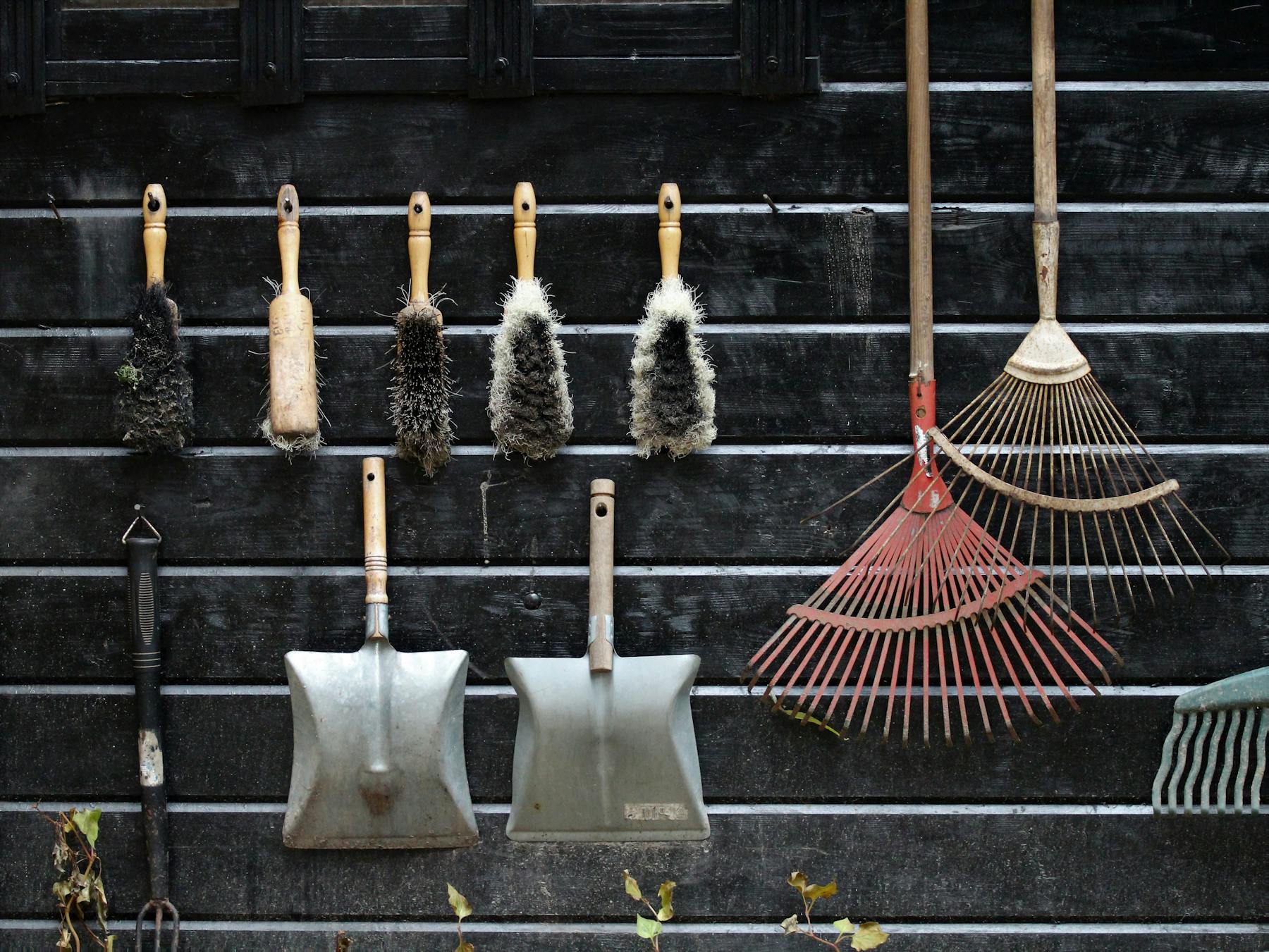
Tools I Actually Use on Our Homestead
A small list of genuinely useful tools beats a big fantasy shopping cart. These are the kinds of things that keep earning their place.
Gardening
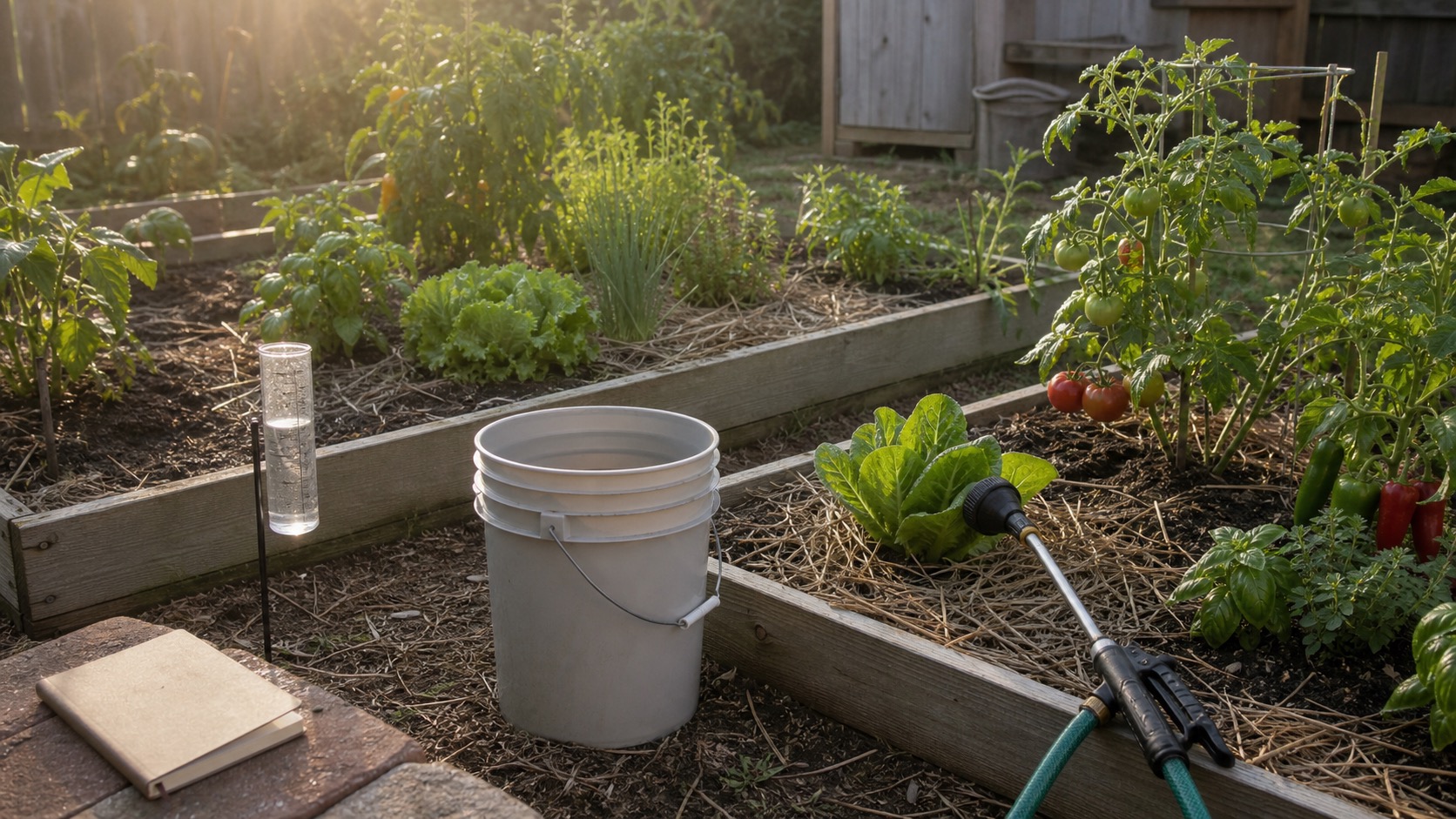
How to Water a Beginner Vegetable Garden Without Guessing
A practical beginner watering guide for small vegetable gardens: how much water plants need, how to check soil moisture, when to water, and what to stop doing.
Homesteading
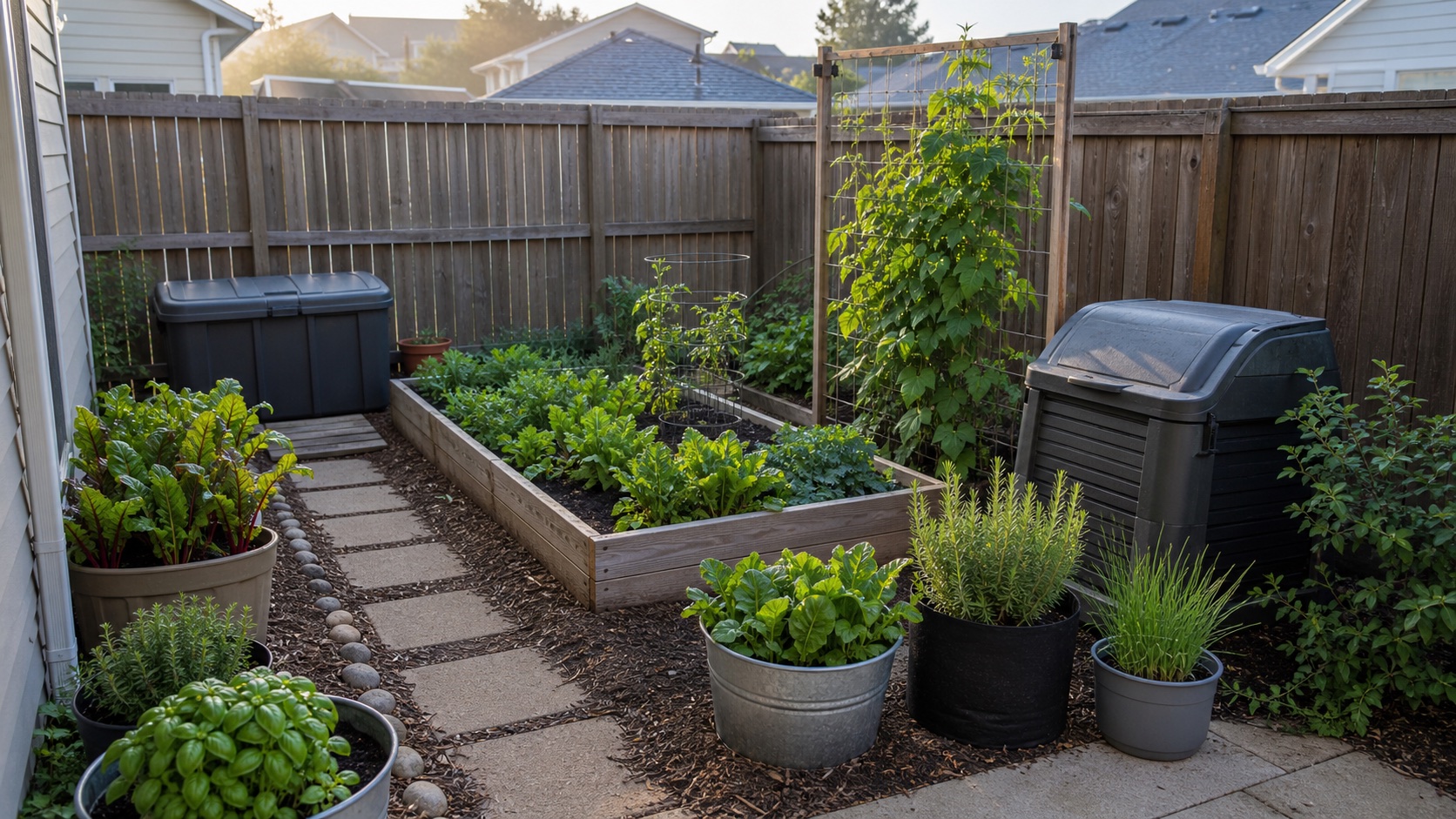
How to Start Homesteading in a Small Backyard
A practical small-backyard homesteading plan built around one food system, one waste system, clear storage, and enough open space to keep the yard livable.
Buy-first support
Get the buy-first guide before you add another tool.
Use the buy-first guide to decide what earns money now, what can be borrowed, and what belongs on the wait list.
Best for: Beginners who keep seeing useful things online and need a disciplined way to decide what actually earns a place.
- A buy now, borrow, wait, or skip framework
- Starter category shortlists
- A three-question purchase test
Practical tool notes, restrained gear decisions, and one disciplined guide first.
After signup, the download will unlock right here so you can save or print it.
About the author
William Mock
Founder, writer, and beginner homesteader
William writes from the beginner side of rebuilding after a layoff: homestead plans, family systems, budgets, tools, and the decisions that make a home feel less fragile.
Read why this site existsRelated Guides
Keep building context
Tools
Tools I Actually Use on Our Homestead
A small list of genuinely useful tools beats a big fantasy shopping cart. These are the kinds of things that keep earning their place.
Gardening
How to Water a Beginner Vegetable Garden Without Guessing
A practical beginner watering guide for small vegetable gardens: how much water plants need, how to check soil moisture, when to water, and what to stop doing.
Homesteading
How to Start Homesteading in a Small Backyard
A practical small-backyard homesteading plan built around one food system, one waste system, clear storage, and enough open space to keep the yard livable.