
The layoff was a professional event, but it landed like a life question. Once the first wave of practical stress settled, a deeper question showed up: if we are rebuilding anyway, what kind of life are we actually trying to build?
What changed after the layoff
I started seeing security differently. It was not only income. It was food skills, margin, routines, land literacy, and the kind of competence that makes a household feel steadier under pressure.
What we are actually trying to build
Why homesteading became the path
Homesteading brought several important things together: food, stewardship, family systems, useful work, and a slower way of measuring progress. It felt practical enough to build slowly and meaningful enough to matter.
That does not mean we suddenly romanticized every hard thing. It means the hard things started feeling connected to a life we actually wanted, instead of connected only to recovery and reaction.
What homesteading means on this site
Here, homesteading is not a costume change. It is a set of practical decisions that make a household less fragile over time. That includes growing food where possible, learning one useful system at a time, spending carefully, building better routines, and telling the truth about what is still hard.
Why I am learning this in public
Part of the reason this site exists is that too much homesteading content skips the middle. It shows confidence without the uncertainty, the finished setup without the learning curve, and the beauty without the tradeoffs. I do not think that serves beginners very well.
Documenting the process honestly does two useful things. It keeps me from pretending I know more than I do, and it gives other people a version of this path that still includes budget limits, family life, awkward first attempts, and the reality of figuring things out after disruption.
What we are not trying to do
What I am actually starting with first
That may sound less dramatic than a big reinvention story. It is. But it is also more believable. A real fresh start is usually built through better sequencing, better restraint, and better repetition long before it becomes visually impressive.
That is the real purpose of this piece. It is not a universal beginner guide and it is not a manifesto about leaving normal life behind. It is the origin story for why this site exists and why the rest of the practical content is being built the way it is.
If You’re Rebuilding Too
Start with a calmer plan, not a bigger fantasy.
The Start Here page brings the practical guides, budget-first thinking, and first-step pathways into one place.
Go to Start HereRecommended next reads
Read the practical side next
If this story feels familiar, these are the guides that help turn that impulse into a calmer first plan.
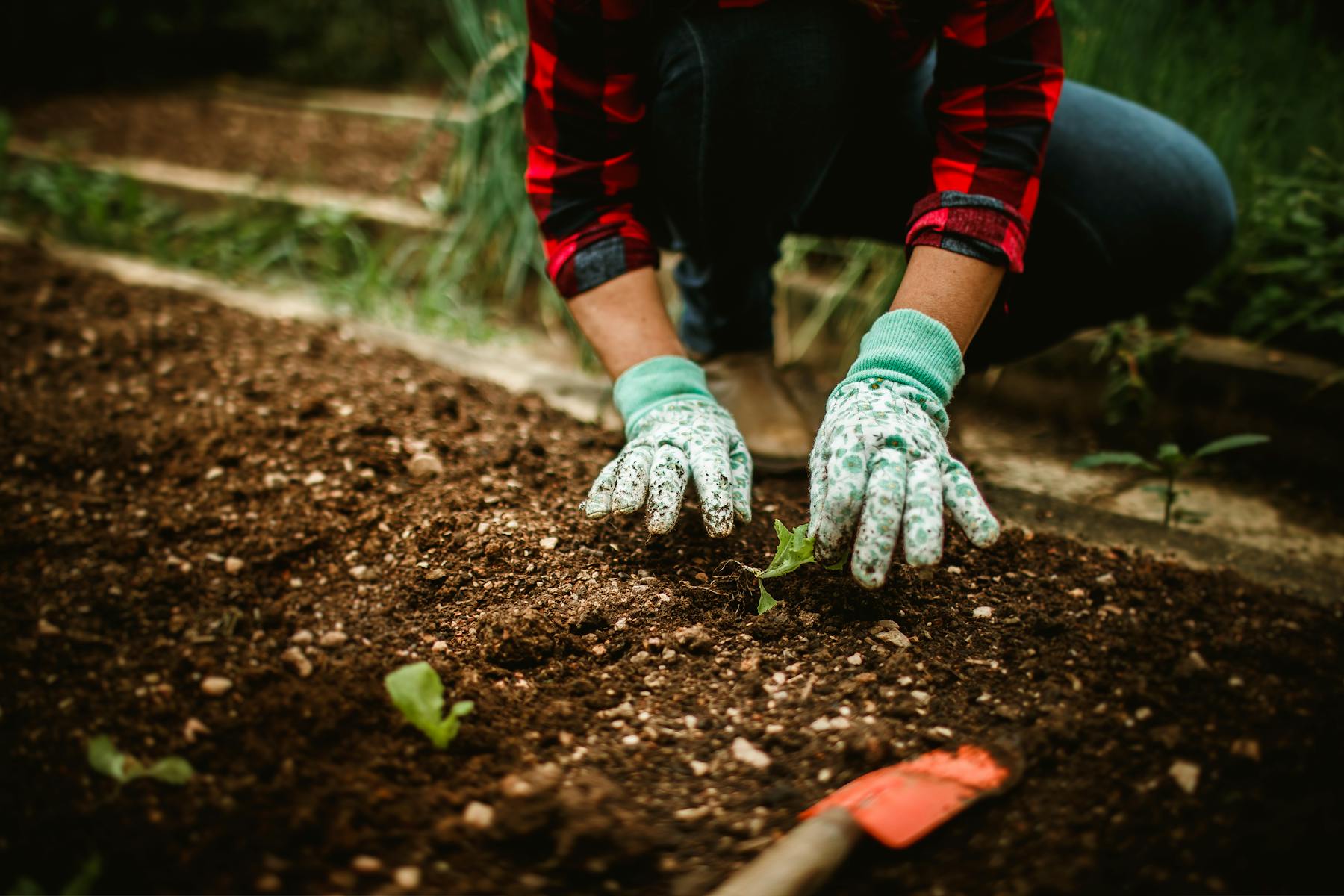
Homesteading
Beginner Homesteading: Where to Start When You Feel Overwhelmed
If homesteading feels meaningful but overwhelming, start with a simpler order of operations instead of trying to do everything at once.
Budgeting
Homesteading on a Budget: What to Buy First and What Can Wait
If money is tight, the smartest homestead purchases are the ones that reduce friction quickly and keep you from rebuying the same lesson twice.
Homesteading
Our First-Year Homestead Priorities: What We’re Doing Now and Why
A first year goes better when priorities are chosen, not inherited. These are the systems and projects we are focusing on now and the reasons behind them.
Frequently asked questions
Is this site about quitting work and escaping to the country?
No. It is about rebuilding a steadier life after disruption and learning practical self-reliance slowly, honestly, and within real constraints.
Do you need land or a rural property to begin a fresh-start homesteading path?
No. You can start with budgeting, weekly systems, food skills, container growing, and careful first projects long before a larger move is possible.
Recommended next reads
Read next if it helps the decision
Move into the next guide only if it clarifies the next practical step.
Homesteading
Beginner Homesteading: Where to Start When You Feel Overwhelmed
If homesteading feels meaningful but overwhelming, start with a simpler order of operations instead of trying to do everything at once.
Budgeting
Homesteading on a Budget: What to Buy First and What Can Wait
If money is tight, the smartest homestead purchases are the ones that reduce friction quickly and keep you from rebuying the same lesson twice.
Systems
How to Build a Calmer Weekly Homestead Rhythm
A workable weekly rhythm matters more than bursts of motivation. This is how to structure a steadier, lower-drama home system.
Fresh start support
Get the first-step checklist that helps turn a reset into a real plan.
Use the checklist to pick one calmer next move, one budget frame, and one part of the bigger life rebuild to focus on first.
Best for: Beginners who need a first-season plan with limits, not more tabs or more gear.
- A first-season decision checklist
- A one-system starter plan
- A buy-now versus wait-later filter
Quiet notes for rebuilding, useful guides, and one real planning tool first.
After signup, the download will unlock right here so you can save or print it.
About the author
William Mock
Founder, writer, and beginner homesteader
William writes from the beginner side of rebuilding after a layoff: homestead plans, family systems, budgets, tools, and the decisions that make a home feel less fragile.
Read why this site existsRelated Guides
Keep building context
Budgeting
Homesteading on a Budget: What to Buy First and What Can Wait
If money is tight, the smartest homestead purchases are the ones that reduce friction quickly and keep you from rebuying the same lesson twice.
Homesteading
What I Wish I Knew Before Trying to Build a Simpler Life
A simpler life is not built by adding the right aesthetic. It is built by subtracting noise, choosing better systems, and learning what really matters.
Homesteading
Our First-Year Homestead Priorities: What We’re Doing Now and Why
A first year goes better when priorities are chosen, not inherited. These are the systems and projects we are focusing on now and the reasons behind them.