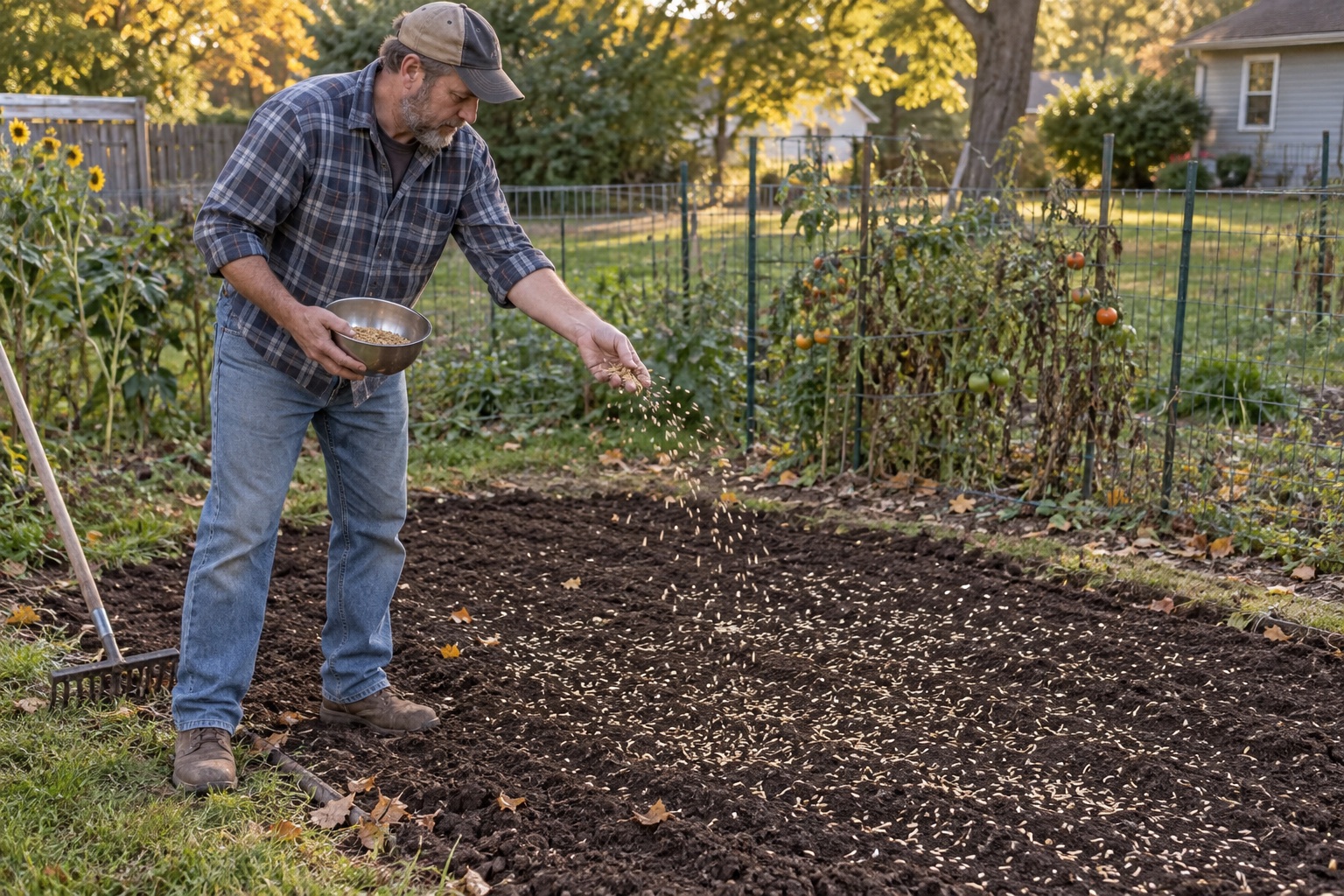
To plant a cover crop in a small vegetable garden, begin with one cleared bed and choose the crop by working backward from next spring. For the simplest first attempt in a cold-winter area, sow spring oats early enough to establish before hard freezes. Remove weeds and thick mulch, rake the surface, broadcast the measured seed in two directions, rake it in lightly, press it against the soil, and keep it moist until it emerges. Choose cereal rye only if you already know how and when you will terminate it.
The green answer that needed a spring plan
The first time I put cover crops on our fall garden list, I liked the idea before I understood the job. A green bed through the shoulder season sounded responsible. It sounded more productive than bare soil and more ambitious than spreading mulch. I could already picture the garden looking finished in the satisfying kind of way that makes a person feel ahead.
Then I reached the spring part of the research. Some crops would die in winter. Others would wake up and grow hard just when we needed the bed again. A bag labeled with some version of rye could mean cereal rye or annual ryegrass, and those were not interchangeable. What looked like one easy fall task was really two linked decisions: what to sow now and how to stop it later.
That changed the plan from covering every open patch to testing one bed. A small trial would let me learn how evenly I could broadcast seed, how the soil held moisture, what survived our winter, and how much spring work the residue created. The useful lesson was not that cover crops are too complicated. It was that a living soil tool deserves an exit plan before it gets an entrance.
Keep the first garden manageable
Plan the bed before adding one more fall project
The beginner garden-planning guide helps you choose a realistic footprint, match crops to household capacity, and leave room for maintenance before the seed order grows.
Plan your first gardenDecide what job the cover crop needs to do
A cover crop is planted mainly to help the soil or garden system, not to produce the next harvest. Purdue Extension lists potential benefits that include protecting against erosion, improving soil structure, competing with weeds, recycling nutrients, adding fertility through legumes, and supporting habitat. One planting can provide several benefits, but beginners make a better choice when one job leads.
Do not ask one small trial to solve every soil problem. A cover crop does not replace a soil test, correct drainage, enough compost, crop rotation, or sensible bed access. It is one tool. If the bed is compacted because people walk through it all season, a better path may matter before a deep-rooted seed mix. If diseased plants remain, sanitation comes before making the bed green again.
Choose the crop by next spring's calendar
The next vegetable matters as much as the current date. University of Minnesota Extension explains that winter-killed crops suit beds needed for early spring planting because their residue breaks down sooner. Overwintering grasses fit better before later vegetables because the living cover must be terminated and given time to decompose. Start with the date you need the bed, then choose the cover crop that can be out of the way.
Check the local planting window before buying seed
Cover crop dates are species-specific and local. Purdue's Indiana table gives northern and southern ranges rather than one statewide date. For fall oats, it lists March 27 through September 15 in northern Indiana and March 21 through September 23 in southern Indiana. Cereal rye runs much later, from roughly early August into mid-November. Those dates are planning boundaries, not a promise that dry soil or an extreme forecast will establish a stand.
If the oat window has nearly closed, do not double the seed and hope. Decide whether a later overwintering grain genuinely fits next spring, or protect the bed with mulch instead. Our guide to mulching a beginner vegetable garden explains the lower-management option. For a framed bed, the raised-bed winterization guide puts that soil-cover choice beside irrigation drainage, frame checks, and spring notes. Bare soil is not ideal, but a cover crop you cannot terminate is not a responsible upgrade.
Measure one bed and the seed for it
Measure length times width to find square feet. A 4-by-8-foot bed is 32 square feet; a 4-by-25-foot row is 100. Purdue lists 4 to 5 ounces of oats, 2 to 4 ounces of cereal rye, and 1 to 2 ounces of crimson clover per 100 square feet. Scale the rate to the actual area instead of estimating from the size of the bag.
A small kitchen scale is useful if you already own one, but this does not need to become an equipment purchase. Ask a local farm supply, garden center, seed library, or regional seed company for appropriately labeled cover-crop seed. University of Maryland Extension specifically recommends buying locally when possible. The seed tag and local fit matter more than a colorful premixed bag.
Prepare the bed without overworking it
Remove spent vegetable plants, active weeds, and thick mulch where seed needs soil contact. Handle diseased crop residue according to local guidance rather than burying it under the new stand. Loosen only obvious crusting or compaction with a fork, then rake the surface reasonably level. The goal is a seedbed, not pulverized soil.
If part of the bed still holds tomatoes, peppers, or another productive crop, you can seed an open strip instead of forcing the entire summer garden to end. Maryland Extension notes that gardeners can pull mulch back and smooth soil around standing vegetables. The new seedlings still need light, moisture, and contact with soil, so dense crop shade may make waiting or choosing another patch more sensible.
Broadcast, rake, press, and water
Maryland Extension suggests mixing very small seed with soil or compost to make hand distribution easier. That carrier is for even spreading, not a substitute for measured seed. A handheld broadcast spreader can cover a larger plot, but one small bed is usually easier to sow by hand. Use the tool you already understand before buying speed you do not need.
Watch establishment, not perfection
Check the bed every day or two until germination. Look for moisture in the seed zone, washing after hard rain, bird pressure, bare patches, and weeds emerging with the crop. A stand does not need to resemble a farm field to teach you something. It needs enough even growth to hold soil and enough visibility for you to see what failed.
Make the termination plan before winter
Winter-killed oats may collapse into a brown mat that can remain on the surface, be raked aside for planting, or be incorporated lightly. Check in early spring rather than assuming every plant died. A mild winter, protected corner, volunteer grain, or mixed seed can leave living growth where you expected residue.
Overwintering rye, wheat, clover, and vetch are different commitments. Purdue advises terminating cover crops before mature seed and generally two to four weeks before the anticipated spring planting date. University of Minnesota recommends about three weeks for overwintering grasses to break down after termination, especially because high-carbon rye or wheat residue can temporarily compete for nitrogen.
What matters first and what can wait
If your fall capacity is already spent, use mulch and revisit cover crops next year. If you have one open bed, a valid local planting window, and room in spring to deal with what grows, oats can be a sensible first trial. If only a late rye window remains, write the termination date and method into the calendar before opening the seed bag.
A one-bed cover crop plan
That checklist is the whole beginner system. It protects against the two easiest mistakes: buying a blend because the front of the bag sounds healthy, and treating spring termination as a problem for later. A cover crop is useful when it fits the garden you actually have, not when it adds one more impressive thing to manage.
Finish the fall garden calmly
Put this bed inside the larger cold-weather plan
Use the fall homestead checklist to sort garden cleanup, water, tools, chickens, supplies, and household readiness without turning every cool weekend into an emergency.
Use the fall checklistSources and local guidance
This guide uses Purdue Extension's Cover Crops in the Home Garden publication for Indiana planting windows, home-garden seeding rates, crop cautions, and termination timing; University of Maryland Extension for small-bed preparation and hand-broadcasting steps; and University of Minnesota Extension for rotation, mixture, winter-kill, and spring breakdown considerations. Conditions vary by county, winter, soil, and next crop, so use your county Extension office to resolve local timing or termination questions.
Recommendations
Research before buying seed
Read the Purdue guide
Purdue Extension cover crops in the home garden guide
Indiana-specific tables for home-garden seeding rates, planting windows, winter survival, and termination cautions.
Best for: Checking a species against your part of Indiana before buying seed
View resourceReview the planting steps
University of Maryland Extension cover crop guide
A practical small-garden walkthrough for choosing seed, preparing a bed, broadcasting, improving seed contact, and handling residue in spring.
Best for: Seeing the complete hand-sowing process for a modest vegetable bed
View resourceCompare cover crop choices
University of Minnesota cover crop selection guide
A detailed comparison of winter-killed and overwintering choices, mixtures, rotation concerns, and spring termination tradeoffs.
Best for: Matching the cover crop to the next vegetable and spring schedule
View resourceRecommended next reads
Keep building the garden one decision at a time
Plan the next bed, turn ordinary kitchen scraps into a manageable compost habit, or plant garlic while the fall window is open.
Gardening
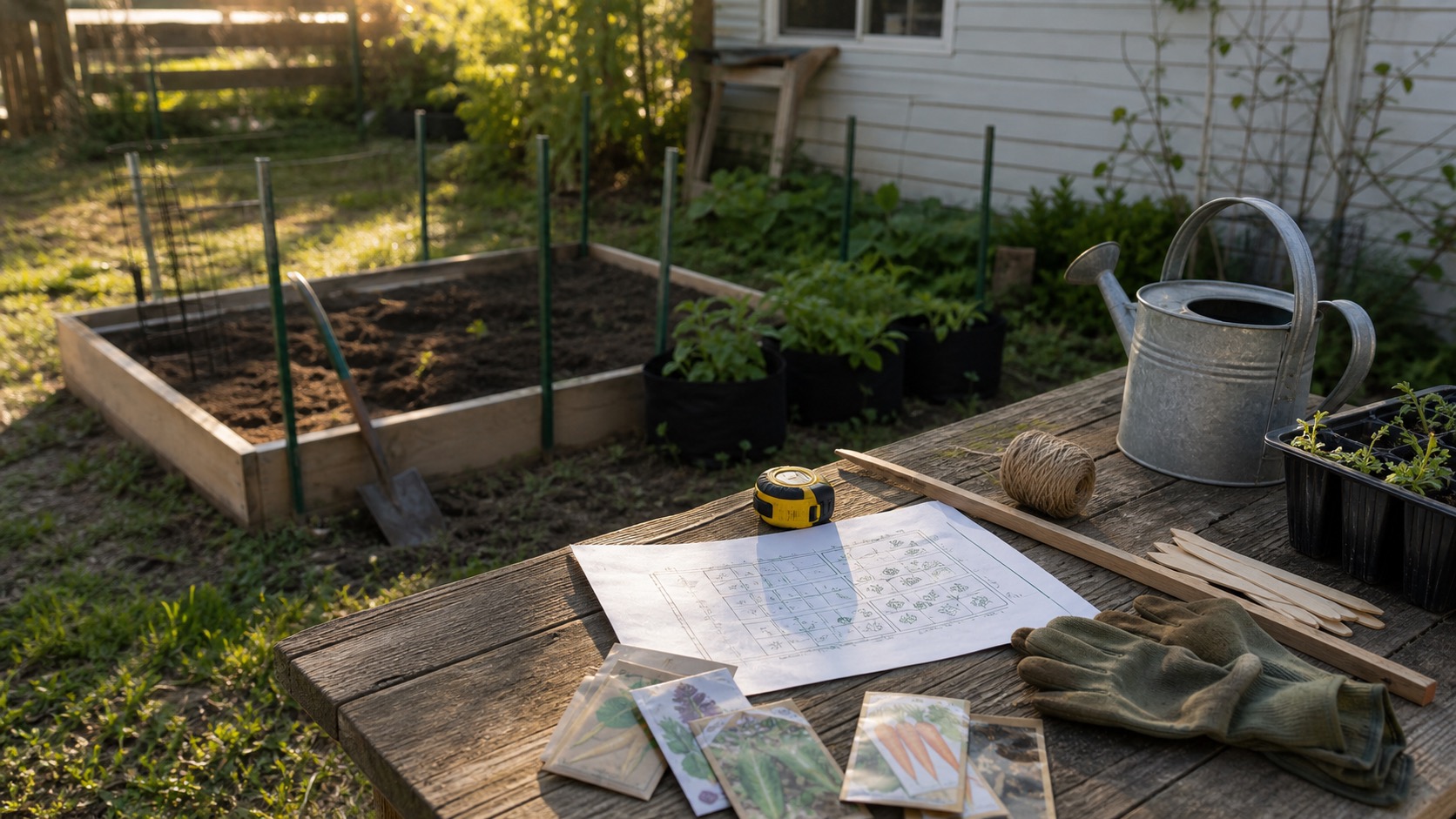
How to Plan Your First Homestead Garden Without Doing Too Much
A successful first garden is smaller, clearer, and less romantic than many beginners expect. That is a good thing.

Gardening
How to Start Composting for Beginners Without Making a Mess
Composting is one of the simplest homestead skills to start early, but beginners often make it too complicated. Here is how to begin with a small, clean system that actually fits real life.
Gardening
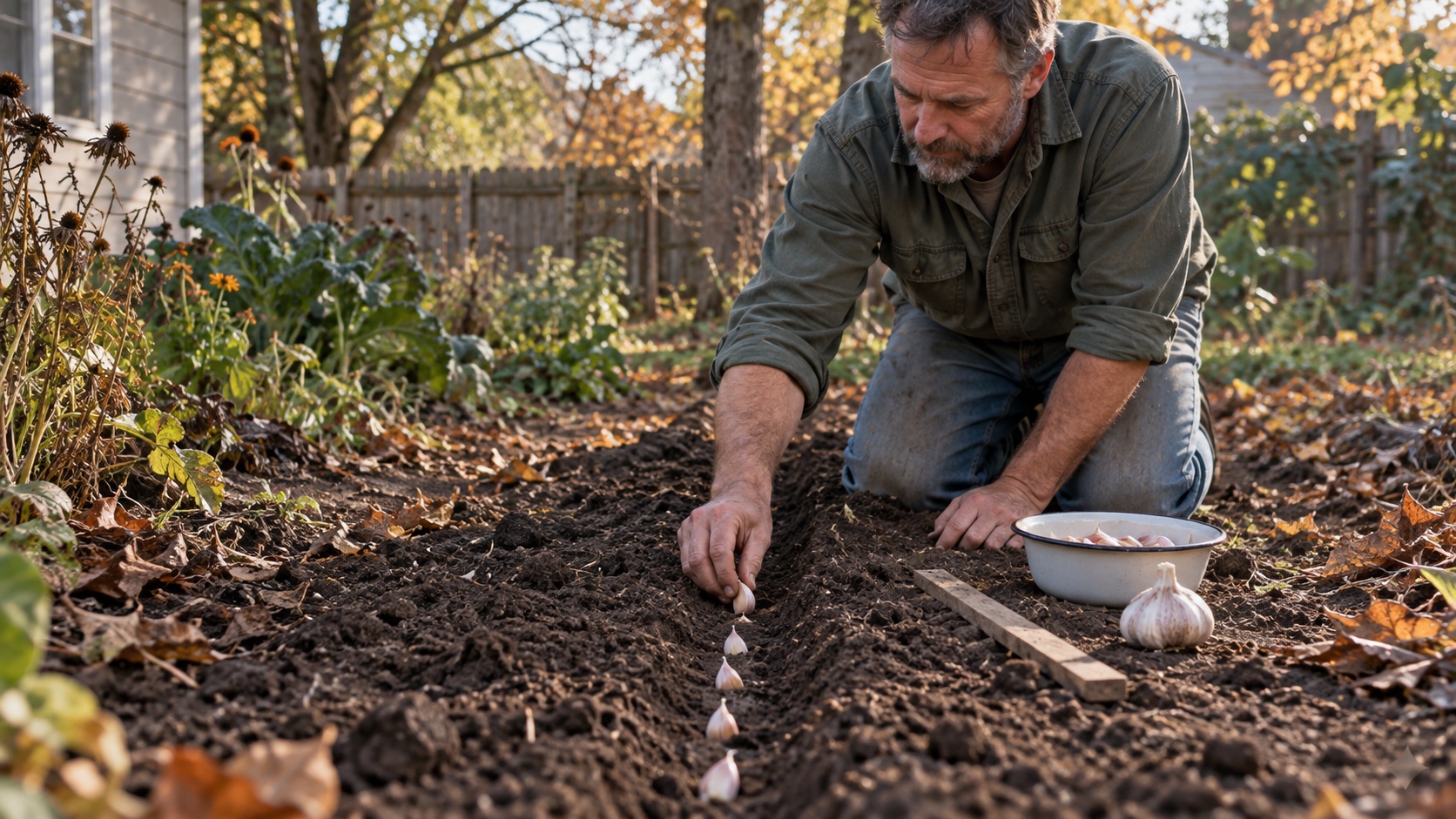
When to Plant Garlic in Fall: A Beginner Guide
Plant garlic late enough to limit top growth but early enough for roots to establish before the ground freezes. Here is how to choose the date, cloves, bed, spacing, and mulch.
Frequently asked questions
What is the easiest cover crop for a beginner vegetable garden?
Spring oats are usually the simplest first fall cover crop in a cold-winter climate when you want to plant vegetables early the next spring. They establish quickly, protect soil, and normally winter-kill, leaving residue that is easier to rake aside or incorporate. Winter survival varies by climate and weather, so confirm the choice and planting window with local Extension guidance.
Can I just scatter cover crop seed on top of the soil?
Broadcasting by hand can work in a small bed, but seed still needs good soil contact. Remove weeds and thick mulch, rake the surface, spread the measured seed evenly, rake it in lightly, press the surface, and water if rain is not coming. Seed left exposed is more likely to dry out, wash away, or become bird food.
When should I plant a fall cover crop in Indiana?
The date depends on species and whether you are in northern or southern Indiana. Purdue's home-garden guide lists spring oats through about September 15 in northern Indiana and September 23 in southern Indiana, while cereal rye has a much later window into November. Use the current Purdue table and local forecast rather than one national date.
Do I need to till a cover crop into the garden?
Not always. Winter-killed oats can often be left as surface residue, raked aside, or worked lightly into the soil. Living overwintered crops require a reliable termination method before vegetable planting; options can include cutting, mowing, tarping, or incorporation, depending on the species and garden system.
Is cereal rye the same as annual ryegrass?
No. Cereal rye is Secale cereale, a grain cover crop. Annual ryegrass is Lolium multiflorum, a different plant that Purdue warns can be difficult to terminate and may become a weed in a home garden. Read the species name on the seed tag so a familiar common name does not make the decision for you.
How long should I wait after terminating a cover crop before planting vegetables?
The answer depends on the species, growth stage, termination method, and next vegetable. Purdue advises terminating cover crops two to four weeks before anticipated spring planting, while University of Minnesota guidance allows about three weeks for overwintering grasses to break down. Build that waiting period into the plan before sowing.
Recommendations
Useful tools and resources for this decision
These are included only where they reduce repeated friction, clarify a next step, or help you avoid buying the wrong thing first.
Read the Purdue guide
Purdue Extension cover crops in the home garden guide
Indiana-specific tables for home-garden seeding rates, planting windows, winter survival, and termination cautions.
Best for: Checking a species against your part of Indiana before buying seed
View resourceReview the planting steps
University of Maryland Extension cover crop guide
A practical small-garden walkthrough for choosing seed, preparing a bed, broadcasting, improving seed contact, and handling residue in spring.
Best for: Seeing the complete hand-sowing process for a modest vegetable bed
View resourceCompare cover crop choices
University of Minnesota cover crop selection guide
A detailed comparison of winter-killed and overwintering choices, mixtures, rotation concerns, and spring termination tradeoffs.
Best for: Matching the cover crop to the next vegetable and spring schedule
View resourceRecommended next reads
Read next if it helps the decision
Move into the next guide only if it clarifies the next practical step.
Gardening
How to Plan Your First Homestead Garden Without Doing Too Much
A successful first garden is smaller, clearer, and less romantic than many beginners expect. That is a good thing.
Gardening
How to Start Composting for Beginners Without Making a Mess
Composting is one of the simplest homestead skills to start early, but beginners often make it too complicated. Here is how to begin with a small, clean system that actually fits real life.
Gardening
When to Plant Garlic in Fall: A Beginner Guide
Plant garlic late enough to limit top growth but early enough for roots to establish before the ground freezes. Here is how to choose the date, cloves, bed, spacing, and mulch.
Garden gear support
Get the buy-first guide before the first garden collects too much gear.
Use the guide to decide which early garden purchases earn money now, which ones can be borrowed, and which ones can wait until the routine proves itself.
Best for: Beginners who keep seeing useful things online and need a disciplined way to decide what actually earns a place.
- A buy now, borrow, wait, or skip framework
- Starter category shortlists
- A three-question purchase test
Garden planning notes, restrained gear decisions, and the guide first.
After signup, the download will unlock right here so you can save or print it.
About the author
William Mock
Founder, writer, and beginner homesteader
William writes from the beginner side of rebuilding after a layoff: homestead plans, family systems, budgets, tools, and the decisions that make a home feel less fragile.
Read why this site existsRelated Guides
Keep building context
Systems
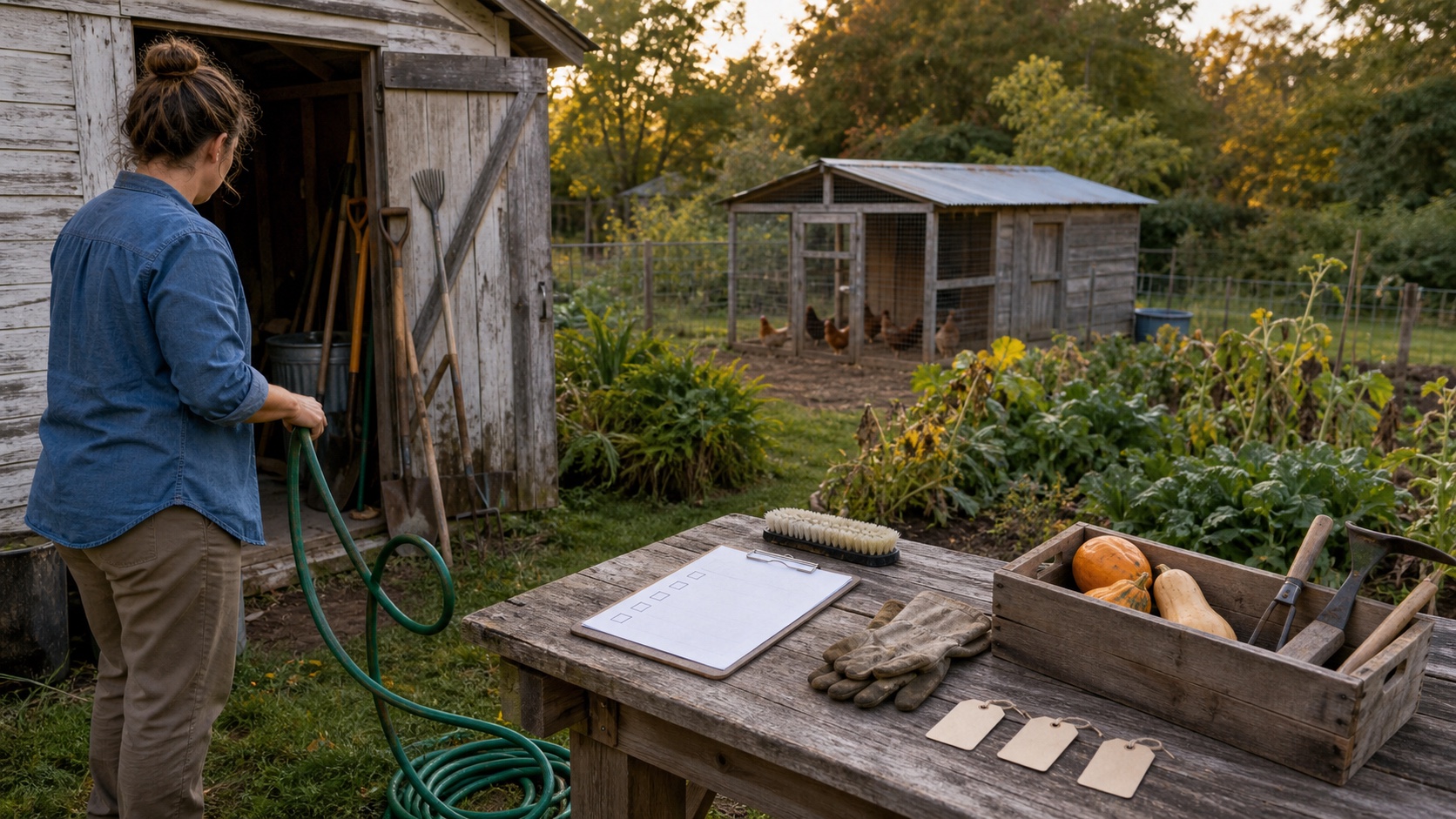
Fall Homestead Checklist for Beginners: What to Finish Before Cold Weather
A practical fall homestead checklist for sorting safety, animals, garden harvests, water, tools, food storage, and unfinished projects before cold weather arrives.
Gardening
When to Start a Fall Garden for Beginners
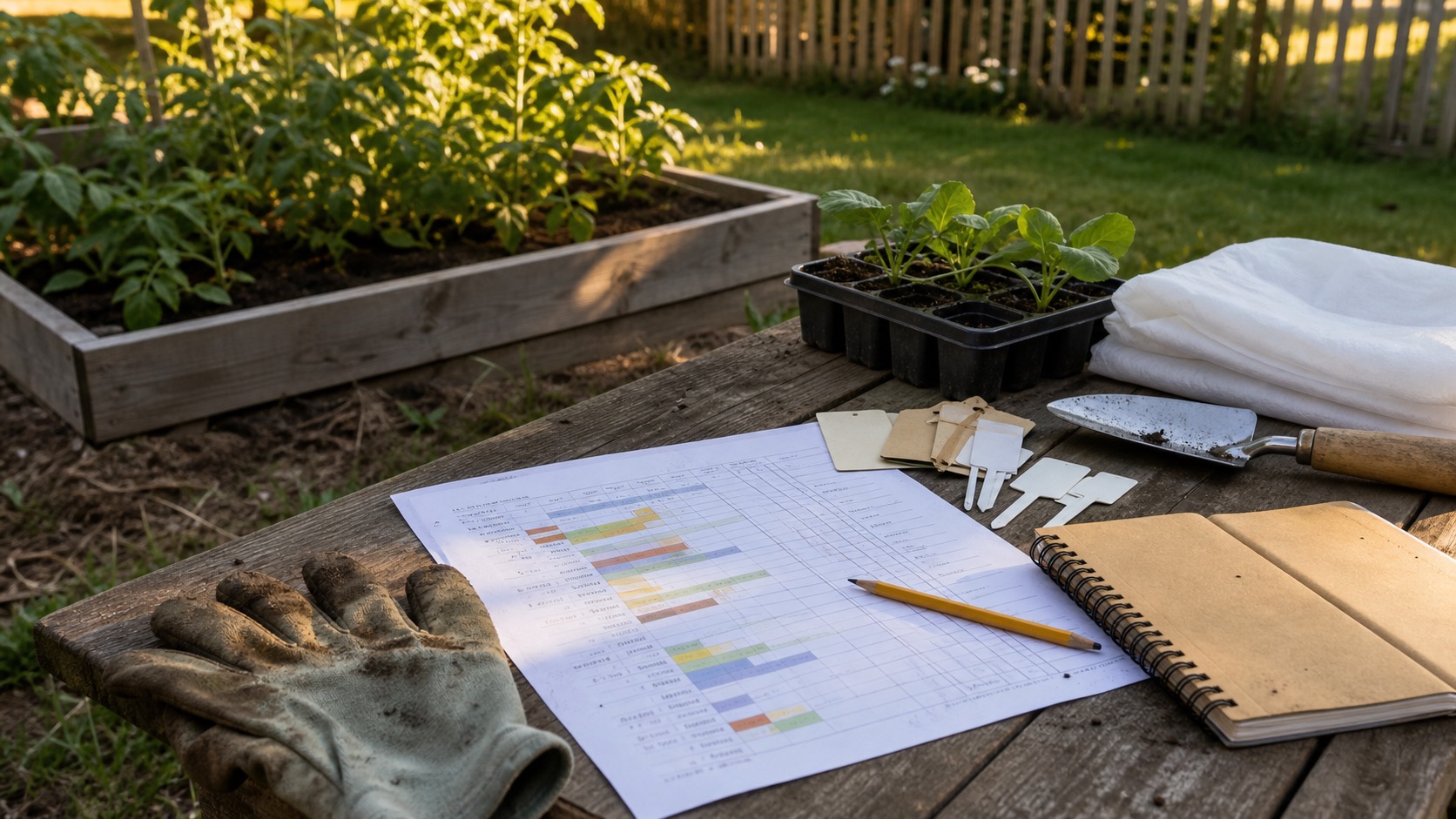
A practical fall garden timing guide for beginners: how to work backward from first frost, choose cool-season crops, and plant a small second season without guessing.
Gardening
How to Mulch a Beginner Vegetable Garden Without Overthinking It
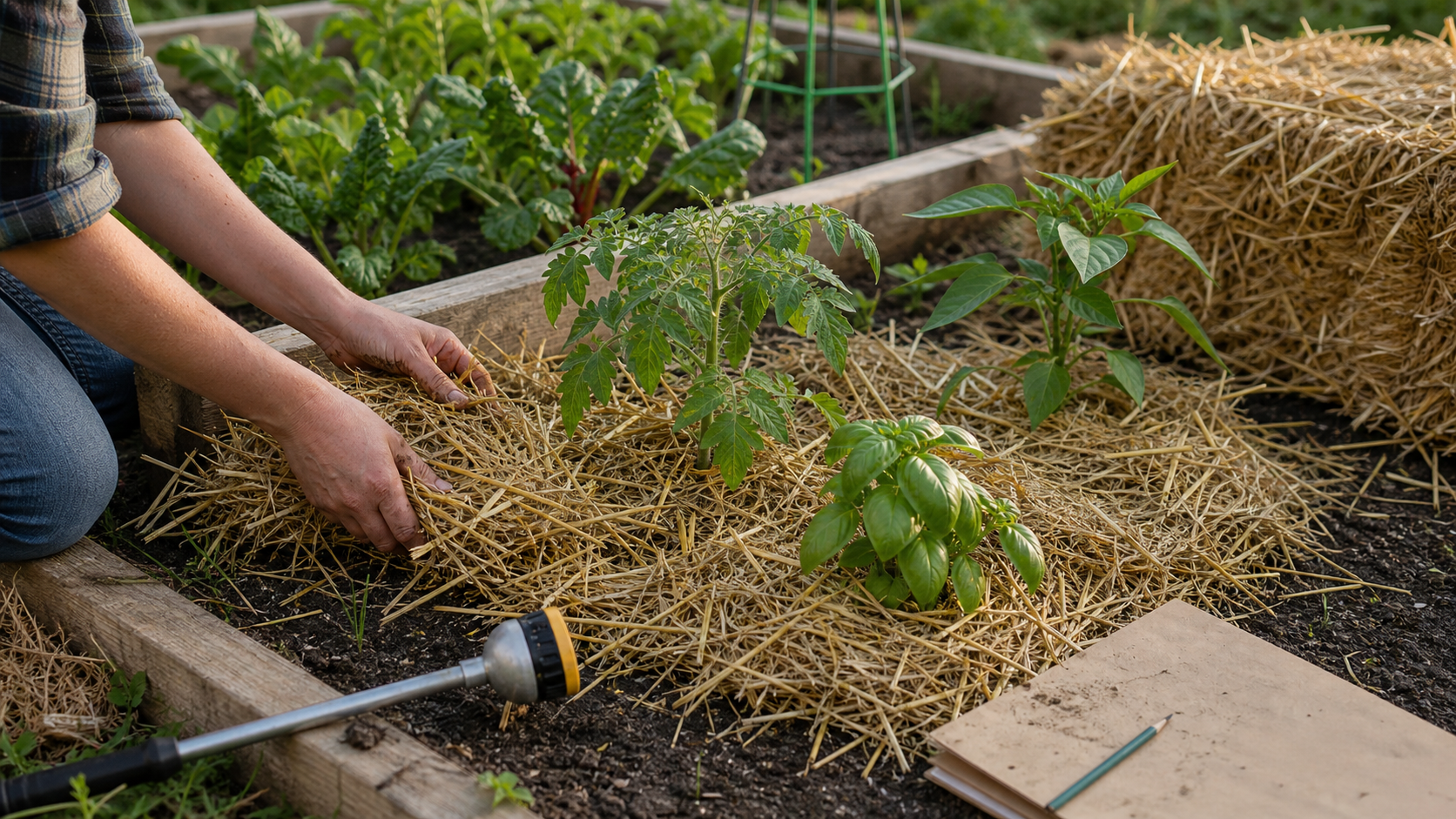
A practical beginner guide to mulching a first vegetable garden: what mulch to use, how deep to apply it, what to keep away from stems, and what can wait.