A squash plant can look fine one evening and dramatic the next afternoon. The leaves droop like a towel. The plant looks thirsty. You water it, wait for the evening rebound, and then realize the problem may not be water at all.
That is where squash vine borers can make beginners feel like they missed something obvious. The damage happens inside the stem, so the first clue is often the plant's behavior: sudden wilting, weak growth, or a healthy-looking zucchini that starts collapsing from the base.
The wilted squash lesson
The first time a big squash plant wilts on you, it feels personal. A squash plant has a way of making a beginner feel successful fast. One week it is all big leaves, yellow flowers, and the promise of too much zucchini. Then one hot afternoon it slumps, and your brain jumps straight to watering guilt.
That is the lesson I had to learn: not every wilted plant is asking for more water. Sometimes the plant is telling you to get low, move the leaves, and look at the stem. The answer is not always visible from the path.
That kind of inspection fits the way I want this whole homestead project to work. Slow down. Look at the actual evidence. Do the next useful thing instead of buying three fixes because the garden made you nervous.
What squash vine borers actually do
Squash vine borers are not chewing up leaves like a visible caterpillar sitting on top of the plant. The larvae bore into the stem and feed inside. That internal feeding interrupts the plant's ability to move water and nutrients, which is why wilting can show up before a beginner sees the pest itself.
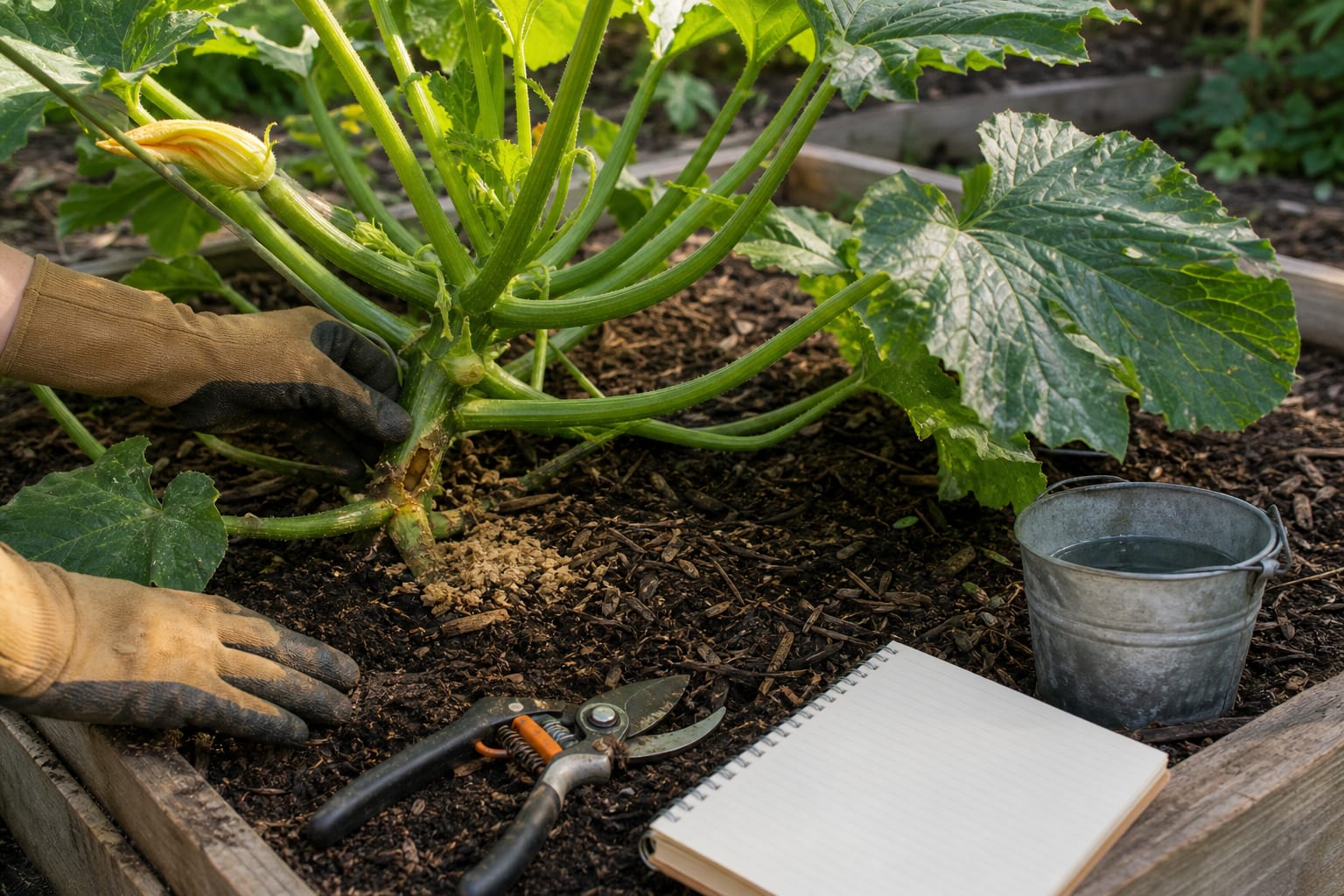
University Extension guidance commonly points beginners toward the same practical signs: wilting squash vines, damage near the base of the stem, and tan sawdust-like material called frass. The frass matters because it is one of the few clues you can see without cutting the plant open.
What to check first
Start at the crown and lower stem, not the prettiest leaves. Move slowly so you do not snap healthy growth while you are inspecting. You are looking for a cluster of clues, not one dramatic sign.
If you do not see stem clues, keep observing before you declare the plant doomed. Check soil moisture, heat stress, and whether the plant perks up in the evening. A beginner garden teaches better when we resist the urge to make every problem fit the first pest name we learned.
What to do right now
Once you see likely vine borer evidence, the first job is triage. Decide whether the plant is still worth nursing, whether the fruit should be harvested, and whether the bed needs cleanup. This is not the moment to panic-spray everything in the garden.
Some gardeners try to carefully slit the stem and remove the larva, then bury part of the vine so it can root. That can work sometimes, but I would treat it as a rescue attempt, not a guaranteed beginner system. If the plant is badly collapsed, cleanup and next-season prevention may be the more honest move.
What not to buy in a panic
Squash vine borers create the kind of problem that makes a person want to buy something immediately. I understand that feeling. The plant looks like work, money, and hope all folding at once. But this pest is mostly a timing problem, and late purchases often make you feel productive without changing the outcome.
I would not buy a cart full of sprays, traps, fertilizers, or mystery pest mixes after the larvae are already inside the stem. Fertilizer will not repair a bored-out vine. Random insect products can create pollinator risk or waste money if the timing is wrong. The purchase that usually earns its place is prevention before the next planting.
Recommendations
Tools that actually fit this problem
Prevention first
Lightweight insect netting or floating row cover
Use this before flowering and before moth pressure, not after the vine is already damaged.
Best for: Young squash plants before blossoms need pollination
Check current priceUseful beyond this pest
Simple garden hand pruners
Clean pruners help remove collapsed vines and keep the bed tidy once the plant is clearly done.
Best for: Cleanup and ordinary garden maintenance
Check current priceCheap clarity
Garden notebook or waterproof plant tags
Use notes to mark when symptoms showed up and where the plant grew.
Best for: Timing prevention next season
Check current priceRow covers help, but they are not magic
Row covers or insect netting can help protect young squash because they physically block the adult moth from laying eggs on the plant. The important phrase is young squash. A cover added after symptoms show up is late. A cover over soil where vine borers already overwintered may not solve the problem either.
Pollination is the other beginner catch. Squash plants need pollination to set fruit, and a cover that blocks pests can also block pollinators. Many gardeners remove covers once flowering starts or hand-pollinate during the covered period. The right plan depends on timing, crop, and local pest pressure.
Cleanup matters more than it feels like
If a squash plant is clearly failing, remove the dead or badly infested vine instead of letting it sit. This is not about making the bed pretty. It is about reducing the mess, making inspection easier, and keeping the garden from becoming a place you avoid because one plant went sideways.
Do not compost infested plant material casually if your compost pile does not get hot and managed. Bag it, dispose of it, or follow local Extension guidance. A beginner compost pile is often just a slow pile of hope, and that may not be enough for pest sanitation.
A better next-season plan
The most useful thing you can do after a squash vine borer problem is write down the date and the crop. Next season, you can start checking earlier, use row cover before flowering, rotate squash out of that exact spot if you have room, and avoid planting more squash than you can inspect.
What matters first, and what can wait
What matters first is evidence. Look at the stem. Look for frass. Compare the wilted plant with neighboring plants. Check whether the problem is one vine or the whole bed. That tells you whether you are dealing with a targeted stem problem or a broader heat, water, disease, or soil problem.
What can wait is the perfect pest-control system. You do not need to master every squash pest today. You need to make one clear decision: nurse the plant, harvest what you can, or clean it out and record the lesson. That is enough for a beginner garden to keep moving.
One lost squash plant is frustrating, but it is not proof that you are bad at gardening. It is proof that the garden is now teaching in real conditions instead of seed-catalog conditions. That is where the useful learning starts.
Next step
Do a calm garden walk before buying fixes.
If one pest problem makes the whole garden feel messy, use the garden-walk guide to sort what needs action now from what can wait.
Read the garden-walk guideRecommended next reads
Keep going with summer garden triage
These guides help you handle the next practical layer without turning one plant problem into a full reset.
Gardening
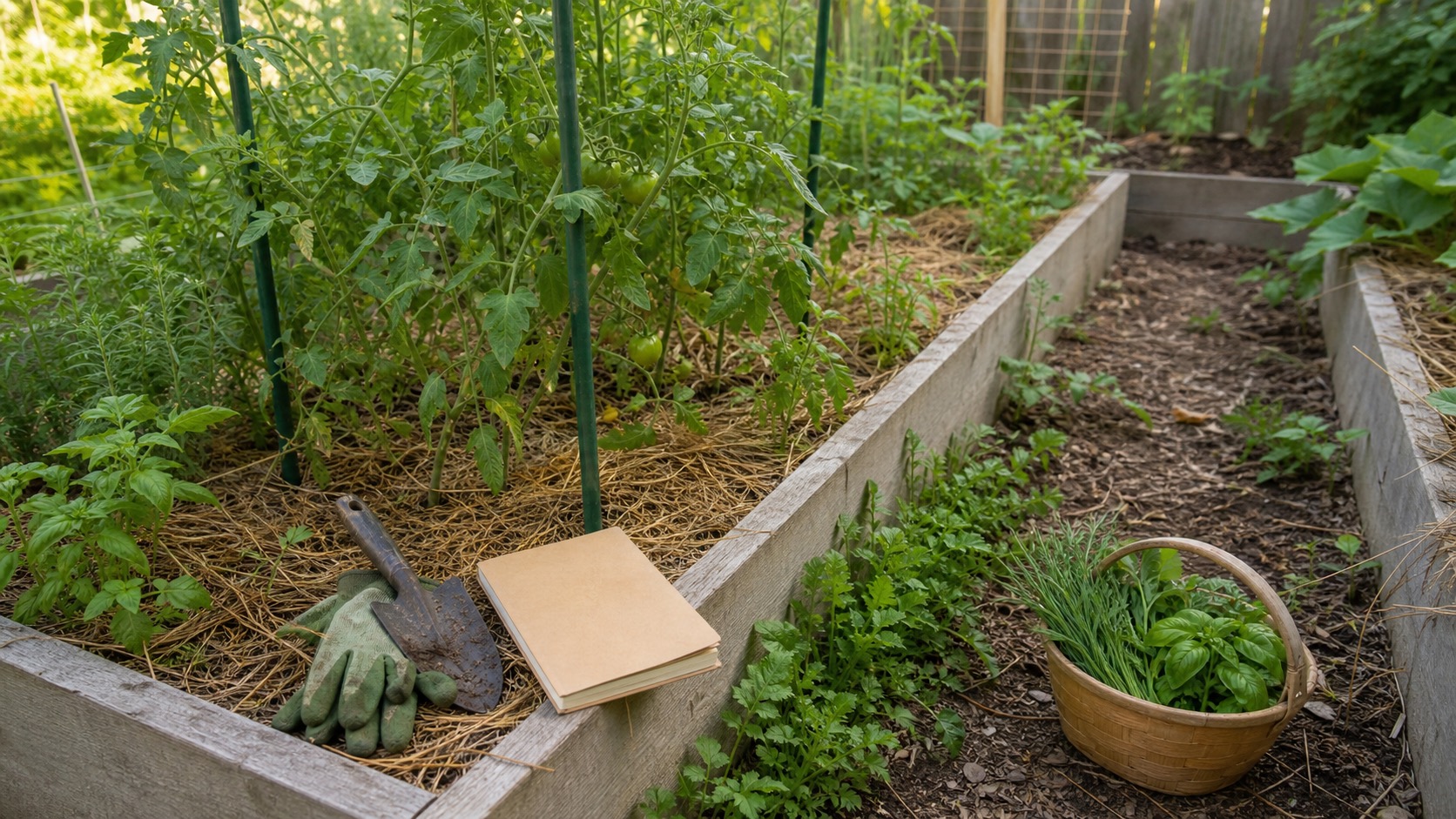
What to Do When Your First Garden Starts Looking Messy
A calm beginner guide for the moment your first vegetable garden starts looking messy: what to fix first, what to ignore, and how to recover without starting over.
Gardening
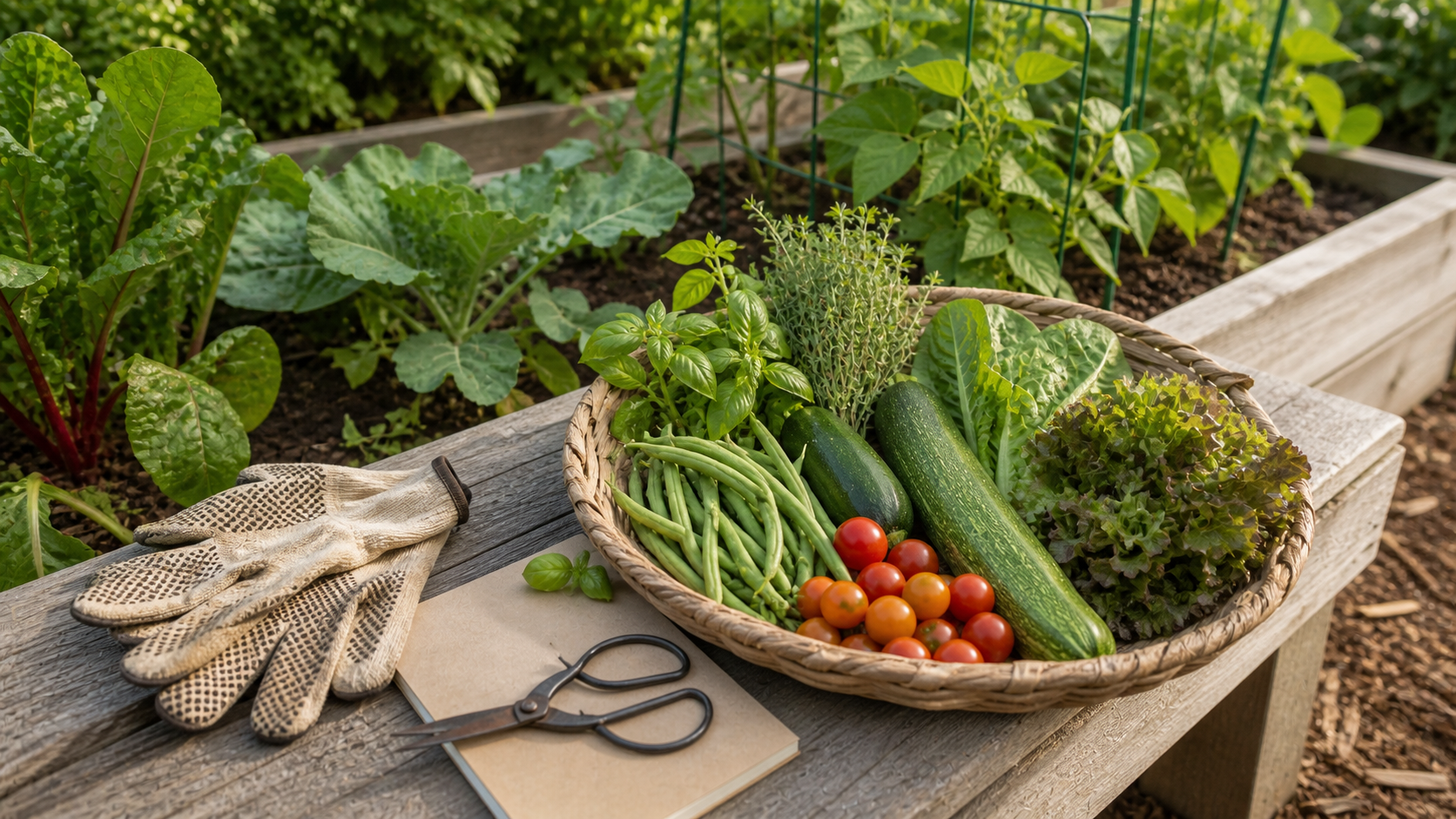
What to Harvest First in a Beginner Vegetable Garden
A practical beginner guide to the first garden harvest: what to pick early, what to leave longer, how to avoid waste, and how to build confidence without overthinking it.
Gardening
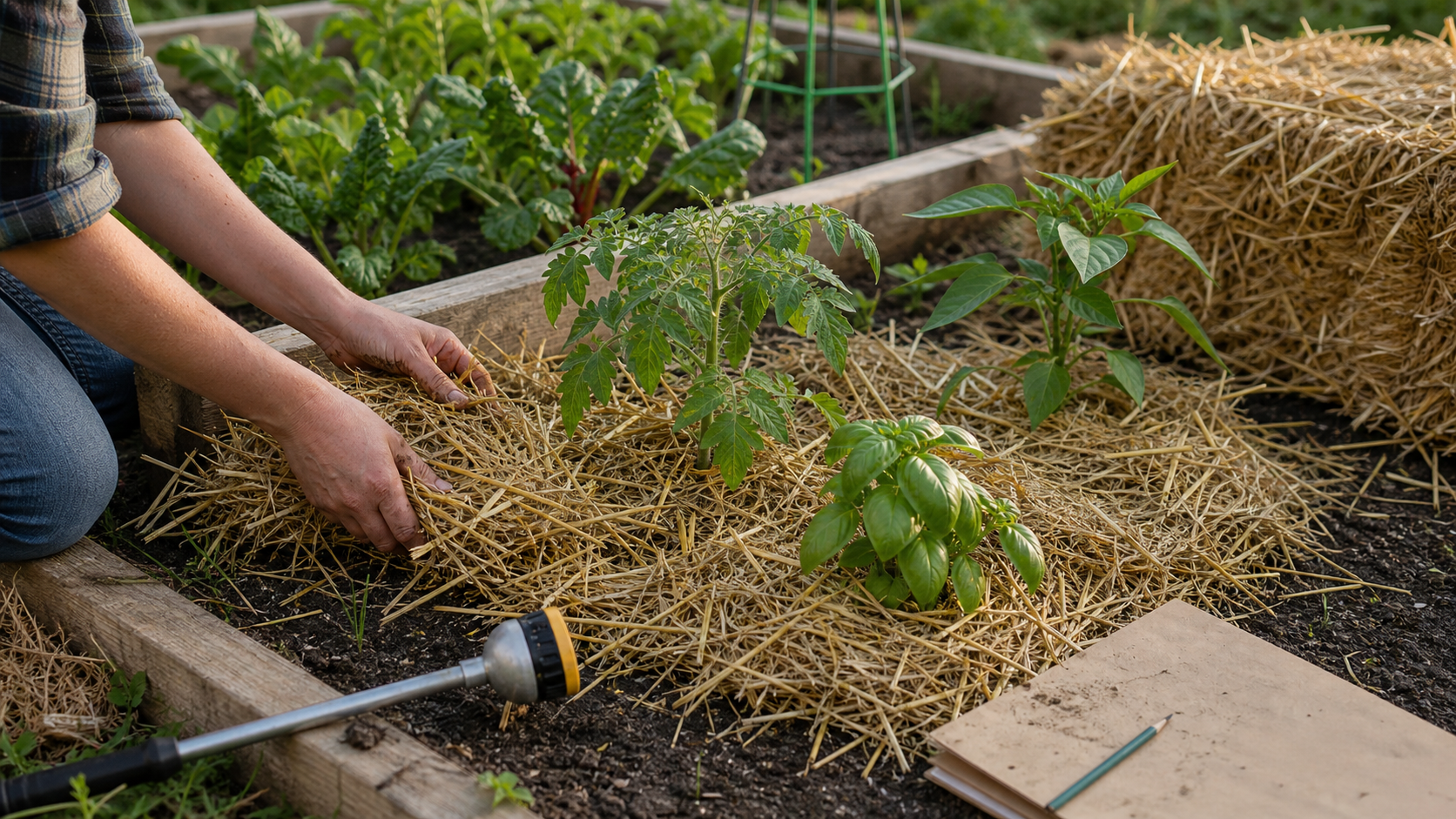
How to Mulch a Beginner Vegetable Garden Without Overthinking It
A practical beginner guide to mulching a first vegetable garden: what mulch to use, how deep to apply it, what to keep away from stems, and what can wait.
Frequently asked questions
What are the first signs of squash vine borers?
The most useful beginner signs are sudden wilting on a squash or zucchini plant, especially during the day, and tan sawdust-like frass near the base of the stem. Split, soft, or damaged stems can also point to vine borer feeding.
Can a squash plant recover from squash vine borers?
Sometimes a plant can survive if damage is caught early, the vine is still partly healthy, and the plant can root along the stem. But beginners should not assume every wilted plant can be saved. Use the plant as a lesson and plan prevention for the next planting.
Should I spray for squash vine borers after I see frass?
Sprays are much less useful after larvae are already inside the stem. If you use any pesticide, follow the label and local Extension guidance exactly, especially around flowers and pollinators. This article focuses on inspection, triage, and prevention.
Do row covers stop squash vine borers?
Row covers or insect netting can help protect young squash before flowering if the pests are outside the bed. They have to be managed for pollination, and they will not help if squash vine borers are already in the stem or overwintered in that exact soil.
Recommendations
Useful tools and resources for this decision
These are included only where they reduce repeated friction, clarify a next step, or help you avoid buying the wrong thing first.
Best prevention tool
Lightweight insect netting or floating row cover
Useful before flowering when you want a physical barrier over young squash plants without turning pest control into a chemical-first decision.
Best for: Preventing moth access on young squash before blossoms need pollination
Check current priceAlready useful tool
Simple garden hand pruners
A basic pair of clean pruners helps remove collapsed vines, cut away unsalvageable plant material, and keep cleanup controlled.
Best for: Garden cleanup after a vine is clearly failing
Check current priceCheap memory aid
Garden notebook or waterproof plant tags
Notes help you record when the first wilt happened, where the plant was growing, and which prevention step is worth trying next year.
Best for: Turning one pest problem into better timing next season
Check current priceExtension source
University of Minnesota Extension squash vine borer guide
Extension guidance on symptoms, life cycle, row covers, sanitation, and pesticide limits for squash vine borers.
Best for: Checking pest details before making treatment decisions
View resourceRecommended next reads
Read next if it helps the decision
Move into the next guide only if it clarifies the next practical step.
Gardening
What to Do When Your First Garden Starts Looking Messy
A calm beginner guide for the moment your first vegetable garden starts looking messy: what to fix first, what to ignore, and how to recover without starting over.
Gardening
How to Walk Your Garden Before Buying More Fixes
A beginner-friendly garden observation routine that helps you slow down, read what is actually happening, and avoid buying fixes before you understand the problem.
Gardening
What to Harvest First in a Beginner Vegetable Garden
A practical beginner guide to the first garden harvest: what to pick early, what to leave longer, how to avoid waste, and how to build confidence without overthinking it.
Garden gear support
Get the buy-first guide before the first garden collects too much gear.
Use the guide to decide which early garden purchases earn money now, which ones can be borrowed, and which ones can wait until the routine proves itself.
Best for: Beginners who keep seeing useful things online and need a disciplined way to decide what actually earns a place.
- A buy now, borrow, wait, or skip framework
- Starter category shortlists
- A three-question purchase test
Garden planning notes, restrained gear decisions, and the guide first.
After signup, the download will unlock right here so you can save or print it.
About the author
William Mock
Founder, writer, and beginner homesteader
William writes from the beginner side of rebuilding after a layoff: homestead plans, family systems, budgets, tools, and the decisions that make a home feel less fragile.
Read why this site existsRelated Guides
Keep building context
Gardening
What to Do When Your First Garden Starts Looking Messy
A calm beginner guide for the moment your first vegetable garden starts looking messy: what to fix first, what to ignore, and how to recover without starting over.
Gardening
How to Walk Your Garden Before Buying More Fixes
A beginner-friendly garden observation routine that helps you slow down, read what is actually happening, and avoid buying fixes before you understand the problem.
Gardening
How to Support Tomato Plants Before They Fall Over
A practical beginner guide to supporting tomato plants with cages, stakes, soft ties, pruning restraint, and a calmer midseason garden routine.