A farm dog sounds like one of the most natural first homestead animals, but beginners need to be careful with that idea. A dog can be a companion, alarm system, chore shadow, family joy, and someday maybe part of an animal-management plan. But a dog can also chase chickens, slip through gates, scare visitors, create vet bills, complicate chores, and add another daily system before the homestead is ready.
The better question is not, should a homestead have a dog? Many do. The better question is whether your household has the fences, training habits, budget, supervision, and calm routines to make a dog safer before livestock enters the picture.
The big friendly dog that made the question real
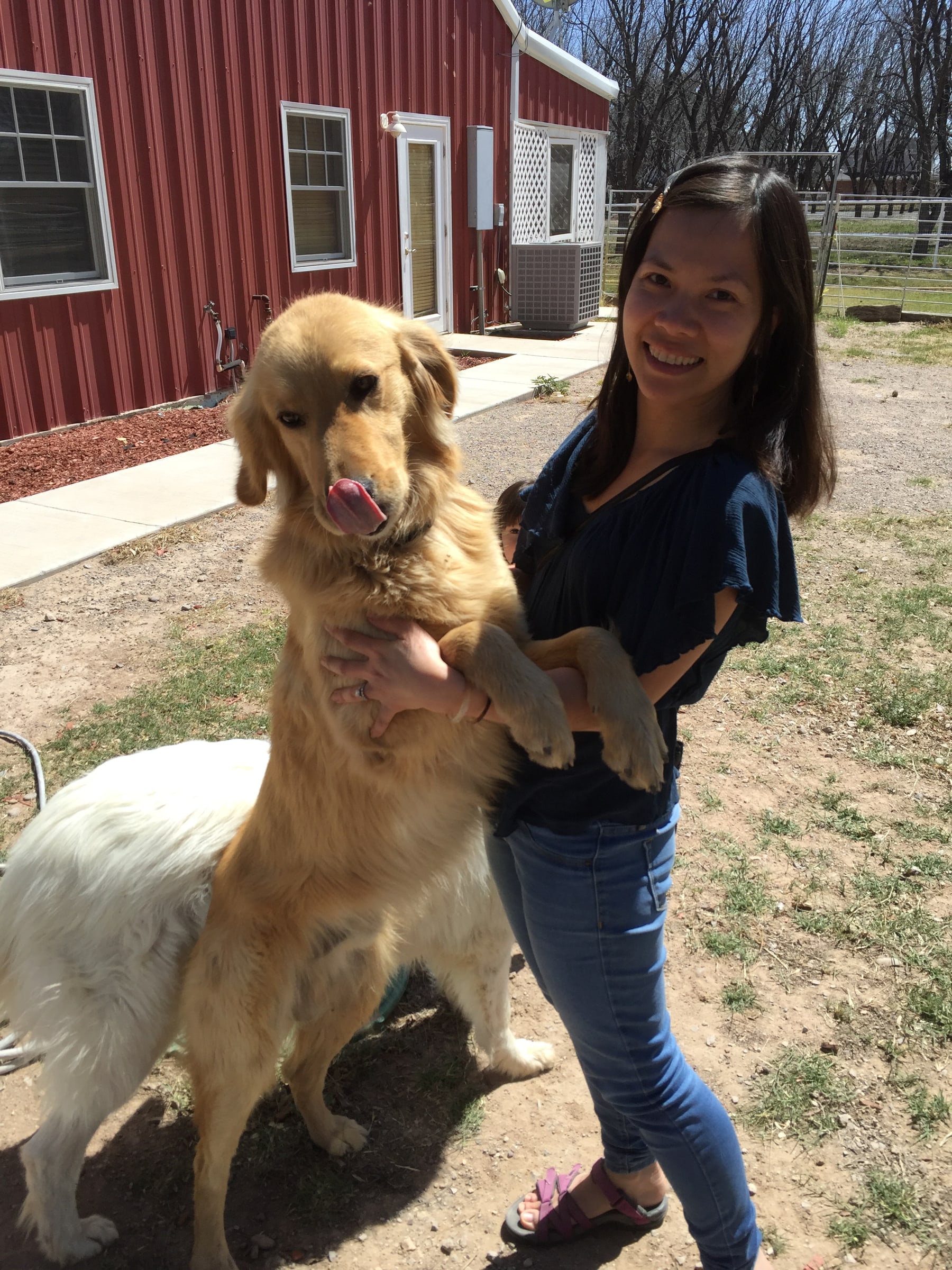
The dog in the photo looks like the kind of farm moment people imagine when they picture a simpler life. Big dog, red building, sunshine, somebody laughing because the dog has no idea how large he is. There is something good in that. Animals can make a place feel alive in a way a checklist never will.
But that same photo also reminds me why I do not want to romanticize this decision. A big happy dog is still a big dog. If that energy is pointed at a child, a visitor, a chicken pen, an open gate, or a bucket of feed, the story changes fast. Affection is not the same thing as reliability.
That is the lesson I want to carry into homesteading decisions: enjoy the good moments, but build the system around the ordinary ones. Dogs need boundaries before the property needs more animals.
Start with the job, not the breed
A lot of beginners start this conversation by researching breeds. That is understandable, but it skips the more important question: what job are you actually asking the dog to do? A house companion, a walking buddy, a yard alarm, a livestock guardian, and a chore companion are not the same job.
If the answer is vague, wait. A vague job usually turns into vague training, vague expectations, and frustration when the dog behaves like a dog instead of like the farmhand you imagined.
What matters first
Before livestock, the dog question should be boring. Can the dog come when called? Can the dog be calm on a leash? Can the dog stay out of a gate when someone is carrying feed? Can children follow consistent rules? Can the budget handle vaccines, parasite prevention, food, grooming, emergency care, and training help if needed?
Those questions matter more than whether the dog looks right in the yard. A reliable homestead animal plan is built from repeatable habits, not from the feeling that a dog belongs in the picture.
Do not use a dog to fix an unplanned system
One of the most tempting beginner mistakes is treating a dog as the answer to a problem that should have been solved with design. Worried about predators? Start with fencing, coop security, hardware cloth, latches, and nighttime routines. Worried about feeling alone outside? Start with lighting, communication, habits, and realistic work windows. Worried the property needs to feel like a real homestead? Start with the work you can repeat.
A dog may help in some situations, but it should not carry the weight of poor containment, weak routines, or projects added too quickly. The dog deserves a clear role, and the other animals deserve physical protection that does not depend on hope.
The first training window
If you already have a dog and you are planning chickens, goats, rabbits, or other animals later, use the current season as a training window. Do not wait until the chicks are in the brooder or the fence is half built. Start with boring exposure and boring control.
Safety is part of the homestead plan
Dogs change the safety math on a property. The American Veterinary Medical Association's dog-bite prevention guidance is a useful reminder that children, visitors, stress, excitement, and misunderstandings matter. CDC guidance also keeps basic dog health and hygiene in view. None of that means a dog should make the homestead feel scary. It means the plan needs rules before the moment gets busy.
A few rules help: no unsupervised kid-and-dog chaos, no loose dog at delivery time, no dog inside chicken or livestock areas by default, no feeding scraps by hand without a parent-owned routine, and no pretending a sweet dog cannot make a bad choice when overexcited.
Recommendations
Useful tools and references for this decision
Control before freedom
Sturdy long training line
Use it for recall practice and controlled observation in low-risk areas before you trust more freedom.
Best for: Testing boundaries without pretending off-leash control is already proven
Check current priceOutdoor-care basic
Dog tick remover and basic grooming check kit
Keep it near the dog supplies so outdoor checks become part of the routine after fence-line walks or brushy chores.
Best for: Dogs spending more time in grass, brush, and outdoor chore areas
Check current priceFree safety reference
AVMA dog bite prevention guidance
Use this free reference to set family rules around kids, dogs, visitors, and high-excitement moments.
Best for: Households building dog safety into the homestead routine
View resourceFree health reference
CDC healthy pets: dogs
A free health and hygiene reference for families with dogs in and around the home.
Best for: Connecting outdoor dog life with family hygiene habits
View resourceWhat can wait
You do not need specialty farm-dog gear, a kennel complex, livestock-guardian plans, or a breed decision before you know the job. You also do not need to add a dog because the homestead dream feels incomplete without one.
A realistic beginner scenario
Say a family wants chickens next spring and already has a friendly, energetic dog. The weaker plan is to assume the dog will learn once the chickens arrive. The stronger plan is to spend this season practicing leash walks to the future coop area, calm waits at gates, recall away from mild distractions, and family rules about who handles the dog during chores.
Then when chickens finally come, the first layer of safety is still the coop and run. The dog is outside the system, supervised, and learning around the edges. That may feel slower than the picture in your head. It is also kinder to the dog, safer for the birds, and easier on the family.
The real rule
A good homestead dog is not made by scenery. It is made by temperament, training, containment, routine, health care, and a household that tells the truth about what the dog can and cannot handle yet.
If you already have a dog, start building those boundaries before the next animal arrives. If you do not have a dog yet, let the homestead plan get clearer first. The goal is not to collect animals quickly. The goal is to build a life where the animals already in your care can succeed.
Next practical step
The year-two planning guide will help you decide which animal systems should wait until the daily routines, budget, and property layout are steadier.
Recommended next reads
Keep going
Move into the next guide only if it clarifies the next practical step.
Homesteading
How Much Land Do You Need for a Homestead? A Beginner Reality Check
Choose homestead acreage by usable land, water, infrastructure, local rules, budget, and the projects your family can actually carry, not by a magic number.

Homesteading
8 Homesteading Skills to Learn Before You Own Land
Eight portable homesteading skills you can practice in an apartment or ordinary home before land, livestock, major equipment, or a move enter the plan.
Homesteading
A 90-Day Homestead Plan for Beginners: What to Do First
A realistic first 90-day homestead plan that helps beginners observe, set limits, choose one food system, and build a repeatable rhythm before expanding.
Frequently asked questions
Should beginners get a farm dog before livestock?
Usually not as the first homestead animal decision. Start by proving fencing, training, recall, daily care, vet budget, and household boundaries. A dog can support a homestead, but it should not be used to solve livestock problems you have not planned yet.
Can a family dog become a livestock guardian dog?
Sometimes a dog can learn good boundaries around animals, but a family pet is not automatically a livestock guardian. Guardian work depends on genetics, temperament, training, supervision, and the livestock setup. Do not assume affection for people equals reliability around poultry or livestock.
What should I teach a dog before adding chickens or other animals?
Focus on recall, leash manners, calm observation, staying out of pens, leaving feed and animals alone, and respecting gates. Use supervision and physical barriers instead of trusting verbal commands as the only safety system.
What farm-dog gear is worth buying first?
Buy only gear that supports control, safety, and routine: a sturdy leash or long line, good ID, tick-removal basics, and a simple first-aid reference. Skip specialty farm-dog equipment until the actual job and property layout are clear.
Recommendations
Useful tools and resources for this decision
These are included only where they reduce repeated friction, clarify a next step, or help you avoid buying the wrong thing first.
Control before freedom
Sturdy long training line
A long line lets a dog practice recall and calm observation around the yard without pretending off-leash reliability exists before it has been proven.
Best for: Families testing dog boundaries near gardens, future coop zones, gates, and chore paths
Check current priceOutdoor-care basic
Dog tick remover and basic grooming check kit
A small tick-removal tool and grooming check routine help make outdoor dog care part of the homestead rhythm instead of a forgotten afterthought.
Best for: Dogs spending more time near grass, fence lines, brush, and chore areas
Check current priceFree safety reference
AVMA dog bite prevention guidance
The American Veterinary Medical Association gives practical guidance for reducing dog-bite risk, especially around children and unfamiliar situations.
Best for: Families setting rules for kids, dogs, visitors, gates, and chore excitement
View resourceFree health reference
CDC healthy pets: dogs
CDC guidance covers basic health and hygiene considerations for households with dogs, including handwashing and illness prevention.
Best for: Keeping outdoor dog care connected to family hygiene and health habits
View resourceRecommended next reads
Read next if it helps the decision
Move into the next guide only if it clarifies the next practical step.
Homesteading
Beginner Homesteading: Where to Start When You Feel Overwhelmed
If homesteading feels meaningful but overwhelming, start with a simpler order of operations instead of trying to do everything at once.
Homesteading
What Can Wait Until Year Two on a New Homestead
A practical guide to the projects, animals, equipment, and upgrades that are often better delayed until year two on a new homestead.
Chickens
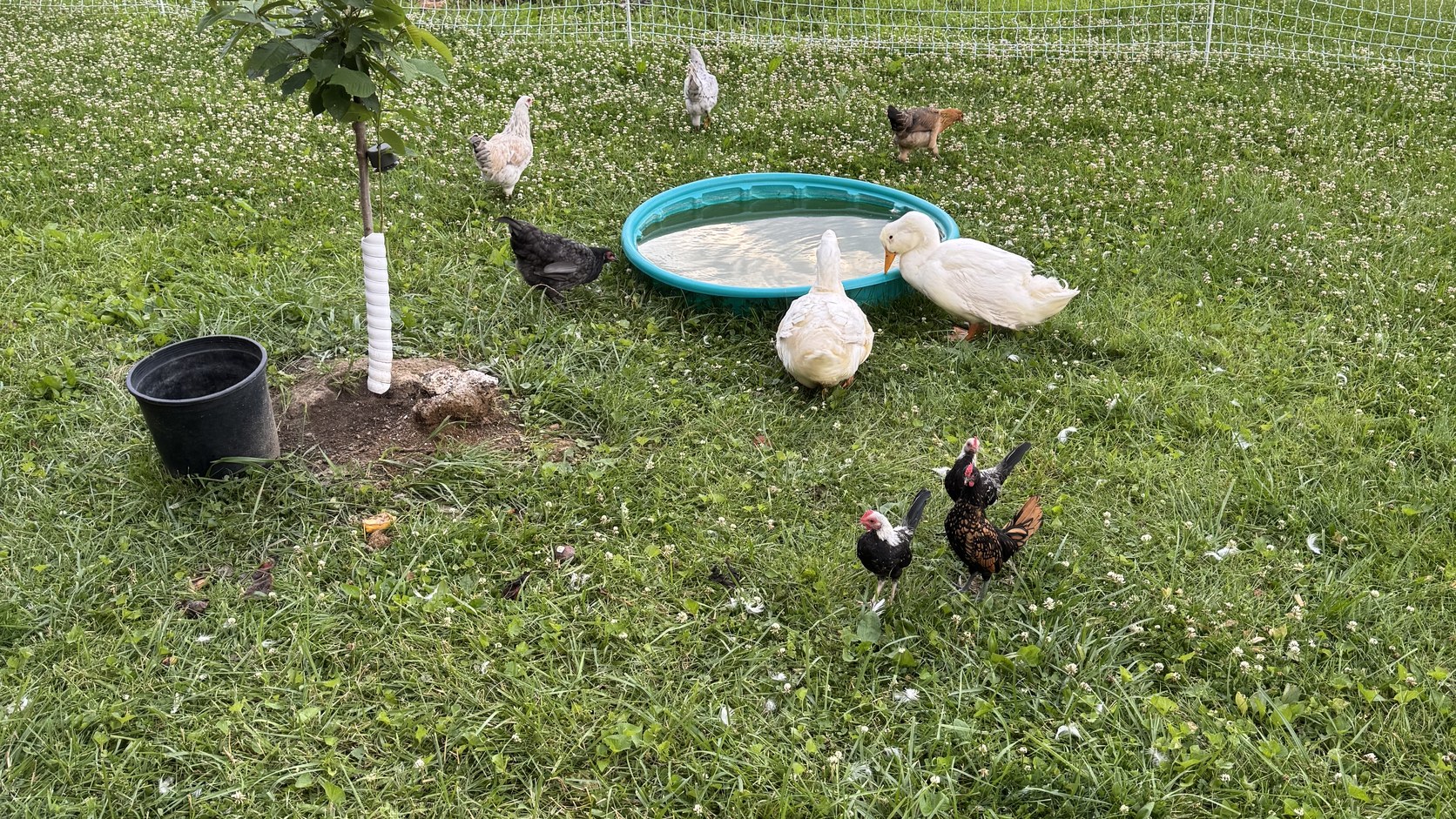
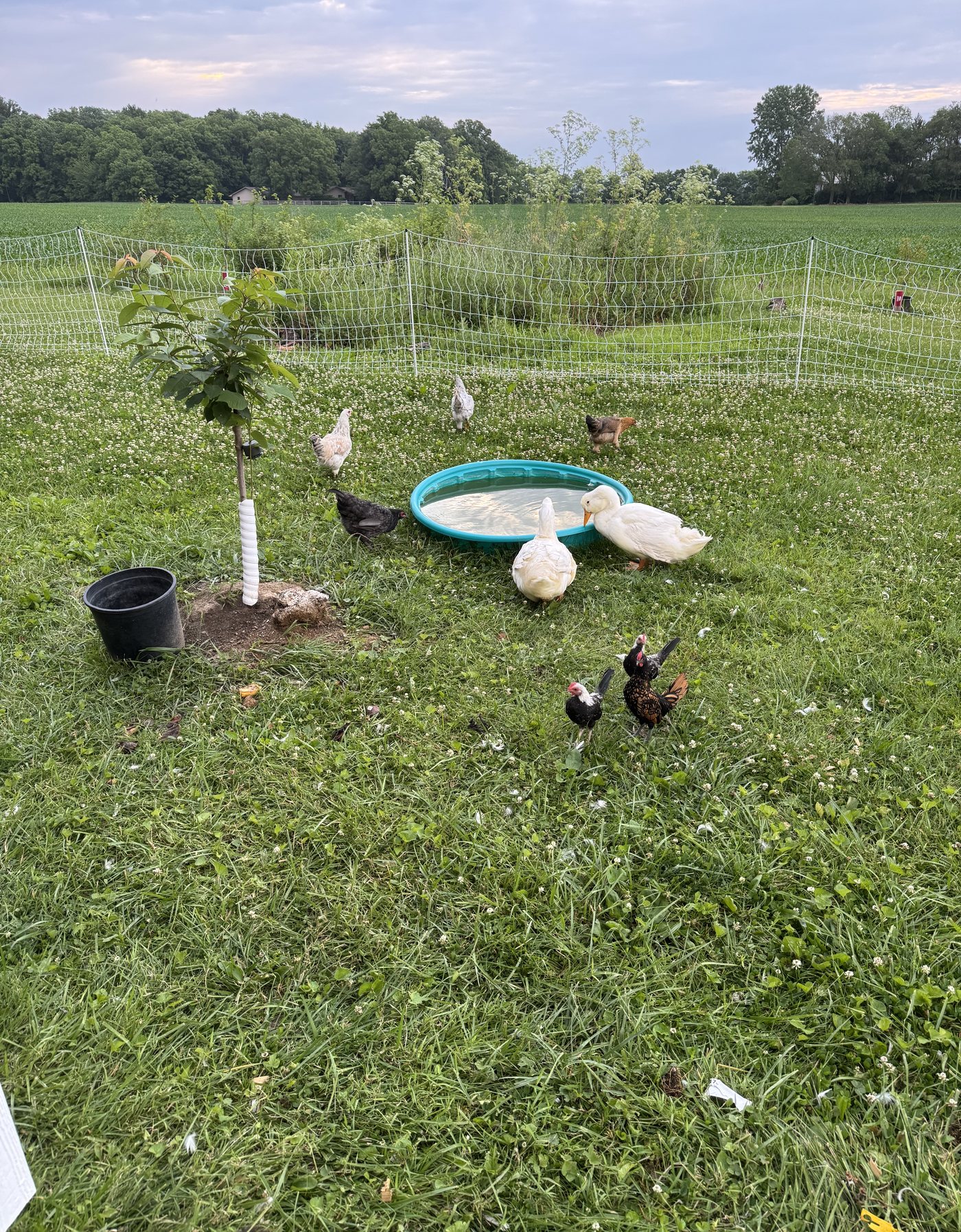
Beginner Chicken Yard Setup: What to Put Inside the Run
A practical beginner guide to setting up a chicken yard or run with shade, water, dust bathing, fencing, storage, and daily-care access that actually works.
First-Step Support
Get the first-step checklist before the bigger idea turns into too many projects.
A practical worksheet for choosing one system, setting a first-stage budget, and narrowing the next move while the picture is still forming.
Best for: Beginners who need a first-season plan with limits, not more tabs or more gear.
- A first-season decision checklist
- A one-system starter plan
- A buy-now versus wait-later filter
Beginner-friendly notes, useful guides, and the checklist first.
After signup, the download will unlock right here so you can save or print it.
About the author
William Mock
Founder, writer, and beginner homesteader
William writes from the beginner side of rebuilding after a layoff: homestead plans, family systems, budgets, tools, and the decisions that make a home feel less fragile.
Read why this site existsRelated Guides
Keep building context
Homesteading
Beginner Homesteading: Where to Start When You Feel Overwhelmed
If homesteading feels meaningful but overwhelming, start with a simpler order of operations instead of trying to do everything at once.
Homesteading
What Can Wait Until Year Two on a New Homestead
A practical guide to the projects, animals, equipment, and upgrades that are often better delayed until year two on a new homestead.
Chickens
Beginner Chicken Yard Setup: What to Put Inside the Run
A practical beginner guide to setting up a chicken yard or run with shade, water, dust bathing, fencing, storage, and daily-care access that actually works.