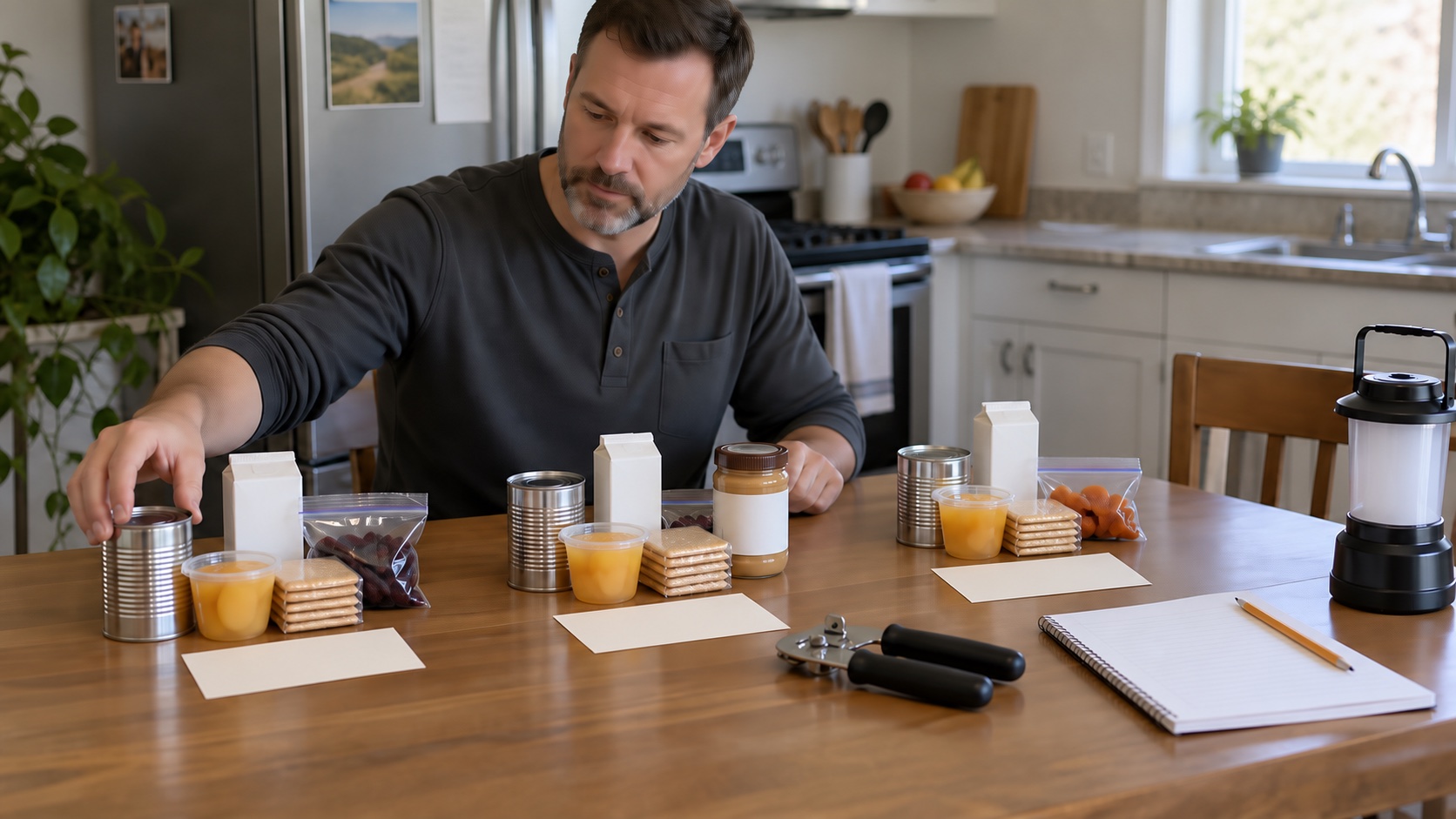
Build a three-day emergency food supply from meals your household will actually eat when the refrigerator, stove, microwave, tap, or grocery trip is unavailable. Start with three breakfasts, lunches, dinners, and realistic snacks per person. Choose nonperishable food that needs no refrigeration, little or no cooking, and as little stored water as practical. Then test the menu, store it safely, and rotate it through normal meals before it becomes waste.
Food depends on water
Calculate the emergency water supply separately
The food plan cannot quietly spend water that was counted only for drinking. Use the household, pet, and animal worksheet before choosing meals that boil, mix, or create extra cleanup.
Build the emergency water planThe food problem hiding inside the water math
When I worked through our emergency-water math, I started with the clean number: people times days times gallons. It felt reassuring because the containers gave the plan a visible finish line. Then I began mentally walking through meals. Pasta needed boiling water. Rice needed water. Oatmeal needed water. Coffee needed water. Each one left a pot, cup, or bowl that would need some kind of cleanup.
The pantry looked prepared until I imagined the tap not working. Then the same shelf became a line of small withdrawals from the water supply and the cooking plan. None of those foods was a bad pantry choice. They were simply borrowing from another emergency system without appearing on its math.
That was the useful turn for me. The first three days did not need to be an impressive menu. They needed to work under the worst ordinary constraint we were planning for. Familiar food that could be opened, portioned, eaten, and cleaned up with very little water created more real margin than a deep shelf of ingredients waiting for the kitchen to behave normally.
A three-day supply is not the same as a rotating pantry
A rotating pantry supports ordinary meals and grocery gaps. A three-day emergency supply is a tested subset that still works when normal food systems are interrupted. The same can of soup may belong to both, but the emergency plan asks harder questions: Can it be eaten without heat? Does it require added water? Can the package be opened? Will one person finish it before it needs refrigeration?
Keep the broader rotating pantry system working around ordinary meals. The emergency food can rotate through that pantry instead of becoming a sealed tote nobody wants to inspect. Different jobs do not require completely separate food. They require a clear subset and a deliberate test.
Define the interruption before buying food
A snowstorm that keeps everyone home, a summer outage, a boil-water advisory, and an evacuation do not create the same food problem. This guide builds a modest home supply. A portable evacuation kit must also respect weight, heat inside vehicles, shelter rules, transportation, medicines, documents, and the needs of every person and animal traveling.
Count meals, not cans
A pile of twelve cans does not reveal whether the household has breakfast, whether one child can eat any of it, or whether opening one container creates three servings with nowhere cold to keep the other two. Start with people and meals, then let the menu produce the shopping list.
Do not use someone else's calorie target as a shortcut for household planning. Age, body size, activity, climate, pregnancy, health conditions, and emergency demands differ. For a short starter supply, the useful test is whether three complete days contain familiar, filling food that fits each person's known needs. Anyone with a medically prescribed diet should build the emergency version with their clinician or dietitian.
A one-adult menu test you can rewrite
The example below is an inventory exercise, not a nutrition prescription. It assumes the adult can safely eat every ingredient and has separately stored safe water. Use package labels to size portions, replace allergens, and rewrite the meals around culture, health, appetite, and foods already accepted in your home.
Multiply only after one person's menu works. A second adult may need different quantities. A child is not half an adult by default. An infant may require ready-to-feed formula and feeding supplies selected under current CDC and clinician guidance. Pets need their normal safe food, a way to portion it, and water counted outside the human baseline.
Choose food that survives the no-cook test
Ready-to-eat does not have to mean joyless. Familiar crackers, fruit, spreads, cereal, shelf-stable beverages, canned meals, pouches, and snacks can make three disrupted days feel more ordinary. Include comfort and routine where they fit, but do not build the supply from candy, salty snacks, and caffeine alone. The goal is food the household recognizes and can function on.
Watch the hidden water. Powdered drinks, dehydrated meals, pasta, rice, dry beans, oatmeal, and condensed soup may all be useful in a deeper pantry when power and water are available. They are weaker first-layer emergency choices when every cup of water and every cooking method is uncertain. Keep them in the normal pantry without making them carry the first three days alone.
The one tool the menu may actually require
FEMA and FDA preparedness guidance both call out a manual can opener when canned food is part of the supply. That does not mean buying a dedicated emergency gadget automatically. Take the manual opener already in your kitchen and let each adult who may need it open one of the actual cans in the plan. Check grip, turning effort, cutting, cleanup, and where the opener will live.
If the current opener works, keep it and make its location obvious. If the only opener is electric, slips, rusts, or is difficult for someone in the household to use, a basic manual replacement has earned its place. The OXO model linked below is included because the manufacturer documents large cushioned handles, an oversized knob, manual operation, and a stainless-steel cutting wheel. I am not presenting it as something I have personally tested for years.
Store the food where the hazard will not find it first
Keep emergency food in a cool, dry place protected from pests, household chemicals, physical damage, and temperature extremes. Preserve original labels because they carry ingredients, allergens, lot information, dates, and preparation directions. Use a suitable outer bin only when it improves protection and access; a tote does not make heat-damaged or forgotten food dependable.
If flooding is a credible local hazard, FDA advises storing nonperishable food on shelves safely above contaminated water. Food and beverage packages touched by flood water require current authority guidance; many must be discarded, and package type matters. Do not invent a cleanup method after the water rises. Put the supply higher now and keep the FDA instructions with the household plan.
Let the shelf-stable supply keep the refrigerator closed
USDA says a closed refrigerator keeps food safe for up to four hours during a power outage. A full closed freezer holds temperature for about 48 hours, while a half-full one holds it for about 24 hours. Appliance thermometers and actual food temperature matter when the power returns. Never taste food to decide whether it is safe, and follow the current federal guidance for each item.
The three-day shelf-stable menu protects more than dinner. It removes the urge to keep opening the refrigerator to see what could become a meal. Eat ordinary cold food only when it remains within current safety guidance. Keep the doors shut, make temperature-based decisions later, and let the planned food do the job it was stored to do.
Rotate the supply with one ordinary meal
Twice a year is a useful household review rhythm, not a promise that every food lasts six months. Check package condition, manufacturer dates, recalls, changing needs, tool location, pest evidence, and storage conditions. Move appropriate food into the next normal meal while it is still useful, then replace only what the three-day plan still calls for.
This small check is more useful than buying a sealed assortment and trusting its serving claims. It can reveal that the child will not eat the bar, the opener hurts someone's hand, a large can creates leftovers, the fruit cup needs a spoon, or every dry item makes people reach for more water. Fixing one real failure is preparedness. Adding another unopened box may not be.
Make stored food part of normal life
Build the rotating pantry behind the three-day supply
Use meal-based stocking, visible Eat Next and One-Back zones, and ordinary grocery rotation so emergency food stays familiar instead of becoming forgotten inventory.
Build a rotating pantryWhat matters first and what can wait
A modest three-day supply should protect the grocery budget as well as the household. Add it one normal meal at a time, using the monthly homestead budget framework if the first shop feels too large. Preparedness bought with panic can create a cash emergency while trying to solve a food emergency.
Build the wider food system
Start food security before the future property
Connect the three-day supply to freezer visibility, staple meals, pantry rotation, a small growing experiment, and the household routines available right now.
Build food security where you liveBuild three days the household can really use
The best emergency food shelf is not the one with the longest receipt. It is the one the household can find, open, eat, and safely rotate under the constraints most likely to interrupt home. Write the meals. Count the people. Protect medical and dietary needs. Make water and cooking assumptions visible. Then test one meal before expanding anything.
Working through the water math reminded me that household systems borrow from one another. Food uses water. Cooking uses power. Large packages use refrigeration. Every hidden dependency makes the plan a little more fragile. Three quiet days of familiar, low-preparation food will not solve every emergency, but they can remove those first avoidable decisions when the rest of the house is already asking enough.
Frequently asked questions
How much emergency food should I store?
FEMA's current Ready checklist calls for nonperishable food for several days. This guide uses three days as a concrete first milestone, not a ceiling. Build that amount from three real days of meals and snacks for every household member, then adjust for age, appetite, allergies, medical diets, infant feeding, pregnancy, disability, pets, local hazards, evacuation plans, and longer guidance from local authorities.
What foods belong in a three-day emergency supply?
Choose familiar nonperishable foods your household already eats that require no refrigeration, little or no preparation or cooking, and little water. Useful categories can include ready-to-eat canned foods, fruit cups, crackers, dry cereal, shelf-stable single-serving milk, nut or seed butter when allergies allow, dried fruit, and bars. Follow every package's storage and preparation directions.
How do I calculate three days of food for a family?
Write three breakfasts, three lunches, three dinners, and the snacks each person would realistically need. Count actual package servings and make sure opened packages will not create leftovers that require refrigeration. Add separate food and feeding supplies for infants, medical diets, pets, and service animals. Do not estimate by can count alone.
Does emergency canned food need to be cooked?
Many commercially canned ready-to-eat foods can be eaten without heating, but not every shelf-stable product is ready to eat. Read and keep the original label, follow its preparation directions, and avoid any item that depends on unsafe improvisation. A food that needs boiling, added water, or refrigeration after opening must be planned with those limits in mind.
How often should I check emergency food?
Put the supply on a recurring household schedule, such as a twice-yearly review, and check it after every use, move, leak, pest problem, recall, dietary change, or major change in family needs. Inspect package condition and manufacturer dates, move usable food into normal meals before quality declines, and replace only what the plan still needs. Infant formula requires special attention to its use-by date.
How long is refrigerated food safe during a power outage?
USDA says a closed refrigerator keeps food safe for up to four hours. A full closed freezer holds temperature for about 48 hours and a half-full freezer for about 24 hours. Use appliance thermometers, keep doors closed, and follow current USDA or FDA guidance for evaluating food. Never taste questionable food to decide whether it is safe.
Recommendations
Useful tools and resources for this decision
These are included only where they reduce repeated friction, clarify a next step, or help you avoid buying the wrong thing first.
Vetted manual opener
OXO Good Grips Soft-Handled Manual Can Opener
A current manual opener with large cushioned handles, an oversized turning knob, and a stainless-steel cutting wheel. It works without household power and is easy to test before an outage.
Best for: Households whose emergency menu includes standard cans and whose current opener is electric, unreliable, missing, or difficult to grip
Check current priceManufacturer source
OXO manual can opener specifications
The manufacturer's current page lists model 28081 with large cushioned handles, an oversized knob, a stainless-steel cutting wheel, and manual operation.
Best for: Checking the exact model and features before deciding whether it improves on the opener already in the kitchen
View resourceFederal preparedness source
FEMA Ready emergency supply kit checklist
The federal starter checklist calls for water and nonperishable food for several days plus a can opener when canned food is included.
Best for: Checking the food plan against the rest of a basic household emergency kit
View resourceFood-safety source
USDA emergency food-safety guidance
Federal instructions for refrigerator and freezer temperatures, outage timelines, thawed food, coolers, and deciding what must be discarded.
Best for: Making the cold-food plan before a power outage and checking food when power returns
View resourceHealth preparedness source
CDC personal-needs preparedness guidance
Current reminders to include specialty foods for infants, allergies, sensitivities, dietary restrictions, and medical conditions in an emergency supply.
Best for: Reviewing needs that a generic emergency-food list can miss
View resourceStorm food-safety source
FDA storm food and water guidance
Current federal guidance for protecting food before storms and handling power outages, damaged packages, flood exposure, thermometers, ice, coolers, and manual openers.
Best for: Households preparing for storms, flooding, or extended power loss
View resourceRecommended next reads
Read next if it helps the decision
Move into the next guide only if it clarifies the next practical step.
Systems
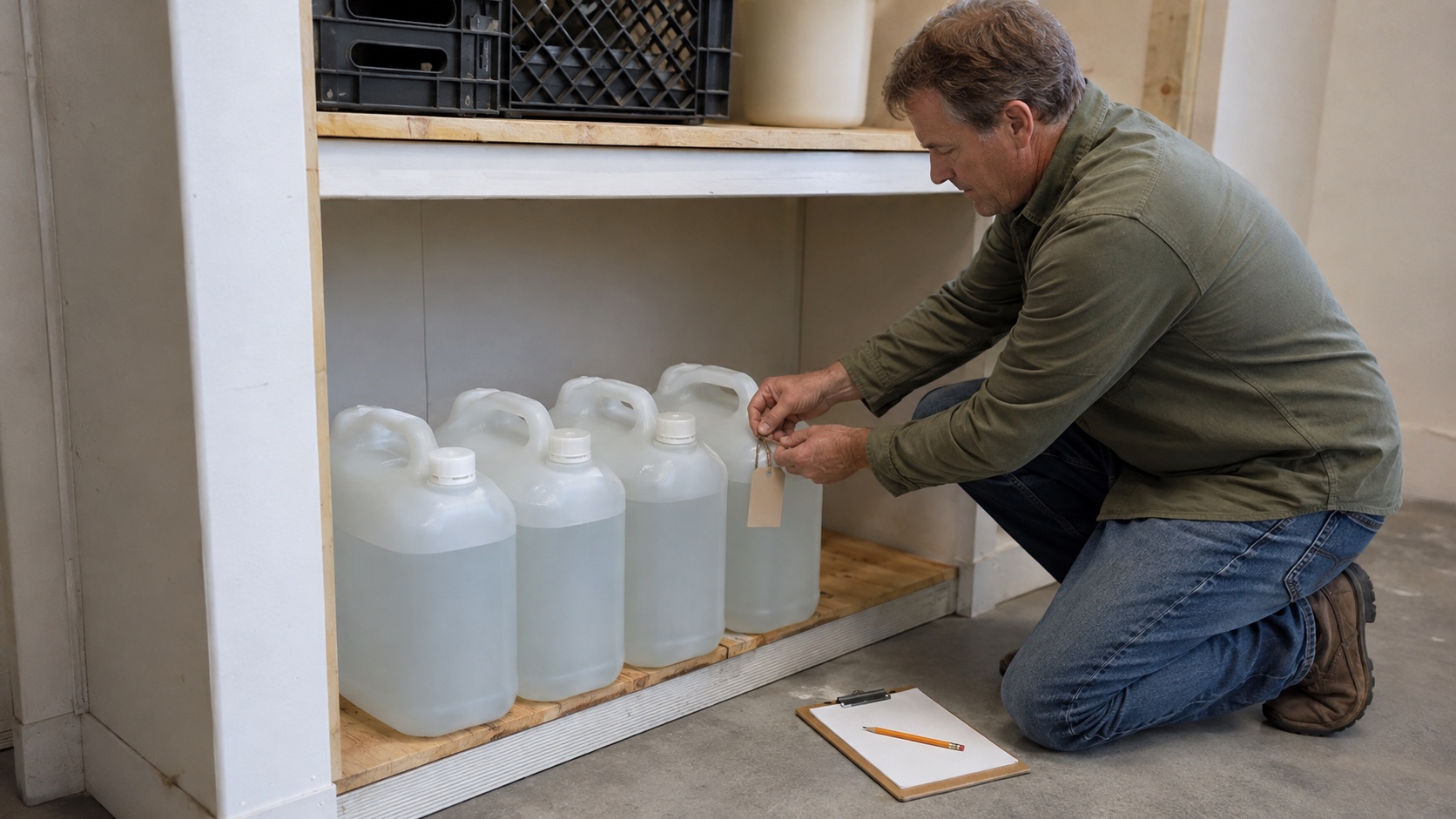
How Much Emergency Water Should a Homestead Store?
Calculate a realistic emergency water supply for your household, pets, and animals, then store it in containers you can safely use and rotate.
Fresh Start
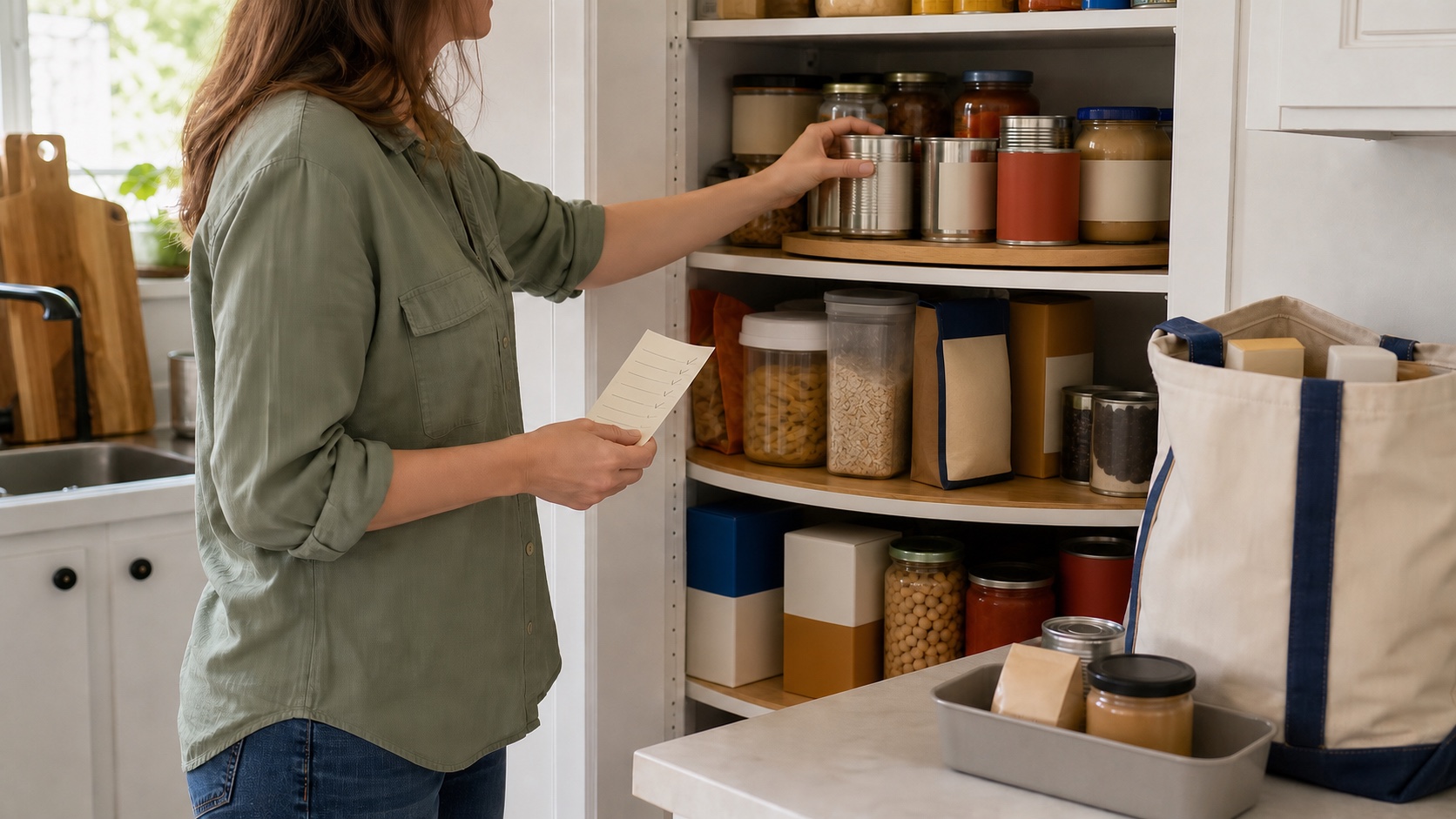
How to Build a Rotating Pantry Without Wasting Food
Build a small rotating pantry around meals your household already eats, then use a simple three-zone system to keep older food visible, useful, and out of the trash.

Fresh Start
How to Start Building Food Security Before You Move
A practical guide to building food security before you move, buy land, or make a bigger lifestyle change.
Weekly rhythm support
Get the weekly reset planner that keeps the week from scattering.
A print-friendly weekly planner for resets, anchor tasks, and the few routines that make the house feel steadier.
Best for: Readers who need a calmer household rhythm before they need more projects.
- A weekly anchor planner
- A reset checklist
- A what-to-drop, delay, or delegate review
Low-noise notes on routines, resets, and steadier household systems.
After signup, the download will unlock right here so you can save or print it.
About the author
William Mock
Founder, writer, and beginner homesteader
William writes from the beginner side of rebuilding after a layoff: homestead plans, family systems, budgets, tools, and the decisions that make a home feel less fragile.
Read why this site existsRelated Guides
Keep building context
Systems
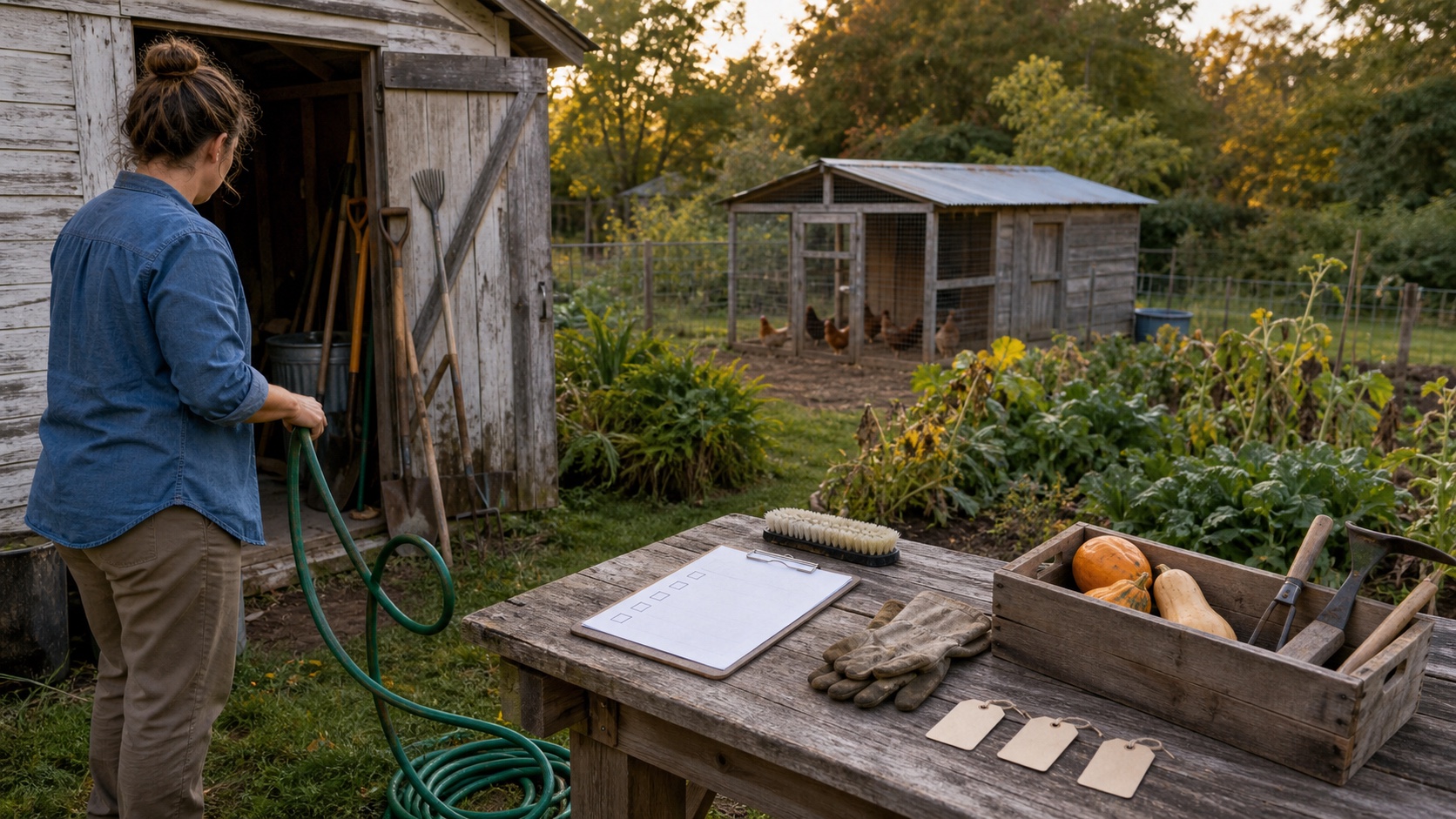
Fall Homestead Checklist for Beginners: What to Finish Before Cold Weather
A practical fall homestead checklist for sorting safety, animals, garden harvests, water, tools, food storage, and unfinished projects before cold weather arrives.
Systems
How to Build a Homestead Backup Plan Before You Need It
A practical one-page homestead backup plan for sick days, travel delays, power or water problems, and any day the usual caretaker cannot carry the routine.
Budgeting
How Much Emergency Fund Does a Beginner Homestead Need?
A practical way to build a beginner homestead emergency fund without confusing household savings, recurring costs, repairs, and future projects.