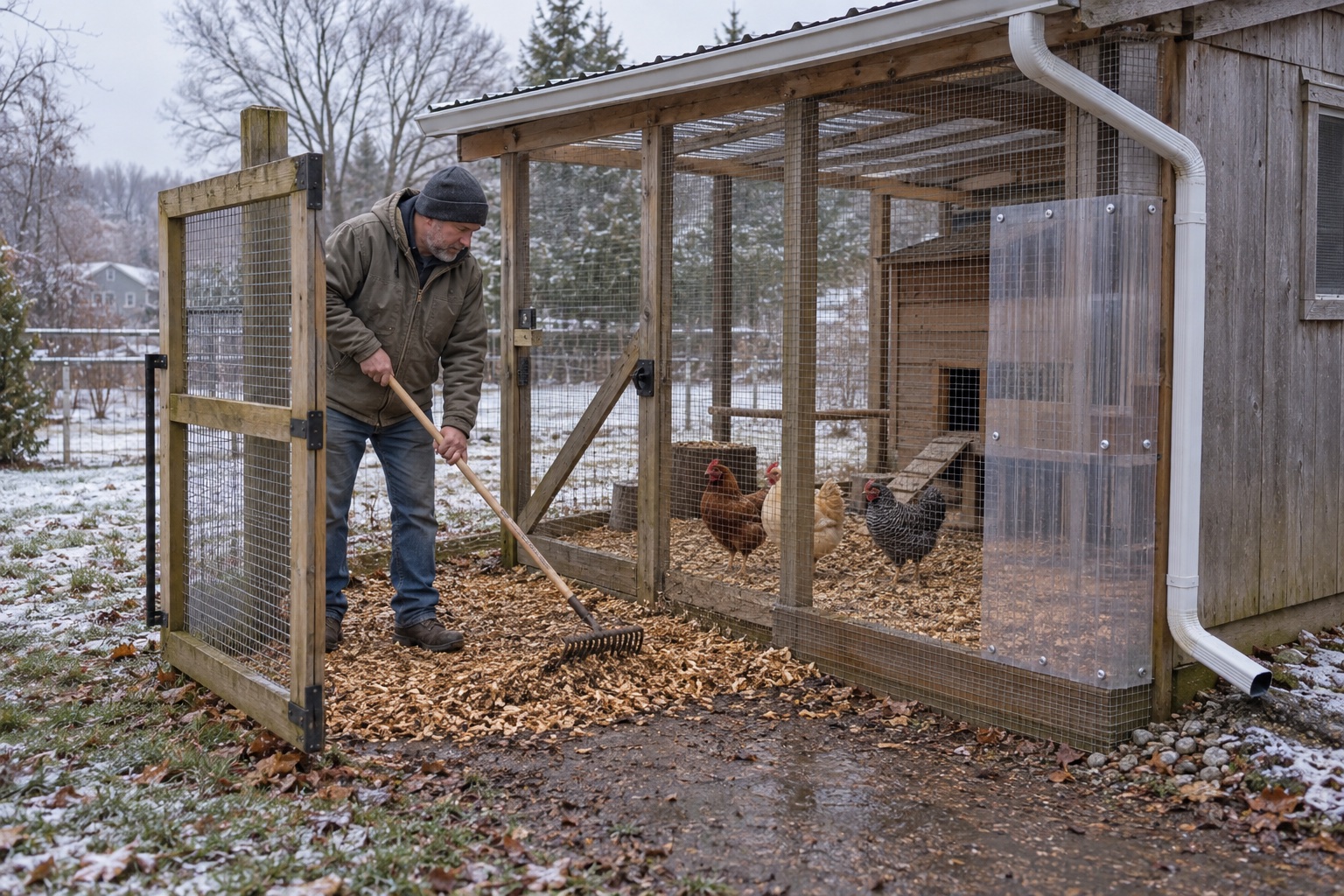
To prepare a chicken run for winter, fix incoming water first, create at least one reliably dry and sheltered area, block direct wind without wrapping the run airtight, inspect fencing and overhead protection, and make the daily route safe for carrying feed and water. Do that before adding bedding, buying panels, or building a shopping list with ambitions of its own.
A useful winter run does not have to be warm or pretty. It needs dry footing, weather relief, secure boundaries, clean water, and a gate you can operate while wearing gloves. Chickens do not read the winterization checklist, but they are remarkably good at finding the one patch that turns into soup.
The yard taught me to look at the work, not the picture
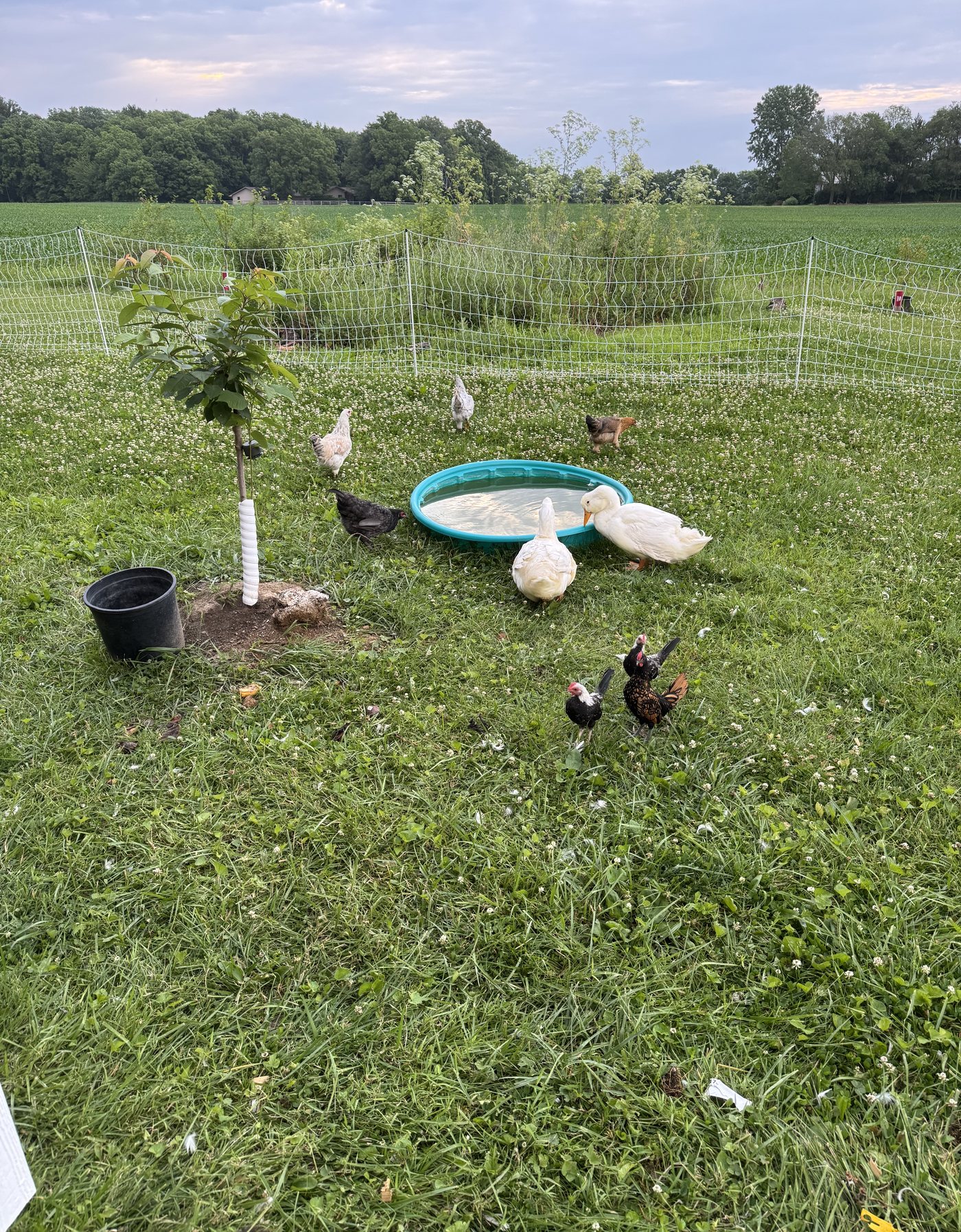
When I first looked at our chickens scattered across a real yard, the scene did not resemble the tidy run photos I had studied. A small tree was trying to become shade. Poultry netting needed to sit correctly. Grass was already losing an argument it had never agreed to have. The birds kept wandering toward the place I had not expected them to use, and suddenly the location of the water mattered more than every decorative idea I had saved.
That moment shaped my beginner chicken-yard setup: watch what the birds and the ground actually do before deciding what the space needs. Winter makes that lesson less forgiving. The pleasant low spot in September can become the muddy gate in November and the frozen rut you carry water across in January.
I have learned to trust ordinary friction as information. If I step around the same puddle three mornings in a row, that is not a quirky feature of the property. It is the system asking for attention. The goal is not a run that photographs well after the first snow. The goal is a run that still works on a dark weekday when everyone is tired and dinner is already late.
Watch the run during rain before you add anything
The best winter-run inspection happens while water is moving. From outside the enclosure, watch where roof runoff lands, where water enters under fencing, where the gate path collects it, and where the flock has worn the soil lowest. Check the waterer for slow leaks too. A run can look fine two dry days after a storm and still have an obvious drainage failure while the rain is falling.
USDA APHIS recommends grading property to avoid pooling water and addressing areas where water remains for more than 48 hours after heavy rain. That advice also serves biosecurity: standing water can attract wildlife, and walking equipment or footwear through it can move contaminants toward poultry areas.
Simple fixes may include cleaning a sound gutter, extending a downspout to an appropriate discharge point, moving a leaking waterer, or protecting a worn traffic zone. Regrading, drains, retaining work, buried utilities, foundations, neighboring property, and major roof runoff deserve local expertise. Move the water safely; do not simply send your chicken-run problem downhill to somebody else.
Fix drainage before covering mud with bedding
Fresh surface material can make a well-drained run more usable, but it cannot make water stop arriving. If a low spot fills from runoff, piling straw or chips into it creates a thicker wet spot. The new layer may look encouraging for a day, which is just long enough for the problem to send a thank-you note.
Use clean, untreated material that is safe and available in your area. Avoid treated lumber waste, unknown demolition chips, moldy bedding, sharp debris, and aromatic products not recommended for poultry. Local Extension guidance is more useful than a universal internet claim because soil, rainfall, freeze-thaw cycles, and available materials vary.
Give the flock one reliably dry, sheltered section
Penn State Extension emphasizes dry, well-drained poultry housing and notes that covered runs provide stronger predator protection. UNH Extension also recommends bedding in an enclosed run during winter. The practical beginner target is not to roof every square foot at any cost. It is to provide a secure area where birds can get out of precipitation and stand, scratch, eat, or drink without remaining on wet ground.
Any existing roof or cover must be suitable for the wind, rain, ice, and snow loads where you live. Inspect it from the ground for loose panels, rot, sagging, missing fasteners, sharp edges, and water that drains into the enclosure. Do not climb onto a wet or icy run, and do not turn a lightweight summer shade tarp into a winter roof unless its complete support system was designed for that job. A tarp has strong opinions once the wind gets involved.
Add a windbreak, not a sealed plastic box
A partial windbreak on the side that receives the hardest prevailing weather can make a sheltered run more usable. It should be securely attached, smooth-edged, out of pecking reach, and compatible with the structure. Start with the smallest protected area that solves the exposure problem, then observe the birds and moisture after weather moves through.
Do not wrap the entire run airtight. Moisture still needs a way out, and a clear sunny enclosure can warm more than expected on a bright day. Leave substantial open screened area, never block coop vents, and check for condensation, stale air, flapping material, loose fasteners, and snow pressing against panels. The focused guide to winter coop ventilation and drafts explains the separate job of moving damp coop air without blowing directly across roosting birds.
Place winter water and feed where the run can support them
Put water on stable footing where spills will not soak the main shelter or gate path. Keep it easy to reach for every bird and easy for a person to refill without ducking under loose material or crossing ice. A heated system may be useful in some setups, but the full heated waterer versus heated base comparison covers equipment compatibility and electrical tradeoffs. The run still needs a manual backup when power fails.
Protect feed and water from wild birds when practical, clean spills promptly, and keep stored feed in a secure dry container. APHIS identifies standing water and exposed food as wildlife attractants. Winter does not suspend biosecurity just because the mosquitoes took the season off.
Inspect the gate, latches, fencing, and predator edges
Freeze-thaw movement can change a gate that worked in August. Operate it with gloves on. Confirm that it opens without dragging, closes completely, and latches with one hand while the other hand is carrying something. Clear the swing path and make sure snow storage will not block it later.
A winter run is not a replacement for secure night housing. Lock birds into their predator-resistant coop on the routine appropriate for your setup, and use the beginner predator-proofing guide for hardware, openings, and night-security priorities.
Treat the human route as part of the chicken system
The flock depends on a person reaching it consistently. Walk the complete winter route from the house or storage area to the run. Notice slopes, downspout crossings, dark steps, hose remnants, extension cords, gate thresholds, and the place where you set a waterer while opening the latch. Remove trip hazards and decide how the path will be cleared without pushing meltwater toward the birds.
Dedicated washable boots can help keep poultry-area mess out of the house and support a cleaner chore boundary. I researched the Muck Chore Classic Mid as one specifications-based option for repeated wet chores; I am not claiming a long-term personal test, and fit is personal. The fuller rubber chore boot guide explains the fit, cleaning, and lower-cost alternatives. Buy boots if they solve your route. Do not buy boots as a drainage strategy.
A realistic six-hen winter run example
Imagine six hens in a modest attached run. The gate area turns muddy after rain, roof water lands beside one corner, the west side takes the strongest weather, and only the section nearest the coop is roofed. The beginner temptation is to wrap all four sides, order several bags of material, and start building a larger roof before Saturday lunch.
A better sequence is smaller. First, route the roof discharge to an appropriate location and watch the next rain. Second, correct the gate low spot or get local help if grading is needed. Third, refresh safe footing only after the base drains. Fourth, secure one partial wind panel on the west side while leaving open screened area. Fifth, place water on stable footing under the existing shelter and prove the refill path works. Then watch the six hens use it before adding anything else.
Do this 20-minute winter-run walk before the first freeze
A winter run should support the routine, not become the routine
The best winter preparation removes repeated trouble. Water goes away from the gate. One area stays dry. The windbreak remains attached. The latch works with gloves. Feed and water checks do not require an obstacle course. None of that is glamorous, which is probably why it works.
Start with drainage, shelter, security, and access. Let the next rain and the first cold week show you what still needs attention. When snow arrives, use the focused guide to decide whether chickens should go outside in snow based on footing, wind, wetness, shelter, and individual birds. Then use the broader winter chicken care checklist to review water, the coop, ventilation, roosts, feed, bird condition, and outage planning before the weather settles in.
Frequently asked questions
Should I cover my chicken run in winter?
A securely built covered section can keep part of the run drier and give chickens useful weather shelter, but an improvised tarp is not automatically a safe winter roof. Any cover must be secured for local wind, rain, ice, and snow conditions, must not overload the run, and should not seal away necessary airflow. Have questionable structures evaluated locally before winter weather arrives.
What should I put on the floor of a chicken run in winter?
Start by correcting the source of standing water. On a well-drained run, a locally appropriate layer of clean, untreated coarse wood chips or other safe bedding may provide better footing and absorb minor surface moisture. Do not use moldy or treated material, and do not expect a fresh layer to fix runoff, a leaking waterer, poor grading, or chronic mud underneath.
How do I keep a chicken run from getting muddy in winter?
Watch the run during rain, divert roof discharge away, repair leaks, move water away from the main traffic path, protect the gate area, and correct low spots or drainage problems with locally appropriate help. Add clean surface material only after dealing with incoming water. USDA APHIS specifically recommends grading areas where water remains more than 48 hours after heavy rain.
Can I wrap a chicken run in clear plastic for winter?
A securely fastened partial wind panel can protect one weather-facing side, but do not wrap the entire run airtight. Leave ample open screened area, keep material out of birds' reach, remove sharp edges, and make sure the framing and fasteners are suitable for local wind and snow. Loose plastic can flap, tear, trap moisture, and create a hazard.
Will chickens use an outdoor run in snow?
Some chickens readily use a dry, sheltered run in cold weather, while others avoid snow or strong wind. Give the flock a safe choice, keep access clear, provide dry footing and weather shelter, and watch actual behavior. Do not force a vulnerable or reluctant bird outside just to satisfy a winter routine.
Recommendations
Useful tools and resources for this decision
These are included only where they reduce repeated friction, clarify a next step, or help you avoid buying the wrong thing first.
Optional researched chore boot
Muck Chore Classic Mid
A mid-height waterproof chore boot with a rubber exterior, 5 mm neoprene upper, reinforced toe and heel areas, mesh lining, and removable EVA footbed according to the manufacturer.
Best for: Repeated wet run checks when a washable mid-height boot fits your foot, heel, calf, socks, and working temperature
Check current priceFederal biosecurity source
USDA APHIS: Protect Poultry From Wildlife
Current federal biosecurity guidance on standing water, wildlife access, feed spills, water sources, and practical property management around poultry.
Best for: Checking the biosecurity reasons behind drainage, covered feed and water, and wildlife control
View resourcePoultry housing reference
Penn State Extension small-scale poultry housing guide
Extension guidance covering dry, well-drained poultry housing, outside runs, weather protection, predators, ventilation, and water placement.
Best for: Reviewing the basic housing principles behind a winter run plan
View resourceWinter care reference
UNH Extension winter chicken guide
Practical winter flock guidance covering weather shelter, enclosed-run bedding, water, ventilation, and cold-weather care.
Best for: Checking a run plan against broader winter flock needs
View resourceRecommended next reads
Read next if it helps the decision
Move into the next guide only if it clarifies the next practical step.
Chickens
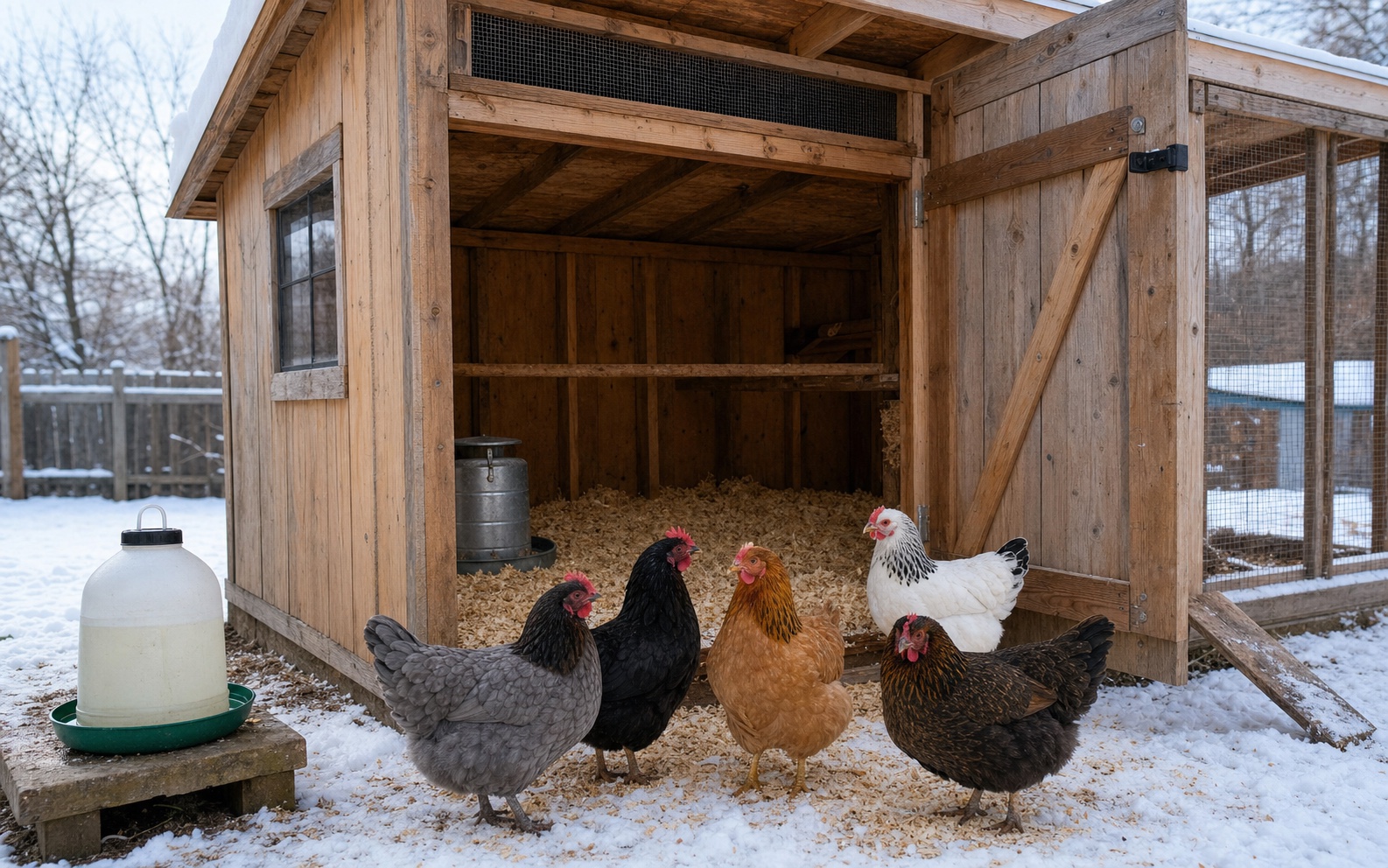
Winter Chicken Care for Beginners: Prepare Before the First Freeze
A practical first-winter checklist for unfrozen water, dry bedding, useful ventilation, safe power, flock checks, feed, frostbite risk, and cold-weather routines.
Chickens
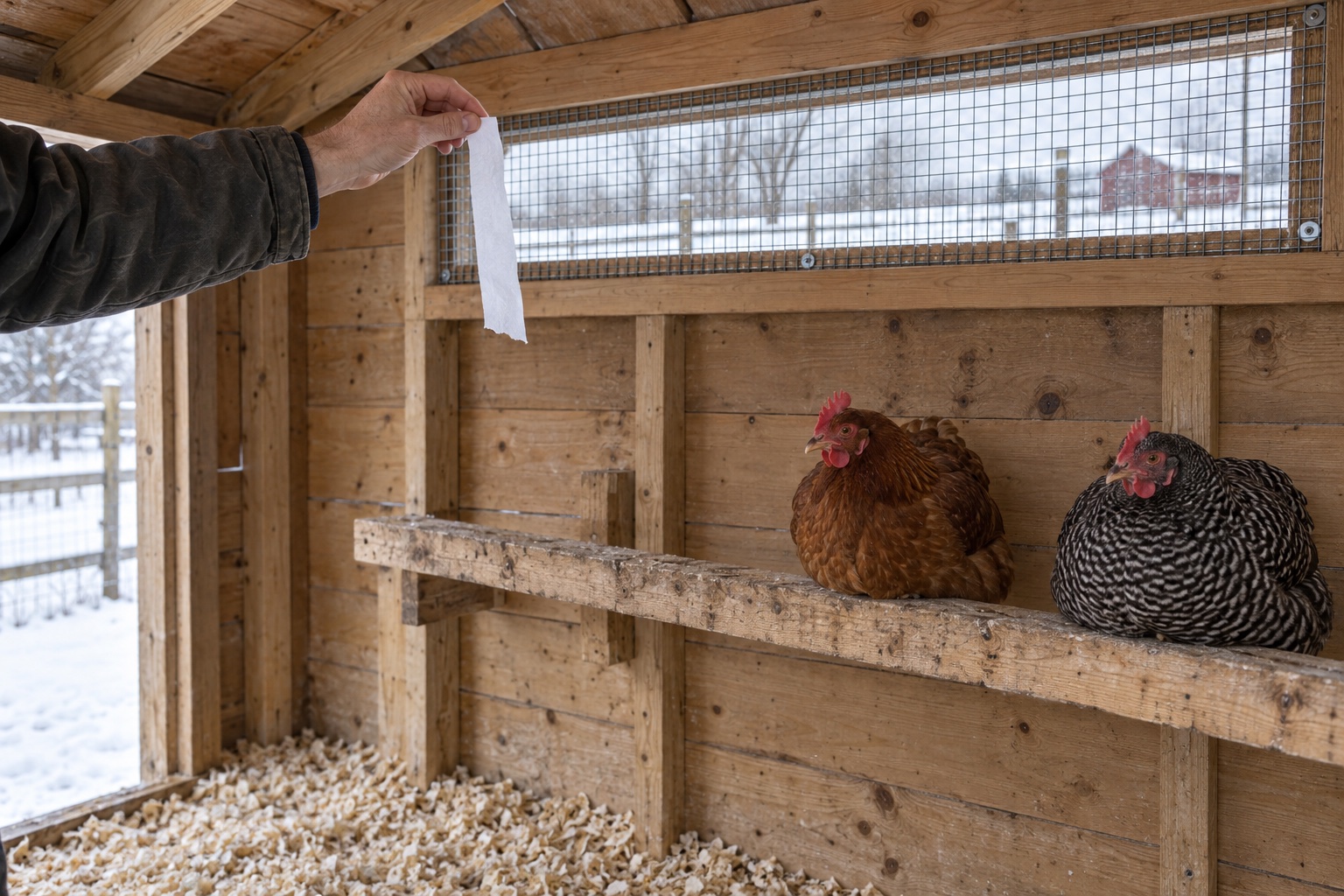
Chicken Coop Ventilation in Winter: Drafts vs. Airflow
Ventilate a chicken coop in winter by letting damp, stale air escape high above the roost while blocking direct wind across resting birds and fixing moisture at its source.
Tools
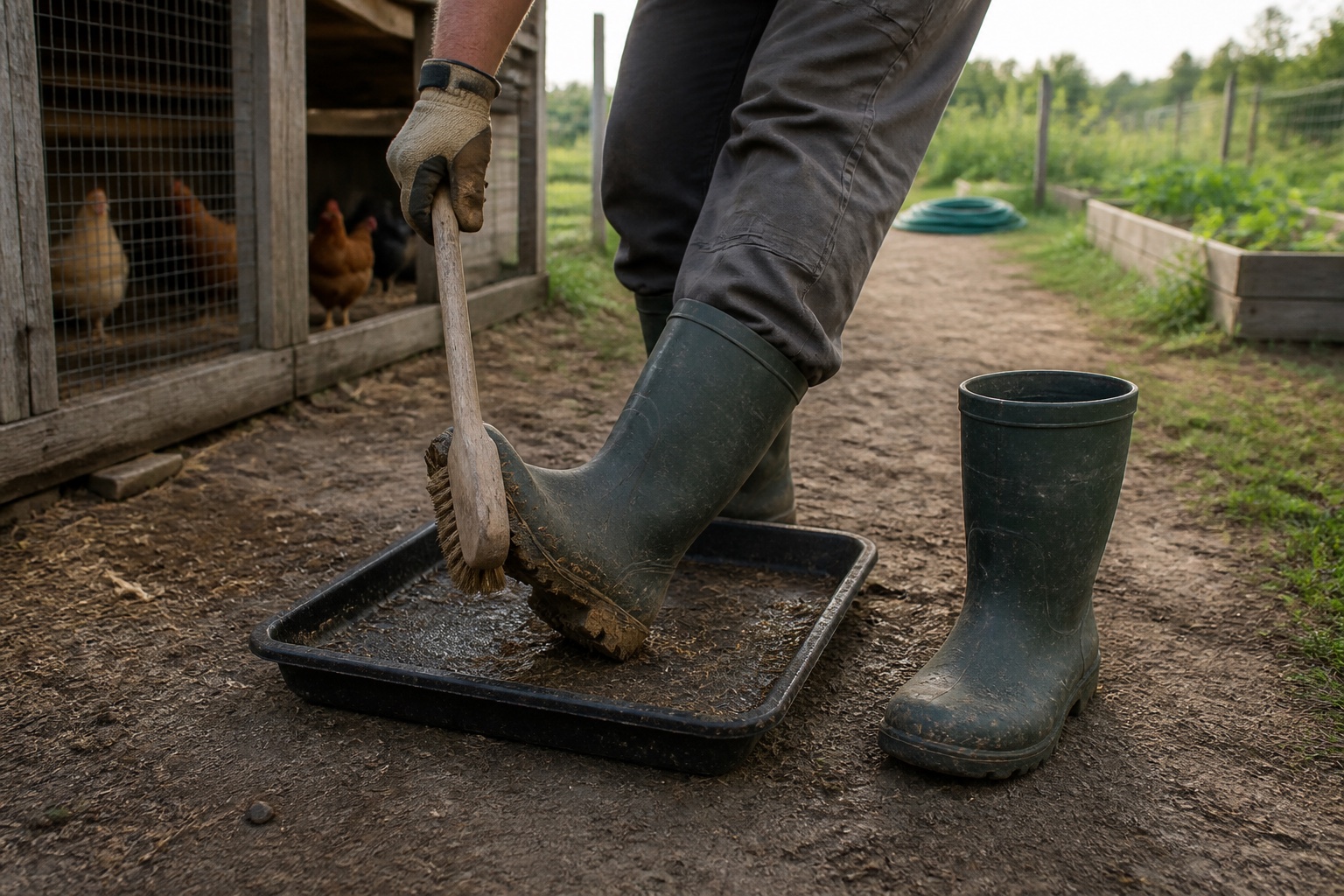
Best Rubber Boots for Chicken Coop and Garden Chores
Choose washable chore boots by work zone, fit, traction, height, weather, and the chores you actually repeat.
Chicken setup support
Get the chicken setup checklist before you buy more flock gear.
Use the first-year checklist to price the flock honestly, cover the starter essentials, and delay the upgrades that can wait.
Best for: Readers trying to price a first flock honestly and avoid a scattered chicken setup.
- A pre-chick setup checklist
- A recurring-cost planning section
- A simple weekly flock-care rhythm
Chicken setup notes, beginner flock lessons, and the checklist first.
After signup, the download will unlock right here so you can save or print it.
About the author
William Mock
Founder, writer, and beginner homesteader
William writes from the beginner side of rebuilding after a layoff: homestead plans, family systems, budgets, tools, and the decisions that make a home feel less fragile.
Read why this site existsRelated Guides
Keep building context
Chickens
Winter Chicken Care for Beginners: Prepare Before the First Freeze
A practical first-winter checklist for unfrozen water, dry bedding, useful ventilation, safe power, flock checks, feed, frostbite risk, and cold-weather routines.
Chickens
Beginner Chicken Yard Setup: What to Put Inside the Run
A practical beginner guide to setting up a chicken yard or run with shade, water, dust bathing, fencing, storage, and daily-care access that actually works.
Chickens
Chicken Coop Ventilation in Winter: Drafts vs. Airflow
Ventilate a chicken coop in winter by letting damp, stale air escape high above the roost while blocking direct wind across resting birds and fixing moisture at its source.