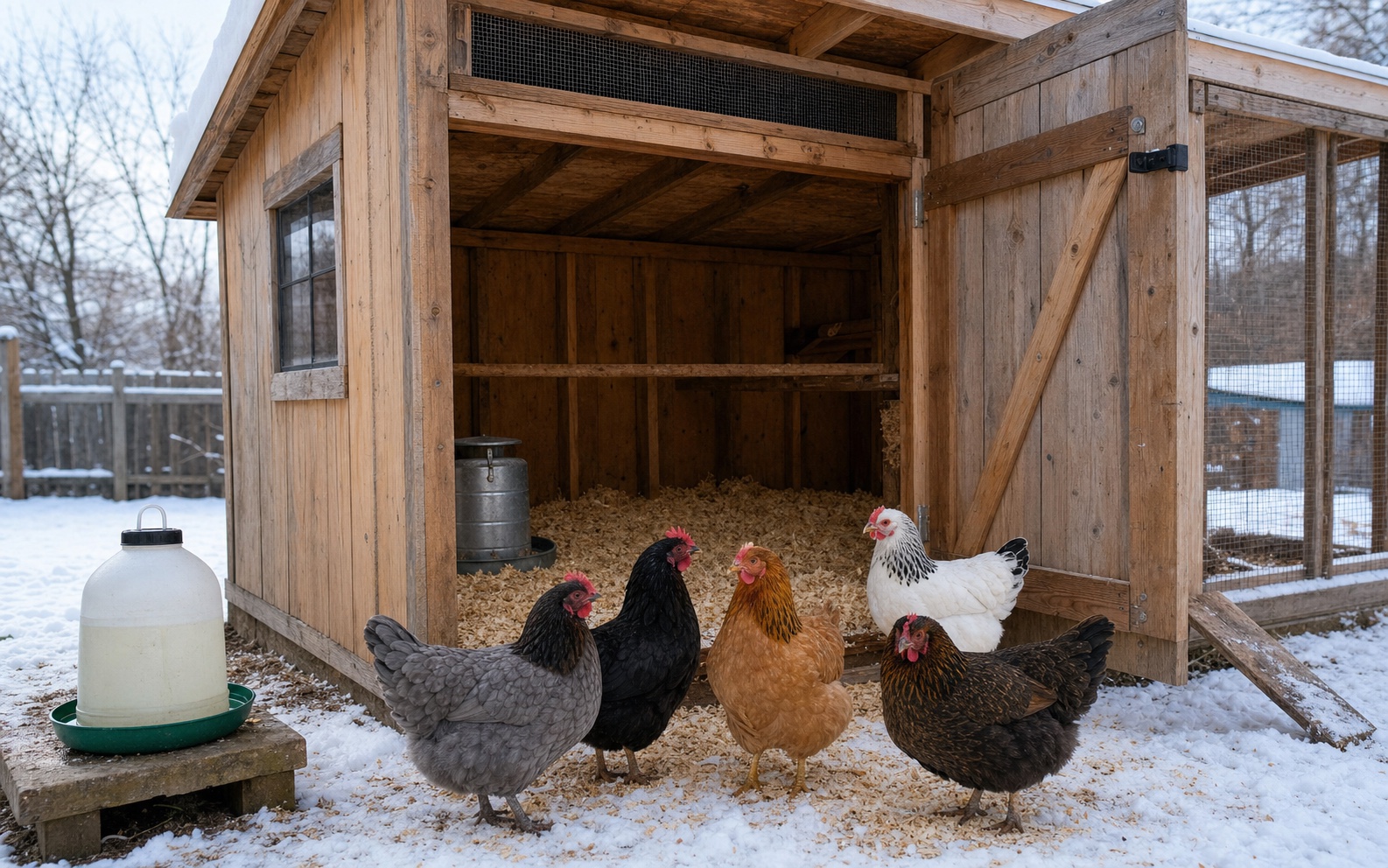
Winter chicken care starts with reliable water, a dry and ventilated coop, a complete feed routine, and closer observation of the birds most likely to struggle. Prepare those systems before the first freeze. Waiting until a waterer is solid ice on a dark morning turns a manageable job into an emergency.
For most beginners, the goal is not to make the coop feel warm to a person. It is to keep the flock protected from precipitation and direct drafts while letting damp air escape. Cold, dry air and cold, wet air are not the same problem.
Why I am thinking about frozen water in July
It feels a little ridiculous to stand in a hot July yard and picture a waterer frozen solid. Right now the daylight lasts, the hose works, and checking the chickens does not require gloves or a flashlight before dinner. Winter can feel far enough away to leave for another week.
But rebuilding life after a layoff changed the way I look at ordinary systems. The hardest days are usually not improved by one more ambitious project. They get better when the boring question was answered early. For winter chickens, that question is simple: what stops working first when the temperature drops?
My first thought used to be warmth. The more useful answer is water. A cold morning becomes a family problem fast when the only poultry waterer is frozen, the spare is buried in the shed, and the power plan begins with an extension cord stretched across wet ground. Thinking through that scene on a hot day is not exciting, but it is exactly the kind of preparation that gives us more margin when the weather turns.
Build the ordinary routine first
Start with a chicken-care rhythm your family can maintain
A winter plan works better when feeding, watering, observation, egg collection, and evening lockup already have clear owners.
Use the daily chicken routineMake unfrozen water the first winter system
Chickens need free access to fresh, clean water in cold weather just as they do in summer. Frozen water can reduce feed intake and create stress long before a beginner notices a dramatic health sign. The system has to work on weekdays, during a cold snap, and when the person who normally handles chores is unavailable.
There are two sensible beginner approaches. The first is manual: keep a second waterer ready, carry out liquid water, and rotate the frozen container inside to thaw. The second uses a heated base or heated poultry waterer designed for the job. Neither approach is automatic. Manual swaps require time and consistency; heated systems require compatible equipment, safe power, and a backup for outages.
Keep the coop dry without sealing away ventilation
Beginners often hear both 'stop drafts' and 'ventilate the coop,' which can sound contradictory. A draft is moving air blowing directly across roosting birds. Ventilation is controlled air exchange, usually placed high enough to let humid, stale air leave without sending a cold stream across the flock.
Chicken manure contains a great deal of moisture. Respiration adds more. In a tightly closed coop, that moisture can condense on windows, walls, combs, and wattles. Ammonia can build up at the same time. If the coop smells sharp or surfaces stay damp, closing it tighter is moving in the wrong direction.
The moisture-control lessons overlap with warm-weather coop care even though the season is different. Use the focused guide to winter chicken-coop ventilation and roost-level drafts to inspect opening placement and trace airflow. The guide to keeping a chicken coop from smelling bad explains how wet litter, manure concentration, airflow, and water spills create the conditions you are trying to prevent before winter.
Moisture leaves clues
Fix the source of coop odor instead of covering it
Use smell, wet spots, spill patterns, and manure buildup to find where the housing system needs attention.
Read the coop moisture guideCheck roosts, bedding, and every bird before cold arrives
A wooden roost lets a chicken settle over her feet while she sleeps. It should provide enough room for the flock without forcing weaker birds onto the floor or into a drafty corner. Avoid metal roosts in freezing conditions, and make sure the surface is stable, dry, and easy for the birds to grip.
Bedding should manage moisture, not hide it. A deep-litter system can work when it is deliberately managed, but piling clean shavings over a wet floor does not solve a leak or a spilling waterer. Choose the bedding routine you can inspect and maintain through an ordinary week.
Then put your hands and eyes on the flock. Weight loss can disappear under feathers. Large combs and wattles, small body size, old age, illness, molt, low weight, and social pressure at the feeder can make one bird less cold-tolerant than the hens beside her. Watch the lower-ranking birds eat and drink instead of assuming shared equipment means shared access.
Breed traits matter in winter
Compare beginner chickens beyond egg color
Body size, comb type, feathering, temperament, and climate fit can matter more than the look of the egg basket.
Compare beginner chicken breedsProtect the feed routine and expect seasonal egg changes
Cold birds use energy to maintain body temperature, but the answer is not to replace a complete ration with scratch grain, corn, or kitchen treats. Keep an appropriate balanced feed available, protect it from moisture and rodents, and watch actual consumption. The separate guide to what chickens should eat in winter covers increased intake, scratch limits, grit, calcium, individual access, and feed storage. Ask a poultry nutrition professional or local Extension office before making major ration changes.
Shorter daylight and molt can reduce egg production. That does not mean the system has failed. If you consider supplemental light, use the focused guide to winter coop lighting for mature laying hens to weigh natural rest against production goals, timing, darkness, and electrical safety. A random bulb left on late can disrupt roosting, and adding another device adds another cord, ignition source, and daily check.
Collect eggs more often during freezing weather because eggs can freeze and crack. The focused guide to preventing frozen chicken eggs helps you build a collection schedule and make the keep-or-discard decision. Inspect every shell. A cracked egg is no longer protected in the same way and should not be treated like an intact egg for household use.
Treat supplemental heat as a specific decision, not a winter rule
Reputable Extension guidance does not give one identical answer about heating adult chickens. UNH Extension generally advises against supplemental coop heat in a properly constructed, mostly draft-free, ventilated coop because combustible bedding and knocked equipment create serious fire risk. University of Minnesota Extension recommends supplemental heat below a stated coop temperature and emphasizes approved equipment, correct installation, protected wires, and professional electrical work.
That disagreement is a reason to reject universal internet rules. Your climate, wind exposure, breed, bird age, health, acclimation, housing, outage risk, and electrical setup change the decision. A healthy, fully feathered, cold-acclimated standard hen is not the same case as a small, ill, underweight, or poorly feathered bird.
Use the focused guide to decide whether chickens need heat in winter before choosing equipment. It compares the conflicting Extension positions, separates flock and housing risk factors, and builds the measurement, electrical-safety, and outage questions into one decision.
The beginner first-freeze chicken checklist
Practice one 48-hour cold snap before winter
Pick a weekend and walk through the plan without pretending the weather is dangerous. Who checks water before work? Where does the frozen container thaw? Who collects eggs before dusk? What bedding is used if the waterer leaks? Where is the feed if the shed door freezes shut? What happens if power is out?
This is the part that fits our fresh-start life. I do not want a homestead system that works only when I have an open calendar and perfect energy. I want one my family can understand when the week is crowded. The rehearsal exposes the extra trip, missing scoop, bad latch, or unsafe cord while fixing it is still cheap.
Where one winter purchase may earn its place
A second basic waterer is the first purchase I would consider because it supports both manual rotation and power outages. If repeated freezes make twice-daily swaps unreliable, a heated poultry waterer or heated base can solve a real bottleneck. Buy for your existing container, climate, power setup, and cleaning routine rather than buying the first product labeled 'winter.'
The Farm Innovators HP-125 is a product-specific example for compatible metal poultry founts. Its instructions matter more than the product listing: confirm the exact container, placement, power, and operating limits before using it. If your coop lacks safely installed electricity, this product is not the shortcut that fixes that problem.
Recommendations
One optional tool and the sources behind this plan
Optional freeze-season tool
Farm Innovators HP-125 poultry heated base
A thermostatically controlled heated base made for compatible metal poultry founts, intended to help keep drinking water available during freezing weather.
Best for: Keepers who already use a compatible metal fount and have a properly installed, protected power source
Check the current instructions and compatibility before buying. It does not replace safe wiring, daily water checks, or a backup plan.
Check current priceCold-weather reference
University of Minnesota Extension cold-weather chicken guide
Detailed guidance on water, ventilation, manure, bedding, roosts, vulnerable birds, frostbite, eggs, and electrical safety.
Best for: A thorough pre-winter flock and coop review
View resourceWinter housing reference
UNH Extension winter chicken guide
Practical winter care guidance that explains wind protection, ventilation, roosts, water, egg collection, and the risks of supplemental heat.
Best for: Understanding why a dry, draft-protected, ventilated coop matters
View resourceManufacturer instructions
Farm Innovators HP-125 instructions
The manufacturer's installation and use instructions for the specific heated base mentioned in this guide.
Best for: Confirming fount compatibility, placement, and operating requirements before use
View resourcePrepare for the ordinary winter morning
The best winter setup is not the one with the most equipment. It is the one that keeps water liquid, litter dry, air moving above the birds, feed available, and vulnerable hens visible to the people caring for them.
That is why the work belongs in July, September, or any calm day before the first freeze. We are not trying to control winter. We are taking the frantic decisions out of one dark morning so the flock gets steady care and the family does not have to improvise under pressure.
Price the whole flock before adding winter gear
See what backyard chickens really cost to start
Housing, birds, feed, bedding, water equipment, health supplies, and recurring care belong in the same beginner budget.
Read the chicken startup-cost guideKeep learning
Build your beginner chicken system one decision at a time
Use the chicken hub to connect flock size, breeds, housing, feed, daily routines, seasonal care, health observation, and egg handling.
Browse backyard chicken guidesRecommended next reads
Your next chicken-care decisions
These guides connect winter preparation to the daily routine, breed traits, and complete startup budget behind a manageable flock.
Chickens
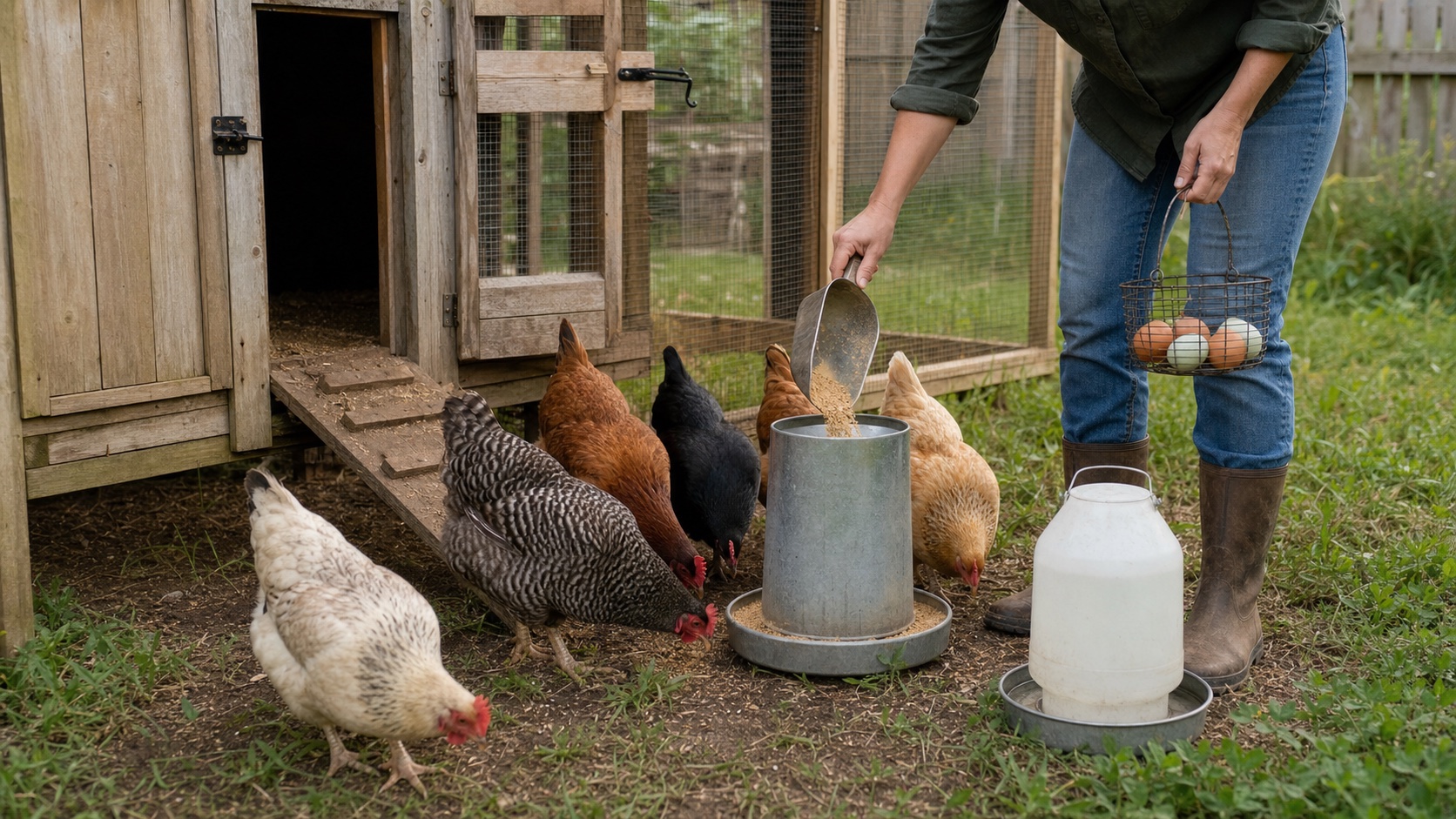
Daily Chicken Care Routine for Busy Families
A realistic morning and evening chicken-care routine built around fresh water, feed, eggs, observation, a secure coop, and the few checks busy families should not skip.
Chickens
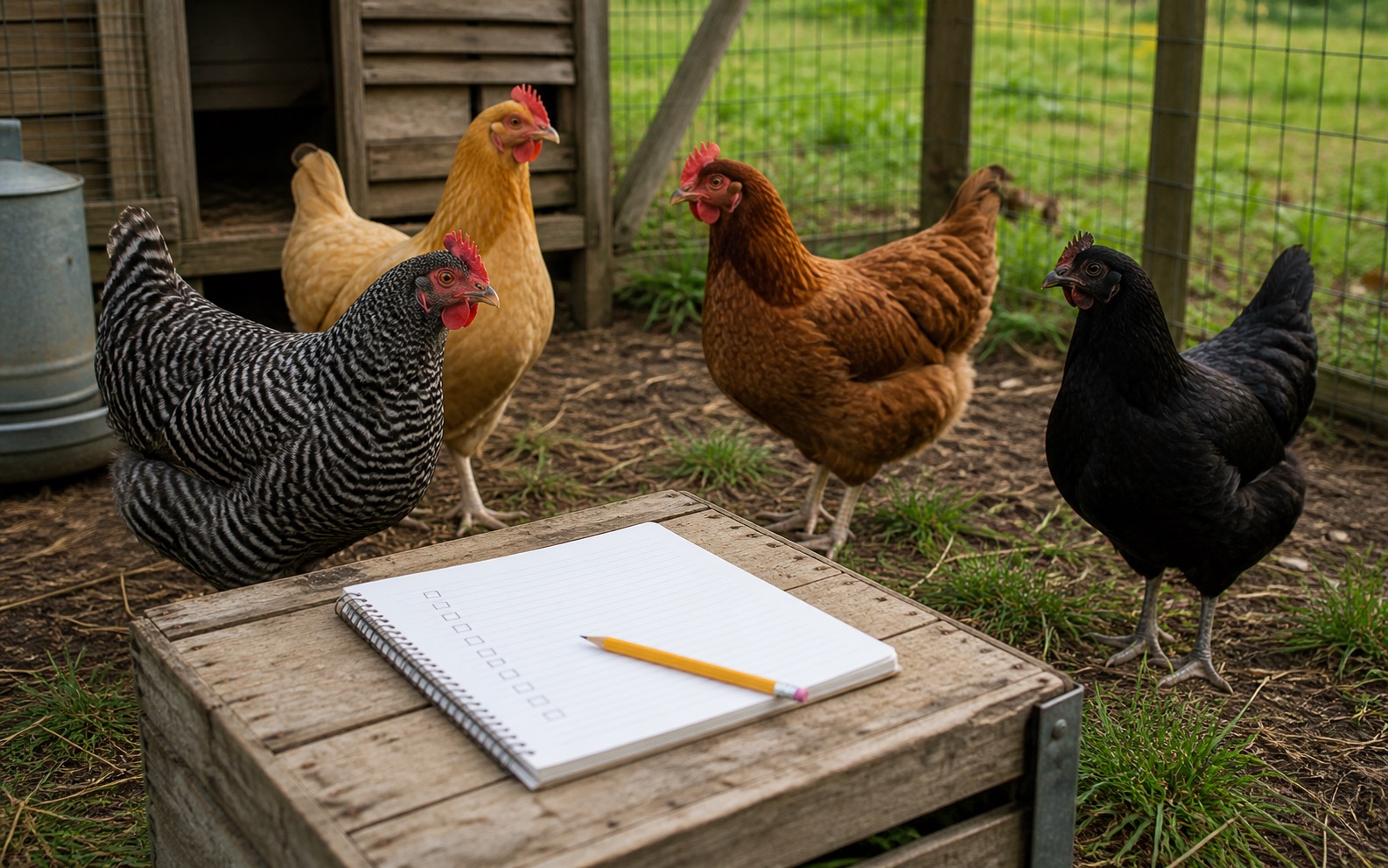
Best Chicken Breeds for Beginners
A practical beginner guide to choosing chicken breeds by temperament, climate, egg goals, local rules, and daily care instead of chasing every egg color at once.

Chickens
The Real Cost of Getting Started With Backyard Chickens
Backyard chickens can be a strong first step into homesteading, but the startup costs and recurring work deserve an honest look.
Frequently asked questions
Do backyard chickens need heat in winter?
There is no universal answer. UNH Extension generally advises against supplemental coop heat because of fire risk in a properly built, dry, ventilated coop, while University of Minnesota Extension recommends supplemental heat below a stated coop temperature. Breed, age, health, acclimation, local weather, housing, and power safety all matter. Ask your local Extension office or poultry veterinarian about your flock, and use only equipment approved for poultry or livestock if heat is truly needed.
How do I keep chicken water from freezing?
Use either a reliable manual swap routine with a second waterer or an appropriately designed heated water system installed exactly as its manufacturer directs. Test the plan before freezing weather, keep cords away from birds, litter, and water, use proper outdoor electrical protection, and never treat an extension cord as permanent coop wiring.
Should I close chicken-coop vents in winter?
No. Block direct drafts at roost height, but preserve high ventilation so moisture and ammonia can escape. Condensation, damp bedding, and ammonia odor are signs that the coop needs better moisture control and air exchange, not tighter sealing.
What temperature is too cold for chickens?
A single temperature cannot describe every flock. Heavy, fully feathered, acclimated birds in a dry and well-ventilated coop often tolerate cold better than small breeds, birds with large combs, young or old birds, underweight birds, and birds that are sick or molting. Watch the birds and coop conditions, not only the forecast.
Do chickens lay fewer eggs in winter?
Many hens lay fewer eggs as daylight shortens, and some pause during molt. That can be a normal seasonal change. Keep providing complete feed, clean water, dry housing, and regular observation rather than trying to force production with extra treats or an improvised light setup.
Recommendations
Useful tools and resources for this decision
These are included only where they reduce repeated friction, clarify a next step, or help you avoid buying the wrong thing first.
Optional freeze-season tool
Farm Innovators HP-125 poultry heated base
A thermostatically controlled heated base made for compatible metal poultry founts, intended to help keep drinking water available during freezing weather.
Best for: Keepers who already use a compatible metal fount and have a properly installed, protected power source
Check the current instructions and compatibility before buying. It does not replace safe wiring, daily water checks, or a backup plan.
Check current priceCold-weather reference
University of Minnesota Extension cold-weather chicken guide
Detailed guidance on water, ventilation, manure, bedding, roosts, vulnerable birds, frostbite, eggs, and electrical safety.
Best for: A thorough pre-winter flock and coop review
View resourceWinter housing reference
UNH Extension winter chicken guide
Practical winter care guidance that explains wind protection, ventilation, roosts, water, egg collection, and the risks of supplemental heat.
Best for: Understanding why a dry, draft-protected, ventilated coop matters
View resourceManufacturer instructions
Farm Innovators HP-125 instructions
The manufacturer's installation and use instructions for the specific heated base mentioned in this guide.
Best for: Confirming fount compatibility, placement, and operating requirements before use
View resourceRecommended next reads
Read next if it helps the decision
Move into the next guide only if it clarifies the next practical step.
Chickens
Daily Chicken Care Routine for Busy Families
A realistic morning and evening chicken-care routine built around fresh water, feed, eggs, observation, a secure coop, and the few checks busy families should not skip.
Chickens
Best Chicken Breeds for Beginners
A practical beginner guide to choosing chicken breeds by temperament, climate, egg goals, local rules, and daily care instead of chasing every egg color at once.
Chickens
The Real Cost of Getting Started With Backyard Chickens
Backyard chickens can be a strong first step into homesteading, but the startup costs and recurring work deserve an honest look.
Chicken setup support
Get the chicken setup checklist before you buy more flock gear.
Use the first-year checklist to price the flock honestly, cover the starter essentials, and delay the upgrades that can wait.
Best for: Readers trying to price a first flock honestly and avoid a scattered chicken setup.
- A pre-chick setup checklist
- A recurring-cost planning section
- A simple weekly flock-care rhythm
Chicken setup notes, beginner flock lessons, and the checklist first.
After signup, the download will unlock right here so you can save or print it.
About the author
William Mock
Founder, writer, and beginner homesteader
William writes from the beginner side of rebuilding after a layoff: homestead plans, family systems, budgets, tools, and the decisions that make a home feel less fragile.
Read why this site existsRelated Guides
Keep building context
Chickens
Daily Chicken Care Routine for Busy Families
A realistic morning and evening chicken-care routine built around fresh water, feed, eggs, observation, a secure coop, and the few checks busy families should not skip.
Chickens
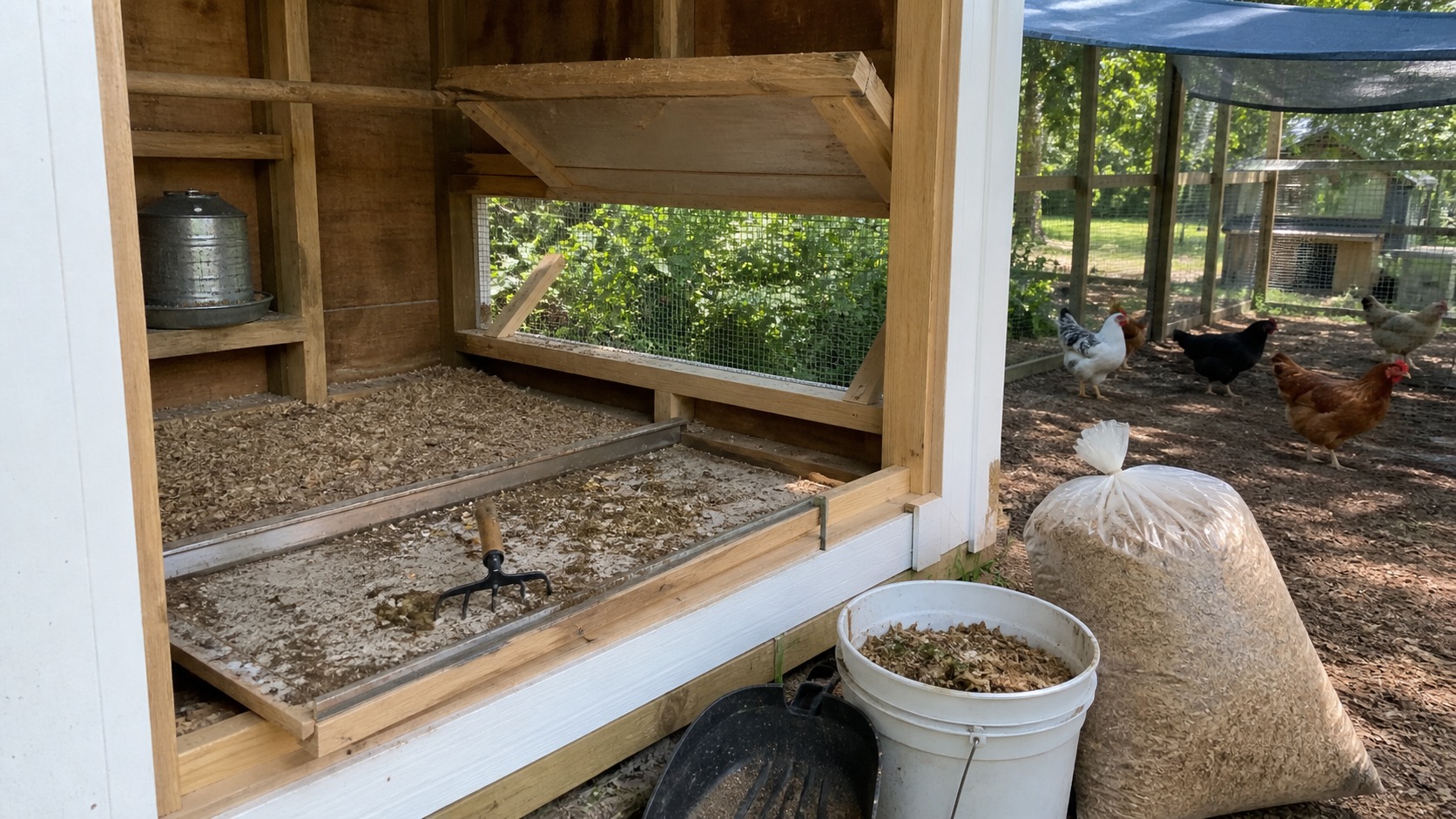
How to Keep a Chicken Coop From Smelling Bad in Summer
A practical summer coop odor guide for beginners: ventilation, dry bedding, manure under roosts, water leaks, run drainage, ammonia warning signs, and what not to cover up.
Chickens
Best Chicken Breeds for Beginners
A practical beginner guide to choosing chicken breeds by temperament, climate, egg goals, local rules, and daily care instead of chasing every egg color at once.